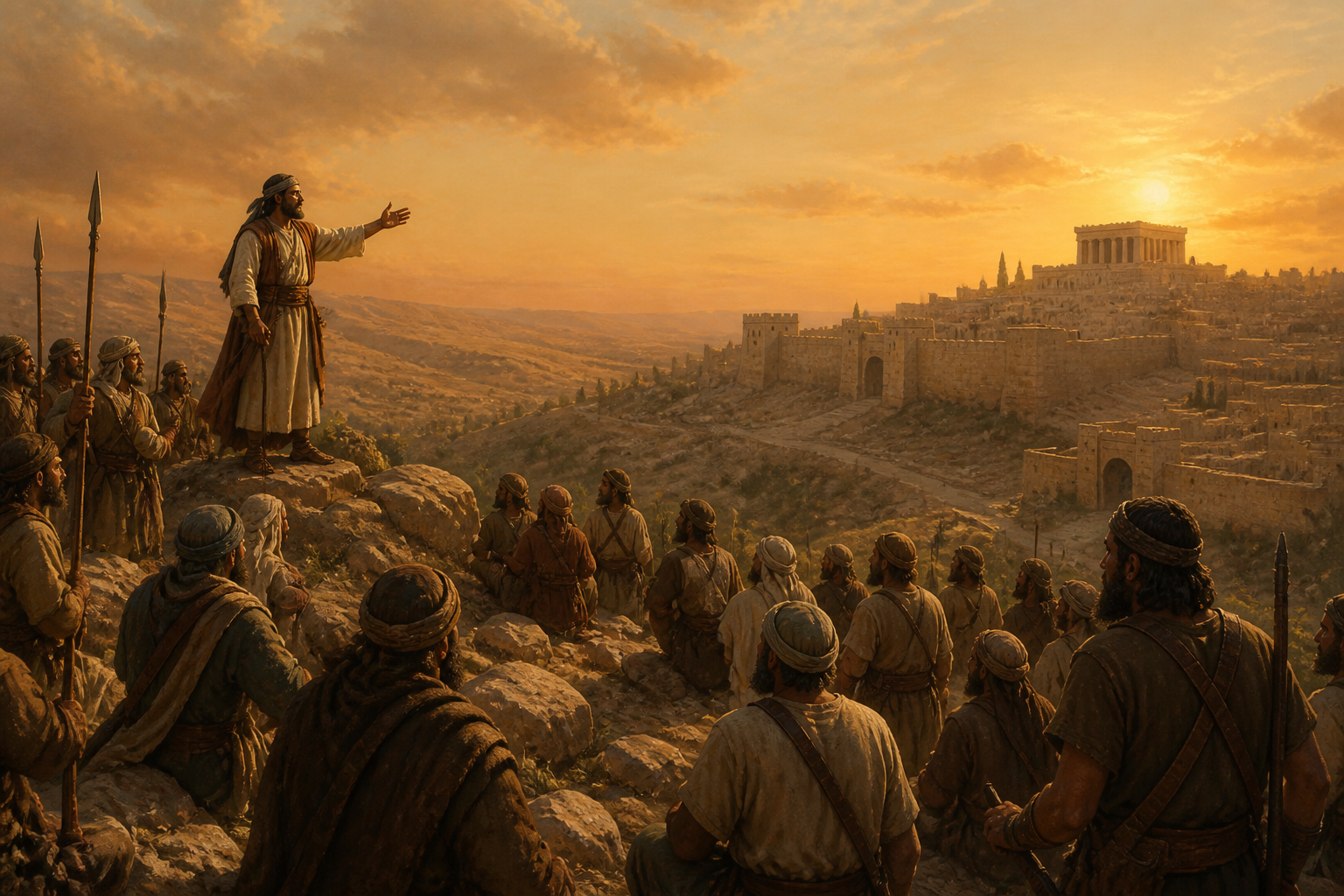
Insurrectionists
Regional leaders and revolutionary figures who organized armed resistance against Roman occupation and the Herodian dynasty during the first century.
“…these men, who have turned the world upside down, have come here also, and Jason has received them, and they are all acting against the decrees of Caesar, saying that there is another king, Jesus.” — Acts 17:6b-7
The group of individuals categorized as insurrectionists in the biblical narrative consists primarily of Jewish nationalists and charismatic leaders who emerged during the tumultuous era of the Roman occupation of Judea. These figures, often referred to in Greek as lestai (bandits) or sicarii (dagger-men) by contemporaries like Josephus, sought the political liberation of Israel through direct action. Their movements were frequently fueled by a combination of messianic expectations and deep-seated resentment toward Roman taxation and the perceived corruption of the Jerusalem priesthood. This atmosphere of social and religious instability provided the backdrop for the ministry of Jesus of Nazareth and the eventual outbreak of the First Jewish-Roman War.
In the New Testament, these figures are typically introduced through the lens of Roman officials or religious authorities attempting to maintain civil order. Often, the biblical text mentions them as points of comparison or contrast to the gospel message. For example, during the trial of Jesus, Barabbas is explicitly described as a rebel who had committed murder in an insurrection. Similarly, the Book of Acts records Gamaliel's speech to the Sanhedrin, where he cites the failed uprisings of Theudas and Judas the Galilean as evidence that movements lacking divine approval will naturally dissipate. These mentions serve as a crucial historical anchor, placing the nascent Christian movement within a specific landscape of volatile socio-political unrest.
Understanding these insurrectionists is essential for grasping the political stakes of the New Testament era. Figures like the 'Egyptian' mentioned by the tribune in Acts 21 were seen as existential threats to the Pax Romana, leading thousands out into the wilderness in anticipation of a divine intervention. Their inclusion in the biblical text highlights the distinctiveness of the early church's 'Kingdom of God'—which initially eschewed the violent revolution advocated by these militant groups. By studying these revolutionaries, scholars gain insight into the precise nature of the charges brought against Jesus and the legal challenges faced by the apostles as they preached a new sovereignty that Roman governors often confused with sedition.
The group
Insurrectionists
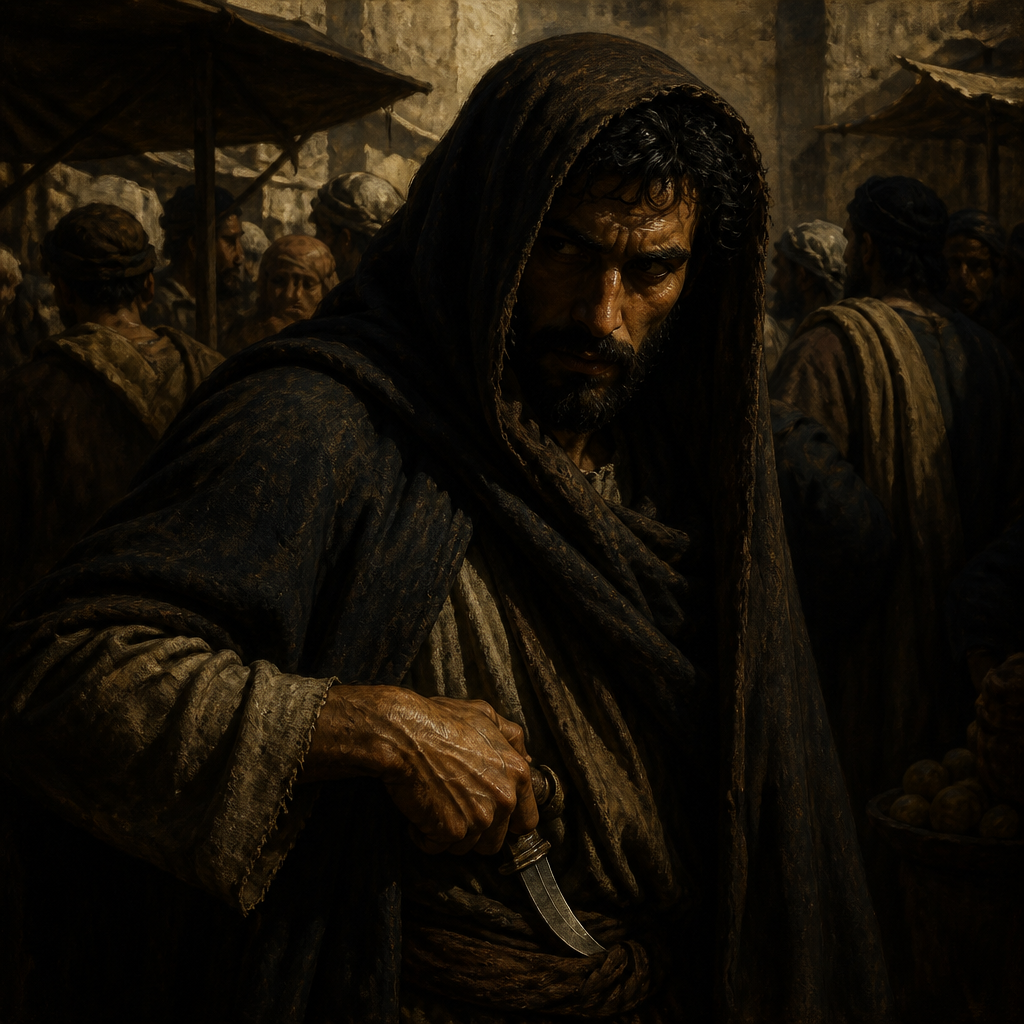
The Assassins
Militant Jewish group that utilized hidden daggers for political assassinations in first-century Judea
A militant Jewish insurrectionist group, specifically the Sicarii, known for their violent opposition to Roman rule and the assassination of high-ranking collaborators.
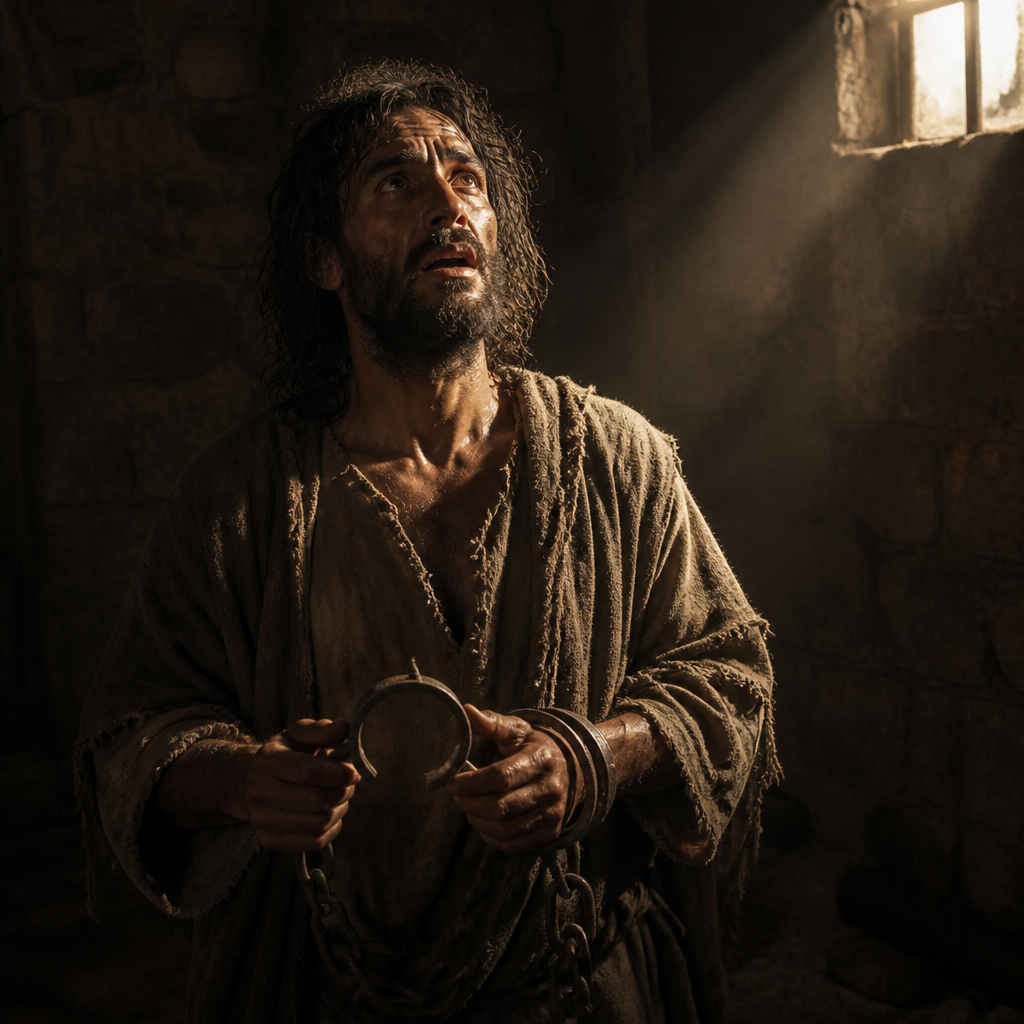
Barabbas
Prisoner released by Pontius Pilate in the place of Jesus Christ during the Passion
A convicted insurrectionist and murderer who was historically pardoned by Pontius Pilate in the place of Jesus Christ during the Passover trial.
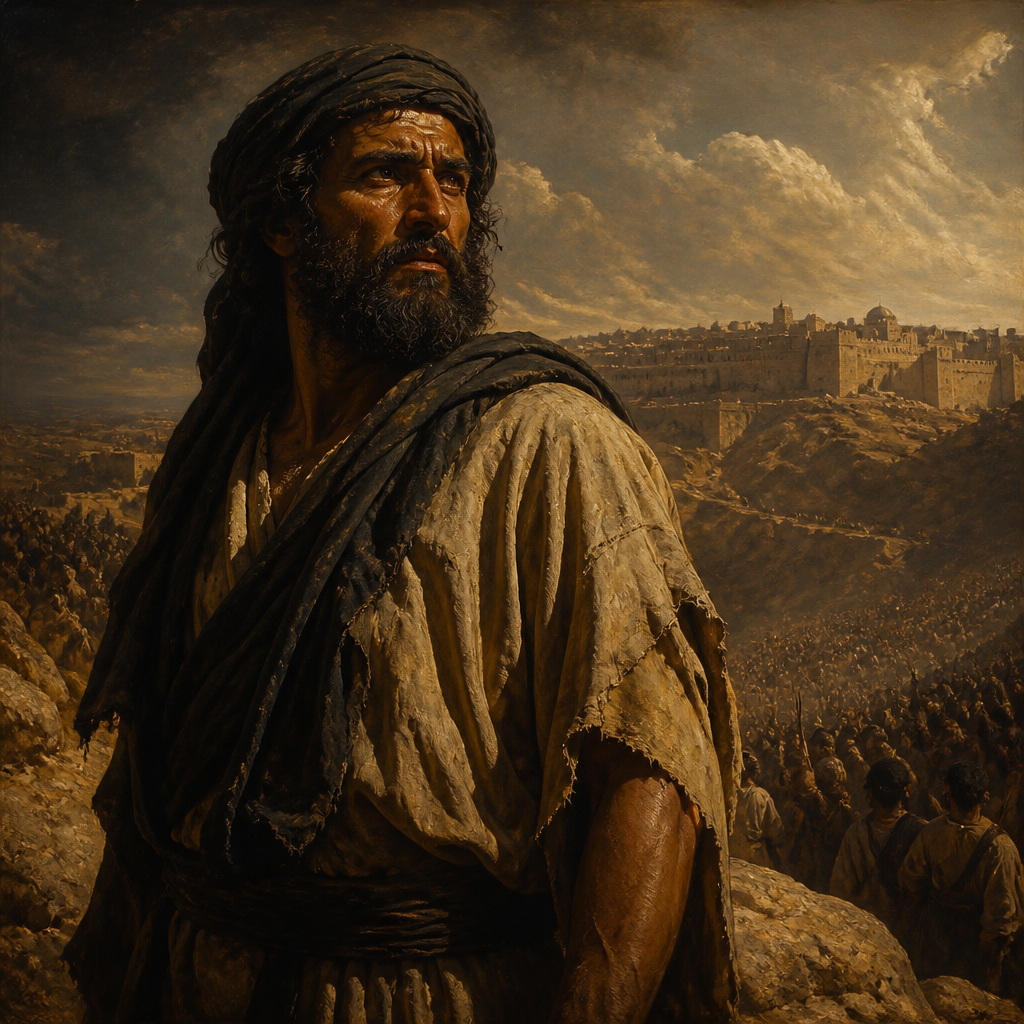
The Egyptian
Insurrectionist who led four thousand assassins into the wilderness to revolt against Rome
A messianic figure and insurrectionist who led a failed revolt against Rome in Judea during the mid-first century AD.

Judas of Galilee
Revolutionary leader who incited a tax revolt against Rome during the census of Quirinius
A 1st-century Jewish leader who founded the Fourth Philosophy and led a tax revolt against the Roman Empire.
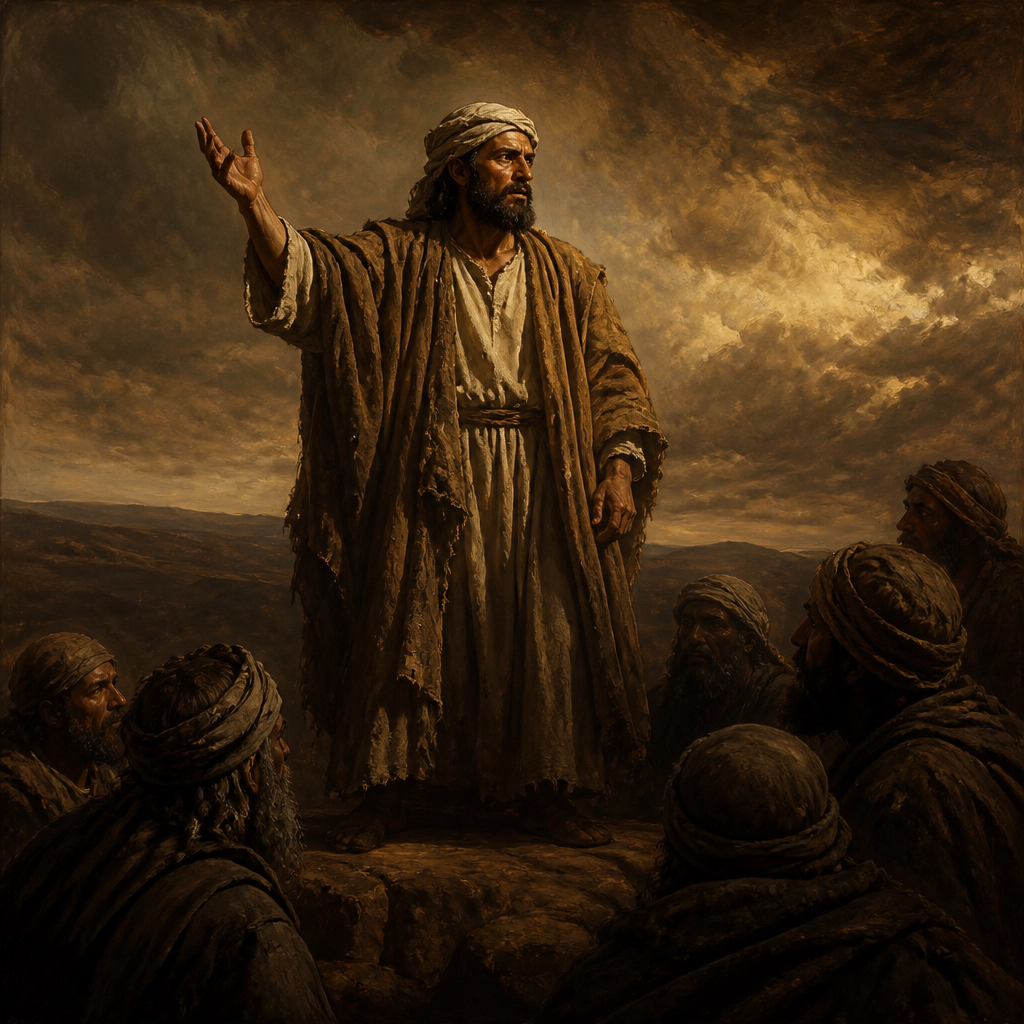
Theudas
Insurrectionist who led a failed revolt of four hundred men before the census of Quirinius
A first-century Jewish insurgent leader who gathered a following of four hundred men before being defeated and executed by authorities.