Barabbas
A convicted insurrectionist and murderer who was historically pardoned by Pontius Pilate in the place of Jesus Christ during the Passover trial.
Barabbas was a first-century Judean prisoner prominently featured in all four canonical Gospels of the New Testament. Identified as a 'notorious prisoner,' he was incarcerated by the Roman authorities for his involvement in a violent uprising in Jerusalem. His historical significance is inextricably linked to the trial of Jesus of Nazareth, as he became the beneficiary of a Roman custom that allowed for the release of one Jewish prisoner during the feast of Passover.
While the biblical record provides limited details regarding his previous life, Barabbas is portrayed as a figure of significant social or political weight among the local population. His release, demanded by the crowds at the instigation of the religious leadership, serves as a pivotal narrative moment in the Passion of Christ. The exchange of Barabbas for Jesus has remained a central theme in Christian theology, symbolizing the concepts of substitutionary atonement and the rejection of a political messiah in favor of a spiritual one.
Background and Family
The name 'Barabbas' is of Aramaic origin, derived from Bar-Abba, which literally translates to 'Son of the Father.' This patronymic name was relatively common in the first century, yet it carries a layer of irony within the New Testament narrative, as Barabbas—the 'son of the father'—is released while Jesus, whom Christians identify as the literal Son of the Father, is condemned.
Nothing is explicitly recorded regarding Barabbas’s lineage, tribe, or family history. However, his actions suggest a background rooted in the socio-political unrest of Roman-occupied Judea. The Gospel of Mark describes him as being 'bound with the insurrectionists who had committed murder in the insurrection' (Mark 15:7). This terminology suggests Barabbas was not a common thief but likely a member of a rebel faction, such as the Zealots or the Sicarii, who sought to overthrow Roman rule through guerrilla warfare and targeted violence.
Major Life Events
The primary event defining the life of Barabbas is his detention and subsequent release during the trial of Jesus before Pontius Pilate. According to the synoptic Gospels, Barabbas had been involved in a 'stasis' or sedition—a violent riot within the city of Jerusalem. During this conflict, he had committed murder, leading to his arrest and likely sentence of crucifixion.
At the height of the Passover festival, the Roman Governor Pontius Pilate attempted to find a way to release Jesus, whom he found innocent of capital charges. Pilate utilized a custom (often called the Privilegium Paschale) wherein he would release one prisoner chosen by the people. He offered the crowd a choice between the famous rebel Barabbas and Jesus.
Prompted by the chief priests and elders, the crowd unexpectedly shouted for the release of Barabbas. Despite Pilate's hesitation, the political pressure and the threat of a riot compelled him to yield. Barabbas was unbound and granted his freedom, while Jesus was sent to the scourging and the cross. Following his release into the throngs of Jerusalem, Barabbas disappears from the biblical and historical record, leaving no further trace of his activities or eventual fate.
Relationship to Other Biblical Figures
Barabbas’s most significant 'relationship' is one of structural contrast with Jesus Christ. In the Gospel of Matthew, some early manuscripts refer to him as 'Jesus Barabbas,' a detail that emphasizes the direct choice offered to the public: a choice between 'Jesus the Rebel' and 'Jesus the Christ.'
He is also linked to Pontius Pilate, serving as a political tool in the governor's failed attempt to bypass the Sanhedrin’s demands. Furthermore, he was connected to the 'chief priests and elders,' who actively campaigned for his release. It is conjectured by scholars that the religious elite preferred a nationalist insurrectionist like Barabbas, who fought for Jewish political autonomy, over a spiritual reformer like Jesus, who challenged the religious establishment's authority.
Spiritual Significance
In Christian tradition and biblical scholarship, Barabbas is viewed as a living archetype of the sinner. His narrative function is to illustrate the doctrine of imputation or substitution. Barabbas was a man justly condemned under the law for violent crimes, yet he walked free because an innocent man took his place on the cross prepared for him.
This exchange is often preached as a microcosm of the Gospel: the guilty find life through the death of the innocent. Furthermore, Barabbas represents the human tendency to choose immediate, political, and violent solutions to oppression (insurrection) over the sacrificial and spiritual kingdom preached by Jesus. The crowd's preference for Barabbas highlights the rejection of the 'Prince of Peace' in favor of a man of war, a theme that resonates through the apocalyptic warnings Jesus gave regarding the future destruction of Jerusalem.
Spiritual Significance
Theologically, Barabbas serves as a profound historical illustration of the concept of substitutionary atonement. He is the only individual in the New Testament who could literally say that Jesus died in his place, as the cross Jesus carried was likely intended for Barabbas or one of his compatriots. This paradox highlights the nature of divine grace, where the guilty are liberated through the suffering of the righteous.
Historically, the choice of Barabbas over Jesus underscores the volatile political climate of first-century Judea. It demonstrates the profound localized desire for a militant messiah who would physically confront Roman occupation. By choosing a known insurrectionist, the Jerusalem crowd signaled their alignment with nationalistic zeal over the transformative, non-violent ethics of the New Covenant.
Frequently Asked Questions
What does the name Barabbas mean?
The name is Aramaic for 'Son of the Father' (Bar-Abba). Some scholars find this significant as it mirrors the title of Jesus, creates a linguistic irony during the trial.
Was Barabbas a real historical figure?
While there are no non-biblical contemporary Roman records of his life, the custom of releasing a prisoner during festivals is noted in various forms of Roman law, and his presence is firmly established in all four canonical Gospels.
Why did the crowd choose Barabbas over Jesus?
The Gospels state that the chief priests and elders persuaded the crowd to ask for Barabbas. Additionally, many Judeans favored Barabbas because he was a militant nationalist fighting against Roman oppression, whereas Jesus refused to lead a political revolt.
What happened to Barabbas after he was released?
The Bible does not provide any information regarding Barabbas's life after his release. He disappears from the historical record once he is set free by Pilate.
Did Barabbas know Jesus?
There is no biblical evidence to suggest Barabbas and Jesus had ever met or spoken. Their only documented 'interaction' is their simultaneous presence before Pilate's judgment seat.
Connected Figures
Jesus Christ
Subject of the substitutionary exchange
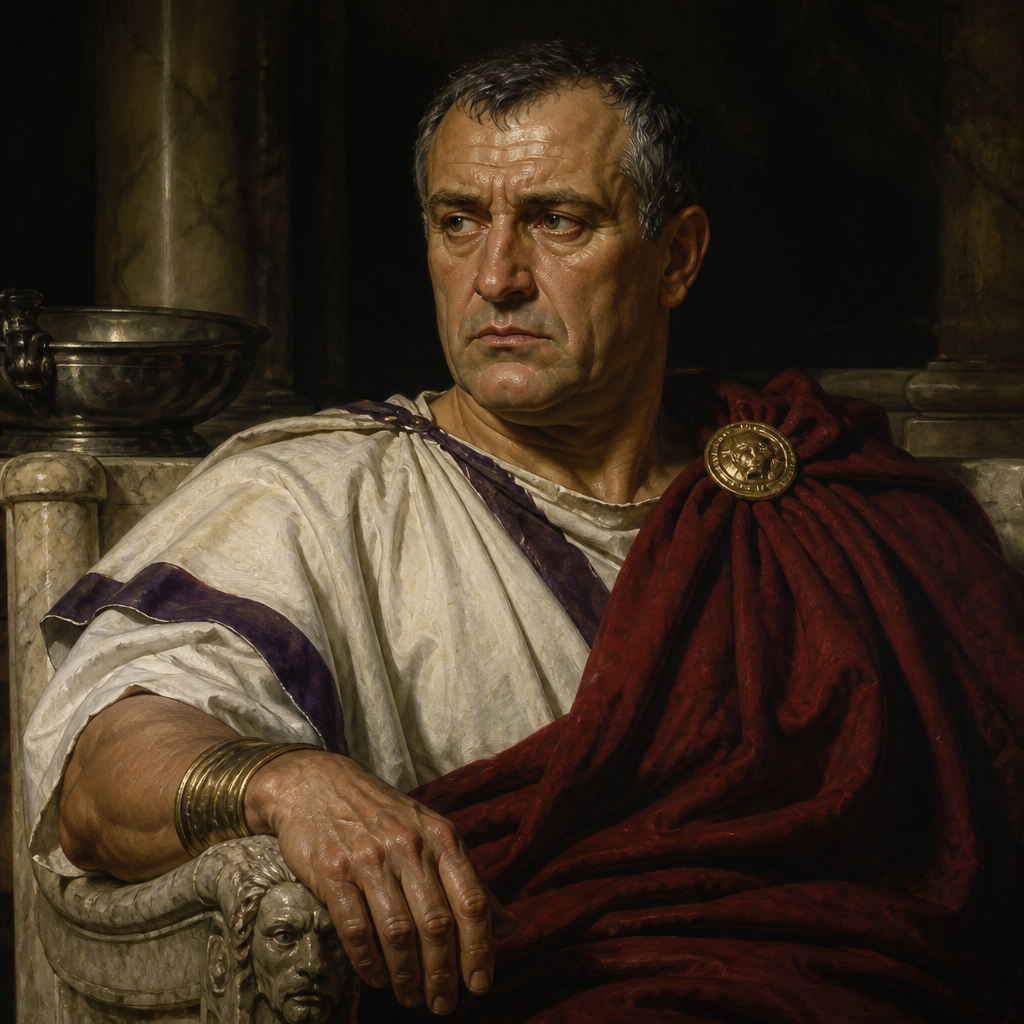
Pontius Pilate
Roman Governor who ordered his release
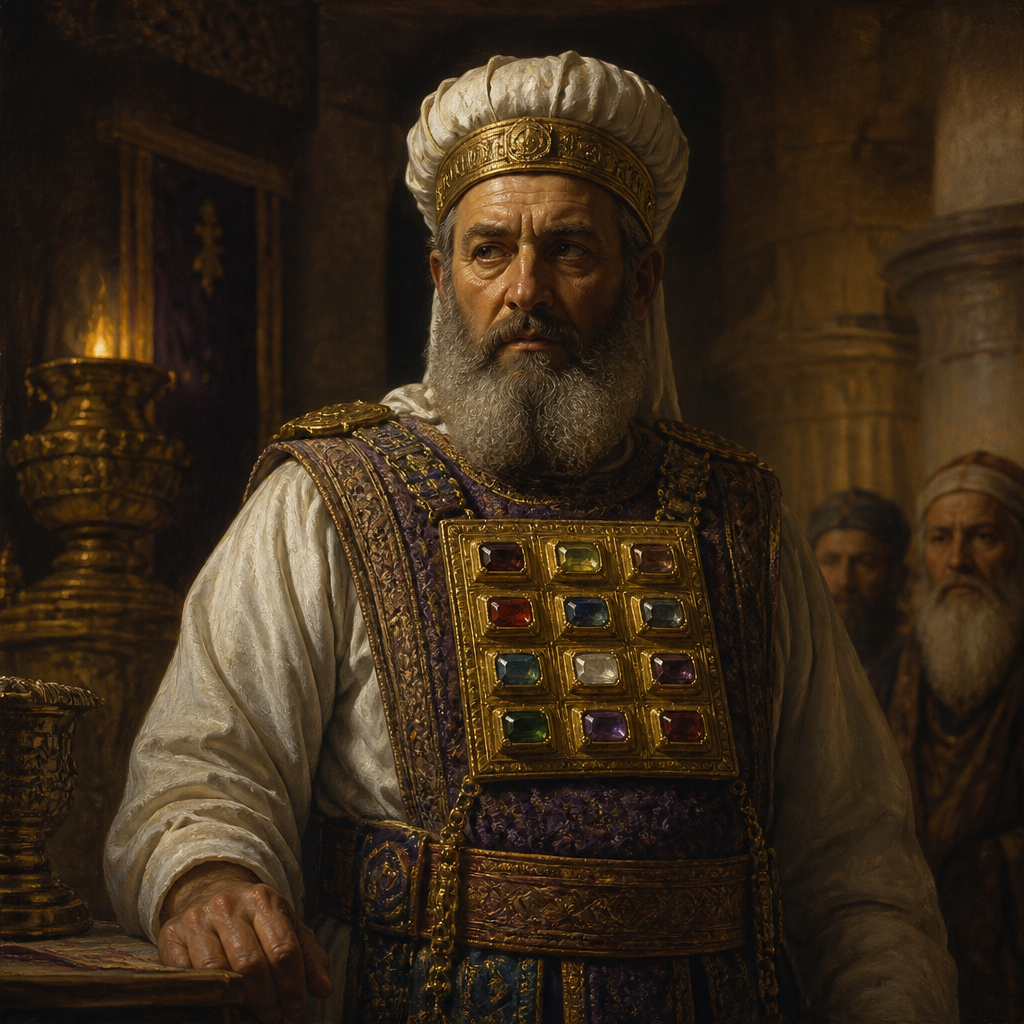
Caiaphas
High Priest who lobbied for his release over Jesus