The Assassins
A militant Jewish insurrectionist group, specifically the Sicarii, known for their violent opposition to Roman rule and the assassination of high-ranking collaborators.
The Assassins, referred to in Greek as the 'Sikarioi' (Sicarii), represent a radical faction of the Jewish resistance during the first century AD. They are explicitly mentioned in the New Testament within the Book of Acts, during a moment of high tension involving the Apostle Paul. Emerging from the broader Fourth Philosophy or Zealot movement, these individuals were characterized by their use of hidden daggers (sicae) to eliminate political enemies in crowded public spaces, particularly during religious festivals in Jerusalem.
In the biblical narrative, they serve as a historical marker for the volatile political climate of Roman Judea. Their mention by a Roman commander highlights the administrative anxiety regarding messianic pretenders and revolutionary leaders who led thousands into the wilderness. While they were a group rather than a single individual, the biblical text treats them as a specific, identifiable movement of insurrectionists that posed a grave threat to both Roman order and the Jewish aristocratic establishment.
Background and Origins
The Assassins, or Sicarii, emerged in the mid-first century AD as an extreme offshoot of the Zealot movement. Their name is derived from the Latin sica, a small, curved dagger that could be easily concealed beneath their robes. Unlike traditional military forces, the Sicarii employed tactics of urban guerrilla warfare and targeted assassinations. Their primary targets were not just Roman officials, but fellow Jews whom they deemed collaborators with the Roman Empire. This included the high-priestly aristocracy and wealthy landowners who benefited from the status quo.
Historically, the movement is often linked to the transition of Judea from a client kingdom to a Roman province. The imposition of Roman taxes and the presence of imperial symbols in the Holy City sparked a religious and nationalistic fervor. The Sicarii believed that God alone was the ruler of Israel, and therefore, paying tribute to Caesar was an act of apostasy. This theological conviction fueled their violent methods, as they sought to force a divine intervention by instigating a total war against Rome.
Major Life Events and the Mention in Acts
The primary biblical reference to the Assassins occurs in Acts 21:38. Following a riot in the Jerusalem temple complex, the Roman commander (Claudius Lysias) arrests the Apostle Paul. Mistaking Paul for a known revolutionary leader, the commander asks:
"Are you not the Egyptian, then, who recently stirred up a revolt and led the four thousand men of the Assassins out into the wilderness?"
This passage acknowledges a specific historical event recorded by the historian Josephus, in which an anonymous Egyptian Jew claimed to be a prophet and led a massive following to the Mount of Olives, promising that the walls of Jerusalem would fall at his command. While the Roman troops slaughtered many of his followers, the Egyptian escaped. The commander's association of this 'Egyptian' with the 'Assassins' indicates that the Sicarii were the muscle or the militant core of these populist uprisings.
The tactics of the Assassins were legendary for their stealth. During the Jewish festivals, when Jerusalem was densely packed with pilgrims, they would mingle with the crowds. After stabbing their target, they would join in the cries of horror to avoid detection. Their most famous act of violence prior to the Great Revolt was the murder of the High Priest Jonathan, an act that signaled the complete breakdown of civil order in Judea.
Relationship to Other Biblical Figures
The most direct interaction involving the Assassins in the Bible is the mistaken identity case with the Apostle Paul. The Roman authorities viewed both Paul and the Sicarii as troublemakers, though their methods were diametrically opposed—one spreading a gospel of peace and the other a gospel of the sword.
Scholars also frequently discuss the Assassins in relation to Judas Iscariot. While not explicitly stated in the Bible, many linguistic theories suggest that 'Iscariot' may be a corruption of 'Sicarius.' If this theory holds, it would suggest that Judas had ties to these radical insurrectionists before or during his time as a disciple of Jesus. This would provide a political motive for his eventual disillusionment with Jesus' non-violent messiahship. Similarly, Simon the Zealot belonged to the broader movement from which the Sicarii sprang, representing the spectrum of Jewish resistance that Jesus engaged with during his ministry.
Spiritual Significance
In a theological context, the Assassins represent the 'zeal without knowledge' that the New Testament writers often cautioned against. They epitomize the temptation to usher in the Kingdom of God through human violence and political coercion rather than spiritual transformation. Their inclusion in the Book of Acts serves to contrast the 'Way' of Christ with the 'way of the sword.'
Furthermore, the presence of the Assassins in the narrative highlights the social and political pressure under which the early Church functioned. The Church had to navigate a middle path between Roman paganism and violent Jewish nationalism. The commander’s question to Paul underscores the reality that the early Christians were often unfairly lumped together with violent revolutionaries, requiring characters like Paul to clearly articulate the peaceful nature of the Christian faith before both Roman and Jewish tribunals.
Spiritual Significance
The inclusion of the Assassins in the Lucan narrative of Acts provides essential historical context for the tensions of the first-century Mediterranean world. They represent the extreme end of Jewish nationalism, serving as a foil to the early Christian movement. Whereas the Assassins sought liberation through the dagger and the death of their enemies, the apostles preached liberation through the sacrifice of Christ and the love of enemies. Their mention validates the historical reliability of the New Testament, as it aligns with the accounts of secular historians like Josephus regarding the rise of the 'Sicarii' and the 'Egyptian' insurrectionist.
Frequently Asked Questions
Who were the Sicarii in the Bible?
The Sicarii, translated as 'Assassins' in many versions of Acts 21:38, were a radical Jewish group that used concealed daggers to kill Roman officials and Jewish collaborators to protest Roman rule.
Why did the Roman commander think Paul was an Assassin?
Paul’s arrival in Jerusalem caused a massive riot, leading the commander to believe Paul was the 'Egyptian' revolutionary who had recently led four thousand Assassins into the wilderness.
What does the name 'Sicarii' mean?
The name comes from the Latin word 'sica,' which refers to a small, curved dagger that the group used for their targeted killings.
Were the Assassins related to the Zealots?
Yes, the Sicarii/Assassins were an extremist faction within the broader Zealot movement, characterized by their readiness to use clandestine violence and urban terrorism.
What happened to the Assassins?
After the fall of Jerusalem in 70 AD, a group of Sicarii fled to the fortress of Masada, where they eventually committed mass suicide rather than being captured by the Roman army.
Connected Figures
Paul the Apostle
Mistaken for their leader

Claudius Lysias
Roman commander who identified them
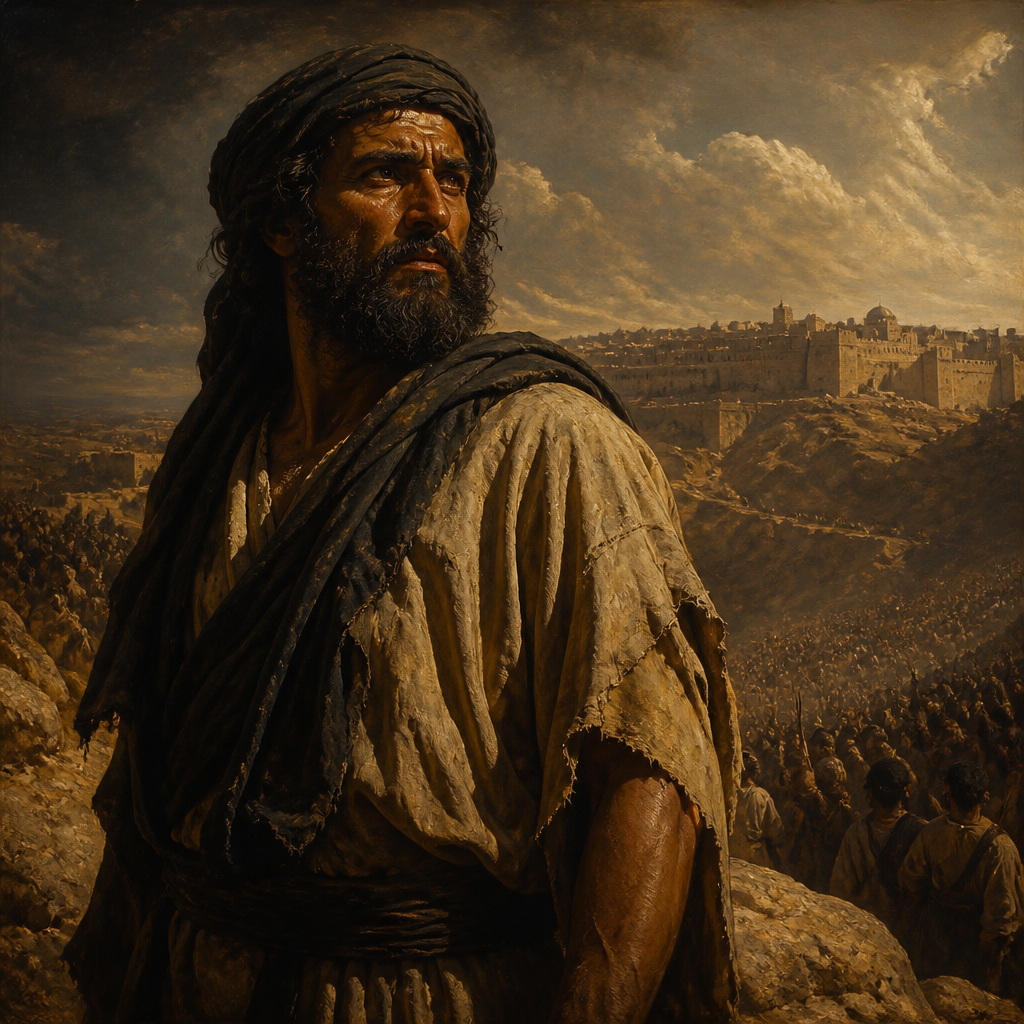
The Egyptian
Insurrectionist leader of the group
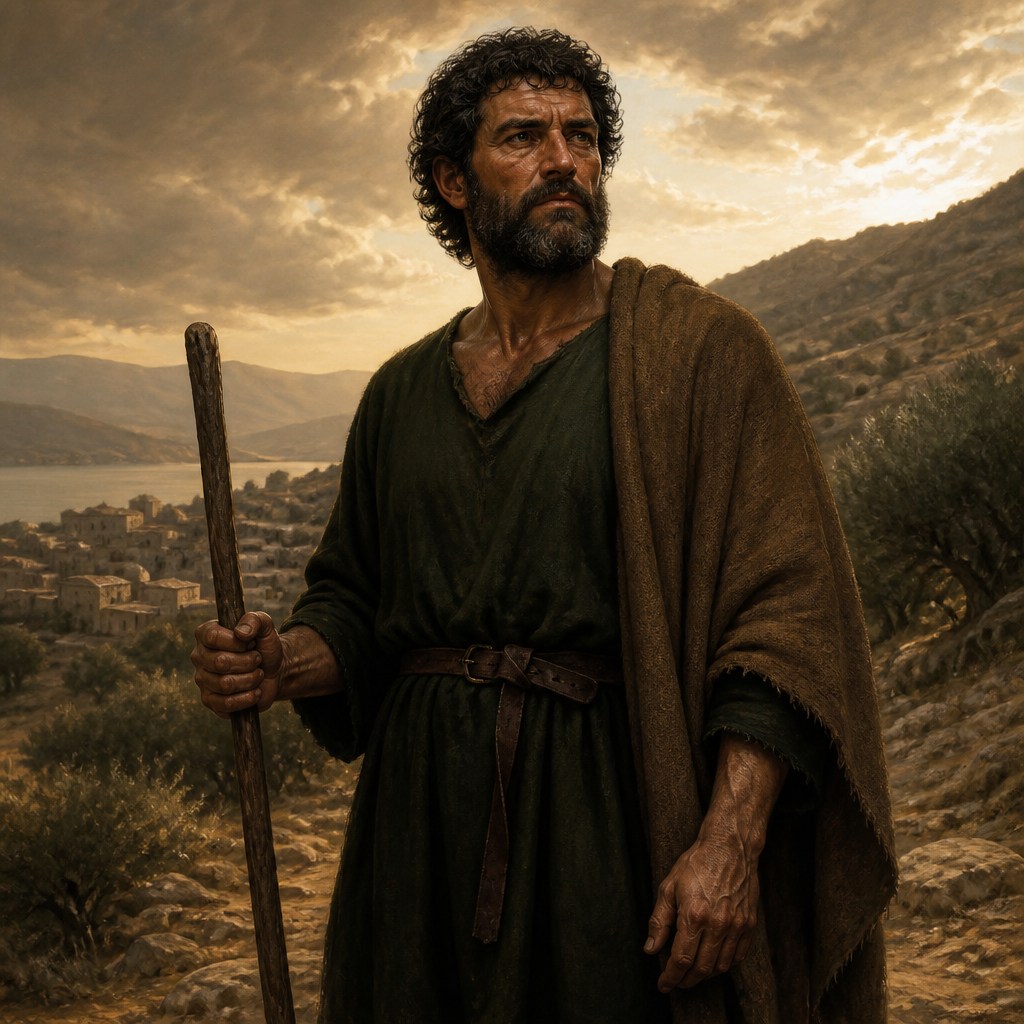
Simon the Zealot
Apostle from a related political sect