Debated Identity
A collective of enigmatic individuals in the New Testament whose specific historical identities remain the subject of intense scholarly debate.
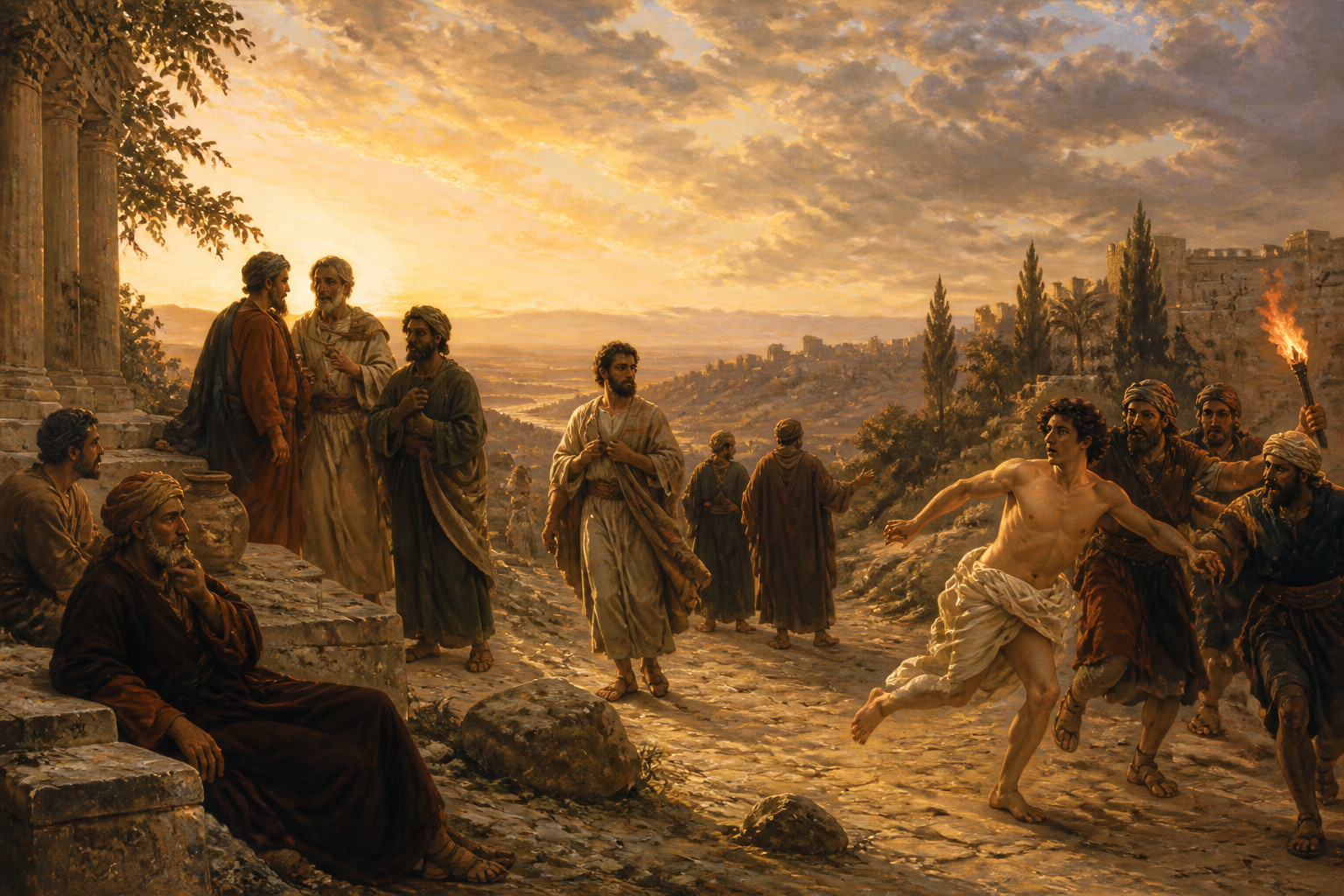
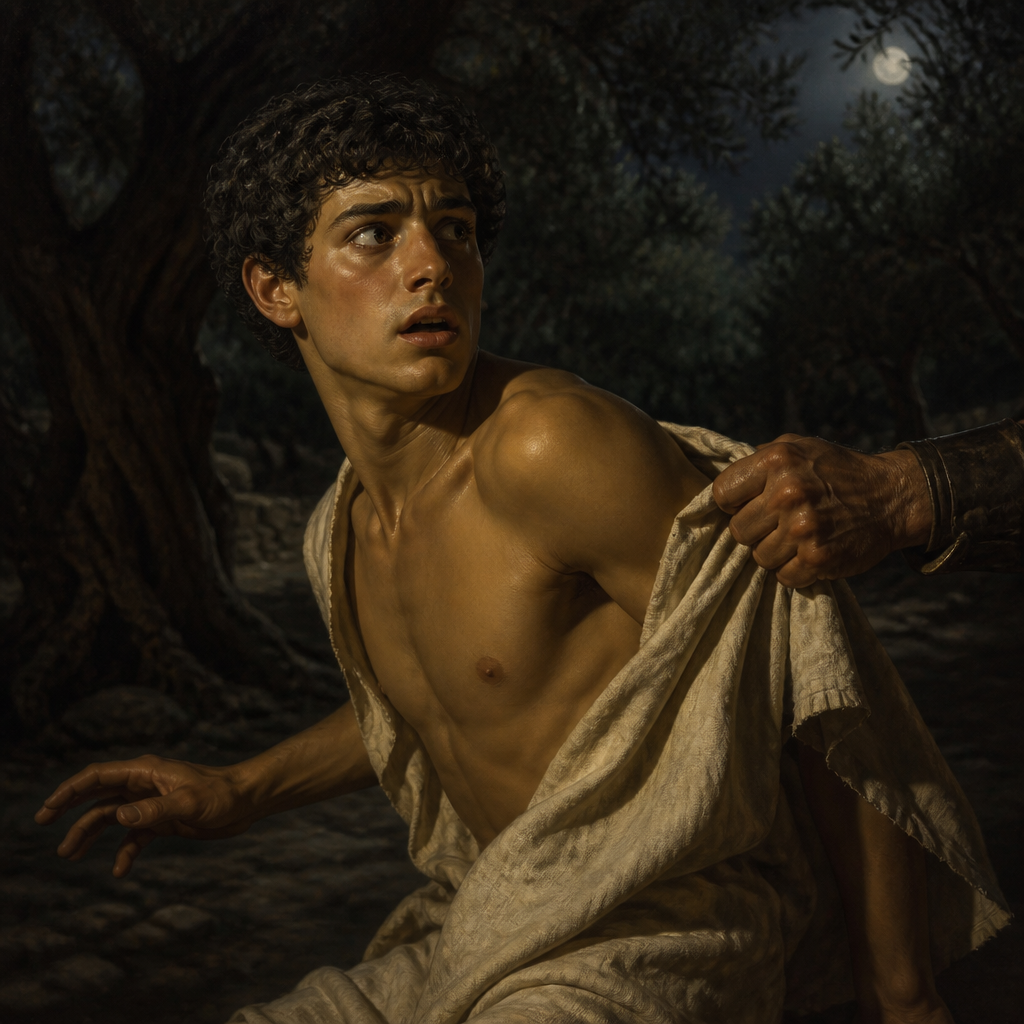
“And a young man followed him, with nothing but a linen cloth about his body. And they seized him, but he left the linen cloth and ran away naked.” — Mark 14:51–52
The category of Debated Identity encompasses figures within the New Testament whose descriptions or titles are sufficiently vague to invite centuries of speculation. These individuals act as narrative anchors or literary devices within the Gospels and Acts, yet their lack of biographical detail leaves their exact roles and personas open to interpretation. Scholars often analyze these figures to determine if they are historical individuals with specific, albeit hidden, identities, or if they serve symbolic functions intended to invite the reader into the biblical narrative. In either case, they represent a unique bridge between the historical world of the First Century AD and the theological purposes of the biblical authors.
Two of the most prominent figures in this category are the 'naked young man' mentioned in the Gospel of Mark and 'Theophilus,' the addressee of the Lukan writings. The naked young man appears briefly during the arrest of Jesus in the Garden of Gethsemane, fleeing the scene and leaving his linen garment behind. This jarring detail has led researchers to propose he was a specific disciple, a secret witness, or even the author himself, Mark. Conversely, Theophilus—whose name literally translates to 'Friend of God'—could represent a Roman official of 'most excellent' status, a wealthy patron who funded the publication of the Gospel, or a generic moniker for any devout Christian reader seeking to understand the certainty of the faith.
Understanding these figures is essential for modern biblical scholarship because their ambiguity highlights the complexities of ancient historiography. They challenge readers to consider the social and political contexts of the Roman Empire, from the legal protocols of patronage to the localized dangers of the Jesus movement in Jerusalem and beyond. By examining the clues left by the authors—such as the specific Greek terminology for clothing or the formal titles of address—historians aim to piece together the reality of the early church. Whether historical persons or literary archetypes, these figures remain central to the ongoing task of interpreting the New Testament's origins and its original audience.
The group
Debated Identity
The Naked Young Man
Young man who fled naked from the Garden of Gethsemane during the arrest of Jesus
An unidentified youth who fled naked from the Garden of Gethsemane during the arrest of Jesus of Nazareth.
Theophilus
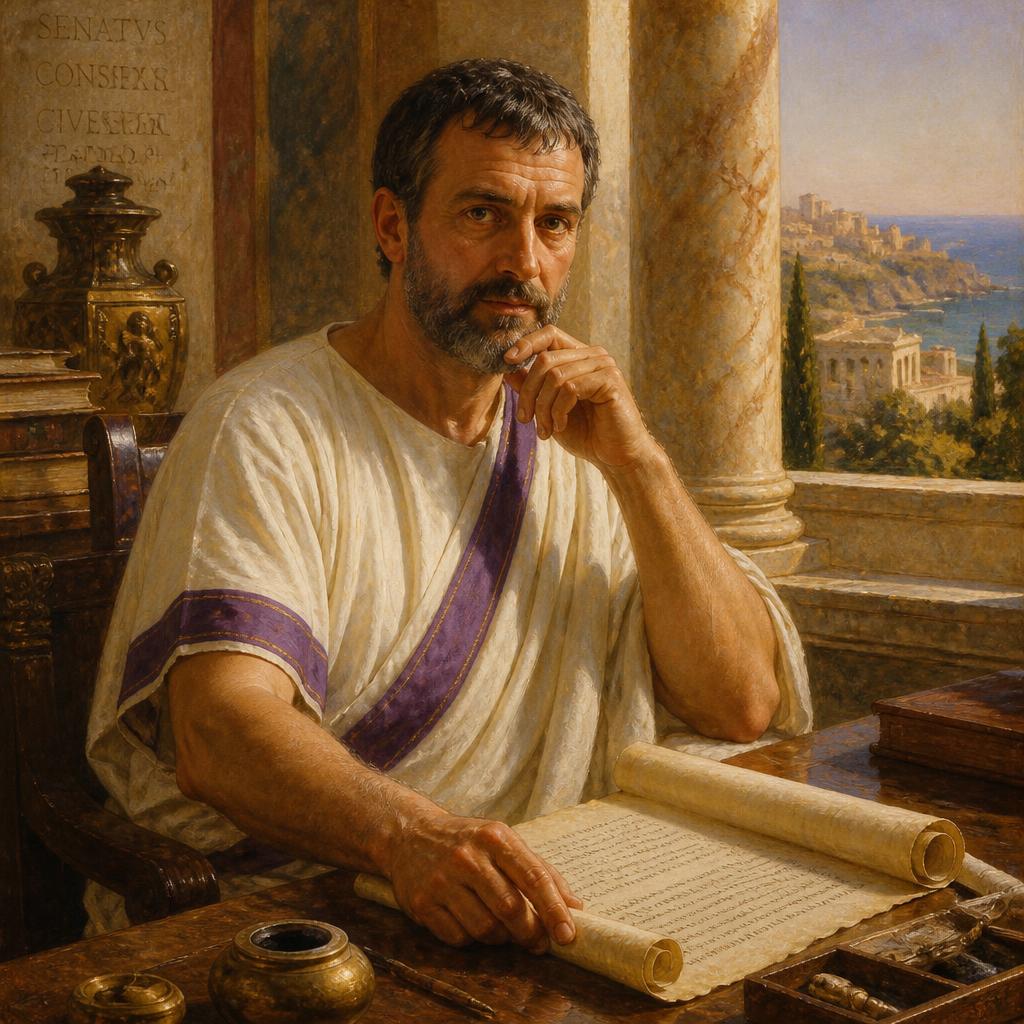
Recipient of the Gospel of Luke and the Book of Acts
Theophilus was the official recipient of the Gospel of Luke and the Book of Acts, likely a high-ranking Gentile undergoing Christian instruction.