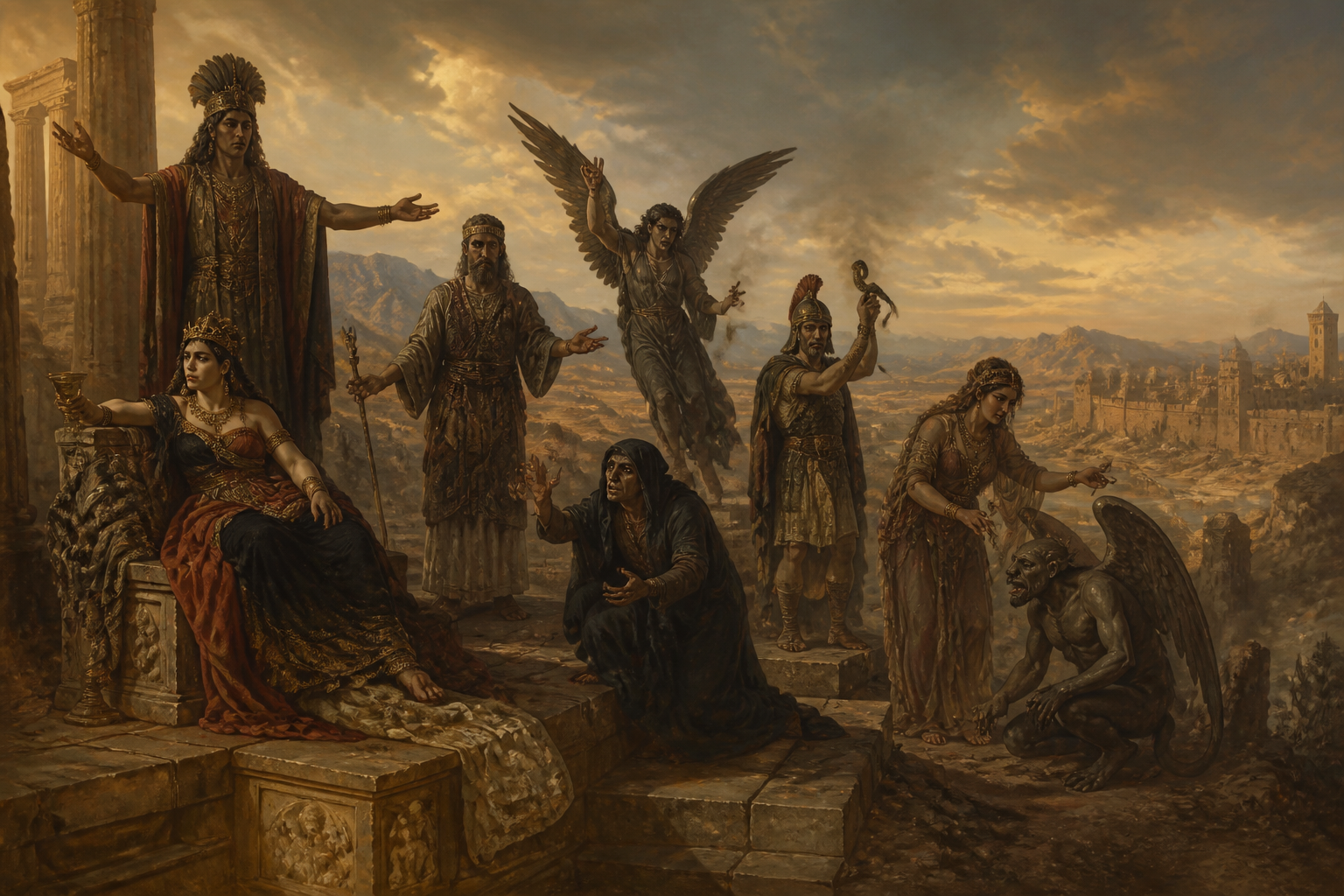
Agents of Satan
A diverse group of spiritual and symbolic entities described in biblical literature as adversaries to the divine order and agents of chaos.
“For we do not wrestle against flesh and blood, but against the rulers, against the authorities, against the cosmic powers over this present darkness, against the spiritual forces of evil in the heavenly places.” — Ephesians 6:12
The biblical 'agents of Satan' comprise a complex array of entities, ranging from individual demonic spirits to grand symbolic figures representing systemic rebellion. In the scriptural worldview, these beings are not merely independent actors but are often depicted as subordinates or emissaries of a central adversarial figure, known variously as Satan, the Devil, or the Accuser. This supernatural hierarchy reflects an ancient Near Eastern understanding of spiritual warfare, where the struggle between good and evil is played out through both internal human affliction and massive geopolitical shifts. These entities often serve as catalysts for testing, temptation, and the ultimate vindication of divine sovereignty.
In the New Testament, particularly within the Gospels and the Book of Revelation, these agents take on specific roles. Some, like the 'Evil Spirit at Ephesus' or 'Legion,' represent the localized disruption of human life through physical and mental illness, illustrating the kingdom of God's immediate clash with dark forces. Others, such as the 'Beast from the Sea' and the 'Beast from the Earth' in Johannine literature, function as apocalyptic metaphors for corrupt political and religious systems that demand worship and subvert truth. These characters are central to the development of early Christian theology regarding the nature of suffering and the eventual triumph of Christ over all spiritual principalities.
Scholarly analysis of these figures often highlights their role in the theodicy of the biblical narrative—that is, the explanation for why evil exists in a world created by a benevolent God. By personifying evil through these agents, the biblical authors provided a framework for believers to understand their struggles against social and spiritual pressures. Whether through the destructive imagery of Abaddon in the abyss or the localized terror of a demoniac, these agents serve to emphasize the necessity of divine intervention and the persistent theme of spiritual vigilance required of the faithful throughout history.
The group
Agents of Satan
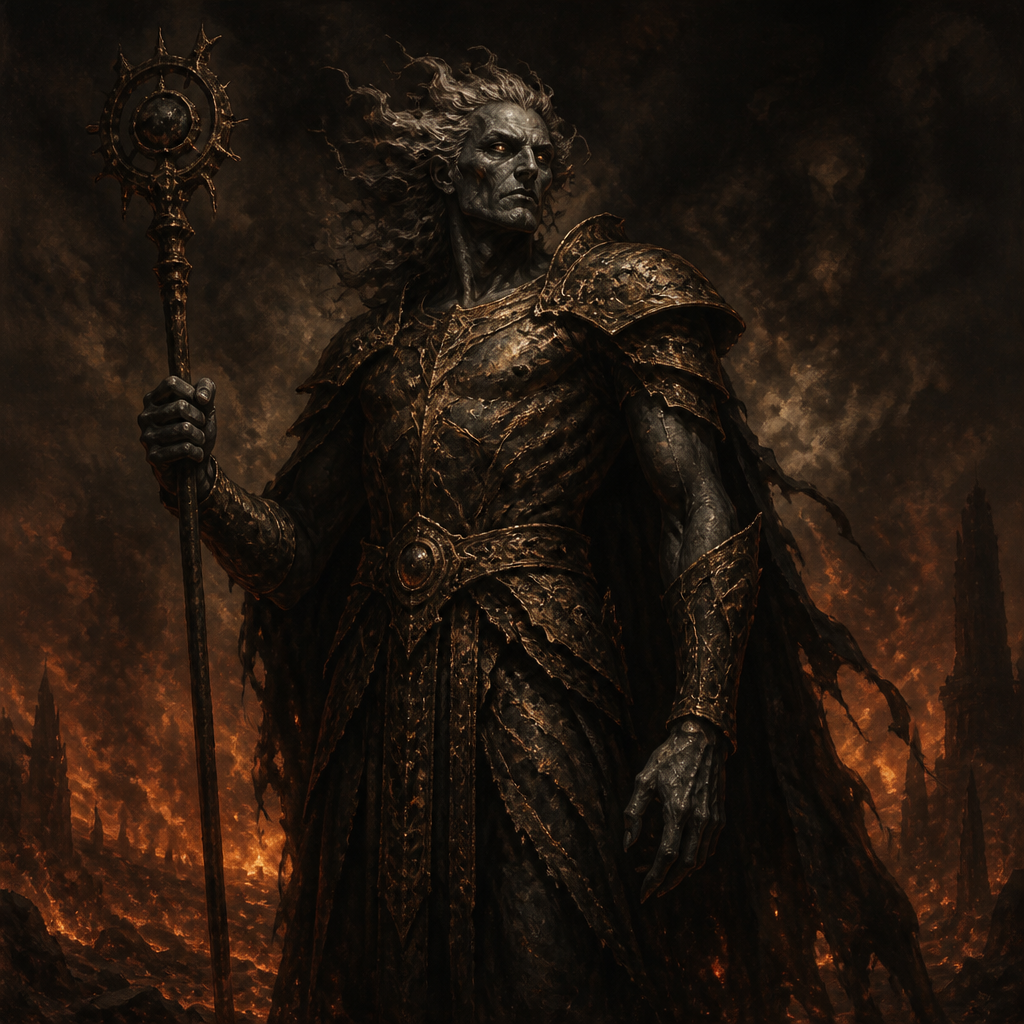
Abaddon
Angel of the bottomless pit who leads an army of supernatural locusts during the end-times tribulation
Abaddon is an angelic being described in the Book of Revelation as the king of a demonic locust swarm and the angel of the bottomless pit.

The Beast from the Earth
False prophet who forces the world to worship the Antichrist and receive his mark
The secondary antagonist of Revelation 13 who acts as a deceptive false prophet to compel humanity to worship the first Beast and the Dragon.

The Beast from the Sea
World leader who receives a mortal wound and demands global worship
The first of two apocalyptic beasts in Revelation, acting as the primary political agent of Satan during the End Times to rule the nations and persecute the Church.
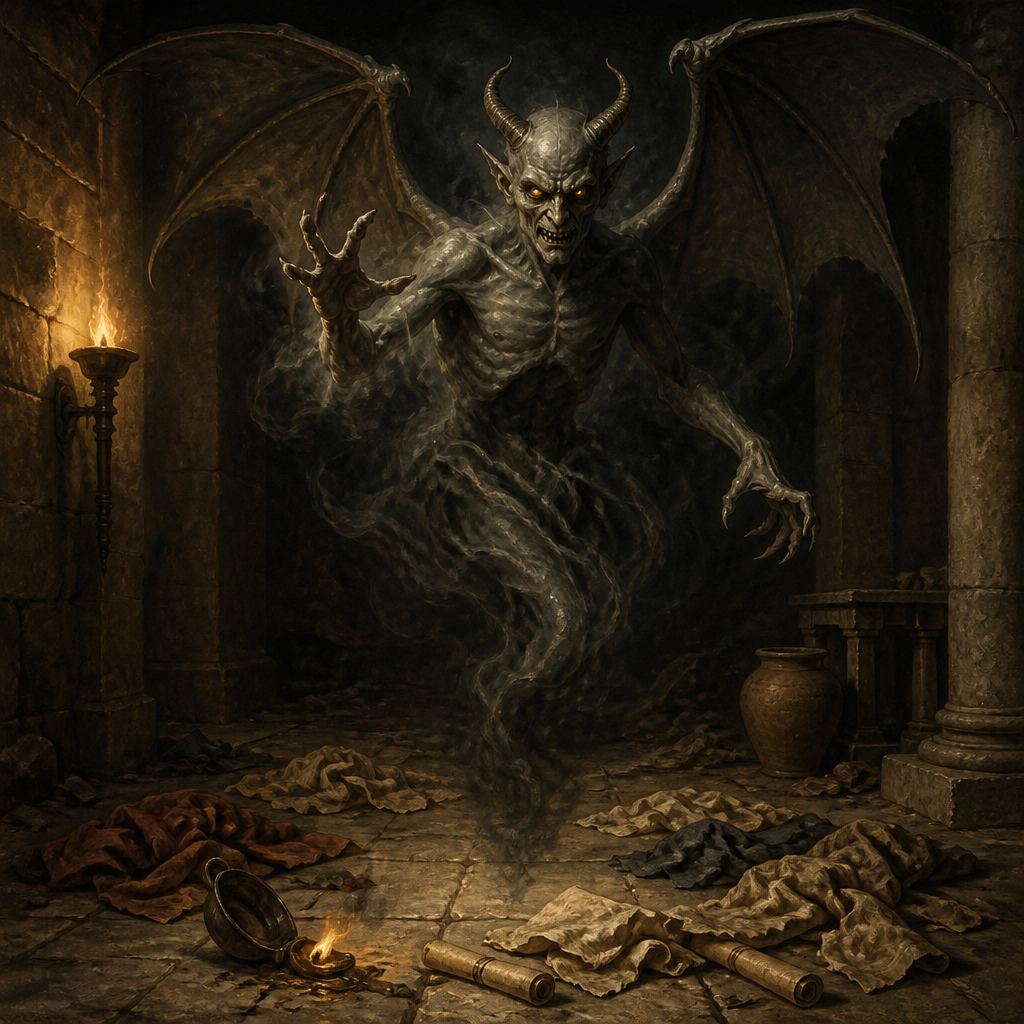
The Evil Spirit at Ephesus
Demon who overpowered the seven sons of Sceva after questioning their authority
A demonic entity encountered by the seven sons of Sceva in Ephesus, known for exposing their lack of spiritual authority and physically overpowering them.
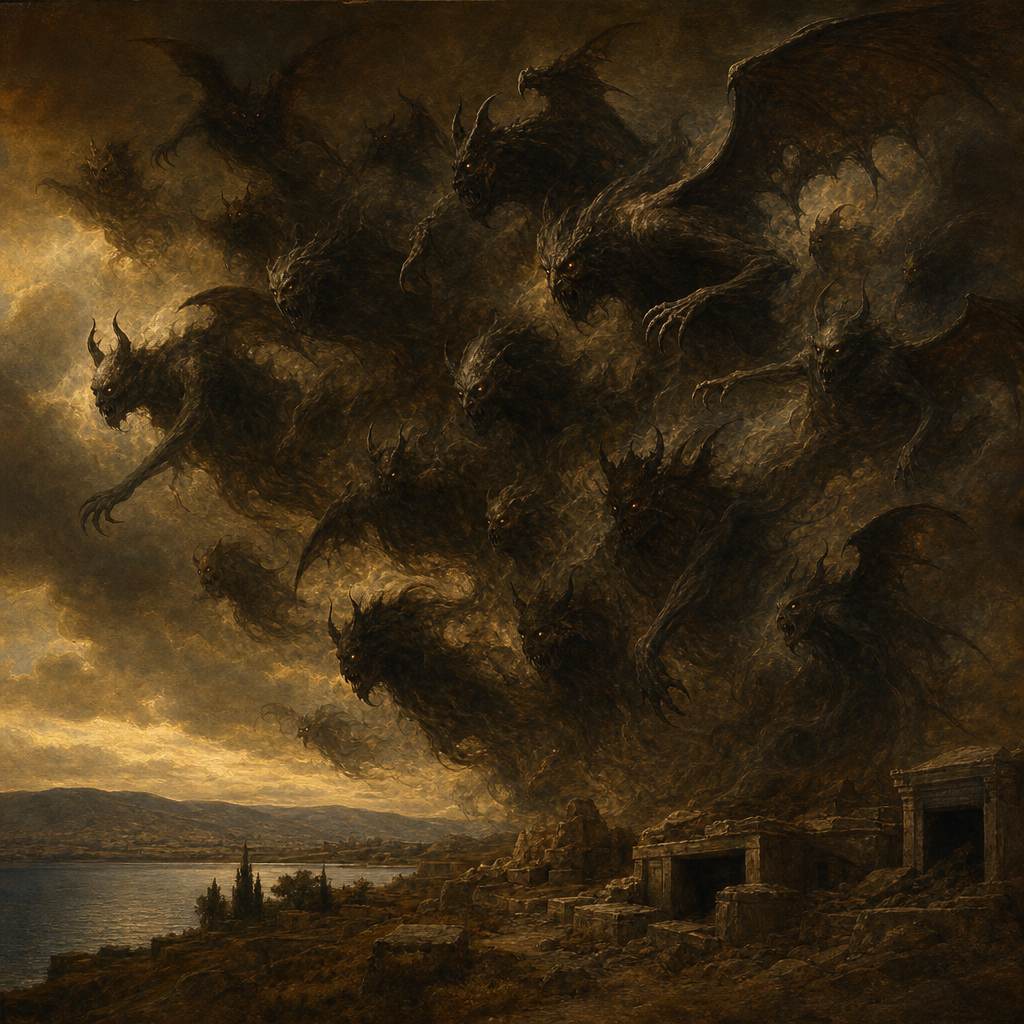
Legion
Collective demonic host cast out by Jesus in the region of the Gerasenes
The collective name used by the demons who possessed the Gerasene man before Jesus cast them out