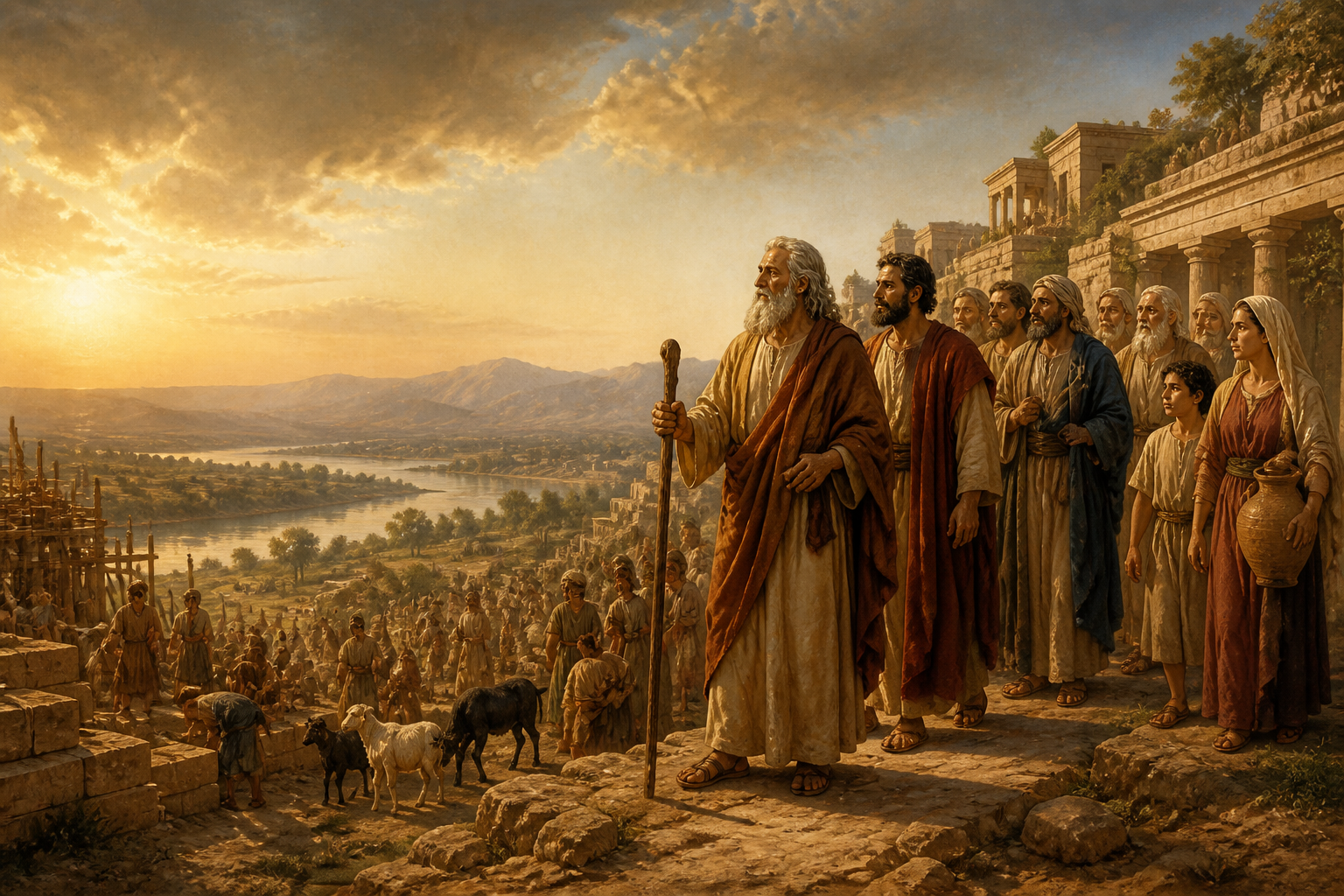
Seth's Antediluvian Line
The genealogical line of Adam’s third son, bridging the gap between the Fall of Man and the Great Flood through a series of long-lived patriarchs.
“This is the book of the generations of Adam. When God created man, he made him in the likeness of God.” — Genesis 5:1
The antediluvian line of Seth, recorded primarily in Genesis 5 and 1 Chronicles 1, represents the genealogical continuity of humanity following the expulsion from Eden and the fratricide of Abel by Cain. In the biblical narrative, Seth is positioned as a 'replacement' for Abel, establishing a lineage characterized by its distinctiveness from the line of Cain. While the Cainite line is associated with the development of urban civilization, metallurgy, and music, the Sethite line is traditionally viewed by scholars and theologians as the 'godly line,' focused on the invocation of the name of the Lord and the preservation of the divine image across ten generations.
From a literary and historical perspective, this group is defined by extreme longevity and a rhythmic, formulaic reporting of their births, tenures, and deaths. This specific genealogical structure, often termed a linear genealogy, serves several functions: it establishes a chronological framework for the primeval history of the Levant, bridges the vast temporal gap between the creation of man and the life of Noah, and emphasizes the persistent, if deteriorating, vitality of humankind in the pre-Flood era. The ages reported—ranging from 777 to 969 years—have been the subject of extensive comparative study, particularly in relation to the Sumerian King List, which similarly attributes immense lifespans to prehistoric figures.
This group remains fundamentally important to the biblical meta-narrative because it culminates in the figure of Noah, thereby ensuring the survival of the human race and the continuation of the covenantal promise. Figures within this line, most notably Enoch and Methuselah, have inspired a vast body of extra-biblical literature, including pseudepigraphal texts like the Book of Enoch. For biblical scholars, the Sethite line is not merely a list of names but a theological statement on the endurance of the human spirit and the meticulous unfolding of divine providence in the face of increasing worldly corruption.
The group
Seth's Antediluvian Line

Enoch
A man taken by God without dying
The seventh patriarch from Adam who is recorded in the Book of Genesis as having 'walked with God' and being taken by God without experiencing death.

Enosh
The patriarch whose generation first began to call upon the name of the Lord
Enosh was the son of Seth and grandson of Adam, noted in Genesis for a pivotal era when humanity began to call upon the name of the Lord.
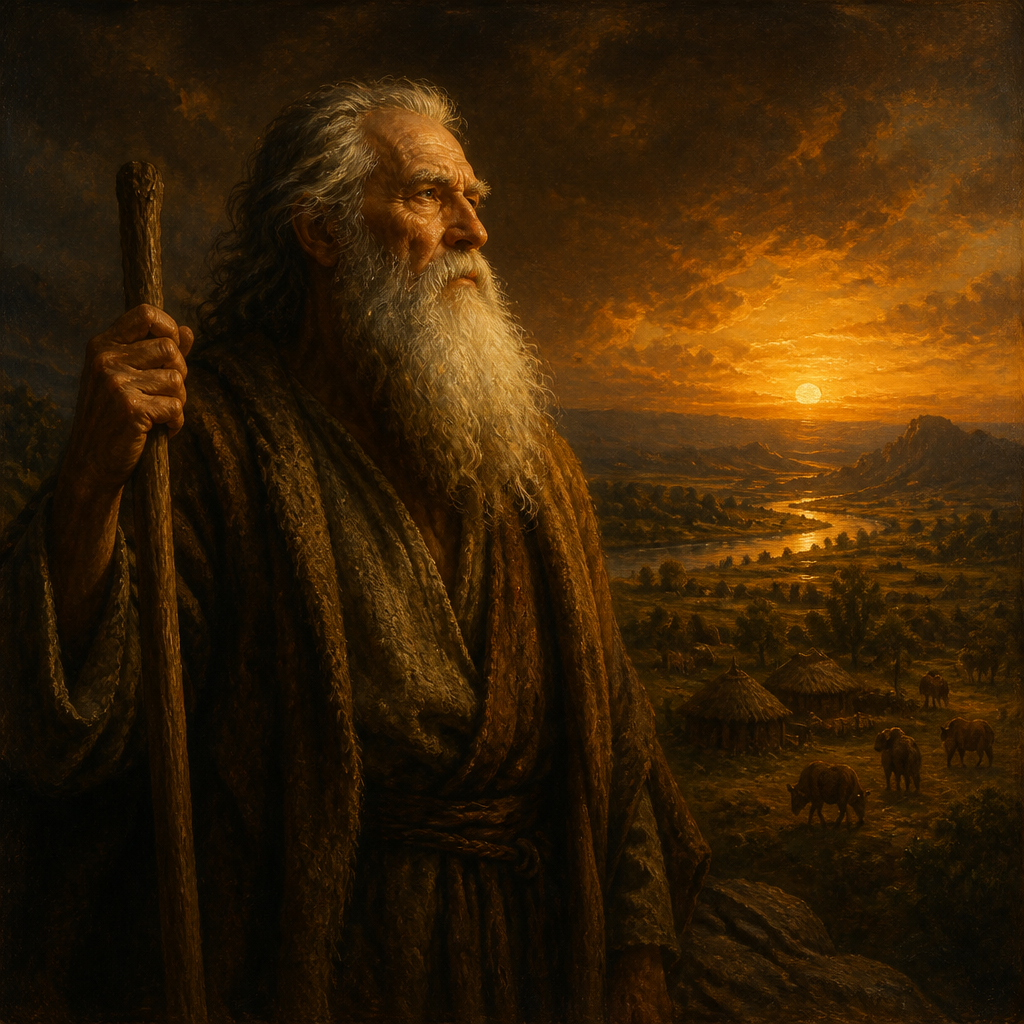
Jared
Second-longest-living person in the Bible at 962 years
Jared was a descendant of Seth and the father of Enoch, noted for his extraordinary lifespan of 962 years during the antediluvian period.

Kenan
Antediluvian patriarch of extreme longevity in Seth’s lineage
Kenan was a pre-Flood patriarch in the line of Seth, the son of Enosh and the great-grandson of Adam.

Lamech
Noah’s father who prophesied that his son would bring humanity comfort
Lamech was the son of Methuselah and the father of Noah, known for his prophecy regarding his son providing comfort from the cursed ground.

Mahalalel
Fifth patriarch in the line of Seth known for his 895-year lifespan
A patriarch of the antediluvian period and the fifth name in the genealogical line from Adam through Seth.

Methuselah
The longest-lived human in the Bible (969 years)
Methuselah was a biblical patriarch of the line of Seth, famously known for being the longest-lived human being in the Bible, reaching the age of 969 years.