Mahalalel
A patriarch of the antediluvian period and the fifth name in the genealogical line from Adam through Seth.
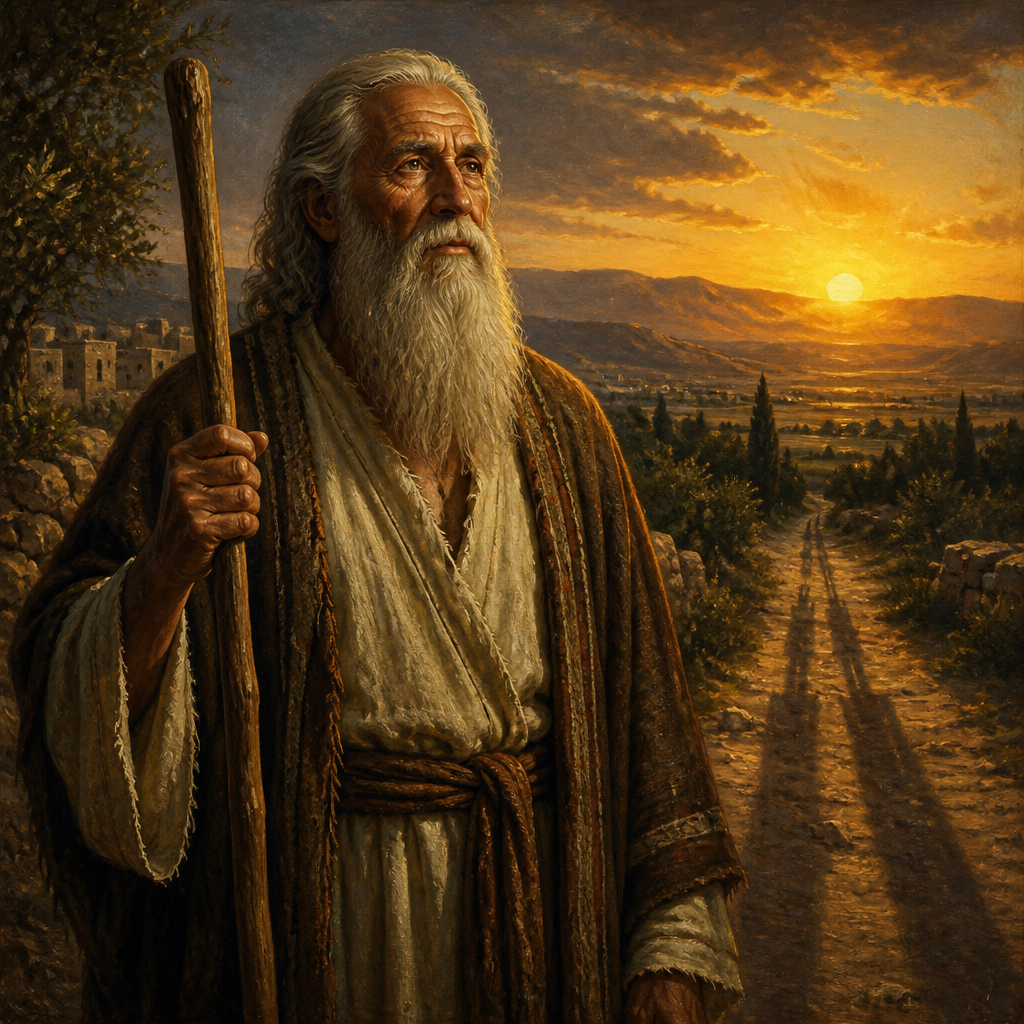
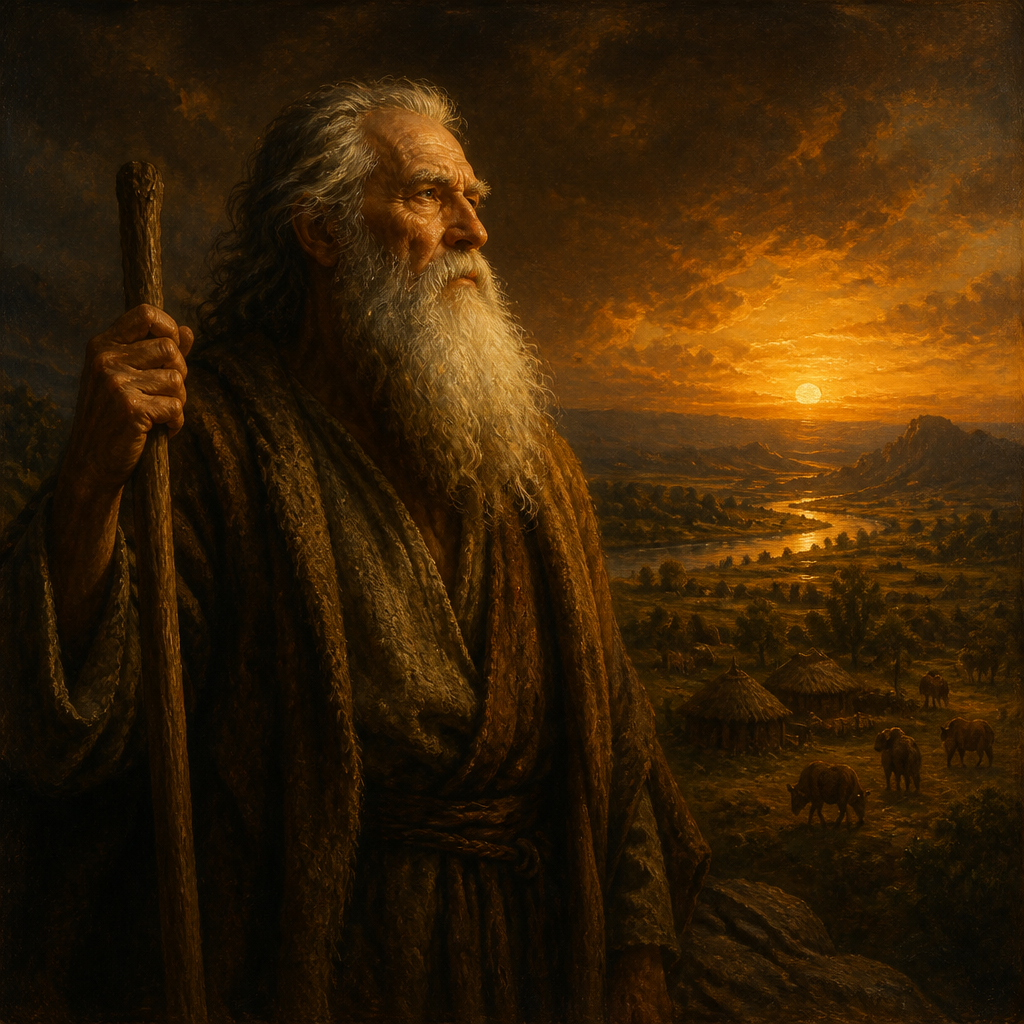
Mahalalel was a pre-Flood patriarch mentioned in the Book of Genesis and the First Book of Chronicles. His life spans the era of the 'longevity of the fathers,' a period characterized by human life spans reaching nearly a millennium. As the son of Kenan and the father of Jared, Mahalalel occupies a critical position in the ancestral chain connecting the first man, Adam, to the survivor of the global deluge, Noah.
His role in the biblical narrative is primarily genealogical, serving as a vital link in the preservation of the messianic line. While the biblical text provides few narrative details about his personal deeds, his inclusion in the 'Toledot' (generations) of Genesis 5 establishes him as a significant figure in the primeval history of mankind and the theological development of the Judeo-Christian tradition.
Background and Family
Mahalalel appears in the biblical record as the fifth generation from Adam. According to the chronological framework provided in Genesis 5, he was born when his father, Kenan, was seventy years old. The text follows the formal structure of antediluvian genealogies: 'When Kenan had lived 70 years, he became the father of Mahalalel. After he became the father of Mahalalel, Kenan lived 840 years and had other sons and daughters' (Genesis 5:12–13).
The name Mahalalel is traditionally interpreted from the Hebrew roots halal (to praise) and El (God), commonly translated as 'Praise of God' or 'God who is Praised.' This etymological connection suggests a cultural or familial emphasis on the worship of the Creator during an era that later scriptures describe as increasingly prone to wickedness. In the Septuagint (the Greek translation of the Old Testament), his name is rendered as Maleleel, a spelling that is also reflected in the New Testament genealogy of Jesus.
Major Life Events
The life of Mahalalel is marked by the distinct longevity of the antediluvian period. The Masoretic Text records that Mahalalel lived for a total of 895 years. At the age of sixty-five, he fathered his primary heir, Jared. Following the birth of Jared, Mahalalel lived for another 830 years, during which time he fathered numerous other sons and daughters whose names are not recorded in the canonical text.
His death occurred approximately 1,290 years after the creation of Adam, according to the standard Ussher chronology. Notably, Mahalalel’s life overlapped significantly with his ancestors and descendants. He lived concurrently with Adam for 465 years and remained alive during the early life of Enoch, the man who 'walked with God.' This overlapping of generations was crucial for the oral transmission of the history of creation and the promises of God to the early human family.
Relationship to Other Biblical Figures
Mahalalel is a central figure in the Sethite line, which the Bible distinguishes from the line of Cain. While the Cainite line became associated with the development of city-building, metalworking, and eventual moral decay, the line of Seth—including Mahalalel—is presented as the lineage that 'began to call on the name of the Lord' (Genesis 4:26).
As the grandfather of Enoch and the great-great-grandfather of Noah, Mahalalel stands as a progenitor of the righteous remnant. In the New Testament, Specifically in Luke 3:37-38, Mahalalel is listed in the genealogy of Jesus Christ. This inclusion is significant because it validates his historical role within the biblical framework of salvation history, showing that the line of the Messiah can be traced back through Mahalalel directly to Adam and finally to God.
Spiritual Significance
Theologically, Mahalalel represents the endurance of the human race under the original blessing and the looming curse of mortality. His life, while exceptionally long by modern standards, still concludes with the rhythmic and sobering repetition of the Genesis narrative: 'and he died.' This underscores the biblical theme that even the most venerable of the patriarchs were subject to the consequences of the Fall.
However, his name itself—'Praise of God'—serves as a linguistic beacon in the genealogical lists. In a narrative that often focuses on the increase of human violence and the distance between man and God, Mahalalel’s presence serves as a reminder of the continued existence of a people committed to acknowledging the divine. In later mystical traditions and the extra-biblical Book of Enoch, Mahalalel is sometimes depicted as a recipient of visions or a witness to the changing state of the earth, though these accounts are not considered canonical. To the biblical reader, he remains a symbol of faithfulness across the vast span of the pre-flood centuries, ensuring the survival of the human family until the time of Noah.
Spiritual Significance
Mahalalel's primary significance lies in his role as a link in the 'seed' of the woman promised in Genesis 3:15. By maintaining the succession from Seth to Noah, he ensures the continuity of the human race and the specific lineage that would eventually produce the Messiah. His inclusion in Luke’s genealogy of Jesus affirms the historical reality of the antediluvian patriarchs in Christian theology.
Furthermore, Mahalalel serves as a representative of the 'World Before,' a time of immense human vitality and longevity. His life illustrates the biblical concept that God preserved a specific line of descent despite the rising tide of corruption. He is a testament to the preservation of the promise of redemption through the darkest periods of early human history.
Frequently Asked Questions
How long did Mahalalel live?
According to Genesis 5:17, Mahalalel lived for a total of 895 years, making him one of the longest-lived individuals mentioned in the Bible.
What does the name Mahalalel mean?
The name is derived from two Hebrew words: 'mahalal' (praise or shine) and 'El' (God), usually translated as 'Praise of God'.
Who was Mahalalel's father?
Mahalalel was the son of Kenan, who was the son of Enosh, who was the son of Seth.
Is Mahalalel mentioned in the New Testament?
Yes, he is mentioned in Luke 3:37 (as Maleleel) in the genealogy of Jesus, tracing Christ's ancestry back to Adam.
Did Mahalalel die before the Great Flood?
Yes, based on the biblical timeline, Mahalalel died several centuries before the Flood of Noah occurred.