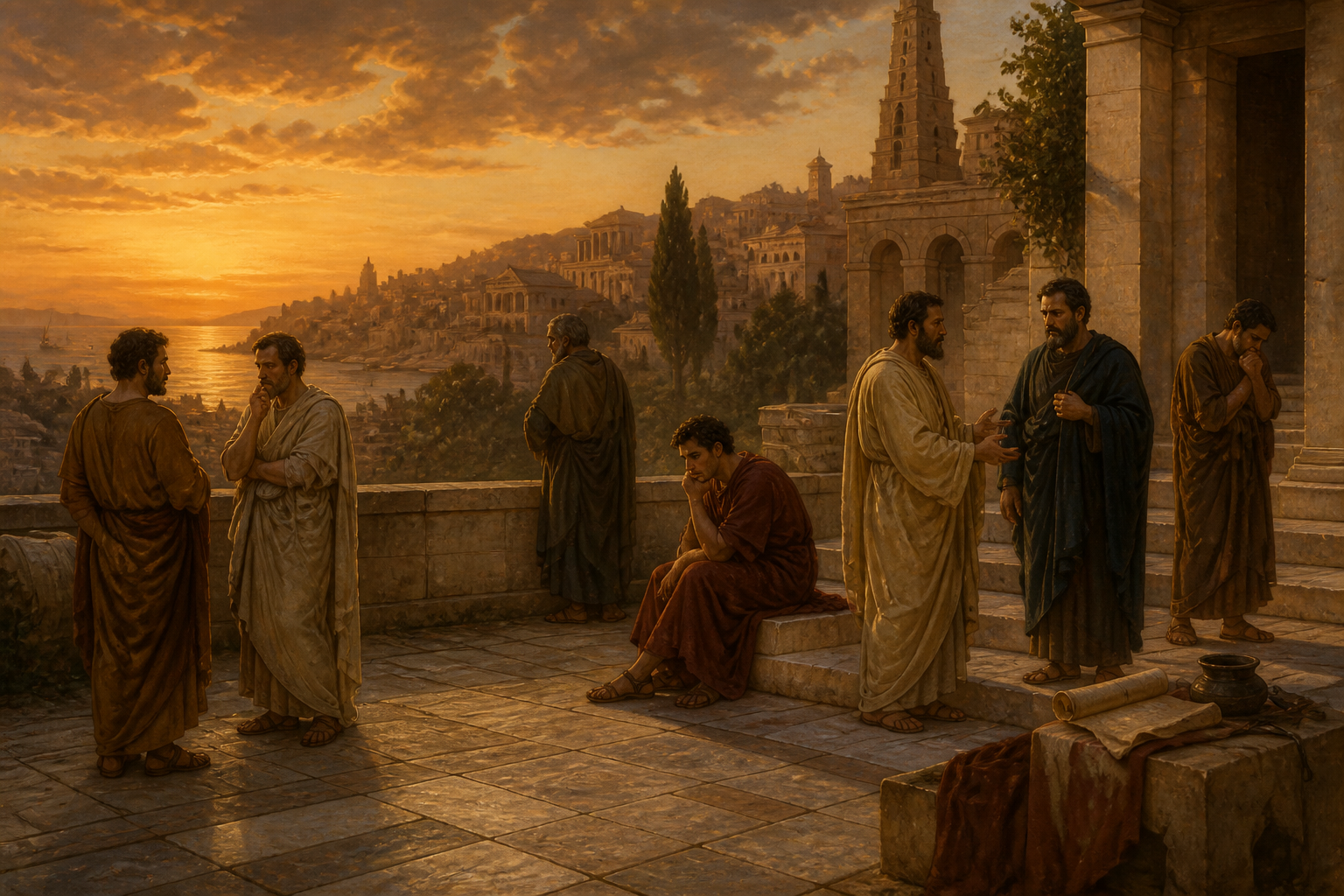
Questionable Professors of Faith
A collective of early church figures noted in the Pauline and Johannine epistles for their apostasy, personal rivalries, or desertion.
“…having a appearance of godliness, but denying its power. Avoid such people.” — 2 Timothy 3:5
The 'Questionable Professors of Faith' is a designation used by biblical scholars to categorize several individuals mentioned in the New Testament who, despite having initial associations with the apostolic inner circle, ultimately subverted the Christian mission. These figures are primarily identified in the pastoral epistles of Paul and the general epistles of John. Unlike the primary antagonists of the early church—such as the Roman Emperors or the Jewish Sanhedrin—these individuals emerged from within the ecclesiastical structure, representing an internal threat that contemporary authors viewed as particularly corrosive to the gospel’s advancement.
The historical context of these men—including Alexander the Coppersmith, Phygelus, Hermogenes, and Demas—is rooted in the mid-to-late 1st Century AD, a period defined by intense persecution and theological stabilization. Their actions ranged from social abandonment in times of crisis to active doctrinal subversion and the assertion of personal ego over church order. The inclusion of these figures in the biblical canon serves a rhetorical and administrative purpose, providing the early Christian community with archetypes of infidelity and cautioning future generations against the 'love of the present world' or the pursuit of 'empty conceit.'
These individuals matter to the historical record because they provide a realistic, unvarnished view of the Early Church. Rather than presenting a monolithic, idealized community, the New Testament documents deep interpersonal fractures, legal disputes, and the constant pressure of syncretism. Figures like Diotrephes illustrate the early struggles with localized church authority, while the unnamed preachers of envy mentioned in Philippians demonstrate that the apostolic era was marked by complex motives. Their legacies remain as case studies in the tension between individual ambition and the communal ethics of the early Christian faith.
The group
Questionable Professors of Faith

Alexander the Coppersmith
Apostate who caused the Apostle Paul great harm and opposed the gospel
A metalworker who apostatized from the Christian faith and became a prominent adversary of the Apostle Paul during his later ministry.

The Believing Pharisees at Jerusalem
Pharisees who became genuine believers yet urged circumcision and Torah observance for Gentile converts
A group of Jewish Christians in Jerusalem — genuine believers from the sect of the Pharisees — who urged that Gentile converts be circumcised and taught to keep the Law of Moses (Acts 15:5).
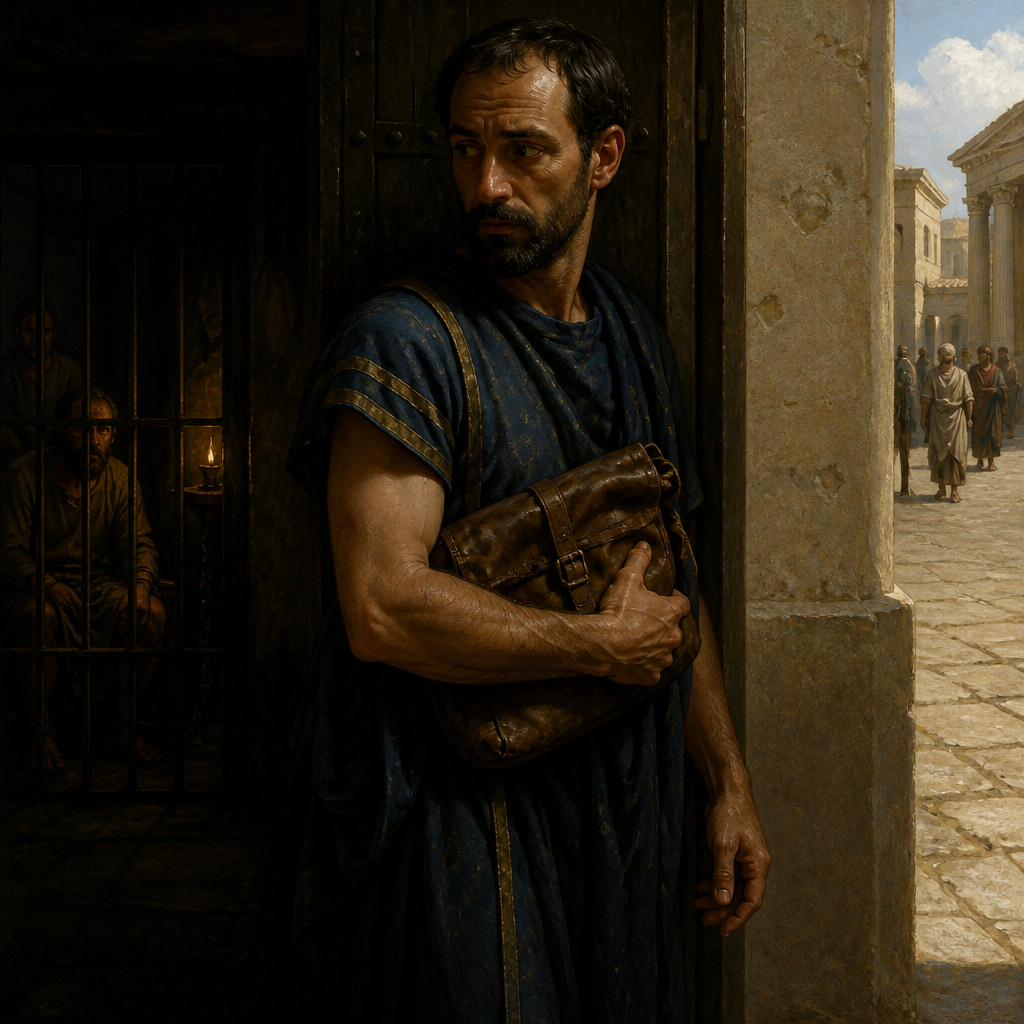
Demas
Companion of Paul who abandoned him for love of the world
A companion and fellow-worker of the Apostle Paul who ultimately abandoned the Christian ministry because of his love for the present world.
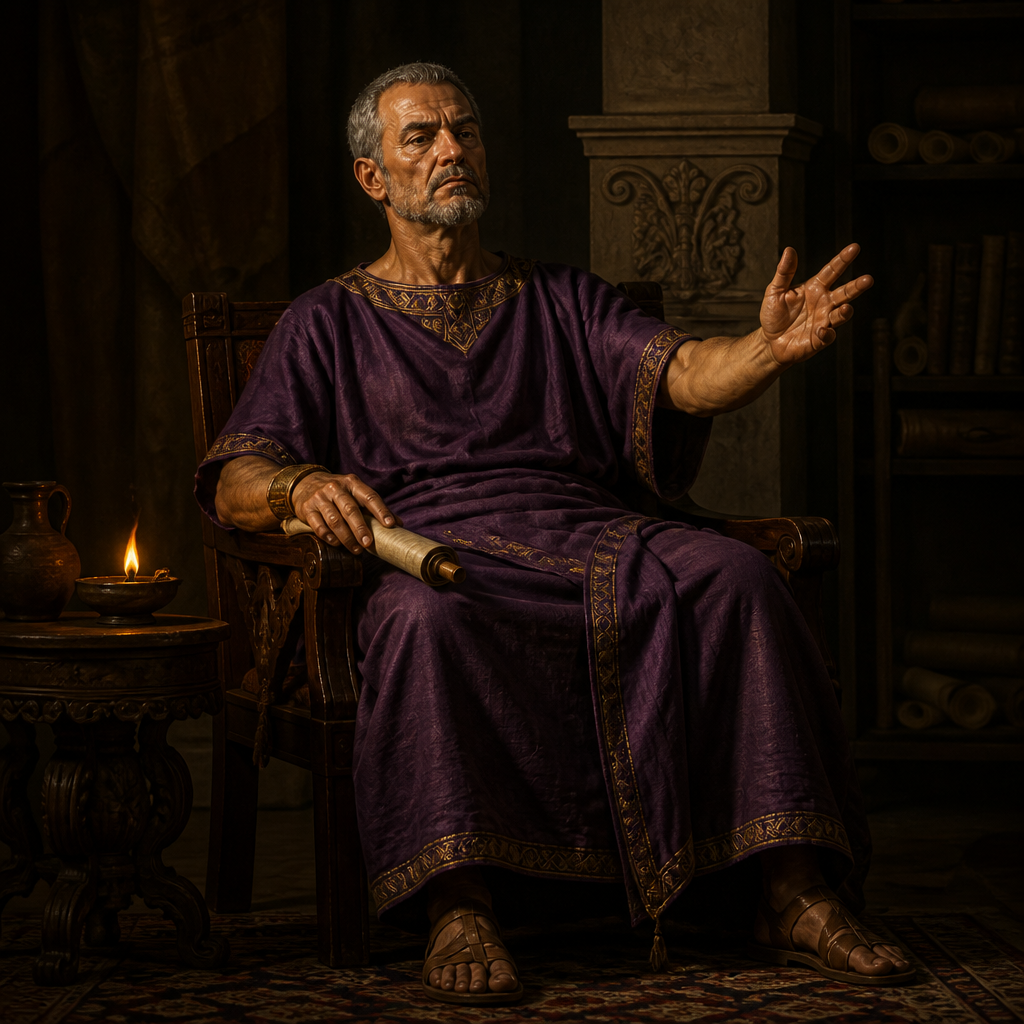
Diotrephes
Local church leader who pridefully rejected the Apostle John's authority and excommunicated faithful believers
An early church official condemned by the Apostle John for his prideful self-exaltation and refusal to welcome traveling missionaries.
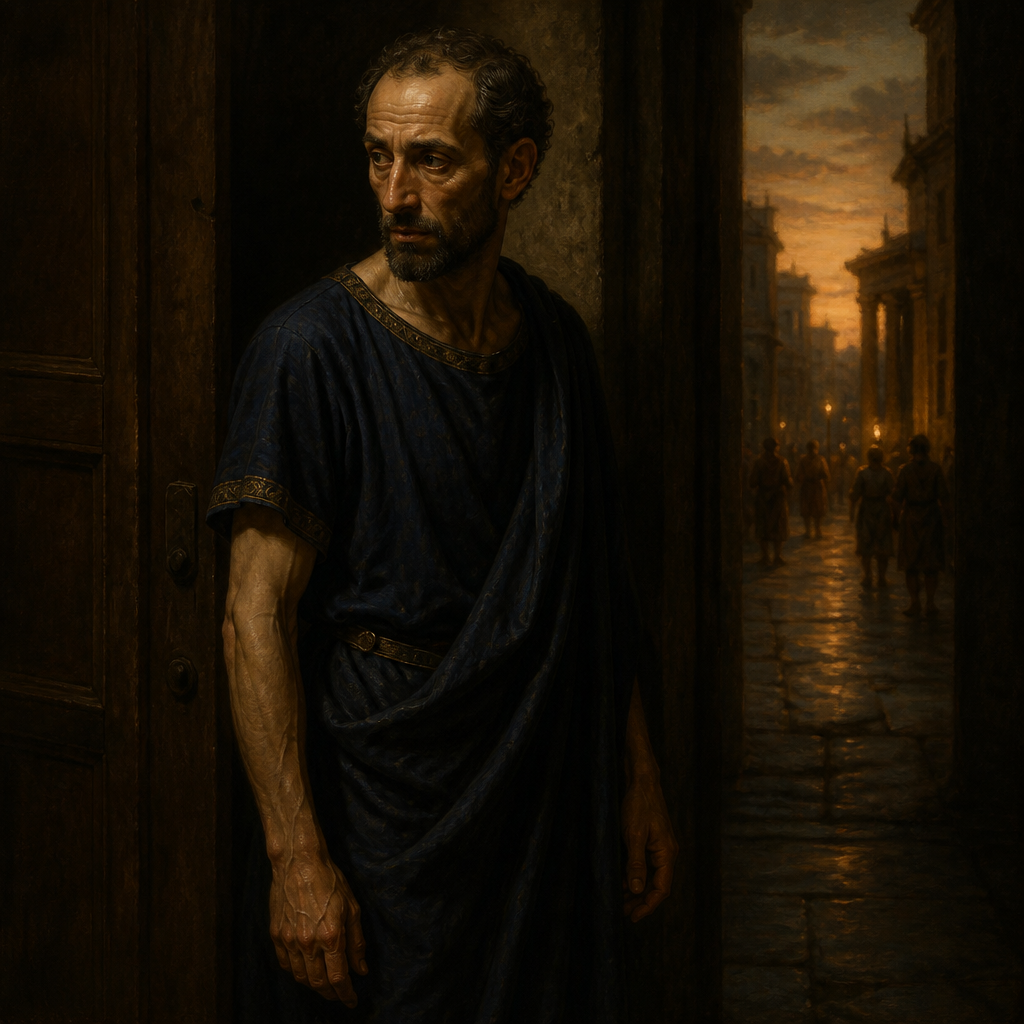
Hermogenes
Professor of faith who deserted the Apostle Paul
A believer in Roman Asia who abandoned the Apostle Paul during his final imprisonment in Rome, becoming a symbol of apostasy and desertion.
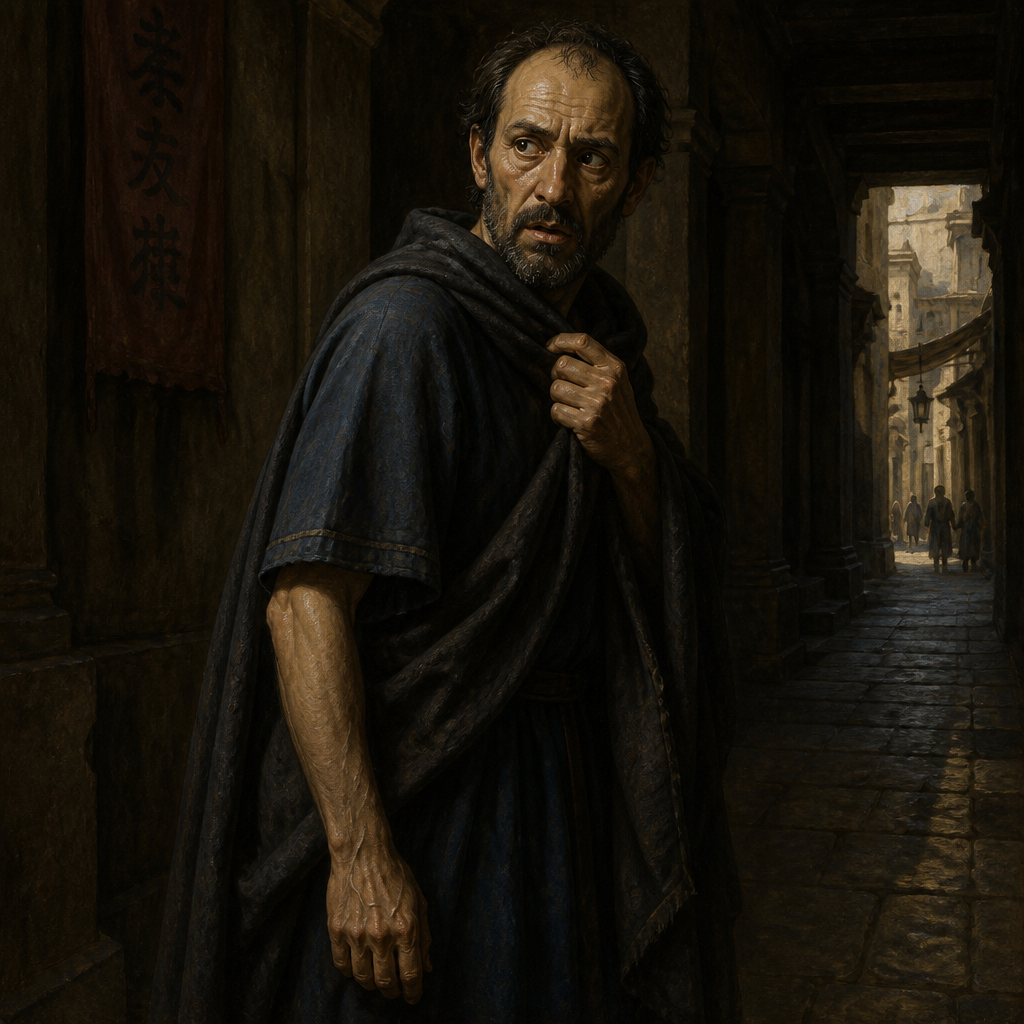
Phygelus
associate of Paul who deserted him during his final Roman imprisonment
A believer in Asia Minor who deserted the Apostle Paul during his final imprisonment in Rome, becoming a symbol of apostasy and the fear of persecution.

The Preachers of Envy and Rivalry
Preachers in Rome who sought to harm Paul’s reputation through competitive ministry
An anonymous group of first-century Christian teachers in Rome who preached the Gospel from motives of jealousy and partisan strife rather than sincerity.
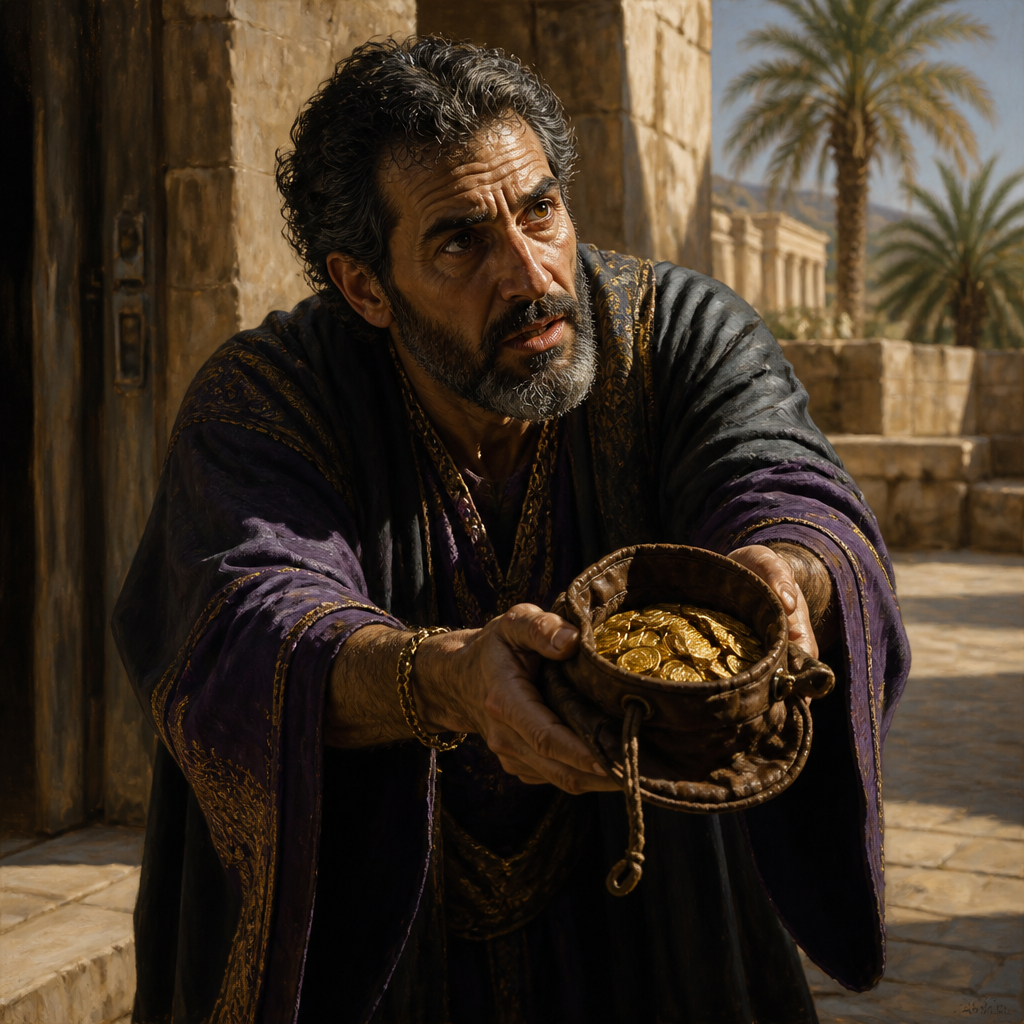
Simon Magus
Sorcerer who attempted to buy the gift of the Holy Spirit from the apostles
A practitioner of sorcery in Samaria who claimed to be a great power and attempted to buy the ability to bestow the Holy Spirit from the apostles.