Simon Magus
A practitioner of sorcery in Samaria who claimed to be a great power and attempted to buy the ability to bestow the Holy Spirit from the apostles.
Simon Magus, commonly known as Simon the Sorcerer, was a figure of significant notoriety in the early Christian church. Operating in Samaria during the 1st century AD, Simon gained fame through his practice of magic arts, leading many people to believe he was a divine manifestation. His story is centered on a confrontation in the city of Samaria following the arrival of the evangelist Philip and later the apostles Peter and John.
Historically, Simon is noted for his complex relationship with the burgeoning Christian faith. While he initially professed belief and was baptized, his subsequent actions—specifically his attempt to purchase spiritual authority—led to a stern rebuke from Peter. This encounter not only provided a cautionary tale regarding the nature of true conversion but also gave rise to the term 'simony' in ecclesiastical history, referring to the illicit buying or selling of church offices or spiritual privileges.
Background and Family
Simon Magus resided in the region of Samaria during the mid-1st century AD. While the biblical text in Acts 8 provides no genealogical details or specific family lineage, it highlights his social standing as a prominent and influential practitioner of magic. For a significant period, Simon had held the Samaritan population in thrall, performing wonders that led the locals to proclaim, "This man is the divine power known as the Great Power" (Acts 8:10). His influence was so pervasive that it spanned all social strata, from the least to the greatest.
The historical context of Samaria at this time was one of religious syncretism. Following the Assyrian conquest centuries earlier, the region had developed a unique religious identity that blended Mosaic law with foreign influences. In this environment, a figure like Simon could easily ascend to a position of quasi-religious leadership by leveraging supernatural displays and charismatic claims.
Major Life Events
The primary account of Simon's life begins with the arrival of Philip the Evangelist in Samaria. Following the persecution in Jerusalem that erupted after the martyrdom of Stephen, Philip traveled north to preach Christ. As Philip performed genuine miracles—healing the paralyzed and casting out demons—the Samaritans shifted their allegiance from Simon's sorcery to the message of the Gospel. Recognizing the superior power manifested through Philip, Simon himself believed and was baptized. Following his baptism, he followed Philip everywhere, astonished by the great signs and miracles he saw.
The climax of Simon’s biblical narrative occurs when the apostles Peter and John arrived from Jerusalem to oversee the work in Samaria. Upon their arrival, they prayed for the new believers and laid hands on them, resulting in the visible reception of the Holy Spirit. Seeing this, Simon was gripped by a desire to possess such authority. He offered the apostles money, saying, "Give me also this ability so that everyone on whom I lay my hands may receive the Holy Spirit" (Acts 8:19).
Peter’s response was a blistering condemnation: "May your money perish with you, because you thought you could buy the gift of God with money!" (Acts 8:20). Peter asserted that Simon had no part in this ministry because his heart was not right before God, describing him as being "full of bitterness and captive to sin." Shaken by this judgment, Simon pleaded with the apostles to pray for him so that the threatened consequences might not befall him. This is where the biblical narrative of Simon Magus ends, leaving his ultimate spiritual fate ambiguous.
Relationship to Other Biblical Figures
Simon’s interactions were limited to the leaders of the early church. His relationship with Philip was that of a fascinated observer; Simon followed Philip not necessarily out of a desire for discipleship, but out of amazement at the "megalae dynameis" (great powers) Philip displayed.
His relationship with Peter and John was confrontational and corrective. While Philip likely welcomed Simon as a genuine convert, Peter’s Apostolic discernment identified the persistent idolatry and greed within Simon’s heart. In the broader context of the New Testament, Simon serves as a foil to the true apostles. While the apostles sought to glorify Christ through the Spirit’s power, Simon sought to commodify that power for personal prestige.
Spiritual Significance
The spiritual significance of Simon Magus lies in his role as a prototype for false conversion and the corruption of spiritual office. He represents those who are attracted to the outward manifestations of faith—the miracles, the community, and the influence—without undergoing an inward transformation of the heart. The Holy Spirit is presented in this narrative as a sovereign gift of God that cannot be controlled, manipulated, or purchased by human effort.
Furthermore, the "sin of Simon" (simony) remained a major theological concern in the centuries following the apostolic age. Simon Magus serves as a perpetual warning against the temptation to use the church as a vehicle for personal ambition or financial gain. His story underscores the necessity of repentance and the purity of motive required for those who would participate in the ministry of the Gospel.
Spiritual Significance
Simon Magus is teologically significant as the biblical source for the concept of 'simony,' the attempt to trade sacred things for secular currency. His narrative in the Book of Acts serves as a critical boundary-marker for the early church, distinguishing between true spiritual empowerment and the pagan tradition of magic and self-exaltation. Through Peter's rebuke of Simon, the New Testament establishes that the gifts of the Holy Spirit are given by grace and cannot be treated as a commodity.
His story also illustrates the complexities of the early mission to the Samaritans. It demonstrates that while baptism is an outward sign of faith, it does not mechanically guarantee a right heart before God. Simon’s plea for Peter to intercede for him highlights the authority of the apostles in the early church and the terrifying reality of divine judgment on those who would attempt to corrupt the Spirit’s work.
Frequently Asked Questions
What is the meaning of the name 'Magus'?
The word 'Magus' is a Latinized form of the Greek 'magos,' meaning a sorcerer, magician, or practitioner of the occult arts.
Did Simon Magus actually become a Christian?
The Bible says Simon 'believed and was baptized,' but Peter later stated his heart was 'not right before God' and he was 'captive to sin.' This suggests his faith may have been superficial or based on a desire for power rather than repentance.
What is 'simony'?
Named after Simon Magus, simony is the act of buying or selling church offices, roles, or spiritual privileges, which was a major issue in medieval church history.
What happened to Simon Magus after Acts 8?
The Bible does not say. While early church fathers like Irenaeus and Justin Martyr wrote extensively about his later life as a heretic, the biblical record ends with his request for the apostles to pray for him.
Why did Simon want the power of the Holy Spirit?
Simon was accustomed to being called 'the Great Power.' When he saw the apostles bestowing the Holy Spirit, he likely viewed it as a superior form of magic that would restore his waning influence over the Samaritans.
Connected Figures
Philip the Evangelist
The evangelist who baptized Simon in Samaria
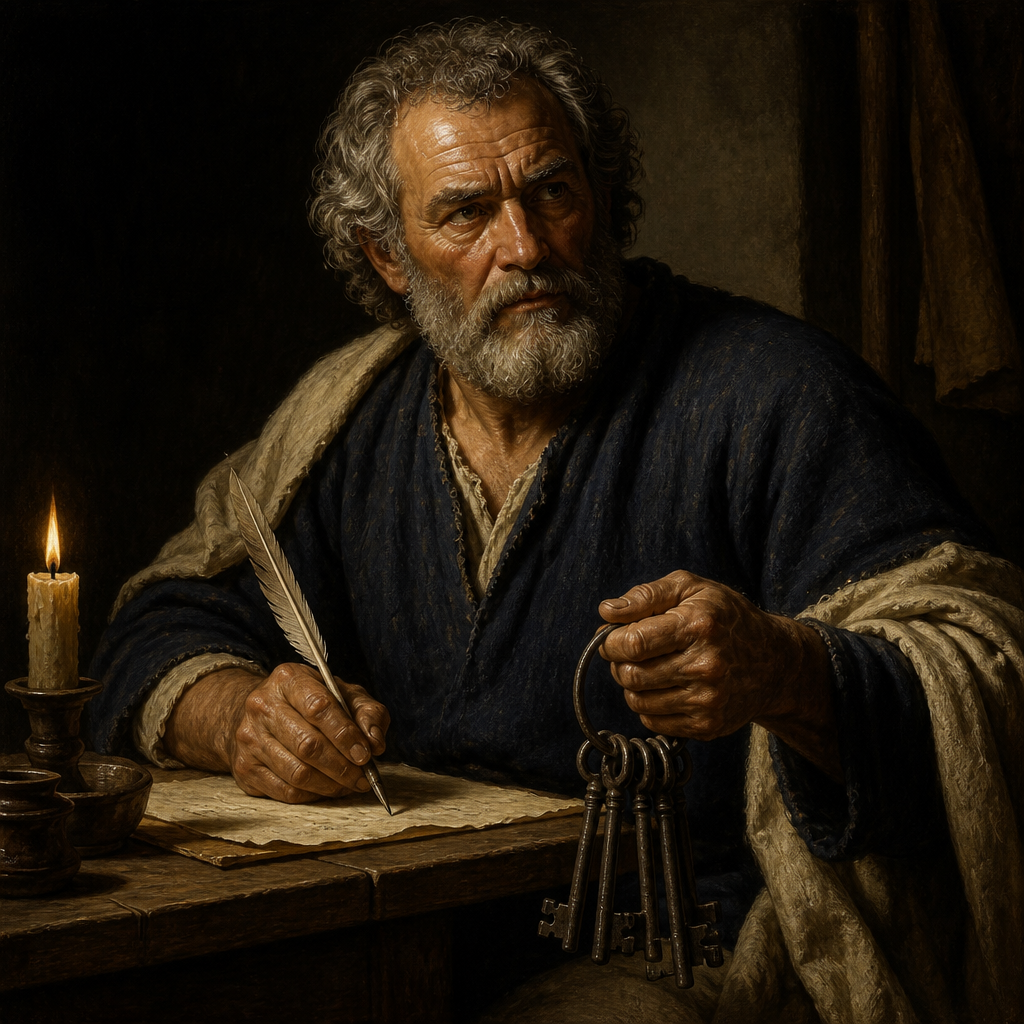
Peter
The apostle who rebuked Simon for his attempt to buy the Spirit
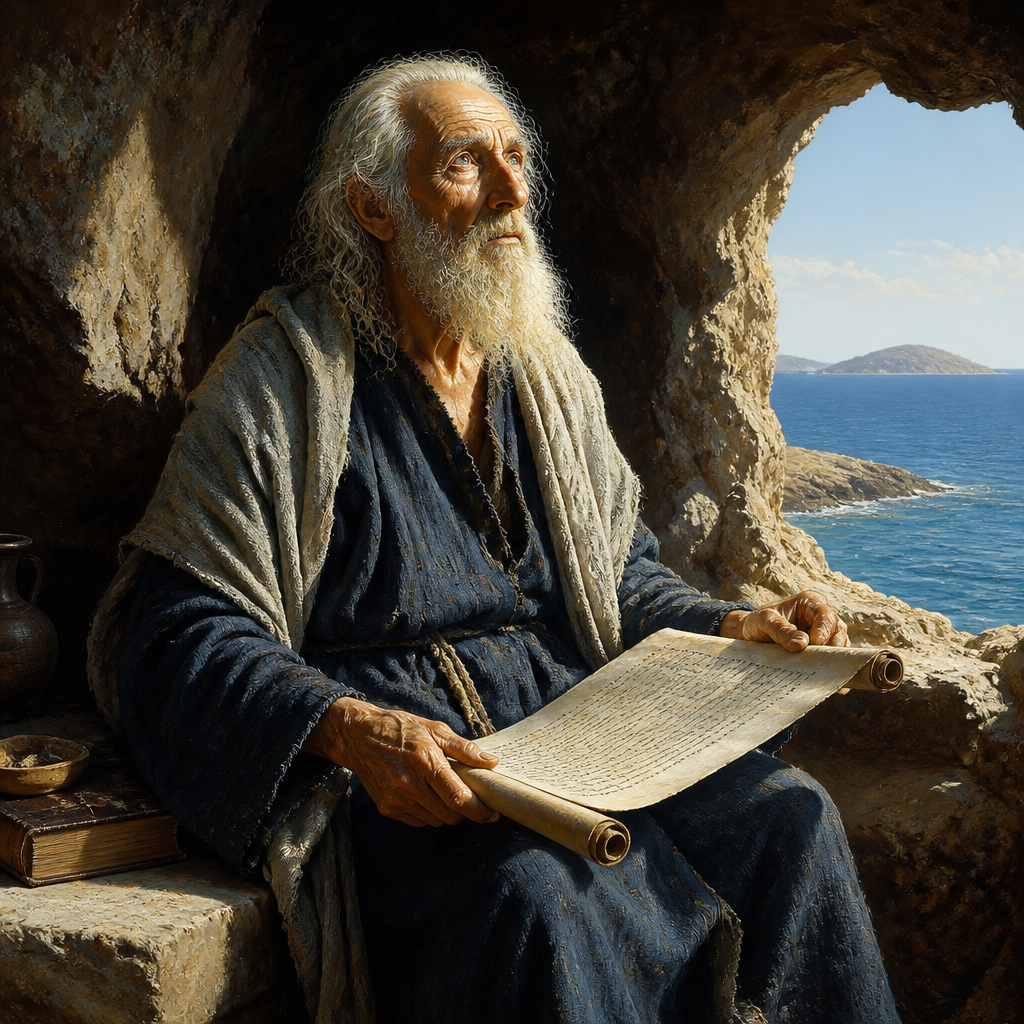
John
The apostle who accompanied Peter to Samaria