Jesus' Apostles
The foundational leaders selected by Jesus of Nazareth to propagate the Christian gospel and establish the early church across the Roman Empire.
“And he appointed twelve (whom he also named apostles) so that they might be with him and he might send them out to preach” — Mark 3:14
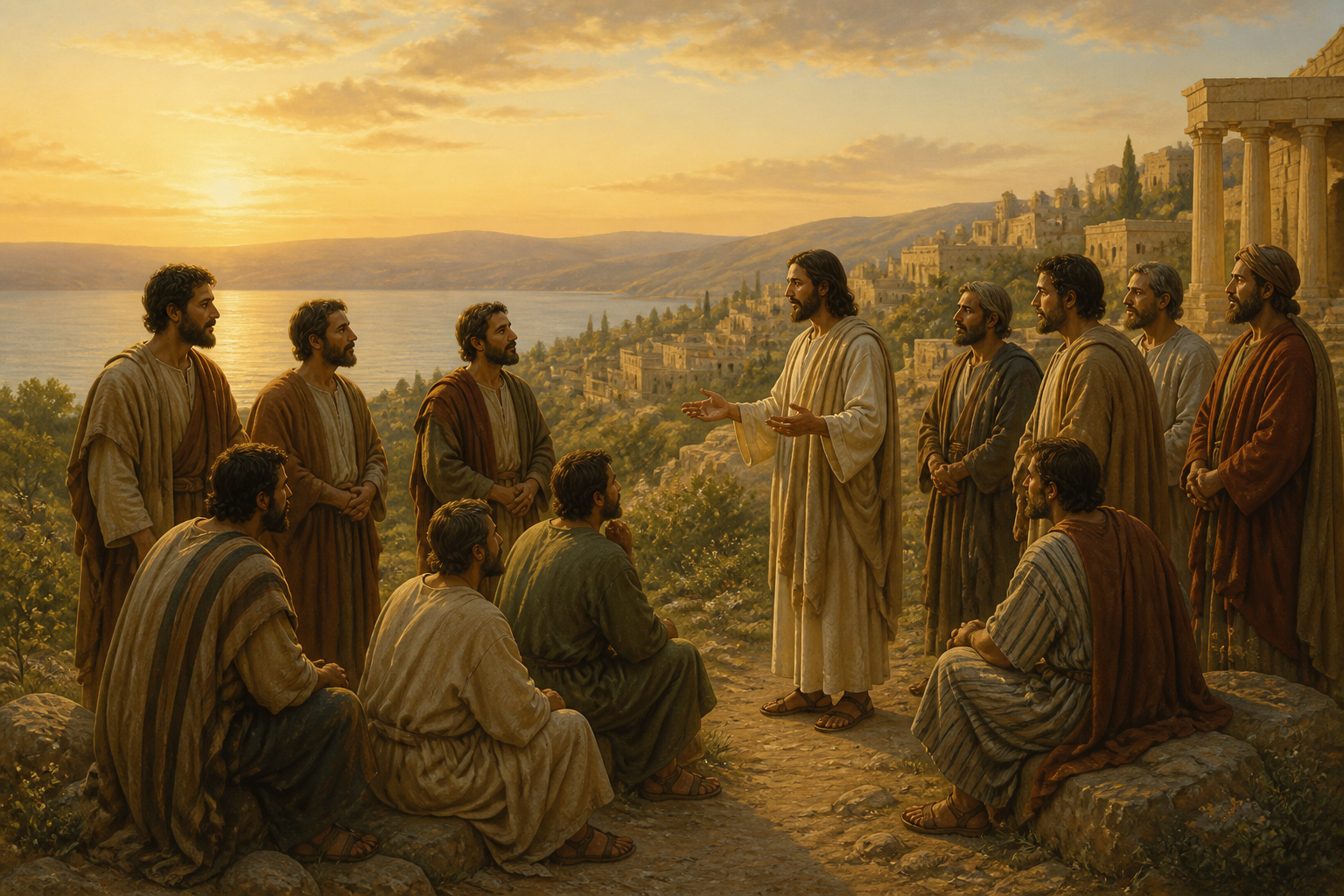
The Apostles, derived from the Greek word 'apostolos' meaning 'one who is sent,' represent the inner circle of followers chosen by Jesus during his Galilean ministry. Initially consisting of the Twelve, a number symbolic of the twelve tribes of Israel, this group was tasked with witnessing Jesus' teachings, his reported resurrection, and the subsequent dissemination of his message. According to the Synoptic Gospels, these men were recruited from various social strata of Judean and Galilean life, including fishermen from the Sea of Galilee and a tax collector, reflecting a diverse cross-section of the local population rather than the established religious elite.
Following the crucifixion and resurrection of Jesus, the role of the Apostles shifted from students to foundational leaders of the nascent Christian movement. While the original group was centered in Jerusalem, the mission rapidly expanded outward. The inclusion of Matthias to replace Judas Iscariot preserved the symbolic number twelve, but the definition of apostleship grew to include figures like Paul of Tarsus, whose specific calling and extensive travels through Asia Minor and Greece were instrumental in transition Christianity from a Jewish sect to a trans-cultural religion. The Acts of the Apostles remains the primary historical and theological source for their activities during the mid-first century AD.
Modern scholarship views the Apostles as the crucial link between the life of the historical Jesus and the institutionalization of the church. Their collective legacy is defined by the accounts of their martyrdom and the canonical writings attributed to them, which form the bulk of the New Testament. Beyond their religious significance, the Apostles influenced the geographical spread of literacy and philosophy throughout the Mediterranean basin, establishing communal networks that would eventually reshape the Roman Empire's cultural and political landscape by the fourth century AD.
The group
Jesus' Apostles

Andrew
Apostle of Jesus and the brother of Simon Peter who was the first to be called by Christ
One of the twelve apostles of Jesus, the brother of Simon Peter, and a former disciple of John the Baptist noted for bridging the gap between individuals and Christ.

Bartholomew
Apostle of Jesus described as an Israelite in whom there is no deceit
One of the Twelve Apostles of Jesus Christ, traditionally identified with Nathanael of Cana and noted for his sincerity and early recognition of Jesus' divinity.
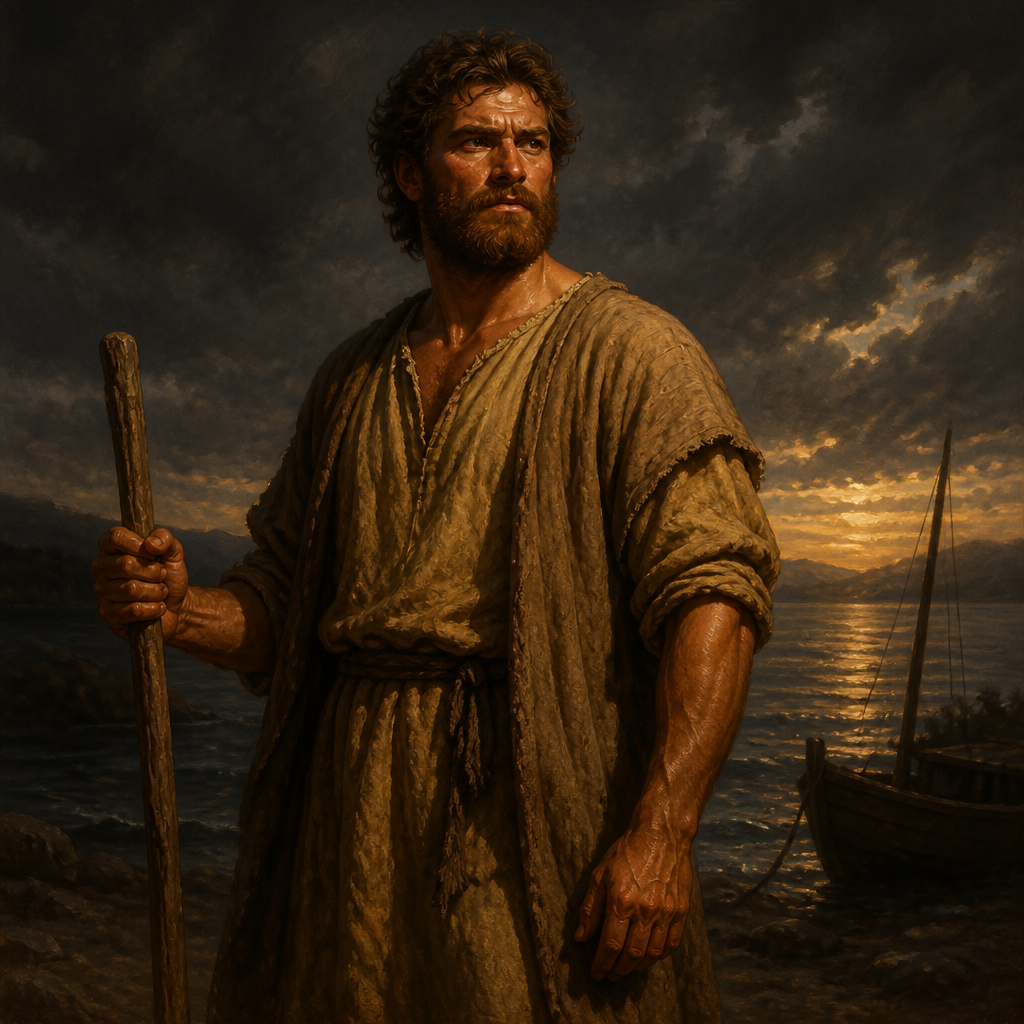
James the Great
Apostle of Jesus and the first of the Twelve to reach martyrdom
One of the Twelve Apostles of Jesus, the son of Zebedee, and the first apostle to suffer martyrdom for the Christian faith.
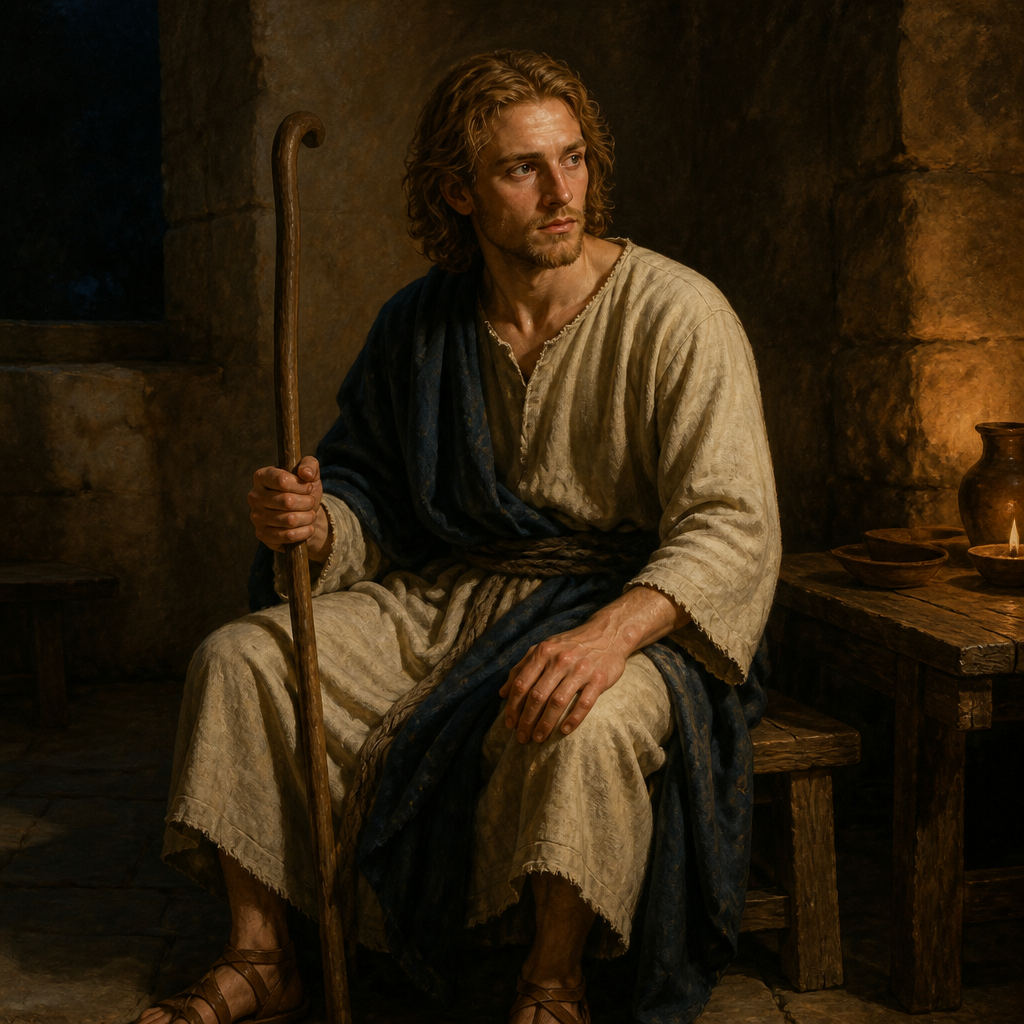
James the Less
Apostle who was the son of Alphaeus and distinct for his smaller stature or younger age
James the Less was one of the twelve original apostles of Jesus Christ, identified as the son of Alphaeus and distinct for his quiet faithfulness within the inner circle.
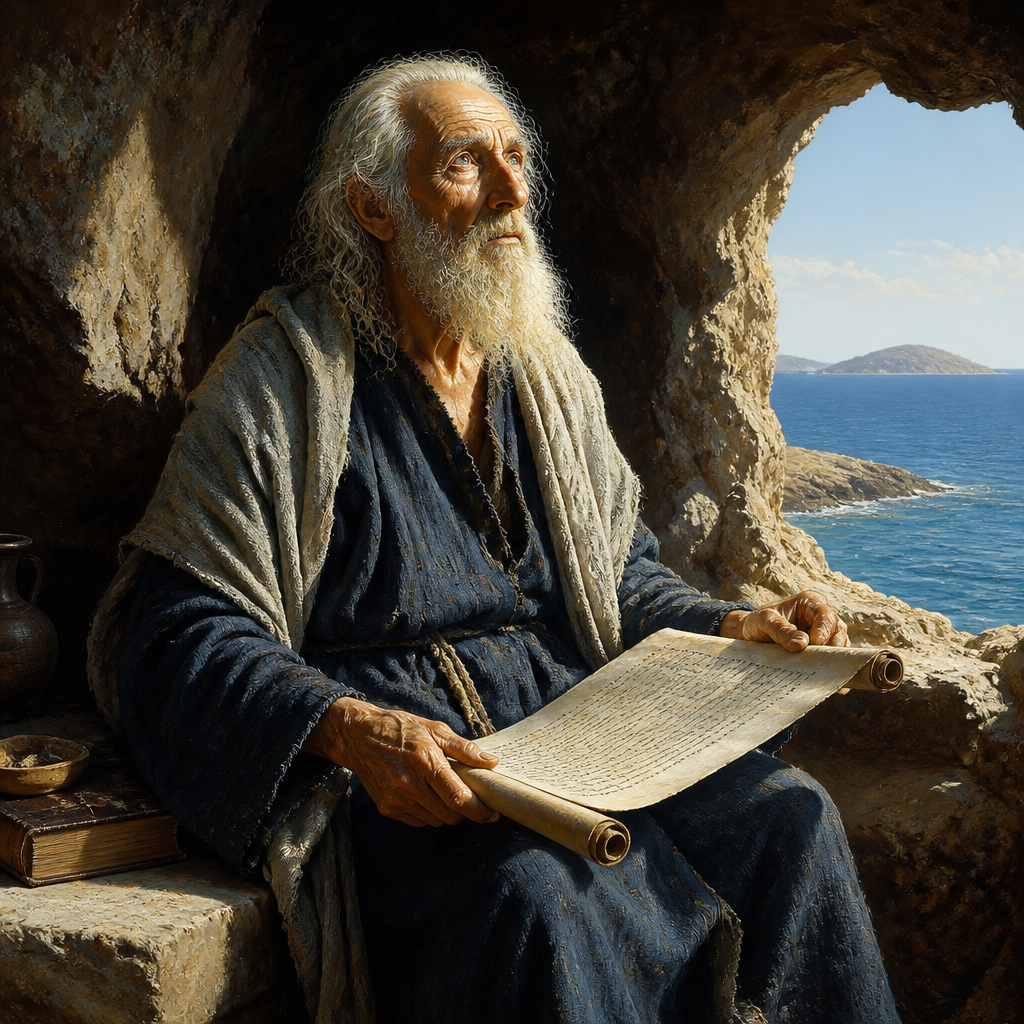
John the Apostle
Apostle of Jesus and the 'Beloved Disciple' who authored the Fourth Gospel
One of the Twelve Apostles, a member of Jesus’ inner circle, and traditionally identified as the 'Beloved Disciple' and the author of several New Testament books.
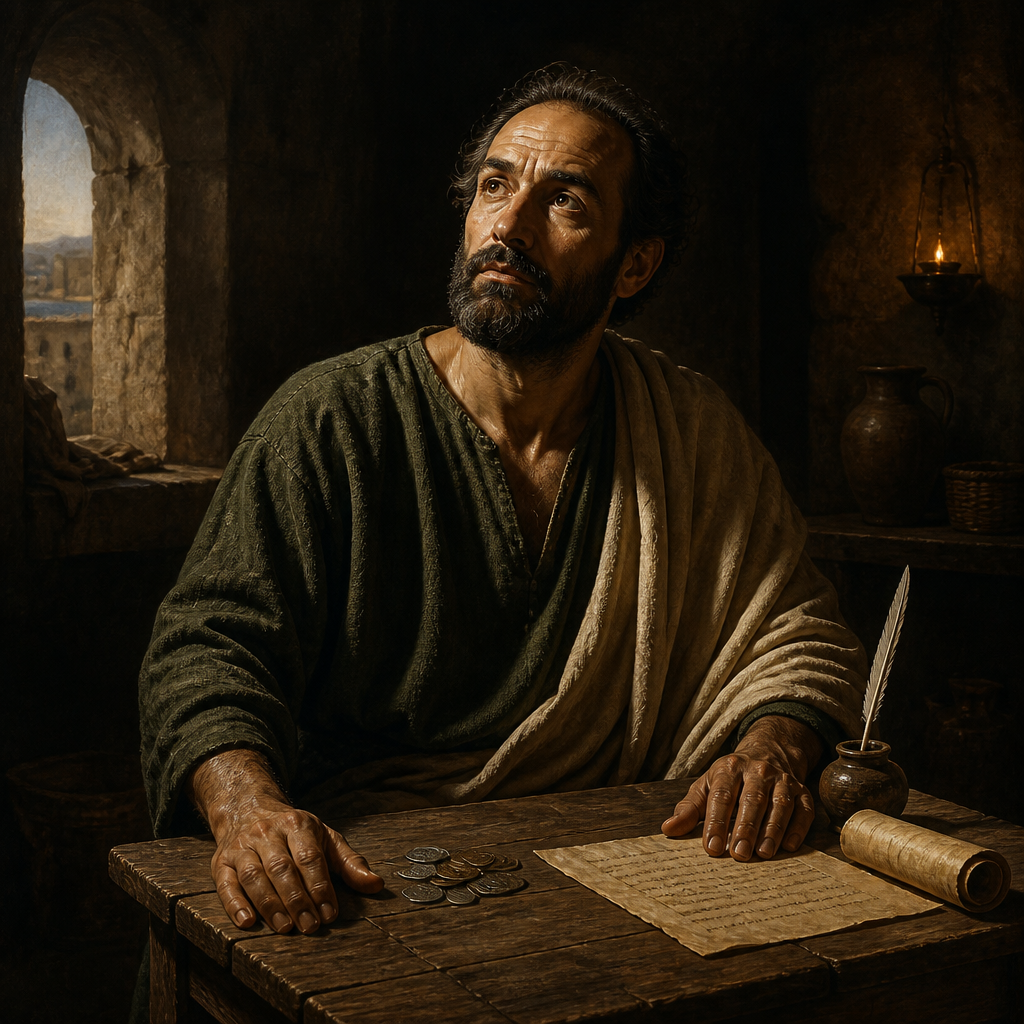
Matthew
Apostle of Jesus and traditional author of the First Gospel
A Galilean tax collector turned apostle of Jesus Christ, traditionally identified as the author of the First Gospel.
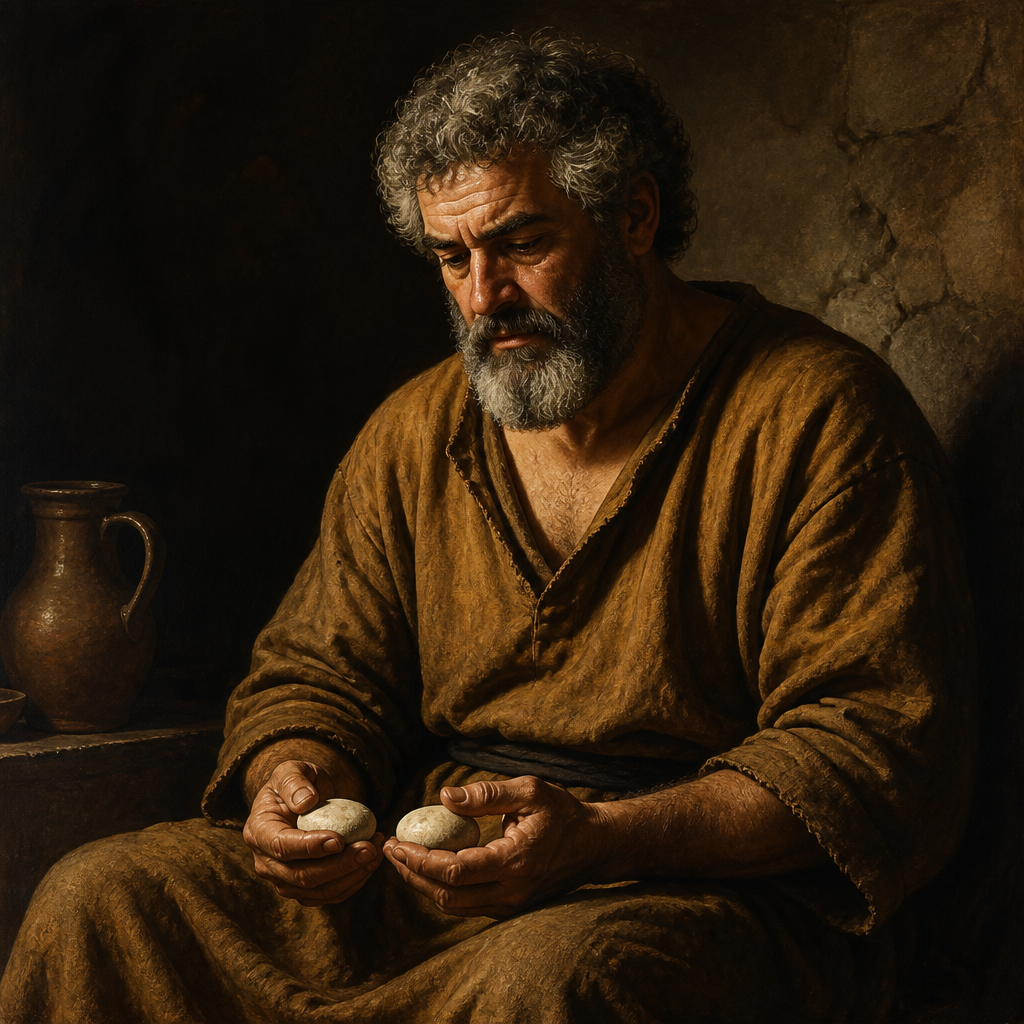
Matthias
Successor to Judas Iscariot among the Twelve Apostles
The disciple chosen by lot to replace Judas Iscariot as one of the Twelve Apostles following the ascension of Jesus Christ.
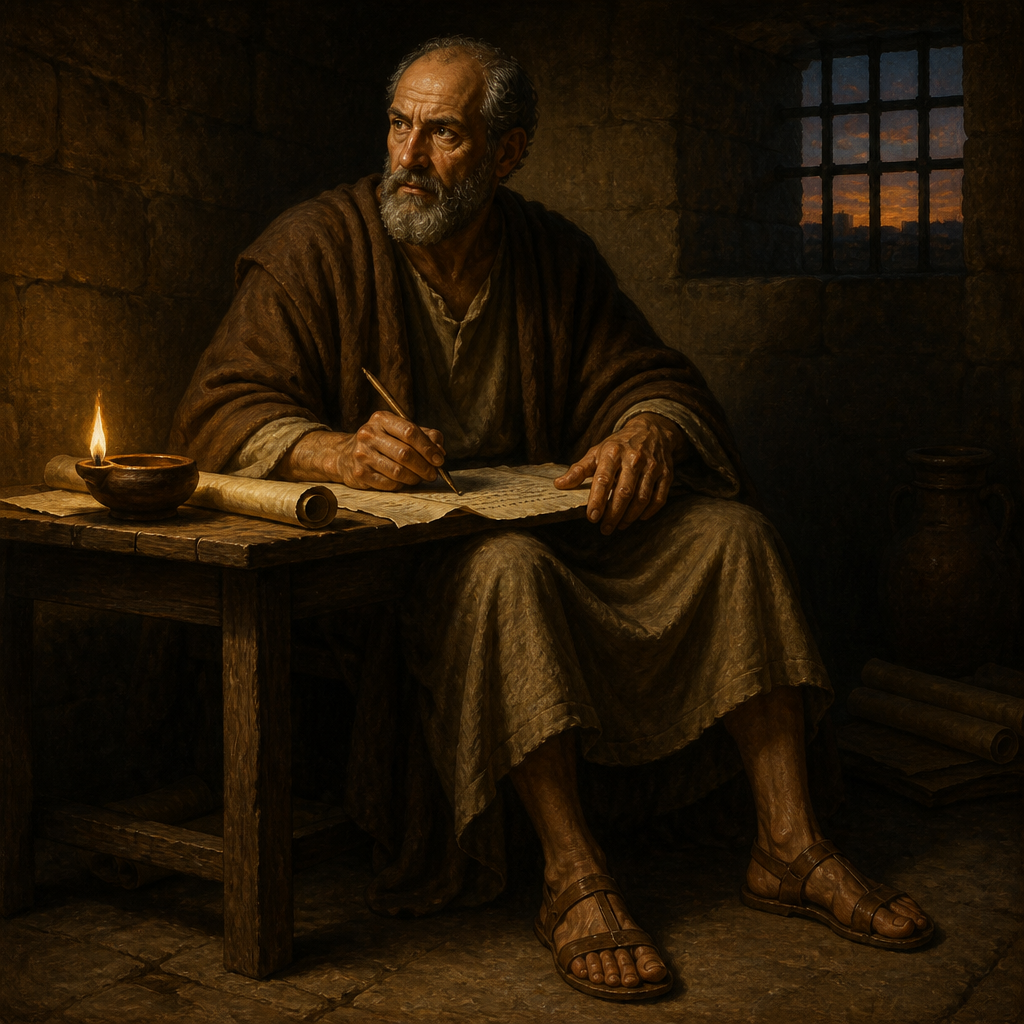
Paul the Apostle
Apostle to the Gentiles who wrote the majority of the New Testament epistles
A pivotal apostle and theologian who converted from Judaism to Christianity, authored much of the New Testament, and pioneered the mission to the Gentiles.
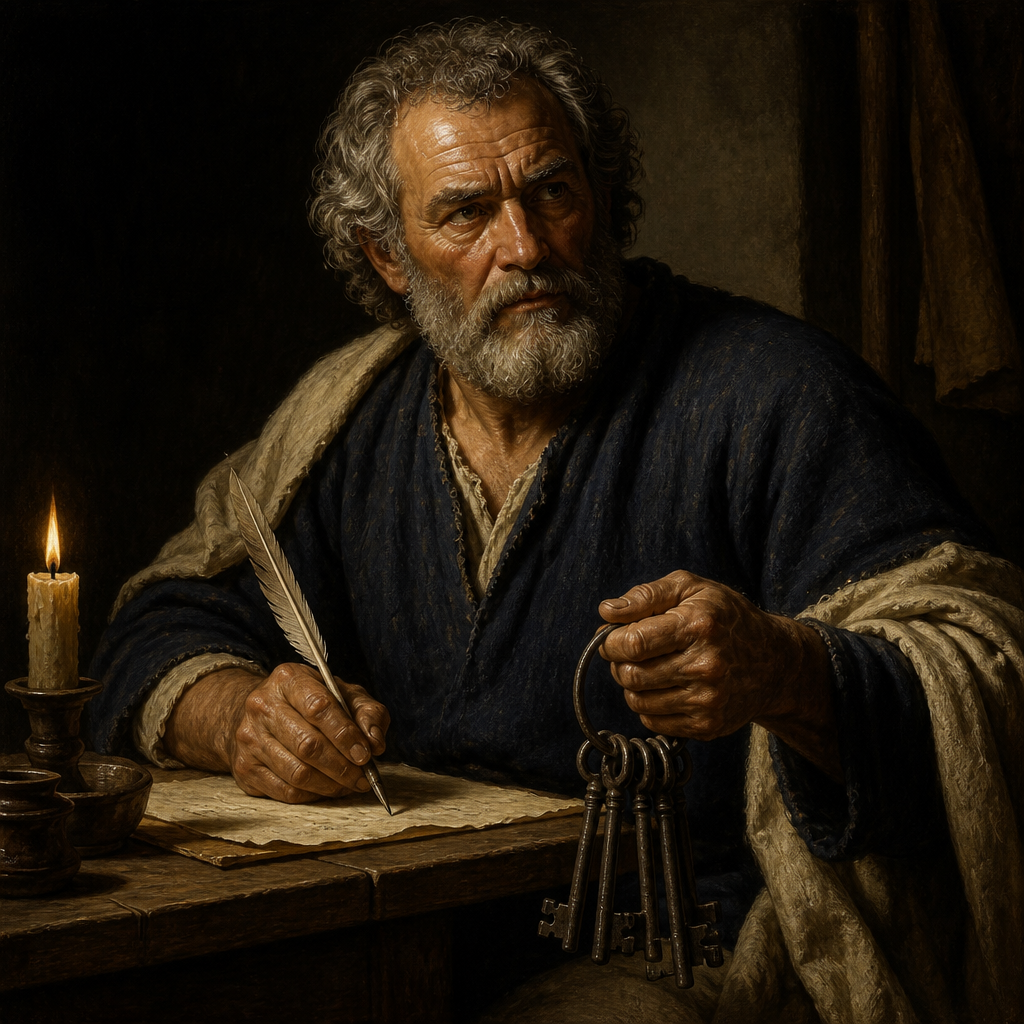
Peter
Apostle who served as the spokesman for the Twelve and the leader of the early Church in Jerusalem
The leader of the twelve apostles, known for his confession of Christ, his denial and restoration, and his foundational role in the early Christian church.
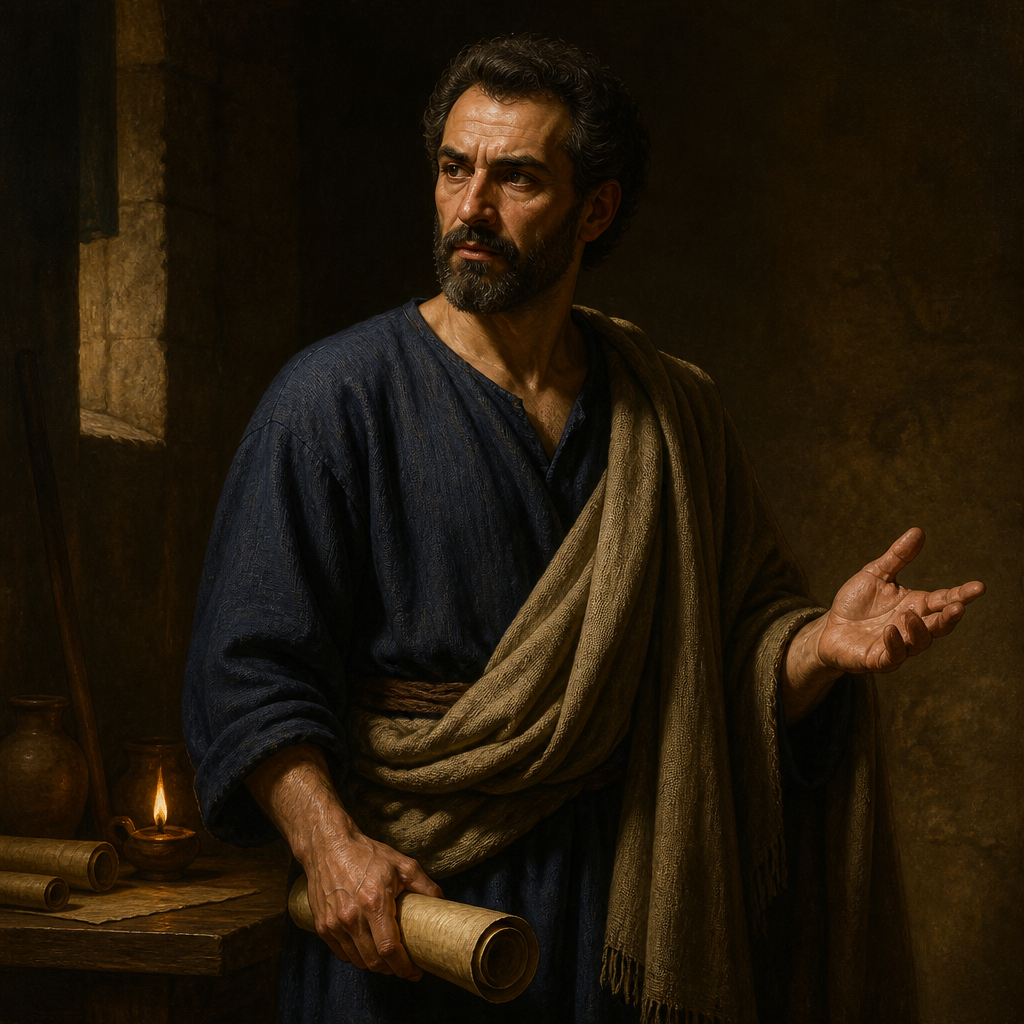
Philip the Apostle
Apostle who asked Jesus to show the disciples the Father
One of the twelve original apostles of Jesus Christ, known for his early recruitment of Nathanael and his practical, inquisitive nature during Jesus' ministry.
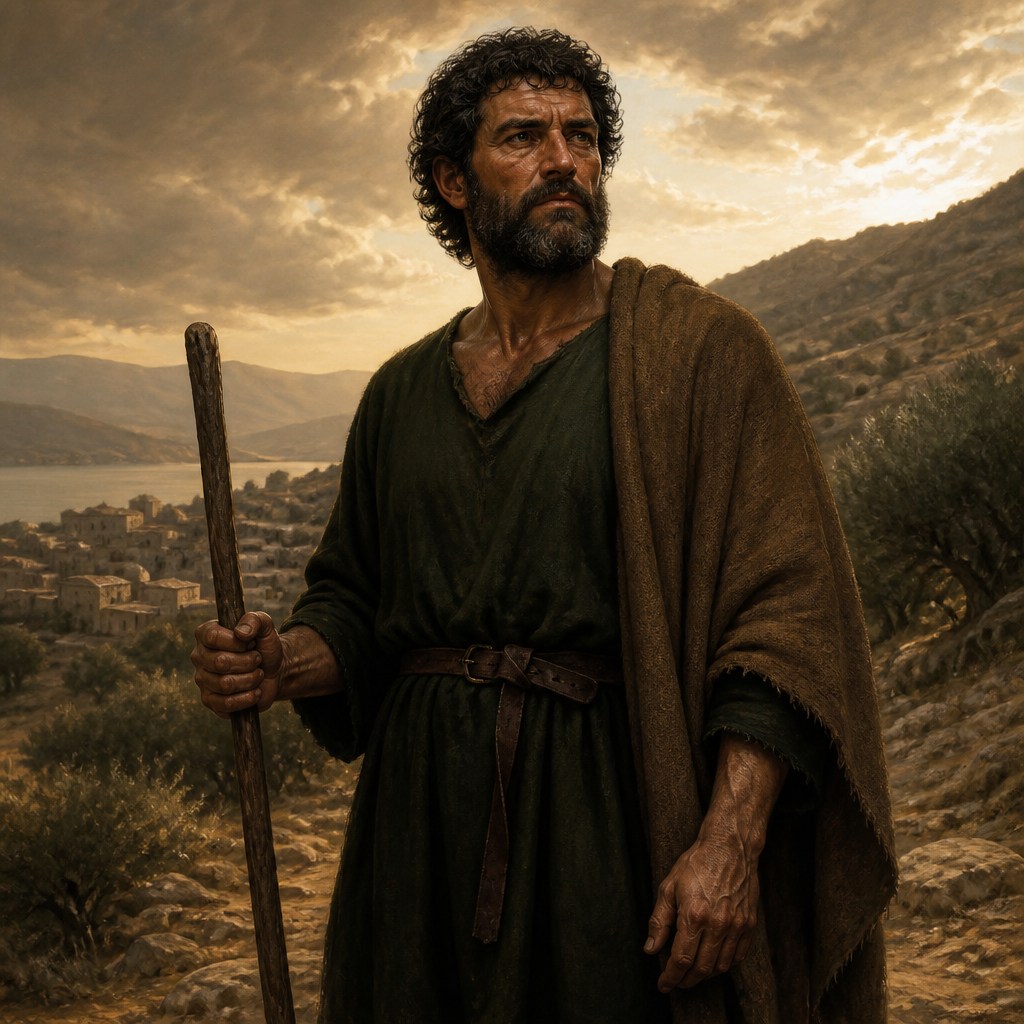
Simon the Zealot
Apostle of Jesus Christ former member of the Zealot faction
One of the Twelve Apostles of Jesus Christ, distinguished by his affiliation with the Zealot movement or his fervent religious devotion.
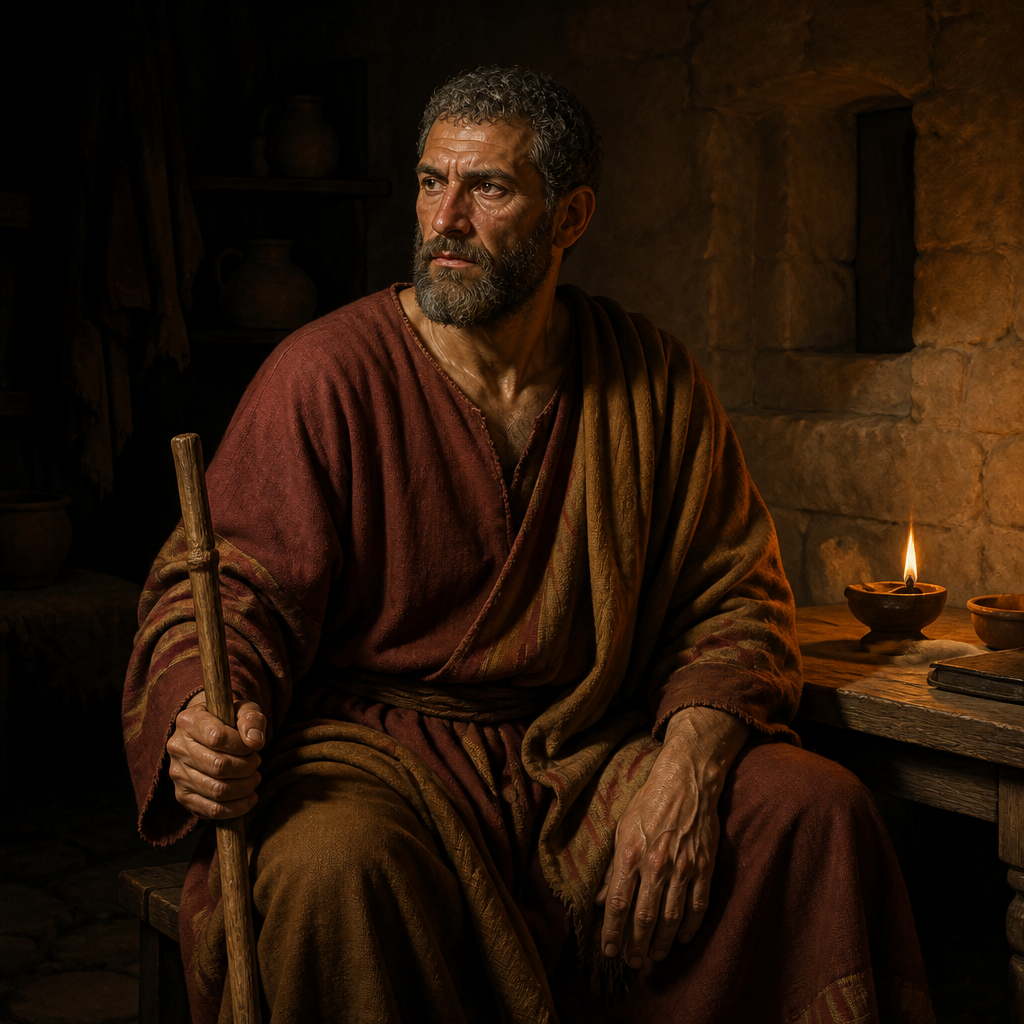
Thaddaeus
Apostle of Jesus Christ who questioned the Lord during the Last Supper
Thaddaeus, also known as Jude of James, was one of the twelve original apostles chosen by Jesus Christ to spread the Gospel.
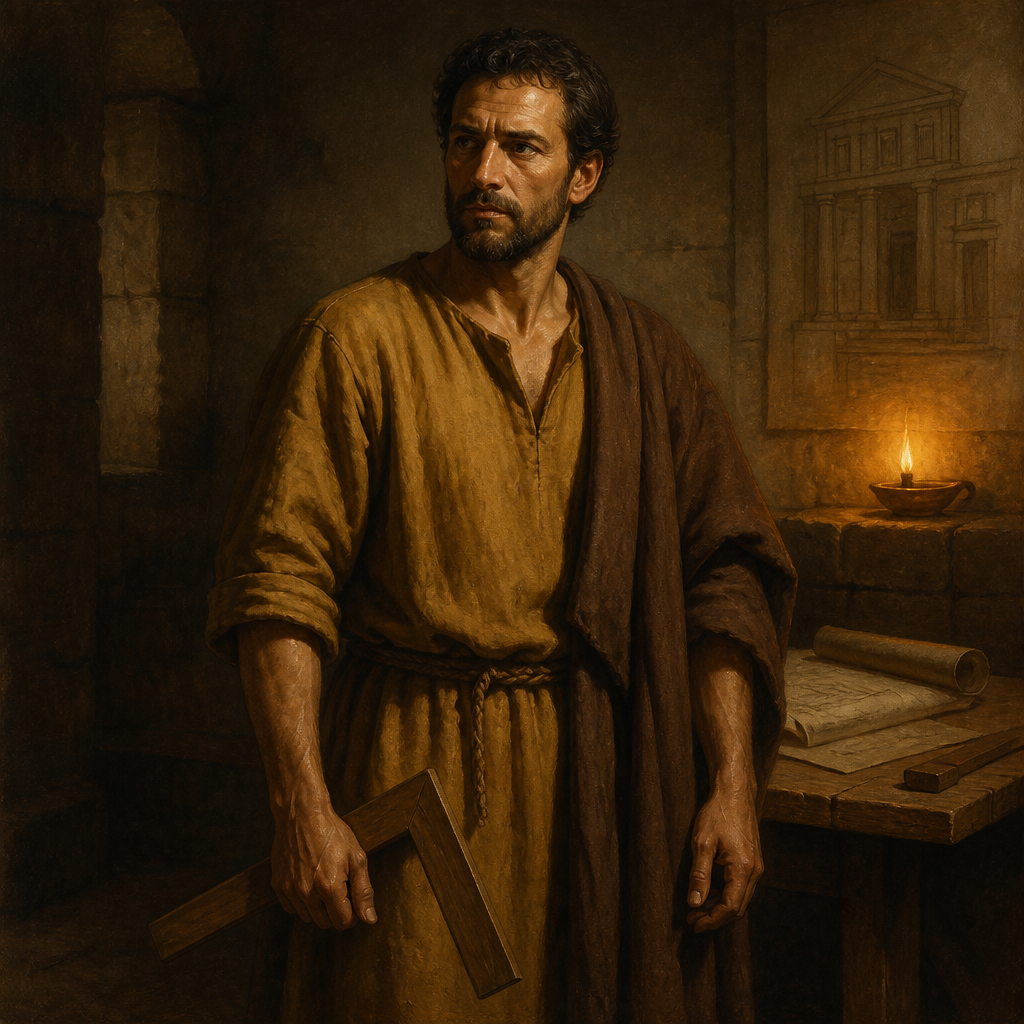
Thomas
Apostle who required physical proof of Jesus' Resurrection before believing
One of the Twelve Apostles of Jesus, often called 'Doubting Thomas' for his demand for physical proof of the Resurrection, yet also known for his profound confession of Christ's divinity.