Paul the Apostle
A pivotal apostle and theologian who converted from Judaism to Christianity, authored much of the New Testament, and pioneered the mission to the Gentiles.
Paul the Apostle, originally known by his Hebrew name Saul of Tarsus, is arguably the most influential figure in the history of the early Christian church after Jesus Christ. As a Pharisee who initially persecuted the burgeoning Christian movement, his dramatic conversion on the road to Damascus transformed him into the primary missionary to the Gentile world. His life and missions are central to the New Testament book of Acts, and his letters form a significant portion of the Christian canon.
Throughout his ministry, Paul established numerous churches across Asia Minor and Europe, navigating complex theological and cultural landscapes. He is revered for his intellectual rigor, his steadfast commitment to the doctrine of grace, and his endurance through immense physical and social suffering. His writings have served as the foundation for Christian theology for two millennia, influencing everything from the Reformation to modern existential thought.
Background and Family
Paul was born in Tarsus, a major city in the Roman province of Cilicia (modern-day Turkey), likely in the first decade AD. He was born into a Jewish family of the tribe of Benjamin and possessed the rare status of Roman citizenship by birth. This dual identity—Jewish heritage and Roman legal status—played a crucial role in his ministry, allowing him to navigate both the synagogue and the Roman judicial system.
He was educated in Jerusalem under the renowned Rabbi Gamaliel, one of the most respected teachers of the Law in history. Paul described himself as a "Hebrew of Hebrews" and a Pharisee of the strictest sort. His early life was defined by a zealous devotion to the Mosaic Law and a violent opposition to the followers of Jesus, whom he viewed as heretical. According to Acts, he was present and consenting to the martyrdom of Stephen, the first Christian martyr.
Major Life Events
Conversion and Early Ministry
The turning point of Paul’s life occurred c. 33–36 AD on the road to Damascus. According to the biblical narrative, he encountered the risen Jesus in a blinding light, an experience that left him temporarily sightless and fundamentally changed. Following his baptism by Ananias, Paul spent time in Arabia and Damascus before eventually meeting the other apostles in Jerusalem.
Missionary Journeys
Paul’s career is defined by three distinct missionary journeys recorded in the Book of Acts. His first journey (c. 46–49 AD) took him to Cyprus and southern Galatia. The second journey (c. 50–52 AD) extended his reach into Europe, establishing churches in Philippi, Thessalonica, Berea, Athens, and Corinth. His third journey (c. 53–57 AD) was marked by a long stay in Ephesus, where he significantly impacted the local culture and economy.
Arrest and Imprisonment
Upon returning to Jerusalem after his third journey, Paul was arrested in the Temple. To avoid a plot against his life and a biased local trial, he invoked his right as a Roman citizen to be tried before Caesar. This led to his journey to Rome, which included a dramatic shipwreck on the island of Malta. He spent at least two years under house arrest in Rome, where he continued to write and preach.
Relationship to Other Biblical Figures
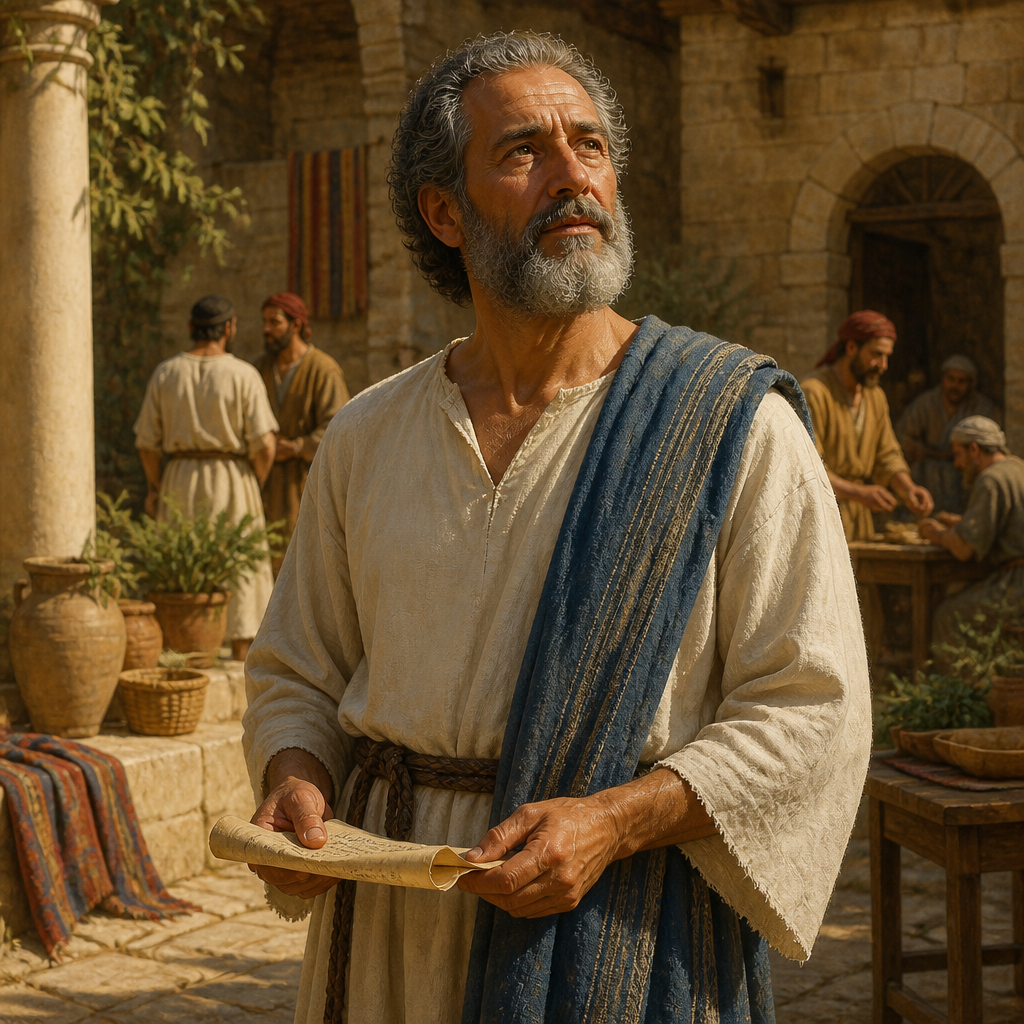
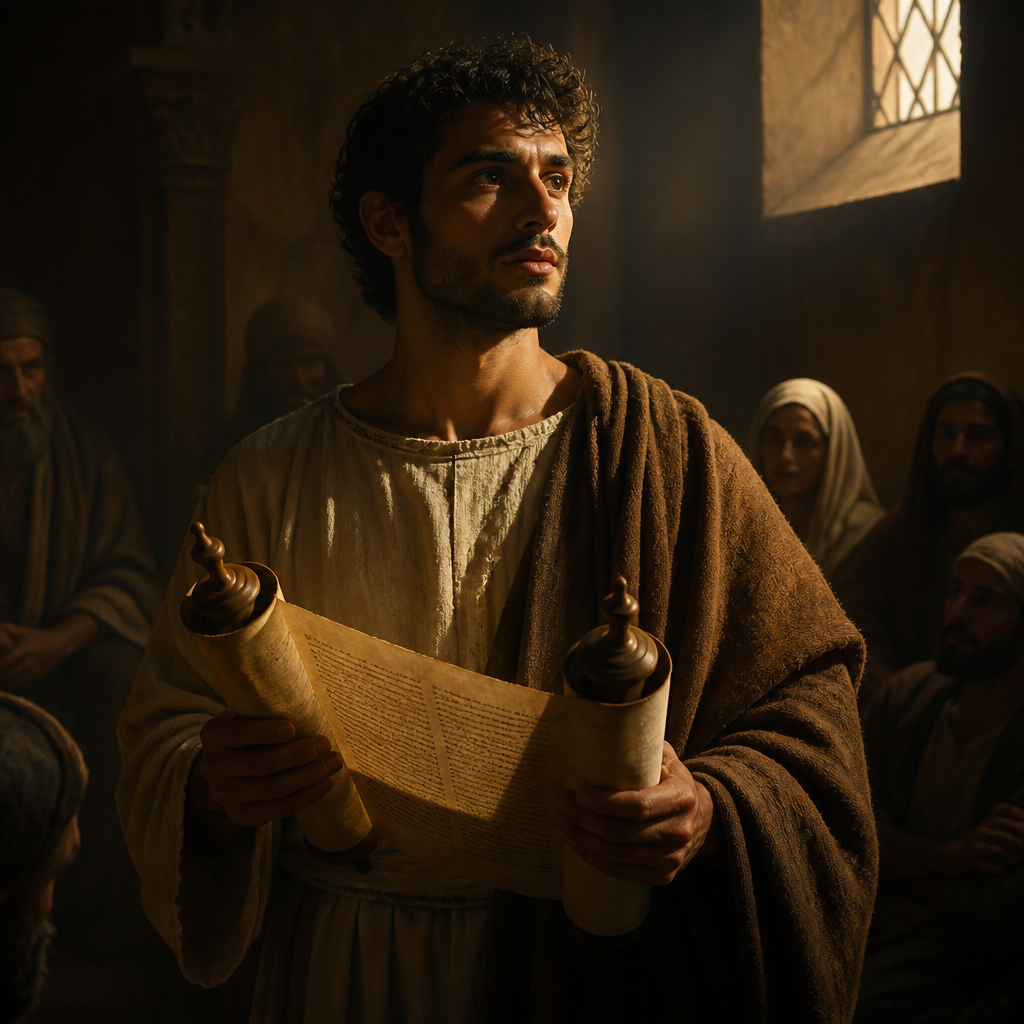
Paul’s relationships were foundational to the expansion of the early church. His partnership with Barnabas was vital during his early years, though they eventually parted ways over a disagreement regarding John Mark. Paul also mentored younger leaders like Timothy and Titus, addressing them as his "true sons in the faith."
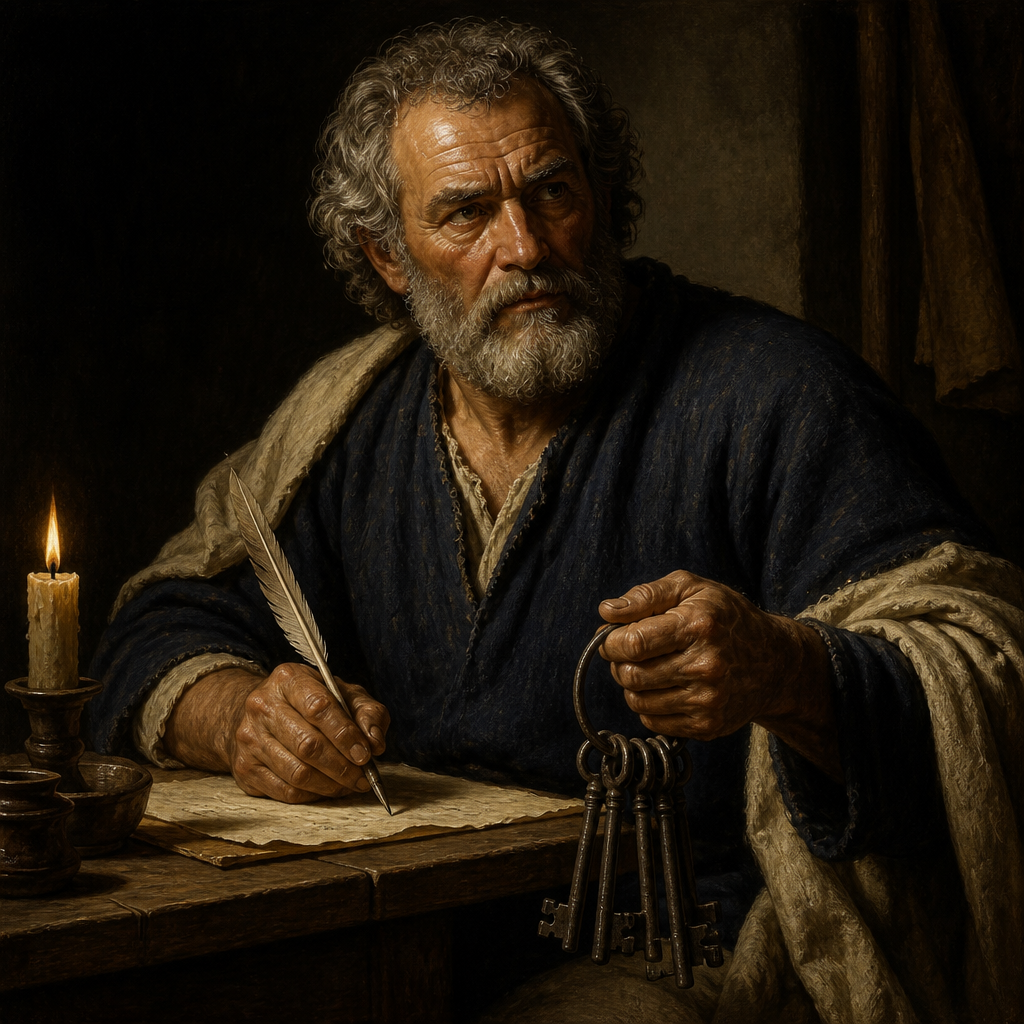
His relationship with the original twelve apostles, particularly Peter and James the Just, was one of mutual respect tempered by occasional tension. In Galatians, Paul recounts confronting Peter in Antioch over the issue of table fellowship with Gentiles, emphasizing that the gospel of grace superseded Jewish dietary laws. Despite these friction points, the apostles in Jerusalem eventually affirmed Paul’s specific calling to the Gentiles.
Spiritual Significance
Paul’s spiritual significance lies in his systematic articulation of the Gospel. He was the first to fully develop the theology of "Justification by Faith," arguing that righteousness before God comes through faith in Jesus Christ rather than the observance of the Jewish Law. This was a revolutionary shift that allowed the Christian movement to transition from a Jewish sect to a universal religion.
"For I am not ashamed of the gospel, for it is the power of God for salvation to everyone who believes, to the Jew first and also to the Greek." (Romans 1:16)
Furthermore, Paul’s conceptualization of the "Body of Christ" provided a framework for church unity and diversity. His letters—ranging from the profound theological treatise of Romans to the deeply personal appeal of Philemon—have shaped the moral, ethical, and organizational structures of global Christianity for nearly two thousand years. His life ended in martyrdom, traditionally believed to have occurred in Rome under Emperor Nero c. 64–67 AD.
Spiritual Significance
Paul's theological contribution is unparalleled in the New Testament. He transitioned the focus of the early church from the historical life of Jesus to the cosmic significance of the Christ-event, emphasizing the crucifixion and resurrection as the means of reconciling humanity to God. His insistence that Gentiles did not need to become Jews or follow the Mosaic Law to be saved was the catalyst that allowed Christianity to spread throughout the Roman Empire and beyond.
He is also the primary source for the doctrine of the Holy Spirit's role in the believer's life, the nature of the church as an organic unity, and the eschatological hope of the resurrection of the dead. Without Paul's intellectual synthesis of Old Testament prophecy with the reality of Jesus, the early church may have remained a localized Palestinian movement.
Frequently Asked Questions
Was Paul one of the original twelve disciples?
No, Paul was not among the original twelve disciples who followed Jesus during his earthly ministry. He was called later, describing himself as one 'untimely born,' having encountered the risen Christ after the Ascension.
Why did he change his name from Saul to Paul?
It is a common misconception that God changed his name. As a Roman citizen and a Jew, he likely had two names from birth: Saul (Hebrew) and Paul (Latin/Roman). He began using 'Paul' more frequently during his missions in the Roman world.
Which books of the Bible did Paul write?
Paul is traditionally credited with 13 epistles: Romans, 1 & 2 Corinthians, Galatians, Ephesians, Philippians, Colossians, 1 & 2 Thessalonians, 1 & 2 Timothy, Titus, and Philemon.
What was Paul's 'thorn in the flesh'?
Mentioned in 2 Corinthians 12:7, the 'thorn' was a physical or spiritual affliction Paul suffered. Scholars have speculated it was anything from poor eyesight or malaria to recurring persecution, but the Bible does not specify.
How did Paul die?
While the Bible does not record his death, early Christian tradition and historical records suggest he was beheaded in Rome during the persecutions of Emperor Nero around 64-67 AD.
Connected Figures
Barnabas
Missionary partner and mentor
Timothy
Protégé and close companion
Luke
Traveling companion and chronicler
Peter
Fellow Apostle
Lydia
First European convert in Philippi