Matthias
The disciple chosen by lot to replace Judas Iscariot as one of the Twelve Apostles following the ascension of Jesus Christ.
Matthias holds a unique position in the history of the early Church as the only individual selected to join the inner circle of the Twelve Apostles after their original commissioning by Jesus of Nazareth. His appointment, recorded in the first chapter of the Book of Acts, serves as a crucial bridge between the ministry of Jesus and the subsequent mission of the Church. By filling the vacancy left by the betrayal and death of Judas Iscariot, Matthias helped restore the symbolic number of twelve, representing the twelve tribes of Israel in the new messianic community.
While his name appears only in the context of this selection process, the qualifications required for his candidacy indicate that he was a long-term follower of Jesus, having been present from the beginning of Jesus' public ministry at the baptism of John until the Ascension. This suggests that Matthias was likely one of the seventy-two disciples mentioned in the Gospel of Luke. His selection via the casting of lots represents a final instance of this Old Testament practice in the New Testament, transitioning into the direct guidance of the Holy Spirit at Pentecost.
Background and Family
Direct biblical biographical data regarding the lineage and early life of Matthias is sparse. His name is a Greek variant of the Hebrew "Mattithyah," meaning "Gift of YHWH." Based on the requirements set forth by Peter in Acts 1, Matthias was a Jewish follower of Jesus who resided in Judea or Galilee during the early 1st century AD. To be considered for the apostolate, he must have been a consistent witness to the life, teachings, and miracles of Jesus.
Tradition and early Christian writings, such as those by Clement of Alexandria, suggest that Matthias was a man of remarkable self-control and asceticism. While the Bible does not name his parents or tribe, he is widely considered by scholars to have been among the larger group of disciples who followed Jesus closely but remained outside the primary twelve-man circle until the events following the Resurrection.
Major Life Events
The Vacancy of the Twelve
Following the ascension of Jesus to heaven, the remaining eleven apostles returned to Jerusalem and gathered in the upper room. Peter, acting as the leader of the group, addressed a gathering of approximately one hundred and twenty believers. He explained that according to the Psalms, the position (or episkopēn) formerly held by Judas Iscariot must be filled by another. The criteria were strict: the candidate had to have been a companion of the group throughout the entirety of Jesus’ earthly ministry and a witness to His resurrection.
The Selection by Lot
The community proposed two men: Joseph called Barsabbas (also known as Justus) and Matthias. The assembly then engaged in corporate prayer, asking God, who knows the hearts of all, to show which man He had chosen. Following this prayer, they cast lots—a method used in the Old Testament to discern the divine will (such as in the division of the Promised Land or the selection of Saul as king). The lot fell on Matthias, and he was formally numbered with the eleven apostles.
"And they prayed and said, ‘You, Lord, who know the hearts of all, show which one of these two you have chosen to take the place in this ministry and apostleship from which Judas turned aside to go to his own place.’ And they cast lots for them, and the lot fell on Matthias, and he was numbered with the eleven apostles." (Acts 1:24–26)
Post-Pentecost Ministry
Although Matthias is not mentioned by name again in the New Testament, he was present with the other apostles on the Day of Pentecost when the Holy Spirit descended. As one of the Twelve, he would have played a foundational role in the establishment of the church in Jerusalem, the teaching of new converts, and the eventual spread of the Gospel. Extrabiblical traditions vary regarding his later mission; some sources, such as Nikephoros Kallistos, claim he preached in Ethiopia, while others place him in Judea or Cappadocia.
Relationship to Other Biblical Figures
Matthias’s primary relationship within the biblical text is to the Eleven Apostles, specifically Peter, who initiated his selection. He is also inextricably linked to Judas Iscariot, as he was chosen specifically to rectify the damage done by Judas’s treachery. His standing as a "witness of the Resurrection" places him in the same functional category as figures like James the brother of Jesus or Mary Magdalene, though he attained the specific governmental office of the Twelve. His contemporary, Joseph Barsabbas, represents the other highly qualified disciple who, despite not being chosen for this specific office, remained a prominent figure in the early Jerusalem community.
Spiritual Significance
The story of Matthias emphasizes the importance of faithfulness and preparation. Though he was not initially named among the Twelve during the Galilean ministry, his consistent presence in the background made him ready for the moment God called him to leadership. Theologically, his selection underscores the continuity of the people of God. Just as Israel had twelve patriarchs, the Church required twelve apostles to signify its role as the restored Israel. Furthermore, the use of the lot for his selection marks a transition in redemptive history; it was the last time the people of God sought direction through physical tokens before the permanent indwelling of the Holy Spirit provided direct guidance to the body of Christ.
Spiritual Significance
Matthias represents the principle of divine sovereignty in leadership. His inclusion in the Twelve was not a product of human ambition but of a recognized life of witness and a divine selection process. He serves as a scriptural reminder that God often prepares individuals in the 'background' for significant roles that may only manifest much later in their lives.
Furthermore, the selection of Matthias validates the necessity of apostolic succession and the restoration of order within the early Church. By filling the seat of Judas, the apostles demonstrated their understanding that Christ’s kingdom had a structural and symbolic integrity that needed to be maintained as they moved forward to evangelize the nations.
Frequently Asked Questions
How was Matthias chosen to be an apostle?
He was chosen by a combination of community nomination, prayer, and the casting of lots to discern God's will.
Was Matthias one of the original followers of Jesus?
Yes, Acts 1:21-22 states he had accompanied Jesus and the apostles from the time of John's baptism until the Ascension.
Why did there have to be twelve apostles?
The number twelve was symbolically significant, representing the twelve tribes of Israel and the fulfillment of God's promises to the nation.
What happened to Matthias after he was chosen?
The Bible does not record his later life, but tradition suggests he preached in various regions, including Ethiopia and Judea, and died as a martyr.
Is Matthias the same person as Matthew?
No, Matthew was one of the original twelve apostles (a former tax collector), while Matthias was chosen later to replace Judas Iscariot.
Connected Figures
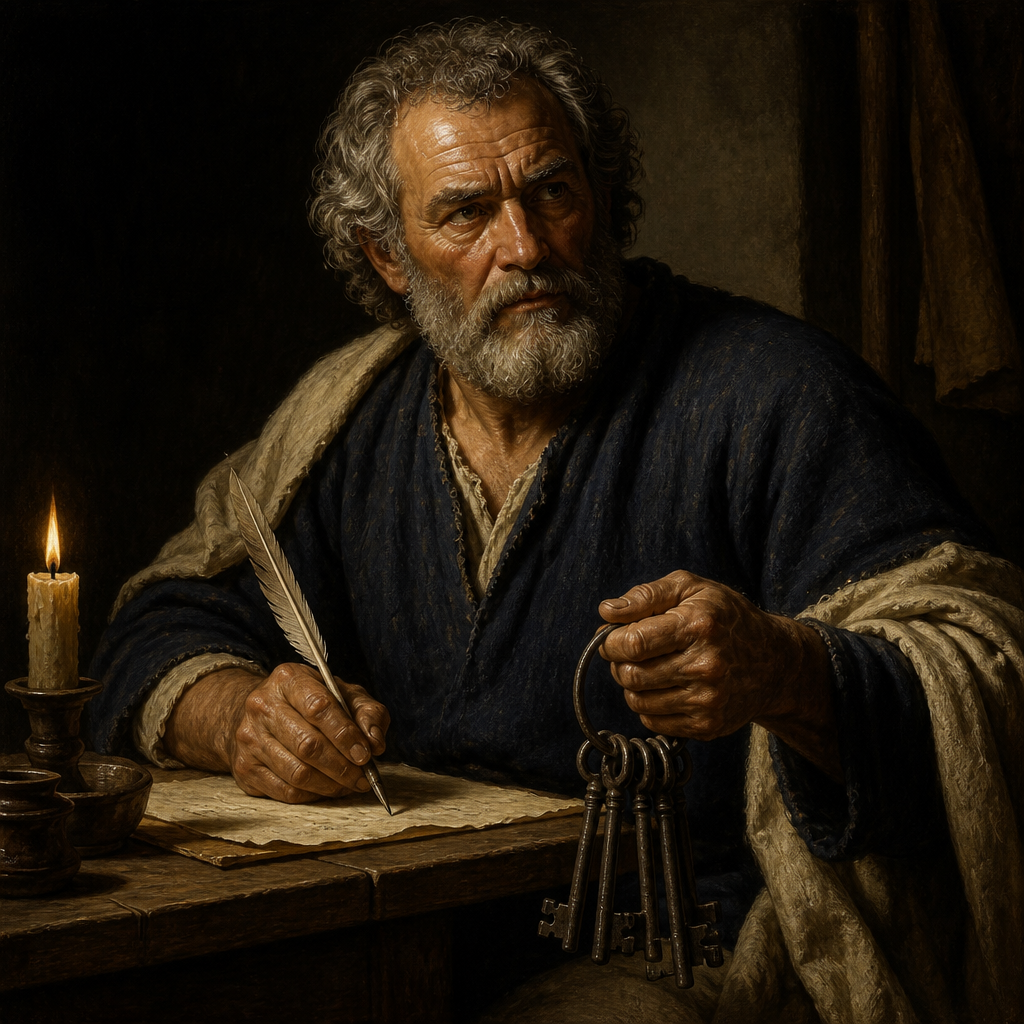
Peter
Fellow Apostle and leader who oversaw his selection
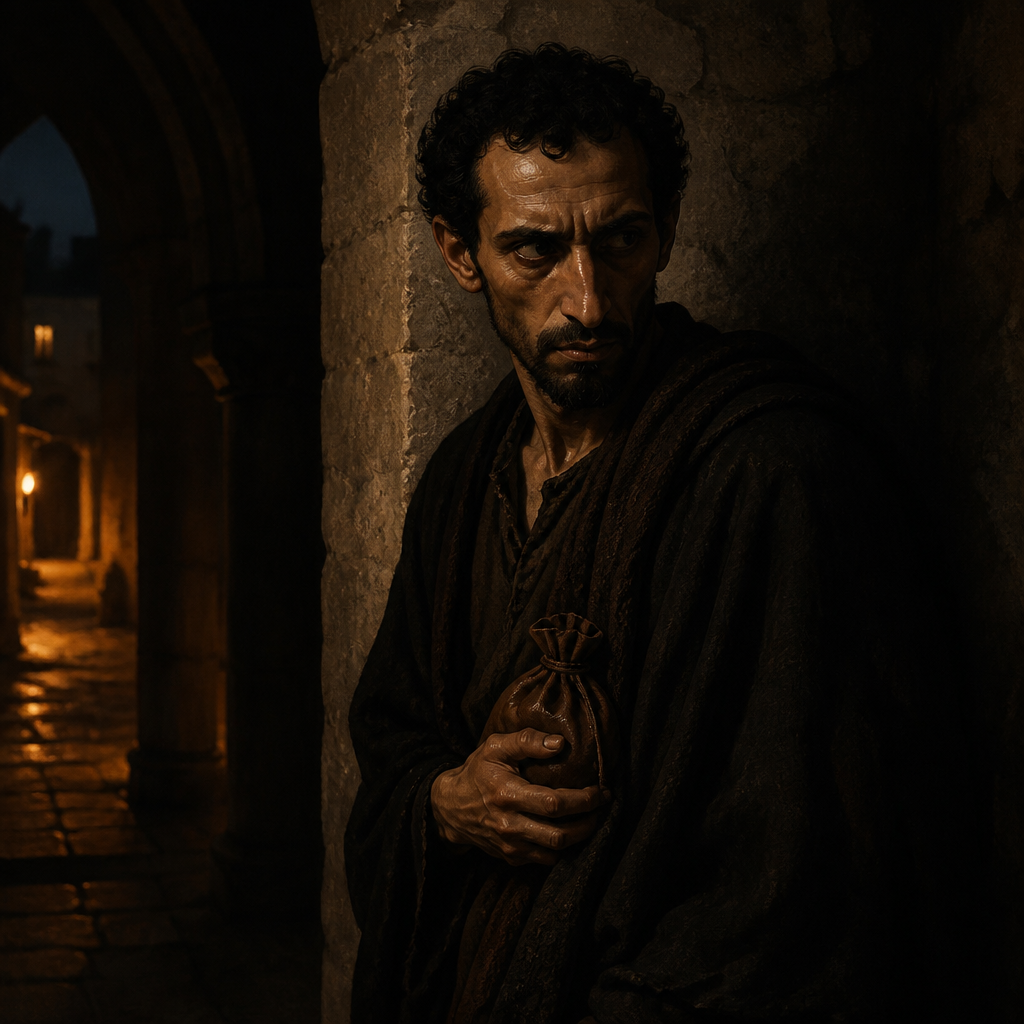
Judas Iscariot
Predecessor whose office Matthias filled
Joseph Barsabbas
Fellow candidate for the apostolic office
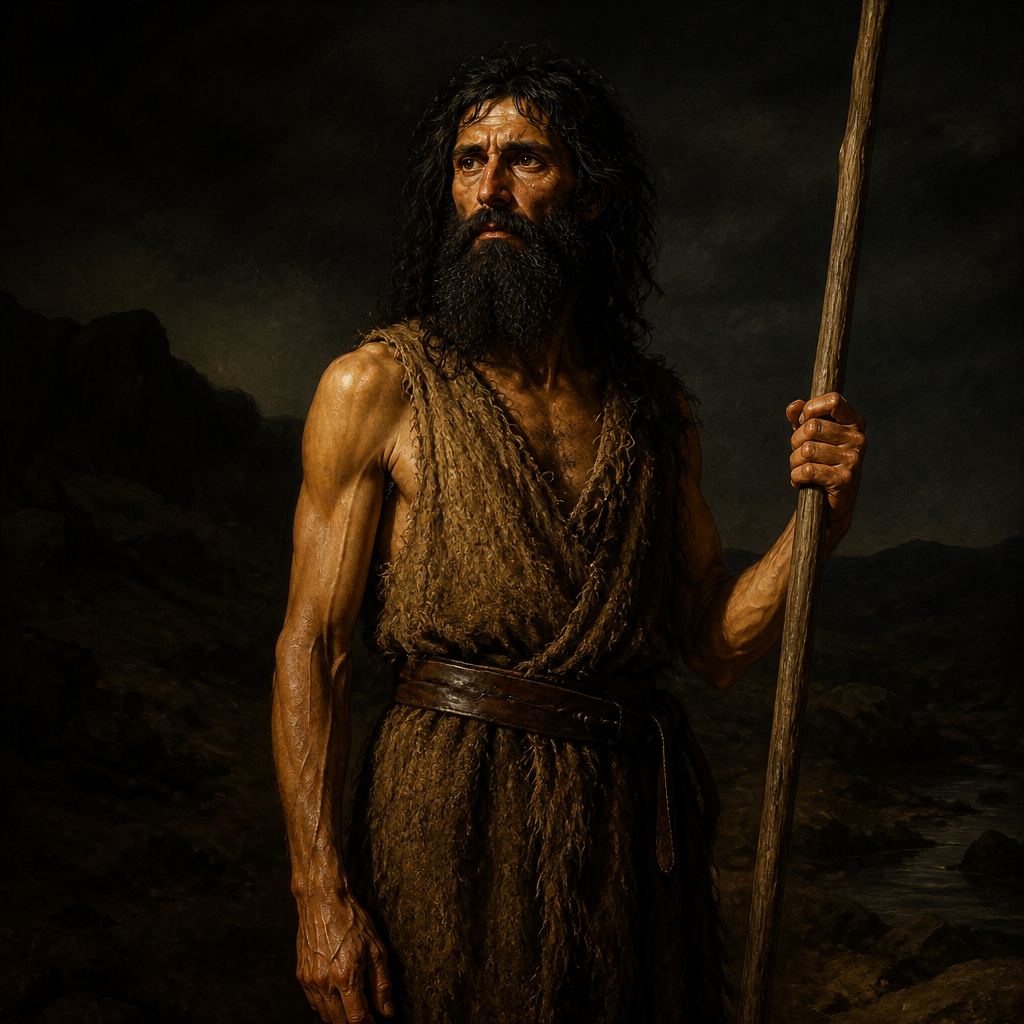
John the Baptist
Prophet whose ministry marked the beginning of Matthias's discipleship period