John the Baptist
The last and greatest prophet of the old covenant era, who lived as an ascetic in the wilderness to prepare the way for the Messiah.
John the Baptist was a pivotal prophetic figure active in the early 1st century AD, serving as the bridge between the Old and New Testaments. Born to the priest Zechariah and his wife Elizabeth in their old age, John’s life was marked by divine intervention from conception. He spent his early adulthood in the Judean wilderness, adopting a lifestyle of strict asceticism that echoed the ancient prophets of Israel. His ministry was centered on a message of radical repentance and the administration of a water baptism for the remission of sins.
Regarded by Jesus as the greatest of those born of women, John occupied a unique role in redemptive history. He did not seek to build his own kingdom but saw himself as a 'voice crying in the wilderness,' tasked with identifying and announcing the arrival of the Lamb of God. His influence was so profound that even after his martyrdom, groups of his disciples continued to exist throughout the Roman Empire, as documented in the book of Acts.
Background and Family
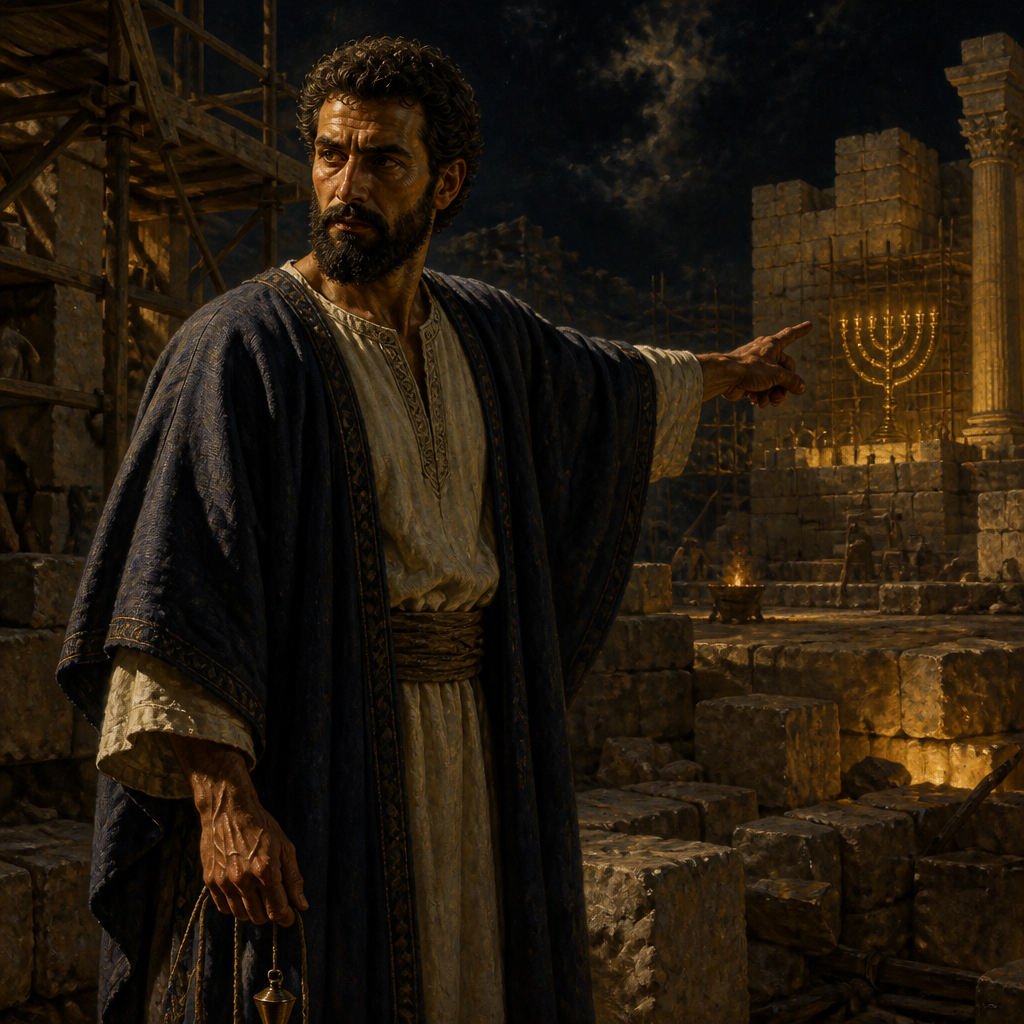
The origins of John the Baptist are detailed in the Gospel of Luke, which connects his birth to the reign of Herod the Great (c. 37–4 BC). John was of priestly lineage on both sides; his father, Zechariah, belonged to the priestly division of Abijah, and his mother, Elizabeth, was a descendant of Aaron. The couple was elderly and childless until the angel Gabriel appeared to Zechariah in the Temple, announcing that they would have a son who would 'go before the Lord in the spirit and power of Elijah.'
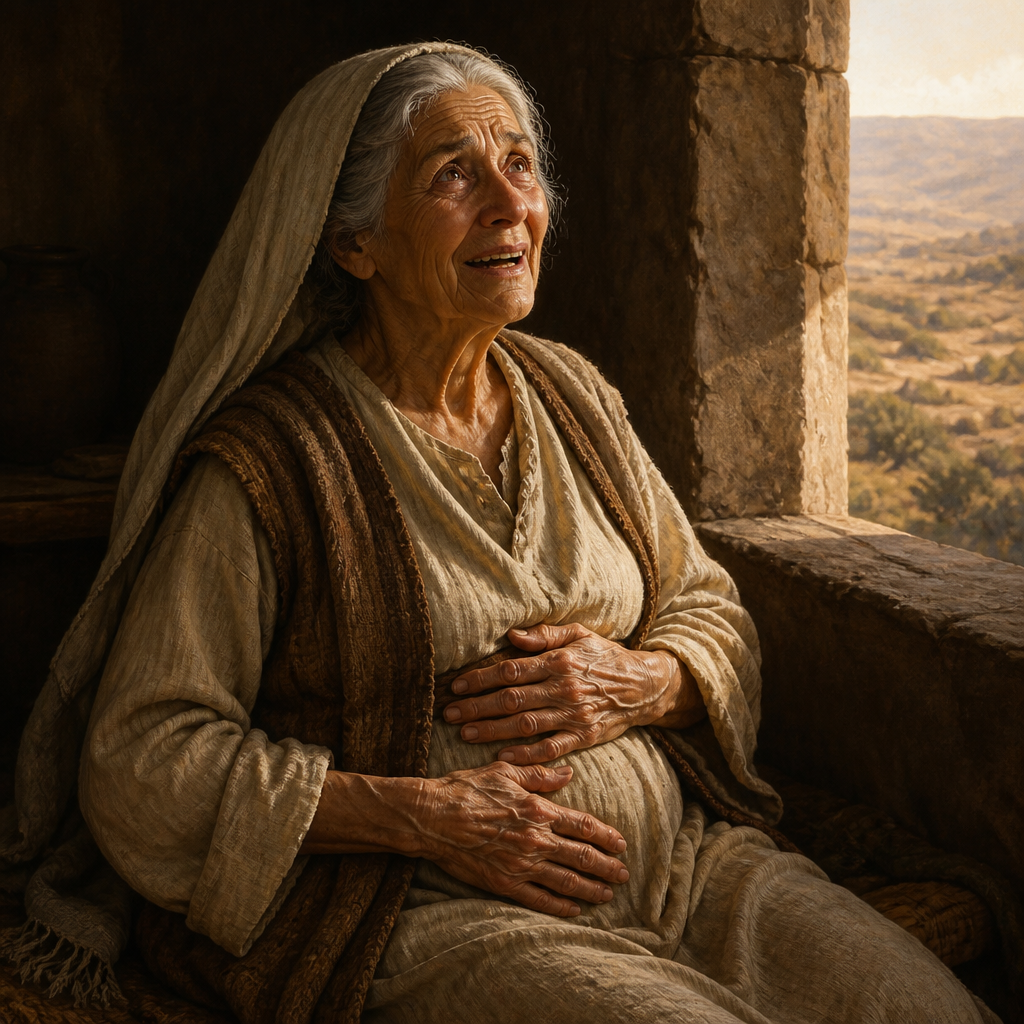
John was also a relative of Jesus of Nazareth. When Elizabeth was six months pregnant, she was visited by her kinswoman Mary, who had recently conceived Jesus. According to the biblical narrative, the unborn John leaped in Elizabeth's womb upon hearing Mary's greeting, a moment traditionally interpreted as the first prophetic recognition of the Messiah. John was likely raised in the hill country of Judea and, rather than following the traditional path of the Jerusalem priesthood, he retreated to the wilderness to live as a Nazarite, abstaining from wine and strong drink from birth.
Major Life Events
Around 28 or 29 AD, in the fifteenth year of the reign of Tiberius Caesar, John emerged from the desert to begin his public ministry. He was a striking figure, wearing clothing made of camel's hair with a leather belt and subsisting on a diet of locusts and wild honey. This attire and diet were intentional symbols, identifying him with the prophet Elijah and signaling a rejection of the social and religious corruption of his day.
John’s primary activity was preaching in the region around the Jordan River. He challenged the religious establishment, including Pharisees and Sadducees, whom he famously labeled a 'brood of vipers.' His message was not merely ritualistic but ethical, demanding that fruit be shown in keeping with repentance. The climax of his ministry occurred when Jesus came to him at the Jordan to be baptized. Although John initially resisted, feeling unworthy, he complied to 'fulfill all righteousness.' At this event, John witnessed the Spirit descending like a dove and heard the divine voice confirming Jesus's sonship.
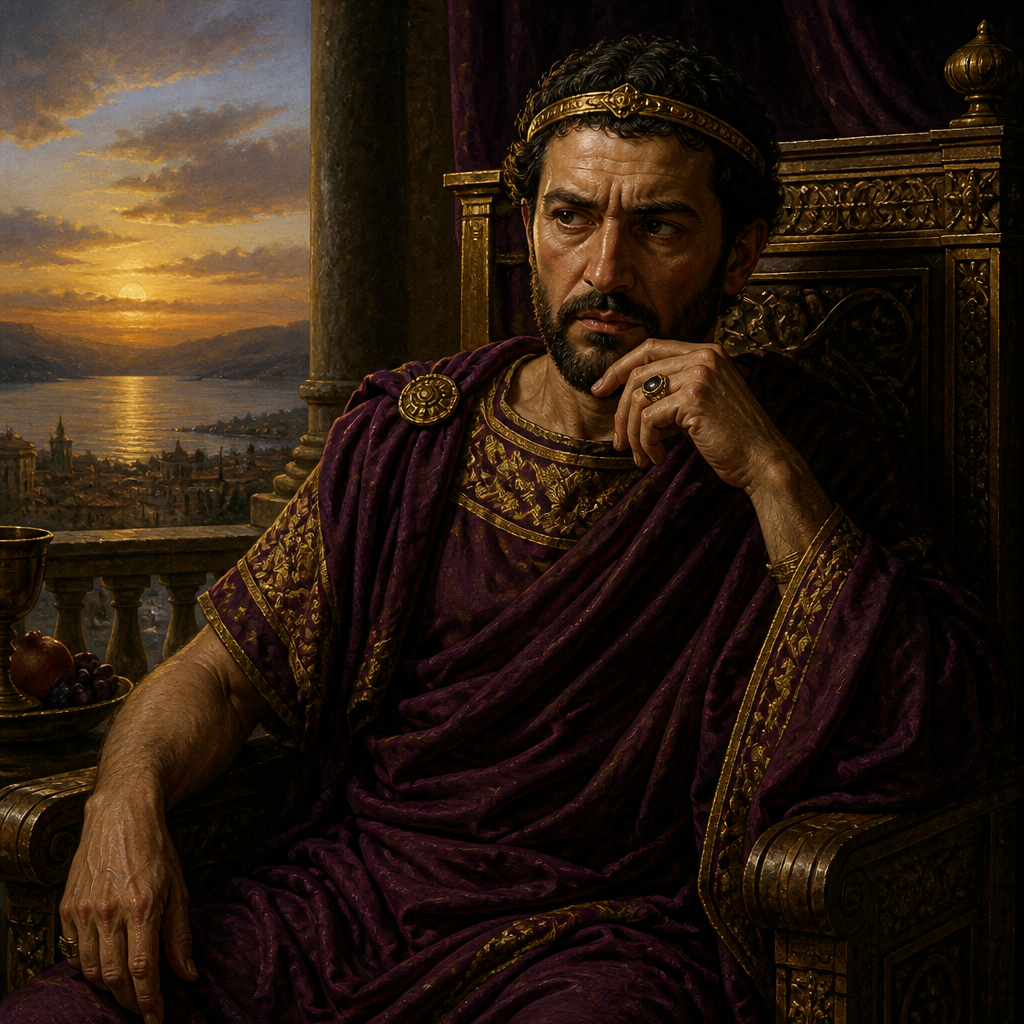
John’s public career was cut short due to his unwavering moral stance. He publicly rebuked Herod Antipas, the tetrarch of Galilee and Perea, for his unlawful marriage to Herodias, the wife of his brother Philip. For this, John was imprisoned in the fortress of Machaerus. According to the Gospels and the historian Josephus, his execution was engineered by Herodias through her daughter, who requested John’s head on a platter after a celebratory dance.
Relationship to Other Biblical Figures
John’s relationship with Jesus is central to his identity. While John attracted a massive following and some questioned if he might be the Christ, he consistently deferred to Jesus, stating, 'He must increase, but I must decrease.' He pointed his own disciples, such as Andrew and likely John the Apostle, toward Jesus, effectively transferring his following to the Messiah.
He also stood in a direct line with the Old Testament prophets. Jesus explicitly identified John as the 'Elijah who was to come,' fulfilling the prophecy of Malachi 4:5. Within the New Testament, John also interacts with various groups of the era, including tax collectors, soldiers, and the Jewish elite, acting as a social critic who held all levels of society accountable to the Law of God.
Spiritual Significance
In biblical theology, John the Baptist is the 'Forerunner.' He marks the end of the Age of the Law and the Prophets and ushers in the Kingdom of God. His baptism was a preparatory rite; it was outward and symbolic of repentance, but John himself pointed to a future baptism 'with the Holy Spirit and fire' that only the Messiah could provide.
John’s legacy is one of absolute humility and uncompromising truth. He remains the model of the prophetic witness, one who speaks truth to power regardless of the personal cost. Theologically, he serves as the primary witness to the identity of Jesus, providing the transition from the expectations of the Old Covenant to the fulfillment found in the New Covenant.
Spiritual Significance
John the Baptist is theologically significant as the final prophet of the Old Testament era, despite appearing in the New Testament. He fulfills the Malachi prophecy of a messenger who would prepare the way for the Lord’s return to His temple. His role was to level the spiritual landscape of Israel—lowering the proud and raising the humble—so that the Messiah could be properly received.
His baptism served as a crucial transitional sacrament, bridging the gap between Old Testament washings and Christian baptism. Furthermore, his declaration of Jesus as the 'Lamb of God who takes away the sin of the world' provided the definitive interpretive lens for Jesus’s sacrificial mission, combining the imagery of the Passover lamb with the Suffering Servant of Isaiah.
Frequently Asked Questions
Was John the Baptist related to Jesus?
Yes, their mothers, Mary and Elizabeth, were kinswomen. While the exact degree of cousinship is not specified, they were close relatives, and John was about six months older than Jesus.
Why did John live in the wilderness and eat locusts?
John lived as an ascetic to separate himself from the corruption of the cities and to fulfill the role of a wilderness voice. His diet and clothing mirrored the prophet Elijah, symbolizing a call to return to God's law.
Why was John the Baptist executed?
He was beheaded by Herod Antipas because he condemned Herod's marriage to Herodias, his brother's wife, as a violation of Jewish law.
Did John the Baptist have his own disciples?
Yes. John had a dedicated group of followers who practiced fasting and specific prayers. Some of these disciples, like Andrew, later followed Jesus, while others remained loyal to John's teachings for decades.
Why did Jesus get baptized by John if He was without sin?
Jesus stated it was 'to fulfill all righteousness.' It served to validate John’s ministry, identify Jesus with humanity, and signal the public beginning of His messianic work.
Connected Figures
Zechariah
Father
Elizabeth
Mother
Jesus Christ
Kinsman and Messiah
Herod Antipas
Executioner
Elijah
Prophetic Type