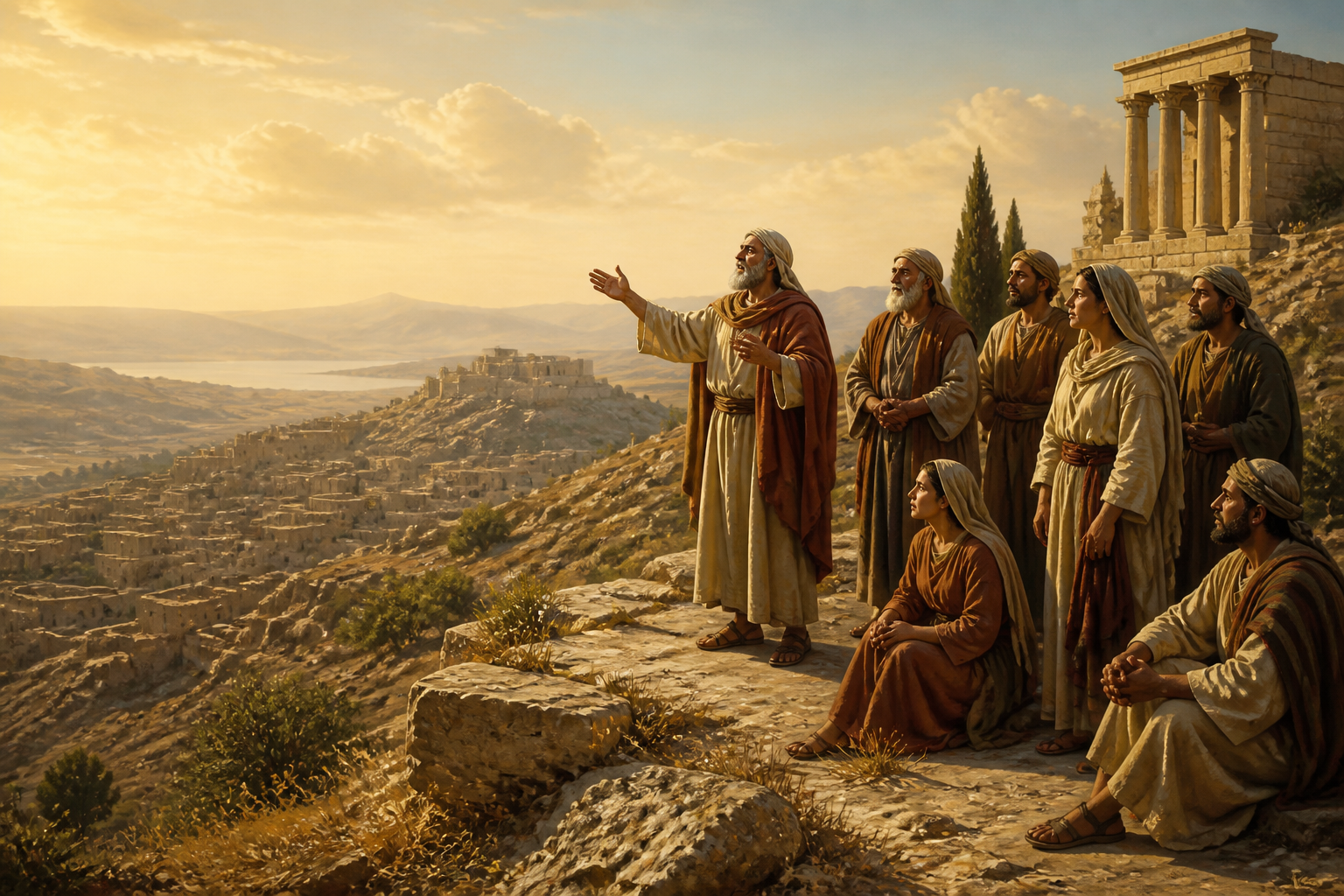
Prophets and Prophetesses
Divinely inspired messengers and spokespersons in the early Christian and transitional periods who interpreted the will of God.
“And in the last days it shall be, God declares, that I will pour out my Spirit on all flesh, and your sons and your daughters shall prophesy, and your young men shall see visions, and your old men shall dream dreams” — Acts 2:17
The figures classified as prophets and prophetesses in the late Second Temple and early Apostolic periods represent a vital bridge between the Old Testament prophetic tradition and the burgeoning Christian movement. Unlike the canonical writing prophets of Israel's earlier history, these individuals functioned within a communal context, providing immediate guidance, exhortation, and occasionally, predictive revelations concerning the early Church. This group includes established figures from the infancy narratives of Jesus, such as Zechariah and Anna, as well as the diverse leadership circles mentioned in the Book of Acts, reflecting a period of intense charismatic activity attributed to the indwelling of the Holy Spirit.
In the sociocultural landscape of the first century AD, these prophets occupied a unique social role. They were not merely predictors of the future but were primarily 'forth-tellers' who articulated the theological significance of current events. For instance, the prophets at Antioch—including Barnabas, Simeon called Niger, Lucius of Cyrene, and Manaen—showcase the ethnic and social diversity of the early leadership, coming from varied backgrounds ranging from the aristocracy to North African origins. This diversity underscores the transitional nature of the era, where the traditional boundaries of the Jewish priesthood were being redefined through the lens of a universal gospel message.
Furthermore, the inclusion of women and lesser-known figures highlights the democratization of the prophetic gift recorded in the New Testament. The four daughters of Philip and the elderly Anna represent a continuity of female participation in Israel’s sacred history, echoing the roles of Miriam or Huldah. These individuals were essential to the survival and growth of the early communities, providing the moral and spiritual scaffolding necessary for the movement to transition from a localized Jewish sect in Jerusalem to a multi-ethnic diaspora. Their presence in the biblical narrative serves as a testament to the belief that divine communication was an active, ongoing reality in the foundations of the Christian tradition.
The group
Prophets and Prophetesses
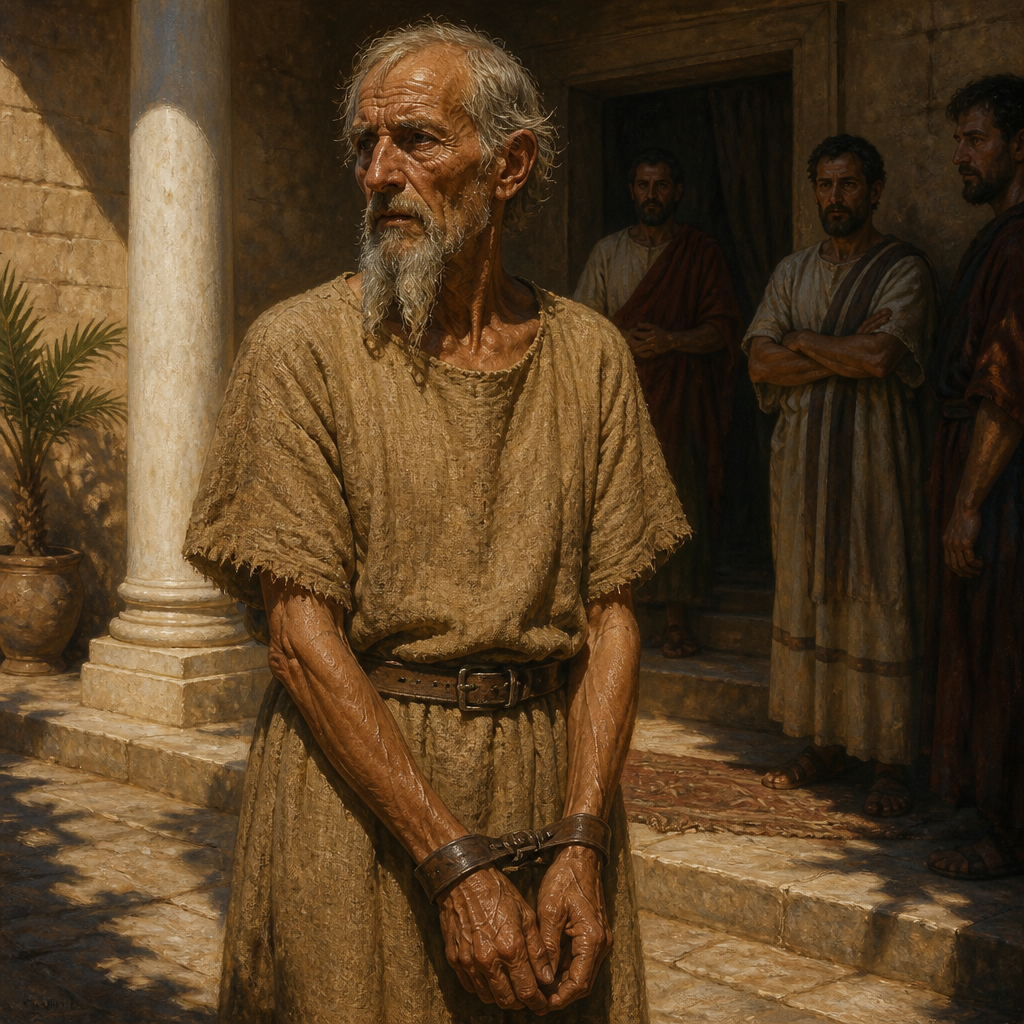
Agabus
Prophet who predicted a global famine and Paul's arrest
Agabus was a prominent Christian prophet from Jerusalem who predicted a global famine and the eventual imprisonment of the Apostle Paul in the mid-1st century AD.
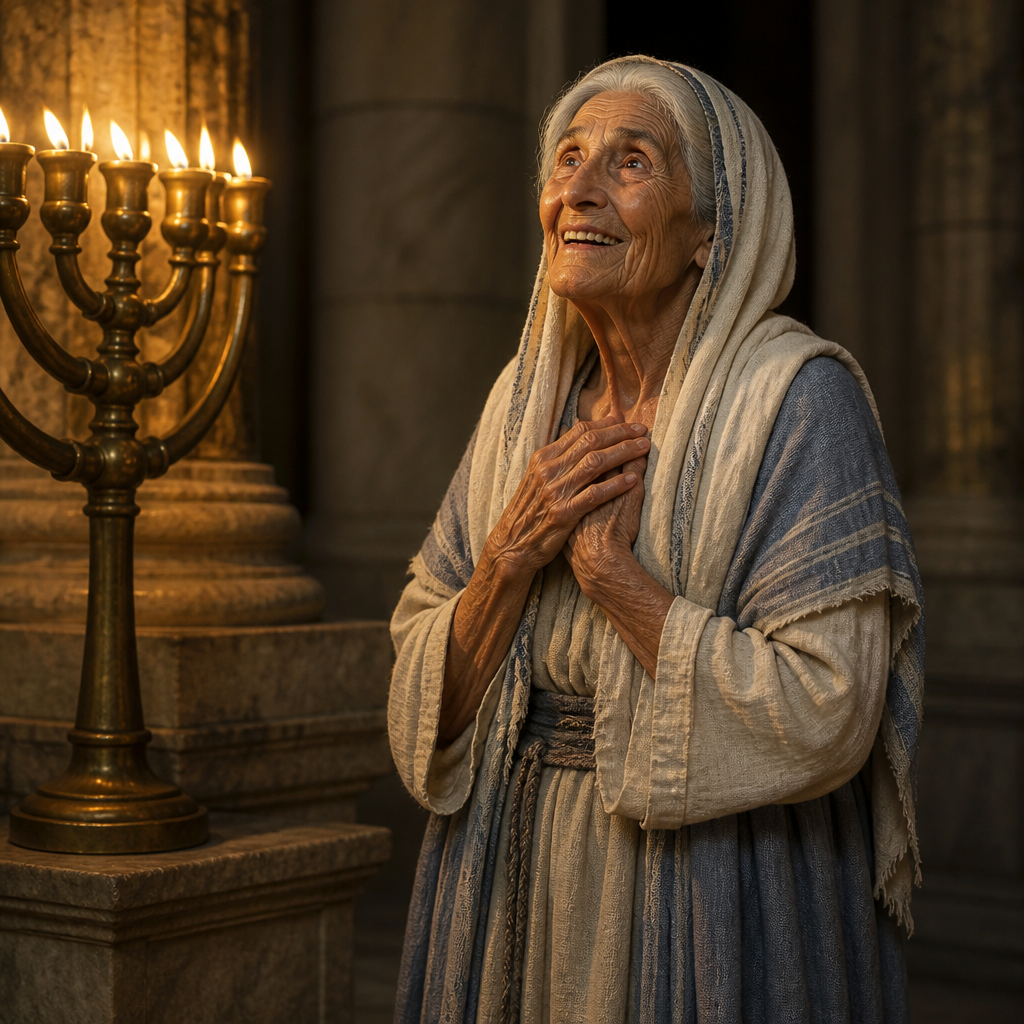
Anna
Prophetess who recognized the infant Jesus as the Redeemer in the Temple
An elderly prophetess of the tribe of Asher who testified to the infant Jesus' identity as the Redeemer in the Temple at Jerusalem.
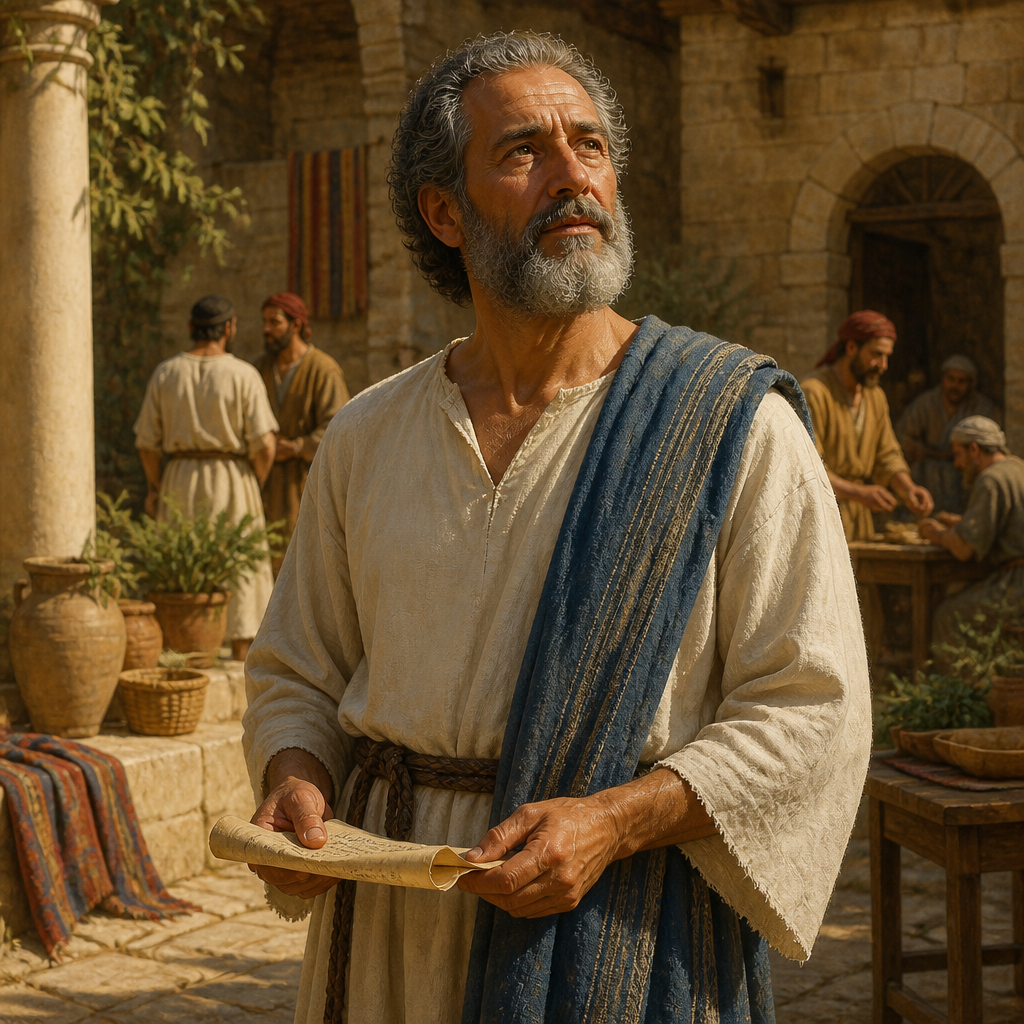
Barnabas
Prophet and leader in the Antioch church who mentored the Apostle Paul
A Levite from Cyprus and prominent early church leader recognized by the Holy Spirit as a prophet and teacher within the Christian community at Antioch.
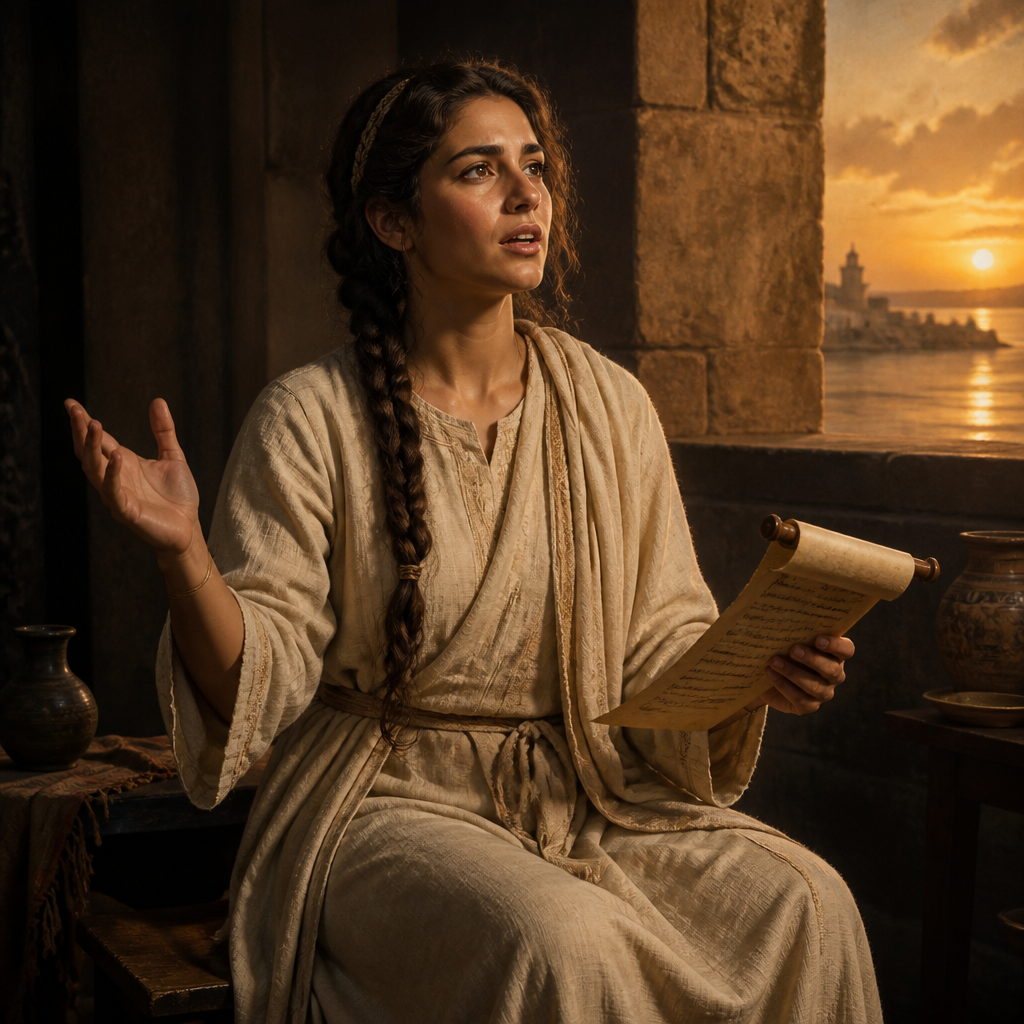
The Daughters of Philip
Four sisters who possessed the spiritual gift of prophecy in the early church
Four unmarried sisters in Caesarea known for their prophetic ministry in the early Christian church during the first century AD.
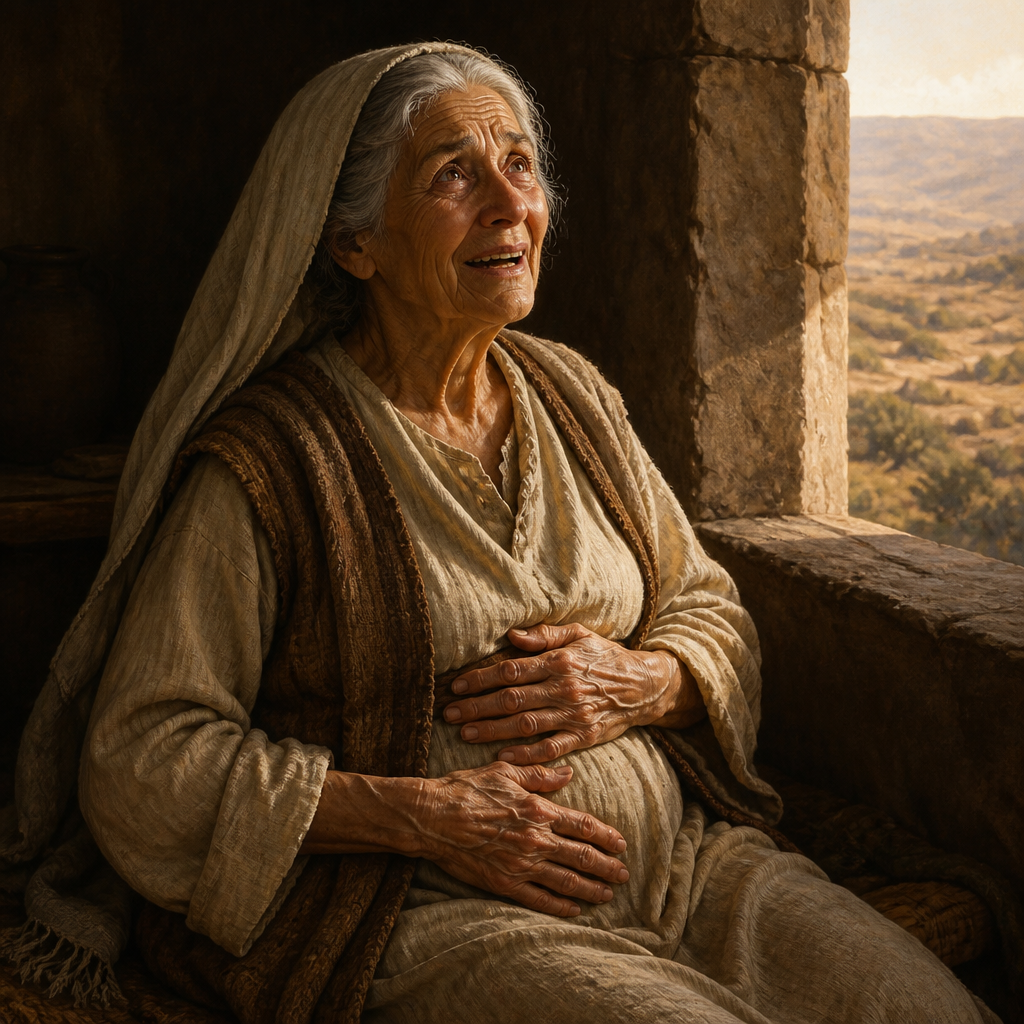
Elizabeth
Prophetess and mother of John the Baptist who recognized the unborn Christ
The mother of John the Baptist, a daughter of Aaron, and a prophetess who recognized the lordship of the unborn Christ.
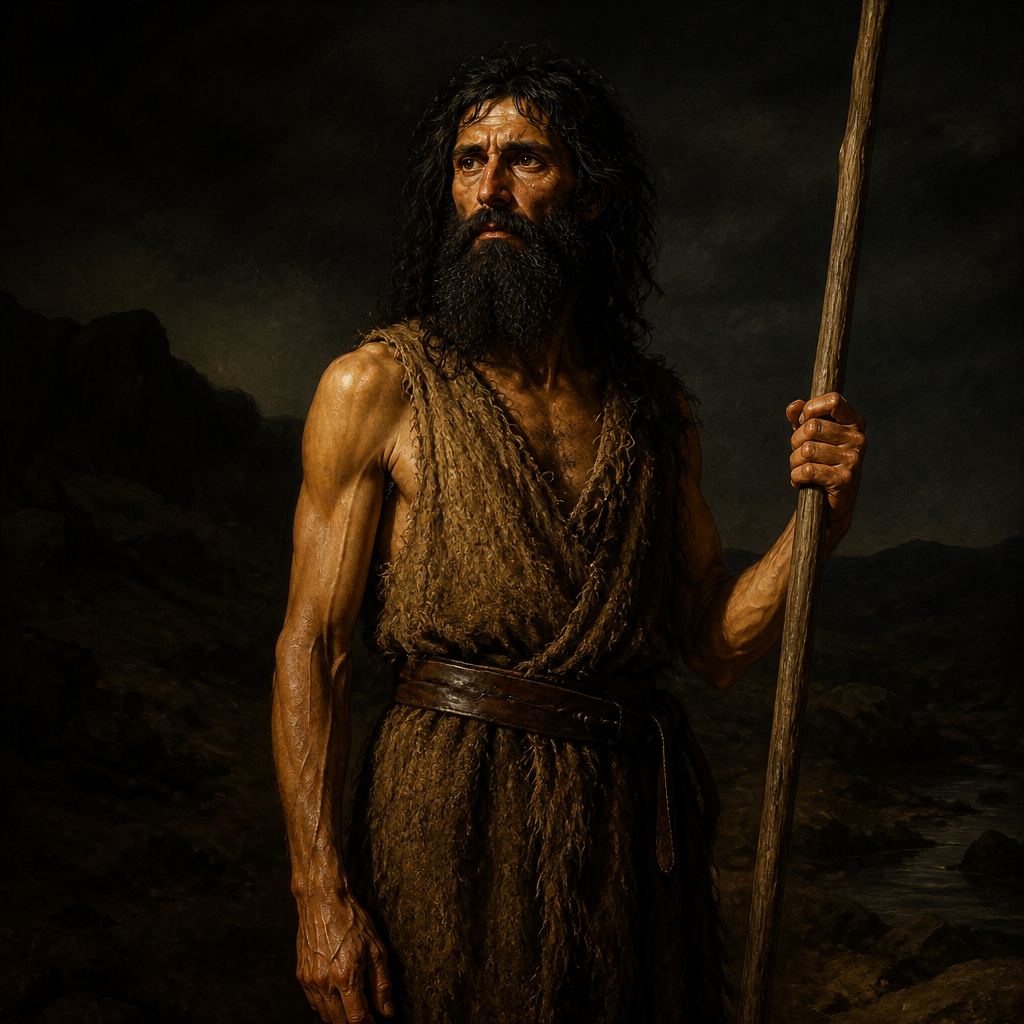
John the Baptist
Prophet who prepared the way for Jesus and baptized him in the Jordan River
The last and greatest prophet of the old covenant era, who lived as an ascetic in the wilderness to prepare the way for the Messiah.
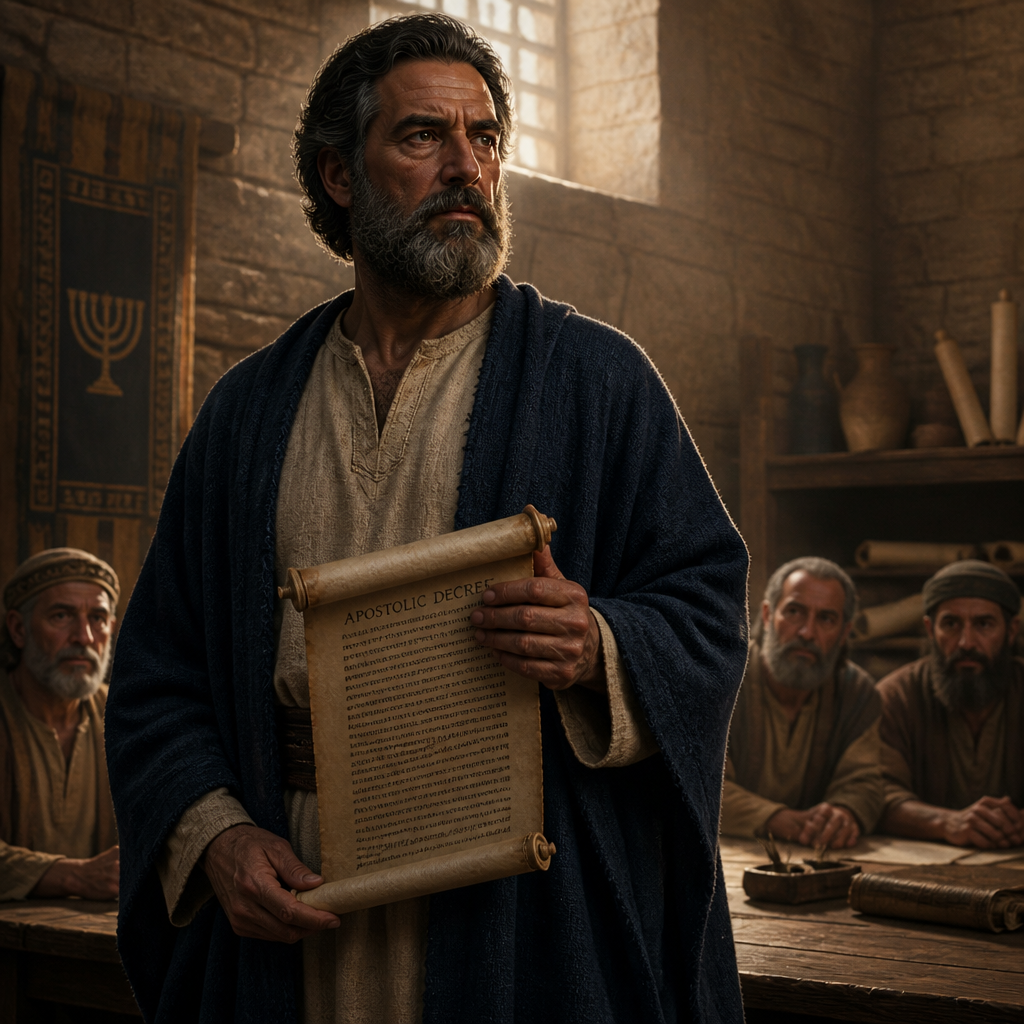
Judas Called Barsabbas
Prophet and leader in the Jerusalem church who helped deliver the Apostolic Decree to Antioch
A prominent leader and prophet in the early Jerusalem church chosen to deliver the Apostolic Decree to the Gentiles in Antioch.
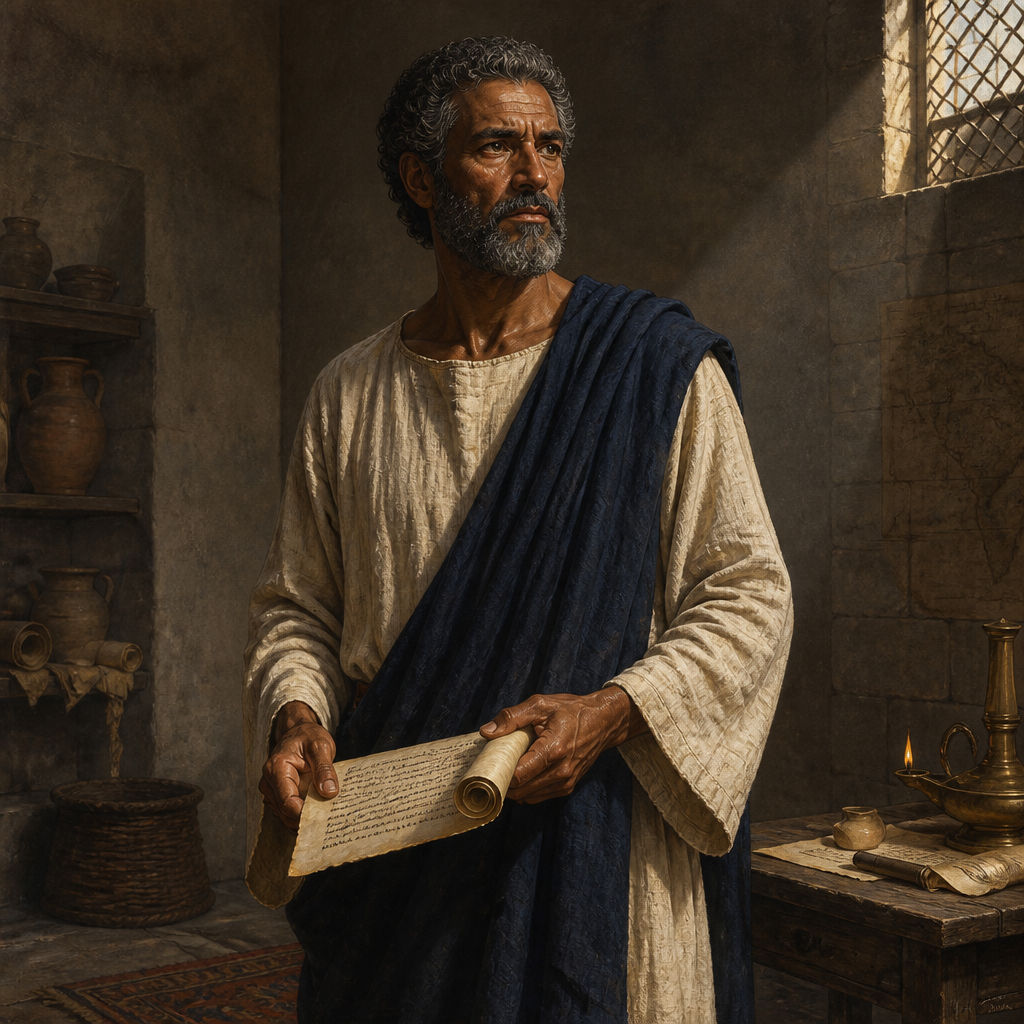
Lucius of Cyrene
Prophet and teacher in Antioch who helped commission the first missionary journey of Paul and Barnabas
A prominent prophet and teacher in the early church at Antioch and a founding figure in the spread of Christianity to the Gentiles.
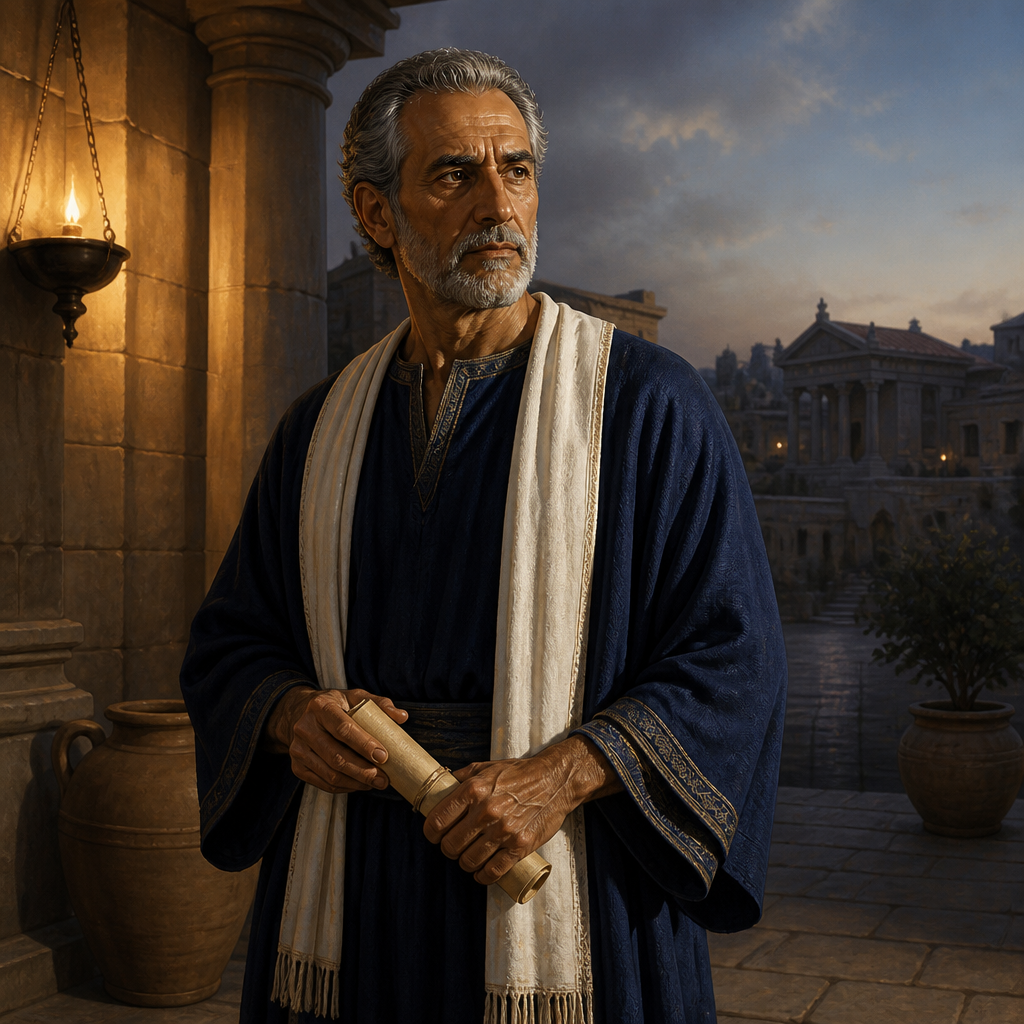
Manaen
Prophet in Antioch who was the foster brother of Herod the Tetrarch
A prominent teacher and prophet in the early Christian church at Antioch who was raised in the royal household of Herod the Tetrarch.
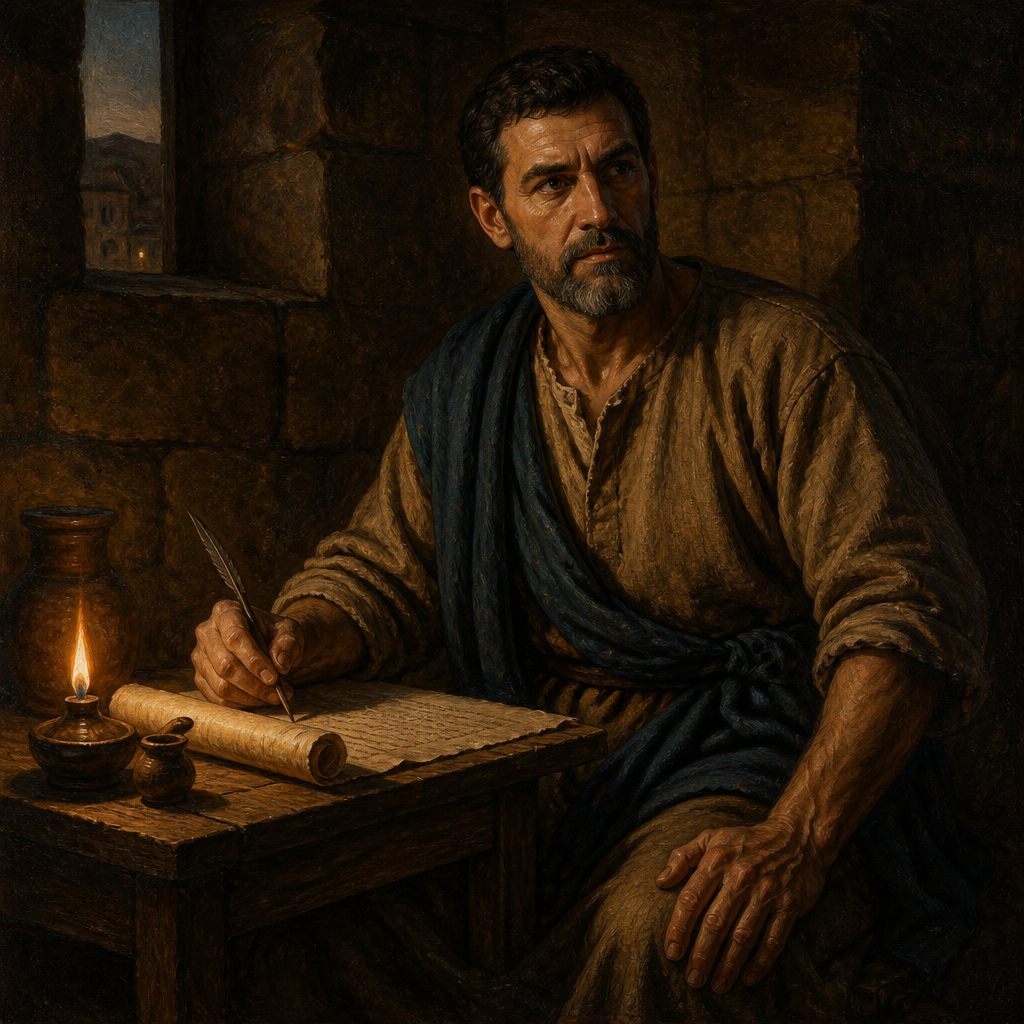
Silas
Prophet and companion of Paul who sang in the Philippian jail
A prominent leader and prophet in the early Jerusalem church who accompanied the Apostle Paul on his second missionary journey and served as a crucial bridge between Jewish and Gentile believers.
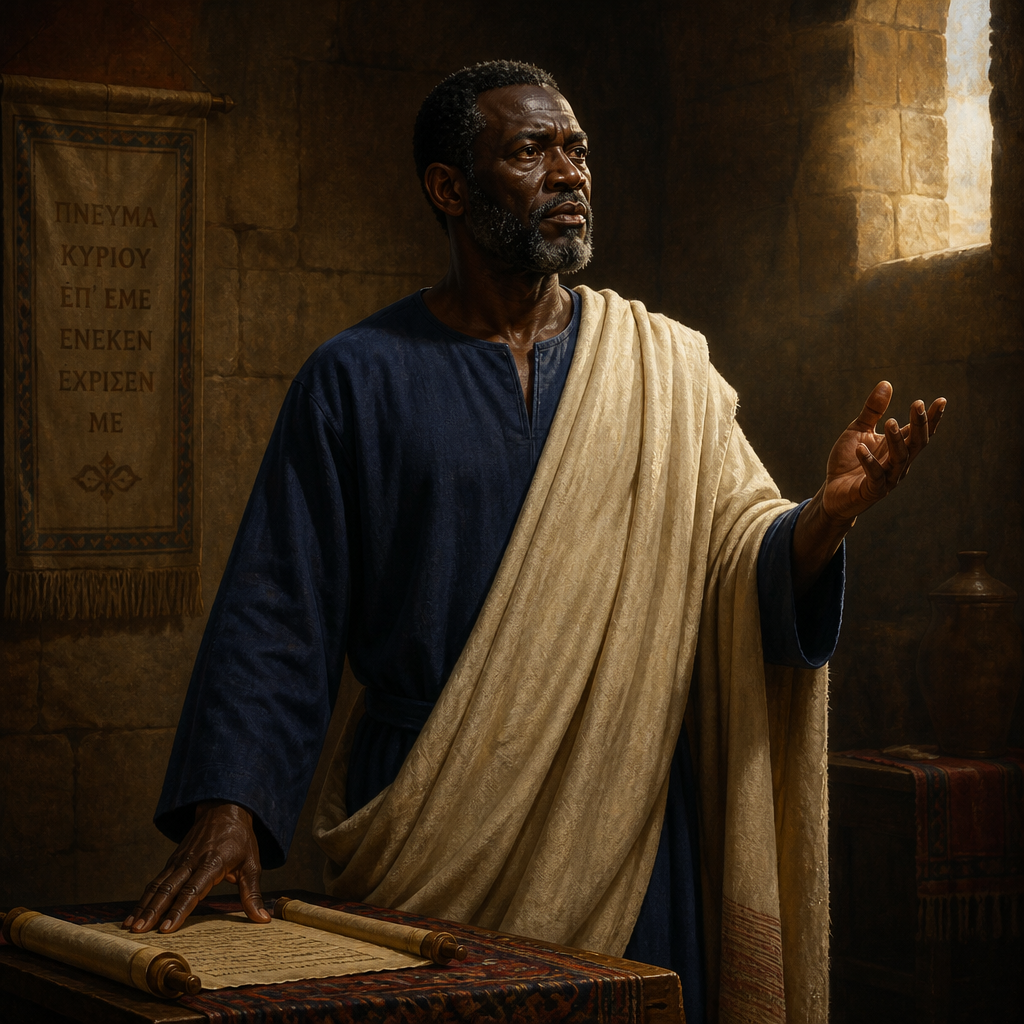
Simeon Called Niger
Prophet in the church at Antioch who helped commission the first missionary journey of Paul and Barnabas
A prominent prophet and teacher in the early Christian church at Antioch, notable for his leadership and diverse ethnic background during the apostolic era.
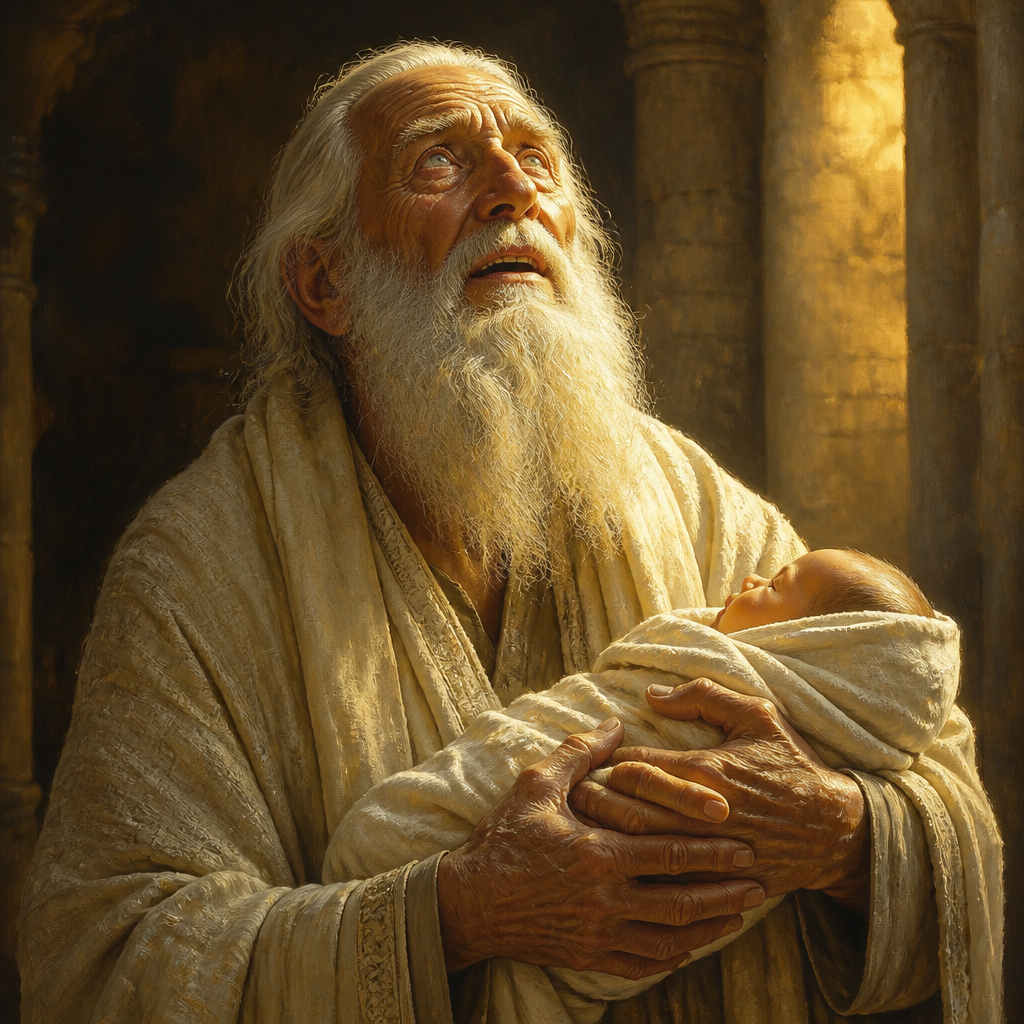
Simeon the Just
Prophet who recognized the infant Jesus as the Messiah in the Temple
A high priest and prophet of the Second Temple period known for his righteousness and for receiving a divine revelation regarding the coming Messiah.
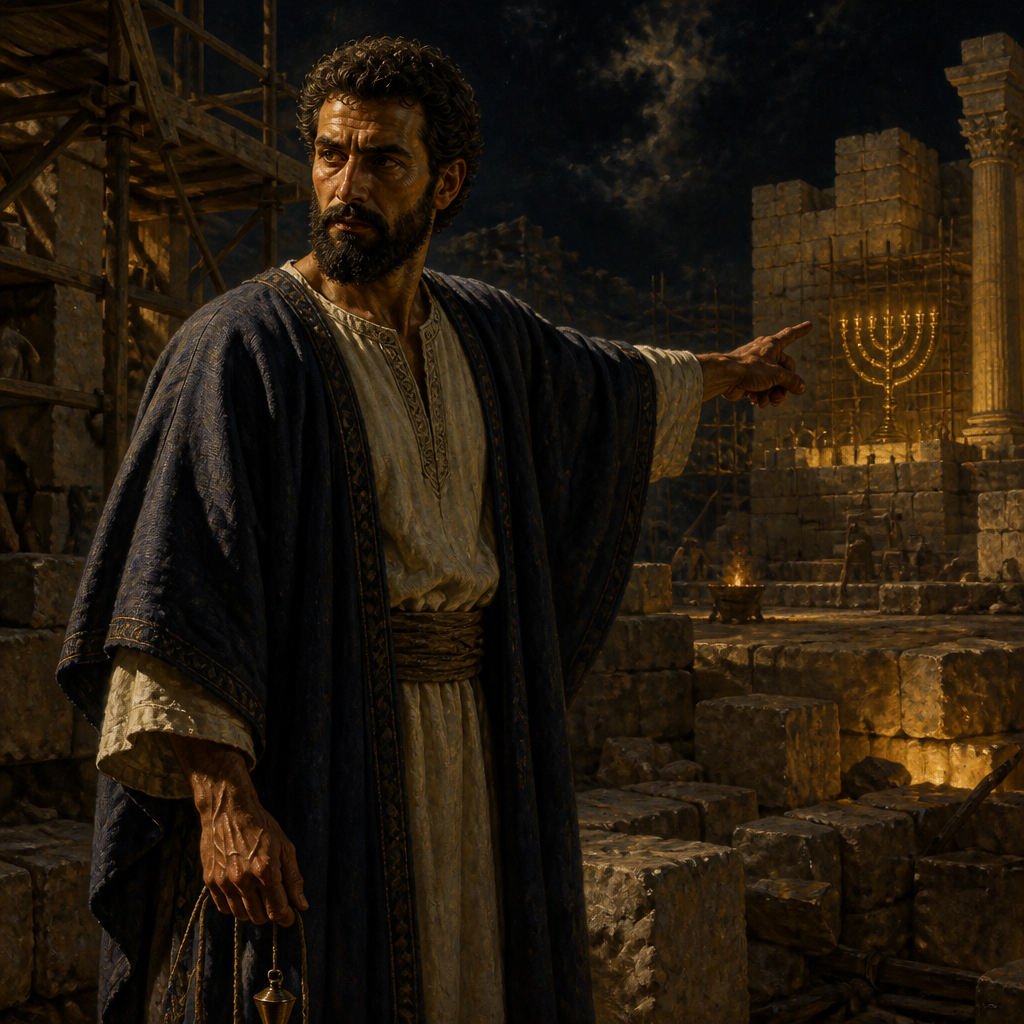
Zechariah
Prophet who encouraged the rebuilding of the Second Temple through apocalyptic visions
Zechariah was a priest and prophet of the Post-Exilic Period who urged the returning Jewish remnant to rebuild the Temple and recorded vivid apocalyptic visions of Israel's future restoration.