Lucius of Cyrene
A prominent prophet and teacher in the early church at Antioch and a founding figure in the spread of Christianity to the Gentiles.
Lucius of Cyrene was a distinguished leader, prophet, and teacher within the early Christian community at Antioch during the 1st century AD. He is identified in the Book of Acts as one of the key figures responsible for the spiritual governance of the church that served as the primary launching pad for global missions. Hailing from Cyrene, a major Greek city in North Africa (modern-day Libya), Lucius represents the diverse, multi-ethnic character of the primitive Church.
While his mentions in the New Testament are brief, his role as a 'prophet and teacher' places him in a high tier of ecclesiastical authority. He was part of the small, influential group that, through prayer and fasting, received the divine revelation to commission Paul and Barnabas for their first missionary journey. As such, Lucius is regarded as a pivotal figure in the transition of the Gospel from a primarily Jewish context to a worldwide movement.
Background and Family
Lucius originated from Cyrene, a prosperous Greco-Roman city in the region of Cyrenaica in North Africa. In the 1st century AD, Cyrene held a significant Jewish population, many of whom were deeply integrated into both Hellenistic culture and the religious life of Jerusalem. While the scriptures do not provide details regarding Lucius’s immediate lineage or family, his name—'Lucius'—is of Latin origin, suggesting he may have lived in a Romanized environment or belonged to a family with Roman connections.
It is highly probable that Lucius was among the 'men of Cyrene' mentioned in Acts 11:20. These unnamed individuals were early converts who, following the persecution that arose after the martyrdom of Stephen, traveled to Antioch. Unlike many of their contemporaries who preached only to Jews, these Cyrenians began speaking to Greeks (Gentiles) also, preaching the Lord Jesus. If Lucius was part of this pioneering group, he was at the forefront of the most significant theological shift in the early church: the inclusion of non-Jewish believers.
Major Life Events
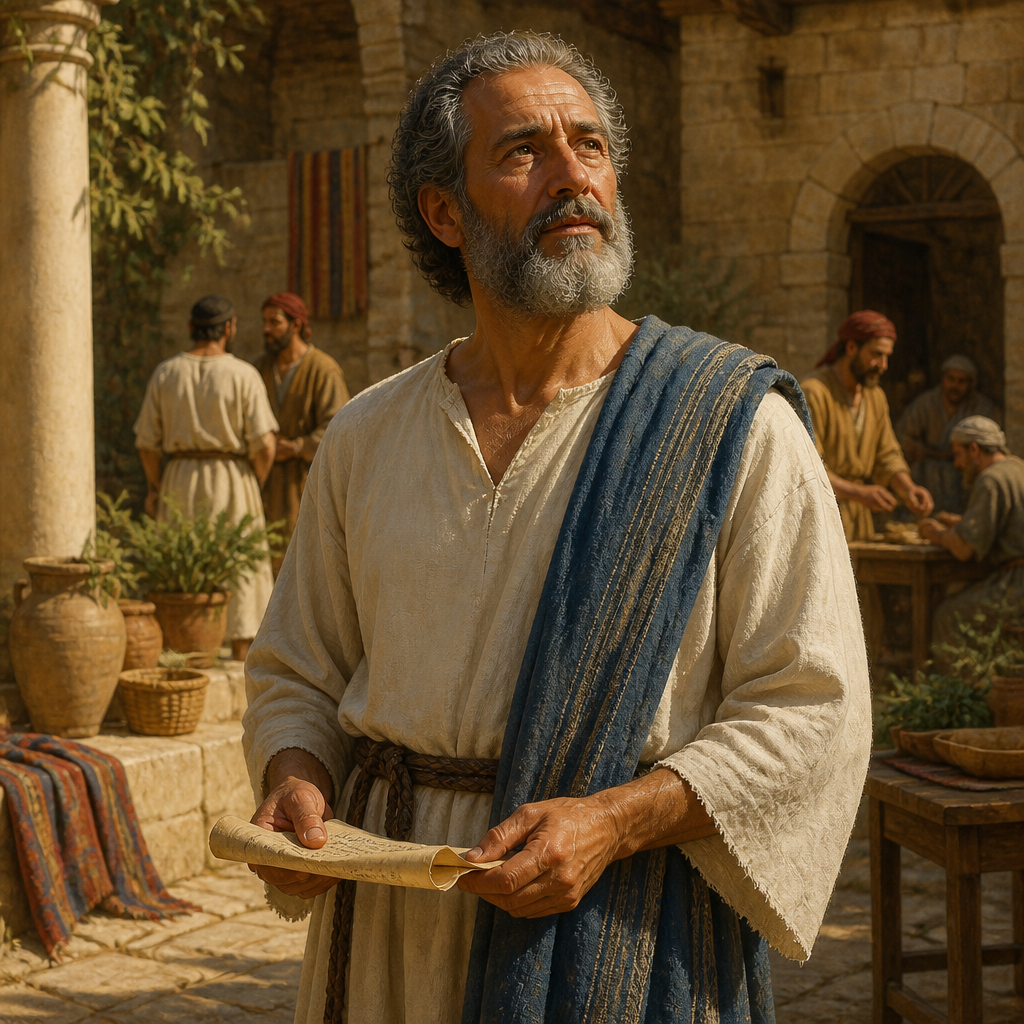
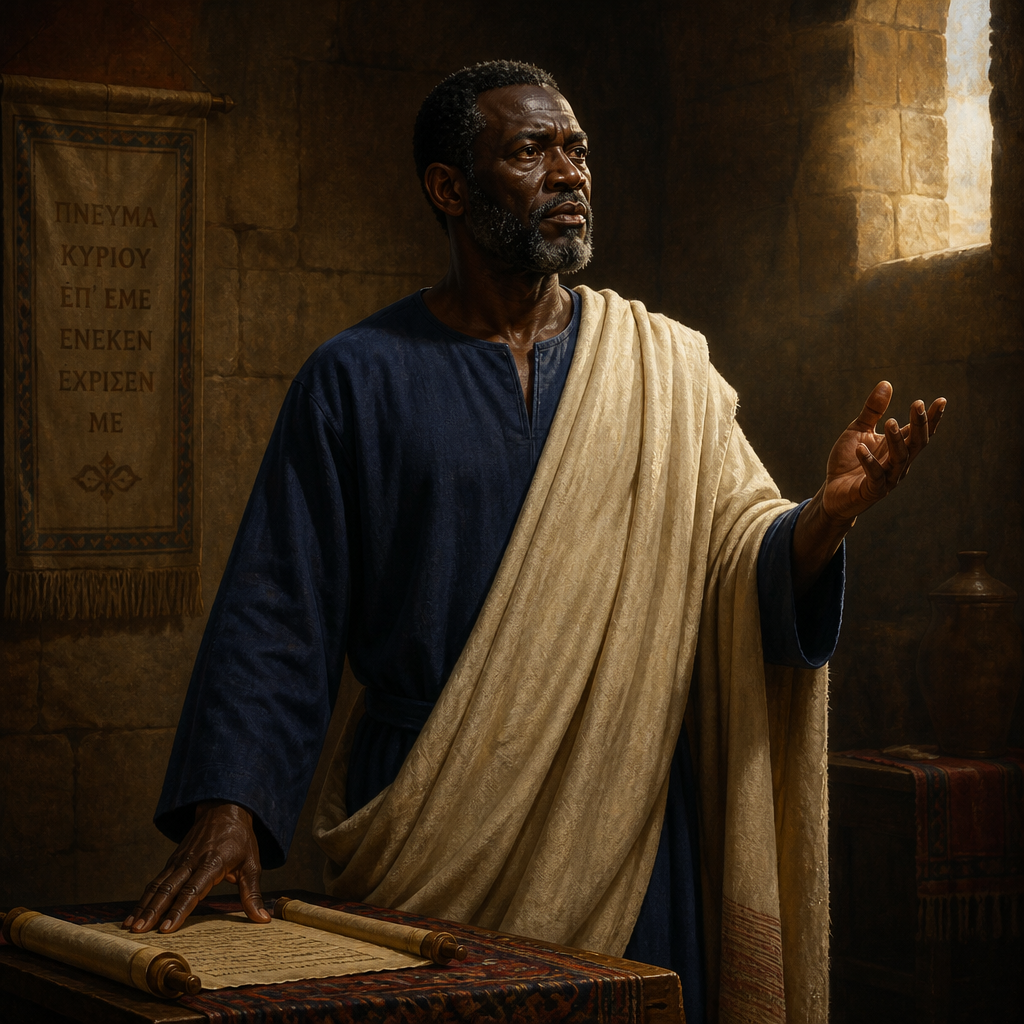
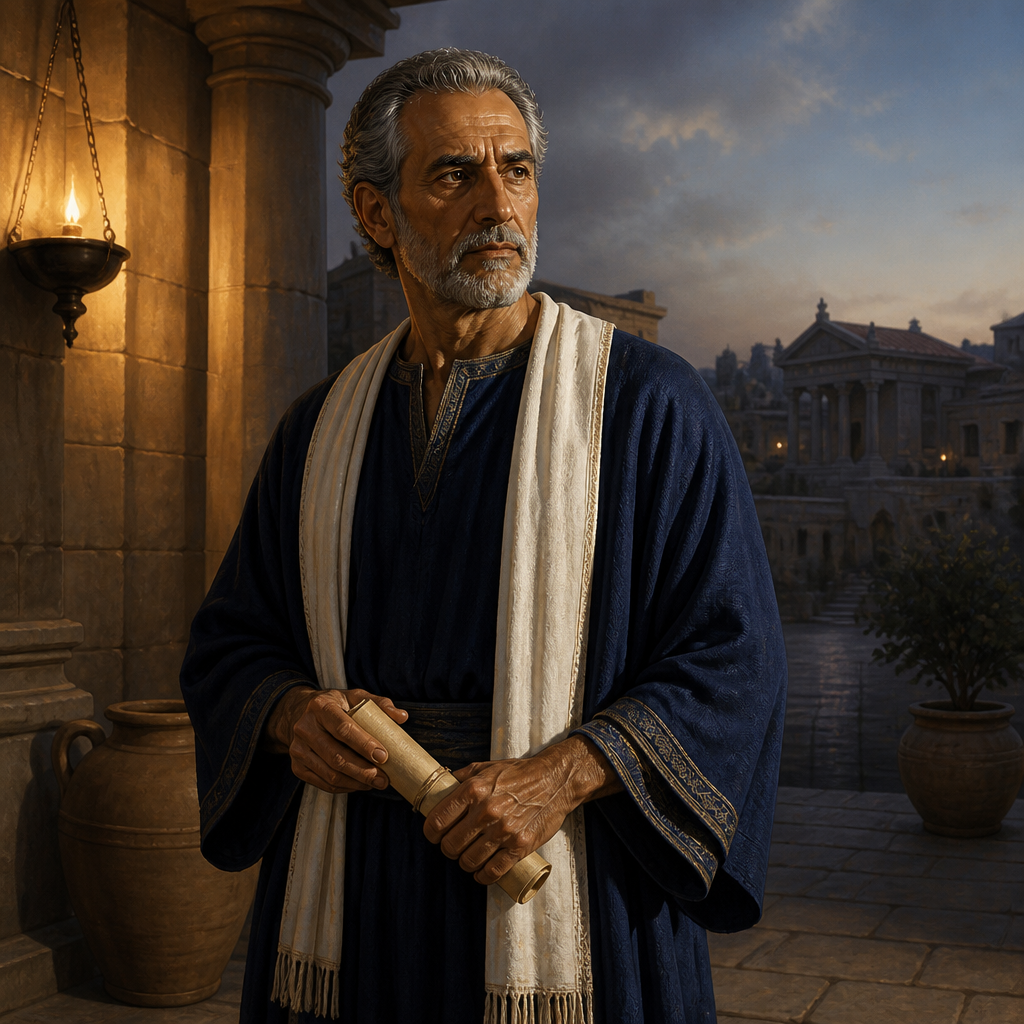
The primary historical record of Lucius is found in Acts 13:1-3. At this juncture, the church at Antioch had become a vibrant center for the faith. Lucius is listed among five specific 'prophets and teachers' residing there: Barnabas, Simeon (called Niger), Lucius of Cyrene, Manaen (a close associate of Herod the tetrarch), and Saul (Paul).
This group represented a cross-section of the Mediterranean world, and Lucius’s inclusion signifies his status as a spiritual heavyweight. The text describes a period of communal worship and fasting, during which the Holy Spirit spoke to the group. The specific role of a 'prophet' in this context involved the reception and proclamation of direct revelation from God to guide the community. Lucius, along with his colleagues, participated in the laying on of hands and the formal sending off of Paul and Barnabas. This act effectively inaugurated the era of organized Christian missions to the West.
Relationship to Other Biblical Figures
Lucius operated in a circle of the most influential figures of the Apostolic Age. His relationship with Barnabas and Paul was one of peerage in ministry. Before Paul became the 'Apostle to the Gentiles,' he served under and alongside men like Lucius in Antioch.
Additionally, Lucius is linked with Simeon called Niger. Some scholars note that 'Niger' is a Latin term for 'Black,' suggesting that Simeon, like Lucius of Cyrene, was of African origin. Together, they represent the significant North African contribution to early Christian leadership. Lucius also served alongside Manaen, a man of high social standing who had been brought up with Herod Antipas. This indicates that Lucius’s prophetic ministry reached across all social strata, from the common traveler of Cyrene to the aristocratic associates of the Judean sub-kings.
Spiritual Significance
Spiritually, Lucius of Cyrene serves as a bridge between the Pentecost event and the global expansion of the Church. He embodies the fulfillment of the promise that the Gospel would reach the 'ends of the earth.' As a prophet, he was a vessel for the Holy Spirit’s direction, ensuring that the Church did not remain a localized sect of Judaism but became a 'house of prayer for all nations.'
In the hierarchy of the early church, prophets held a position second only to apostles (1 Corinthians 12:28). Lucius’s role as both a prophet and a teacher suggests a balance of charismatic revelation and systematic instruction in the scriptures. He did not merely predict the future; he interpreted the present movement of God and grounded the new Gentile converts in the 'doctrine of the apostles.' His legacy is found in the very existence of the Gentile Church, which he helped foster through his leadership at the Antiochian headquarters.
Spiritual Significance
Lucius of Cyrene is significant as one of the few named African leaders in the New Testament church. His role as a prophet and teacher at Antioch highlights the decentralized and diverse nature of early Christian authority, showing that the church's direction was shaped by leaders from across the Roman Empire, not just Jerusalem. He was instrumental in the divine appointment of Paul and Barnabas, which changed the course of Western history.
Furthermore, his presence in the list of prophets in Acts 13 underscores the importance of the prophetic office in the apostolic era. Lucius represents the transition from the Old Testament prophetic tradition to the New Testament gift of the Spirit, where the prophet’s primary function was to build up, encourage, and provide strategic direction for the Great Commission.
Frequently Asked Questions
Was Lucius of Cyrene the same person as Luke the Evangelist?
Most biblical scholars distinguish between the two. 'Lucius' (Loukios) and 'Lucas' (Luke) are distinct names in Greek. While some ancient traditions attempted to equate them, the text of Acts treats them as different individuals; the author of Acts (Luke) usually remains anonymous or uses 'we' passages rather than naming himself in the third person among the prophets of Antioch.
What does it mean that Lucius was a 'prophet'?
In the New Testament context, a prophet was someone chosen by God to speak divinely inspired messages to the church. This included providing direction (as seen in Acts 13), bringing conviction, and strengthening the faith of believers through the direct revelation of the Holy Spirit.
Where was Cyrene, and why is it important?
Cyrene was a Greek city in modern-day Libya. It is important because its inhabitants were among the first to preach the Gospel to non-Jews in Antioch, breaking the cultural barriers that had previously limited Christianity to Jewish circles.
Is Lucius of Cyrene mentioned in the Old Testament?
No, Lucius of Cyrene appears only in the New Testament, specifically during the period of the early church expansion following the death and resurrection of Jesus.
What happened to Lucius after the events in Antioch?
The Bible does not provide further details on Lucius's life after Acts 13. However, various Christian traditions suggest he may have later served as a bishop in Cyrene or Kenchreai, though these accounts are not scripturally verified.
Connected Figures
Paul the Apostle
Colleague in the Antioch church
Barnabas
Fellow prophet and teacher
Simeon called Niger
Fellow African leader and prophet
Manaen
Fellow teacher in Antioch