Agabus
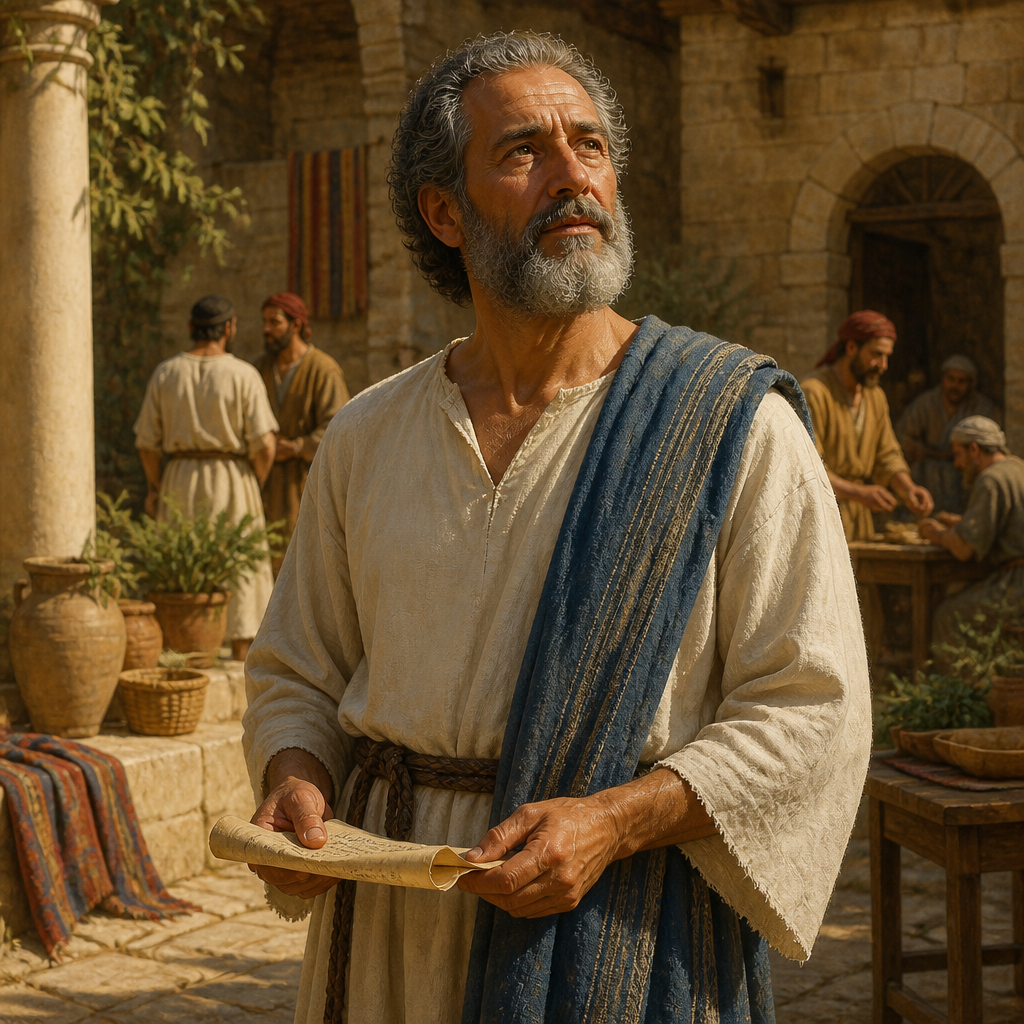
Agabus was a prominent Christian prophet from Jerusalem who predicted a global famine and the eventual imprisonment of the Apostle Paul in the mid-1st century AD.
Agabus was one of the few named prophets in the early New Testament church, specifically operating during the Apostolic Age. He was a member of the Christian community in Jerusalem who traveled to various centers of the burgeoning faith to deliver divinely received messages. His role illustrates the ongoing presence of the prophetic office in the transition from the Old Covenant to the New Covenant era.
He is primarily known from two distinct episodes recorded in the Book of Acts. In the first, he correctly predicted a severe famine that would affect the entire Roman world. In the second, he utilized symbolic prophetic actions to warn the Apostle Paul of his impending arrest and suffering if he proceeded to Jerusalem. His accuracy and the respect afforded to him by the elders of the church establish him as a significant figure in the history of early Christianity.
Background and Family
Historically and biblically, very little is known regarding the personal lineage or early life of Agabus. The text of the New Testament introduces him as a prophet arriving from Jerusalem, suggesting he was an established leader within the mother church of the Christian movement. His name, Agabos, is of uncertain origin, though some scholars suggest it may be related to the Hebrew root agab, meaning "to love," while others point toward a possible connection to the locust (hagab), perhaps reflecting the nature of his ascetic or prophetic calling.
As a resident of Jerusalem, Agabus lived at the epicenter of the early church's development. He would have been a contemporary of the original twelve apostles and likely witnessed the rapid expansion of the faith following the day of Pentecost. His identification as a "prophet" (Acts 11:27) indicates that he held a recognized office within the ecclesiological structure of the first-century church, tasked with communicating specific revelations from the Holy Spirit to the community of believers.
Major Life Events
Agabus appears in two critical junctures within the narrative of the Book of Acts, both involving predictions that significantly impacted the mission of the apostles.
The Famine in the Reign of Claudius
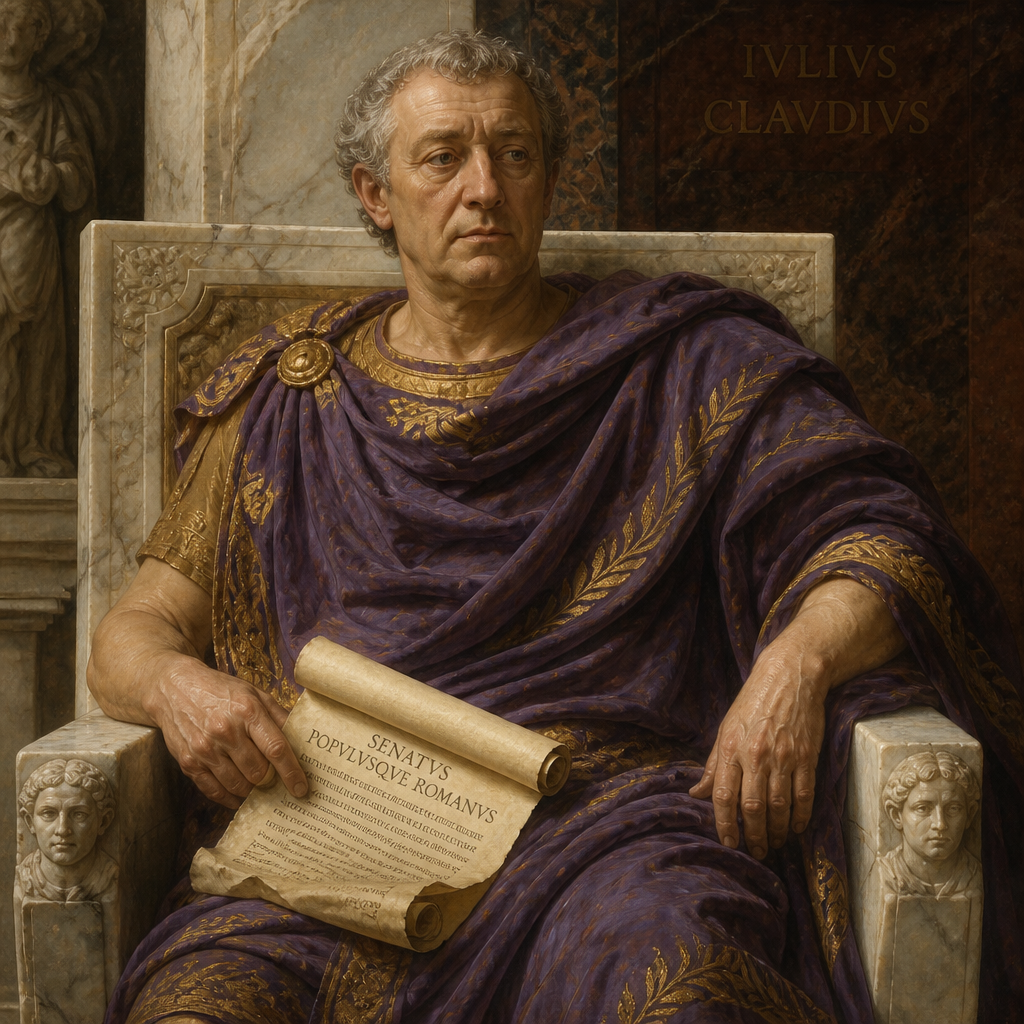
The first recorded event (Acts 11:27–30) occurred during the time when the church at Antioch, consisting of both Jews and Gentiles, was beginning to flourish. Agabus traveled from Jerusalem to Antioch with a group of other prophets. Through the Spirit, he "signified that there should be a great dearth throughout all the world." Luke, the author of Acts, parenthetically notes that this event did indeed come to pass during the reign of the Roman Emperor Claudius (AD 41–54).
This prophecy was transformative for the early church because it prompted the first organized inter-church relief effort. The disciples in Antioch, hearing the warning, determined to send financial aid to the brethren living in Judea. This act of charity not only mitigated the effects of the famine but also served to strengthen the bond between the Gentile-leaning church in Antioch and the Jewish-Christian community in Jerusalem.
The Prophecy of Paul’s Captivity
Approximately fourteen years later, around AD 58, Agabus appears again in the narrative (Acts 21:10–12). While the Apostle Paul was staying at the house of Philip the Evangelist in Caesarea, Agabus arrived from Judea. In a manner reminiscent of Old Testament prophets like Isaiah or Jeremiah, Agabus performed a symbolic act. He took Paul’s belt (zonē), bound his own hands and feet, and declared:
"Thus saith the Holy Ghost, So shall the Jews at Jerusalem bind the man that oweth this girdle, and shall deliver him into the hands of the Gentiles."
This dramatic warning caused the local believers to plead with Paul to abandon his journey to Jerusalem. However, Paul remained resolute, stating he was ready not only to be bound but to die for the name of the Lord Jesus. Agabus’s prophecy proved accurate; Paul was arrested shortly after his arrival in Jerusalem, eventually leading to his long imprisonment and journey to Rome.
Relationship to Other Biblical Figures
Agabus is closely linked to the Apostle Paul, serving as a divine messenger who provided the final warning of the hardships Paul would face. His interaction with Philip the Evangelist in Caesarea suggests a network of early Christian leaders who shared hospitality and information. Furthermore, his connection to the "elders" and "prophets" of Jerusalem places him in the inner circle of the original Christian leadership, alongside figures like James and Peter, though his specific interactions with them are not detailed in the text.
Spiritual Significance
The spiritual significance of Agabus lies in his role as a bridge between the prophetic traditions of the Old Testament and the new life of the Church. By using symbolic actions—binding himself with a belt—he connected his ministry to the physical, visual preaching style of the ancient Hebrew prophets.
His presence in the New Testament confirms that the early church viewed the "gift of prophecy" as an active and necessary component of their communal life. Agabus was not merely a foreteller of the future but a social catalyst; his famine prophecy spurred the church toward radical generosity, and his warning to Paul served to test and ultimately confirm Paul’s apostolic resolve. The accuracy of his predictions served to validate the guidance of the Holy Spirit during a period of intense transition and persecution.
Spiritual Significance
Agabus is the most prominent example of a 'New Testament Prophet,' demonstrating that the prophetic gift continued beyond the Old Testament era to guide the early Church. His ministry underscores the practical value of prophecy: it was used to mobilize humanitarian relief for the poor in Judea and to psychologically and spiritually prepare the Apostle Paul for his impending arrest and legal battles.
His inclusion in the narrative of Acts serves to validate the early Christian movement as being under the direct, supernatural guidance of the Holy Spirit. By recording the fulfillment of Agabus's famine prediction during the reign of Claudius, the biblical text provides a rare intersection of sacred history and verified secular Roman history, reinforcing the reliability of the Lucan account.
Frequently Asked Questions
Was Agabus one of the 70 disciples mentioned by Jesus?
While the Bible does not explicitly state this, church tradition (specifically in the Eastern Orthodox and Catholic traditions) often includes Agabus among the seventy disciples sent out by Jesus in Luke 10.
How did Agabus die?
The Bible does not record the death of Agabus. However, tradition holds that he was martyred in Antioch for his faith.
Did Agabus attempt to stop Paul from going to Jerusalem?
Agabus provided the warning of what would happen, but the text shows the 'people' and Paul's companions did the pleading. Agabus delivered the message of the Holy Spirit, but the decision to proceed belonged to Paul.
What is the meaning of the name Agabus?
The name is often interpreted as meaning 'locust' in Hebrew (Hagab) or 'beloved' or 'love' related to the root Agab.
Why did Agabus tie himself up with Paul's belt?
This was a 'sign act,' a common practice among prophets to make a verbal message more impactful and memorable. By binding himself, he visually demonstrated the physical reality of the imprisonment Paul would soon face.
Connected Figures
Paul the Apostle
Object of his final prophecy regarding imprisonment
Philip the Evangelist
Host at whose house Agabus prophesied
Barnabas
Fellow minister in Antioch during the famine prophecy
Claudius
Roman Emperor during the famine predicted by Agabus