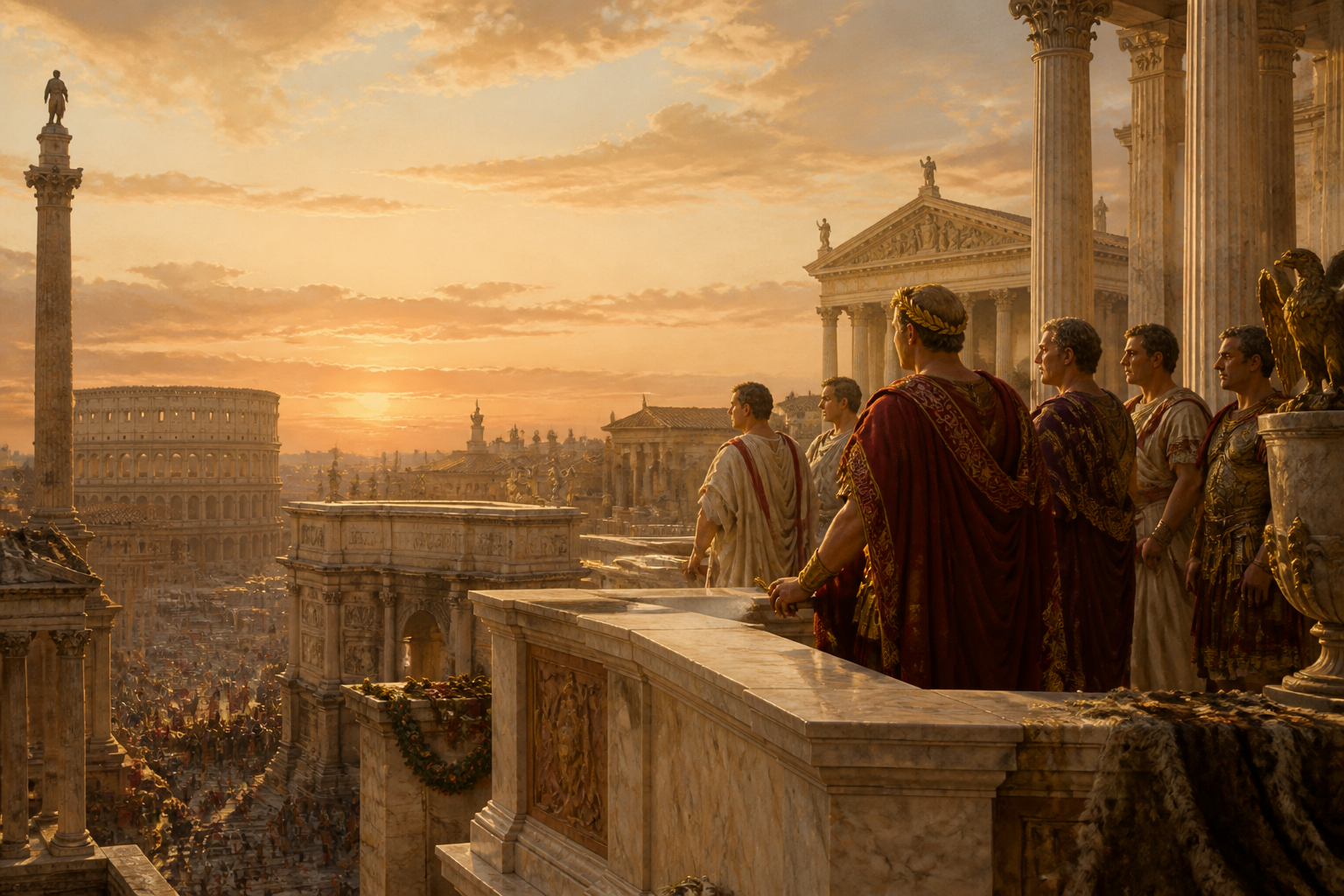
Roman Emperors Mentioned in the Bible
The Caesars whose reigns shaped the world of the New Testament.
“In those days a decree went out from Caesar Augustus that all the world should be registered.” — Luke 2:1
The Roman Emperors of the biblical period represented the supreme political authority over the world in which Judaism transitioned into the era of the Second Temple's destruction and the subsequent emergence of Christianity. As the 'Caesars' mentioned throughout the New Testament, these monarchs embodied the 'world' or the 'empire'—a complex entity that was simultaneously a provider of civic order (Pax Romana) and a source of periodic religious persecution. Their administrative decisions regarding taxation, census-taking, and provincial governance provided the structural framework within which the narratives of Jesus of Nazareth and the early Apostles unfolded.
Historically, the transition from the Roman Republic to the Empire under Augustus coincided with the birth of Jesus, marking a pivot in both secular and sacred chronologies. The New Testament writers do not present a singular view of these leaders; while some passages, such as Romans 13, enjoin believers to submit to governing authorities as ordained by God, the later apocalyptic literature—most notably the Book of Revelation—portrays the imperial cult and certain emperors as adversarial forces. The demand for 'Lordship' became a central point of friction between the Roman state, which required the worship of the Emperor's genius, and the early Christian confession that 'Jesus is Lord.'
Among the various Caesars who reigned during the first century, four are specifically relevant due to their direct impact on biblical events or their explicit mention in the text. Augustus provided the catalyst for the trek to Bethlehem; Tiberius oversaw the period of Jesus’ ministry and crucifixion; Claudius dealt with Jewish unrest in Rome that affected the travels of Paul; and Nero became the primary antagonist of the mid-first-century church. Their legacies remain essential for understanding the sociopolitical pressures, legal challenges, and cultural environment of the primitive Church.
The dynasty
Julio-Claudian family tree
All four Roman emperors named in the New Testament belonged to the Julio-Claudian dynasty founded by Augustus. Solid lines show parent–child relationships; dashed lines mark marriages and adoptions between figures already shown in the tree.
- Julius CaesarDictator 49–44 BC
- Gaius Octavius⚭Atia
- AugustusFirst emperor, r. 27 BC–AD 14⚭LiviaPreviously married Tiberius Claudius Nero
- Octavia⚭Marc Antony
- Antonia⚭Drusus the ElderSon of Livia by Tiberius Claudius Nero
- GermanicusPossibly poisoned on Tiberius' orders, AD 19⚭Agrippina the ElderAugustus' granddaughter
- CaligulaEmperor AD 37–41⚭Caesonia
- Drusilla the YoungerAssassinated with her parents in AD 41
- Agrippina the Younger⚭Gnaeus Domitius Ahenobarbus
- ClaudiusEmperor AD 41–54⚭Valeria Messalina
- BritannicusPossibly poisoned on Nero's orders, AD 55
- OctaviaClaudius' daughter; first wife of Nero
- Tiberius Claudius NeroFirst husband of Livia
The group
Roman Emperors Mentioned in the Bible
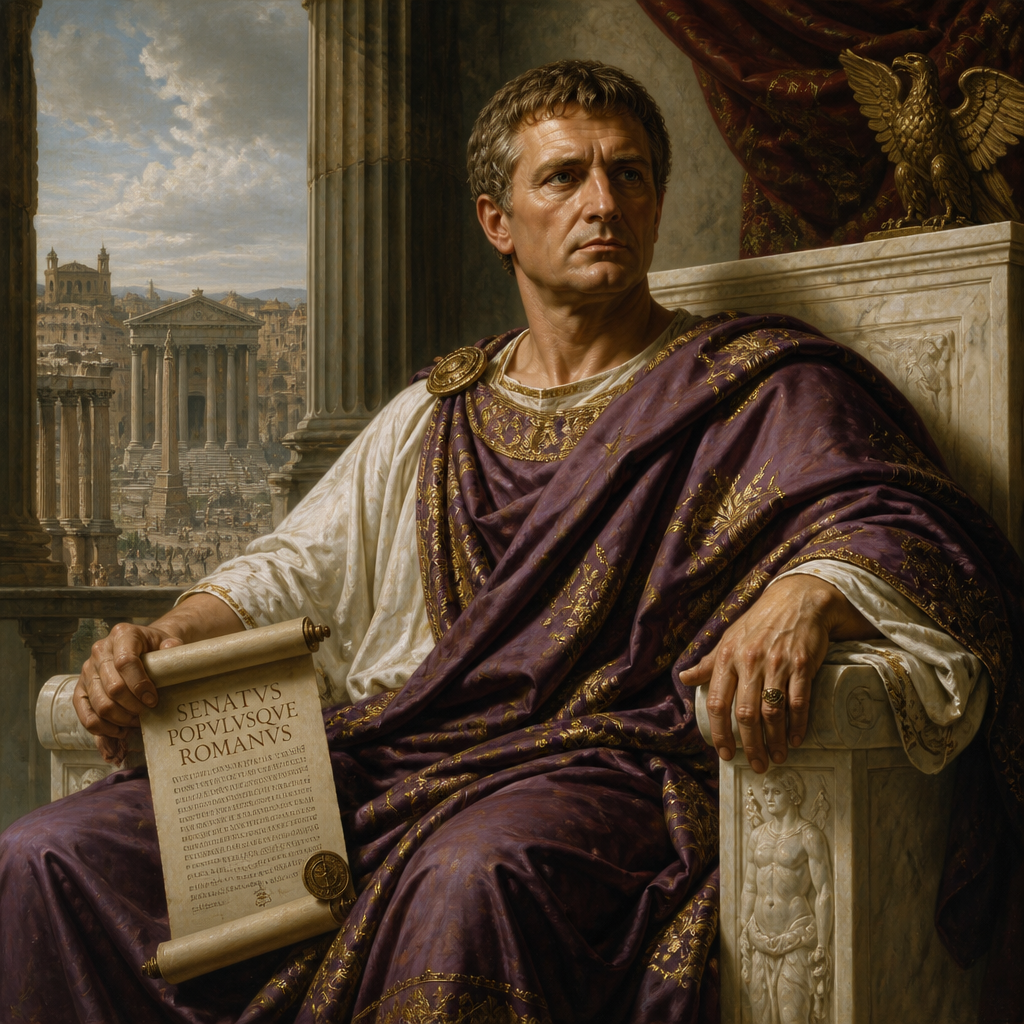
Augustus
Founder of the Roman Empire who decreed the census mentioned in the Gospel of Luke
The first Roman Emperor, whose census decree brought Joseph and Mary to Bethlehem for the birth of Jesus Christ.
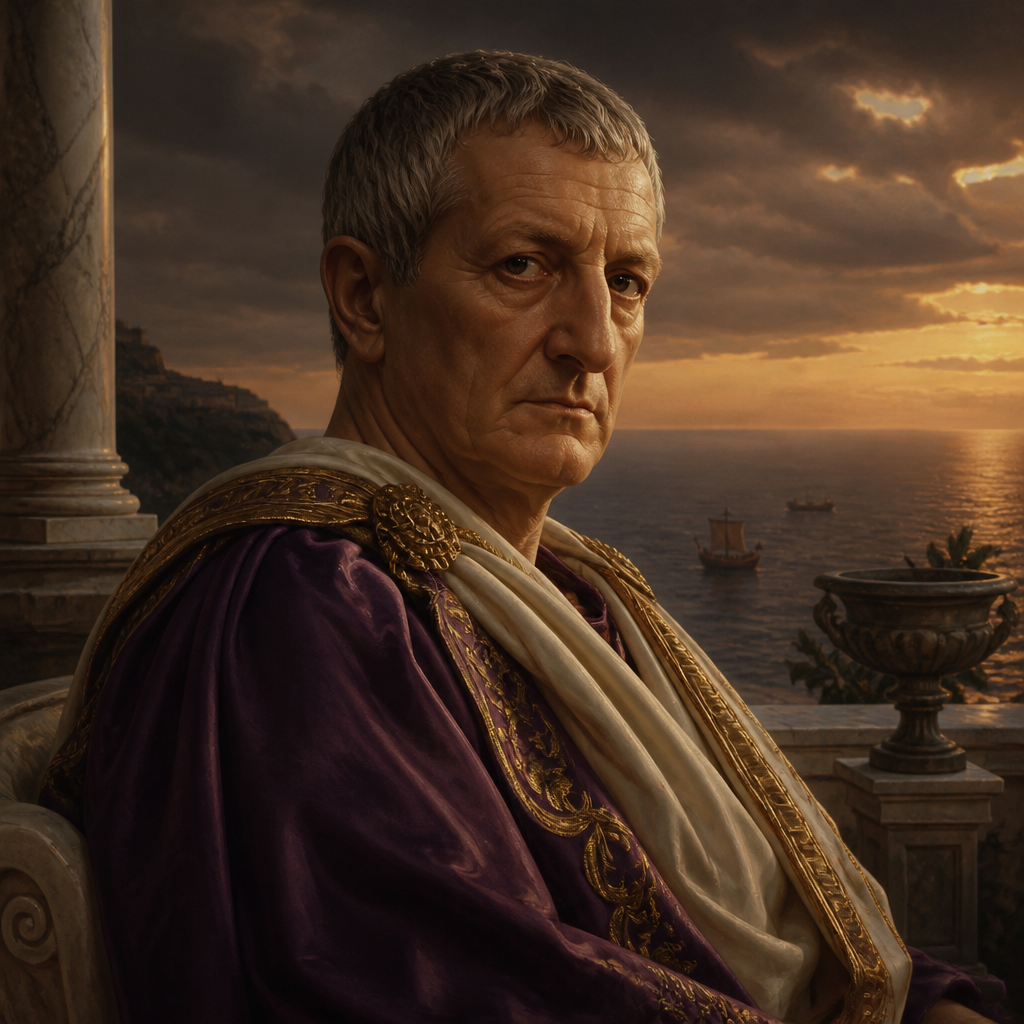
Tiberius
Second Roman emperor whose fifteenth regnal year marks the beginning of Christ's ministry
Tiberius Julius Caesar Augustus was the second Roman Emperor, whose reign spanned the public ministry and crucifixion of Jesus Christ.
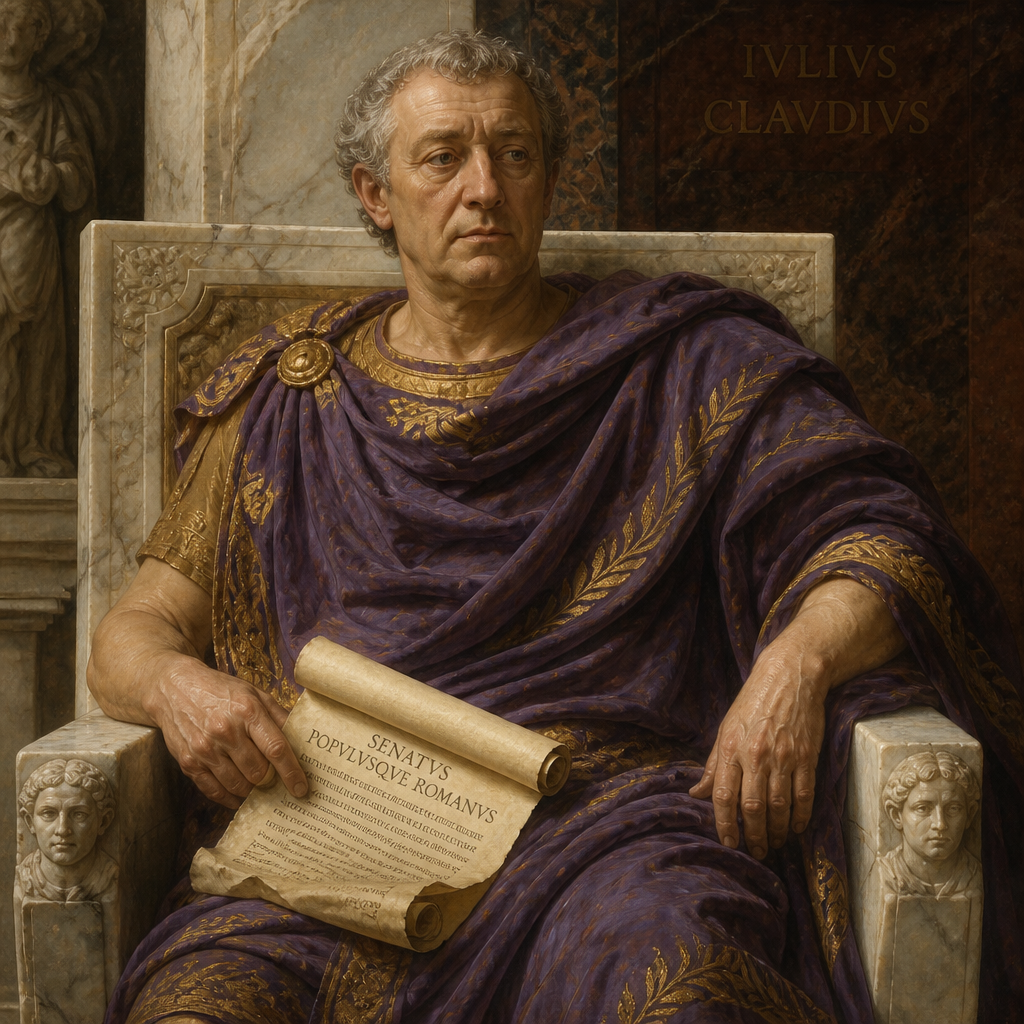
Claudius
Roman emperor who expelled the Jews from Rome and reigned during the early church’s growth
Claudius was the fourth Roman Emperor, reigning from 41 to 54 AD, whose administrative decrees significantly impacted the early Christian missions and the Jewish diaspora.
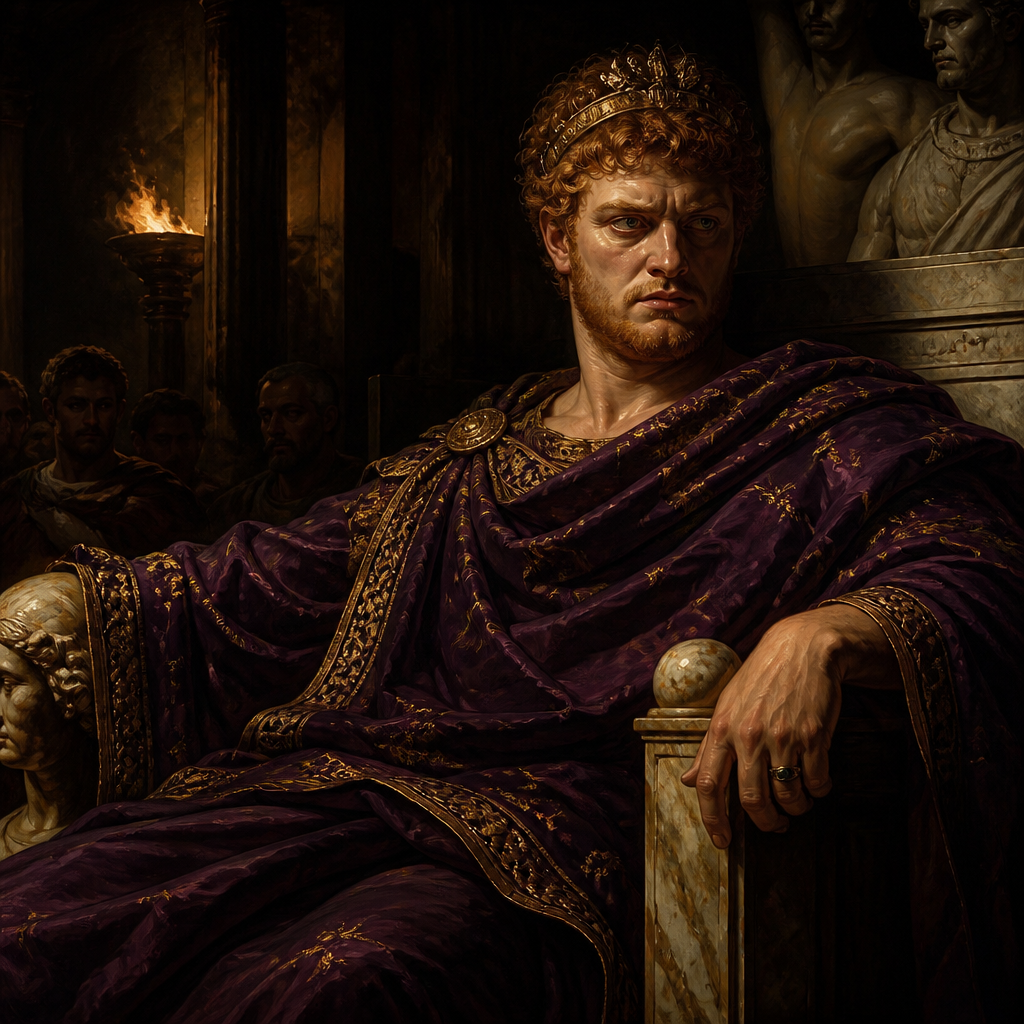
Nero
Architect of the first imperial persecution of Christians and the figure associated with the number 666
Nero was the fifth Roman Emperor, whose reign is marked by the first state-sponsored persecution of Christians and the backdrop for the final ministries of Paul and Peter.