Augustus
The first Roman Emperor, whose census decree brought Joseph and Mary to Bethlehem for the birth of Jesus Christ.
Augustus, born Gaius Octavius and later known as Octavian, was the founder of the Roman Empire and its first emperor, ruling from 27 BC until his death in AD 14. He is primarily known in the biblical narrative for the decree that initiated a census throughout the Roman world. This administrative act, while secular in nature, served as the catalyst for the fulfillment of the Messianic prophecy concerning the birthplace of Jesus.
His reign marked the beginning of the Pax Romana (Roman Peace), a long period of relative peace and stability across the Mediterranean world. This geopolitical environment provided the infrastructure—including roads and safe maritime travel—that would later facilitate the rapid spread of Christianity during the apostolic age. In the Gospel of Luke, Augustus represents the ultimate temporal authority of the world into which the King of Kings was born.
Background and Family
Born in 63 BC as Gaius Octavius, Augustus was the grandnephew and posthumously adopted son of Julius Caesar. Following Caesar's assassination in 44 BC, Octavian entered a volatile political landscape, eventually forming the Second Triumvirate with Mark Antony and Marcus Lepidus. After years of civil war and the ultimate defeat of Antony and Cleopatra at the Battle of Actium in 31 BC, Octavian emerged as the sole ruler of the Roman world.
In 27 BC, the Roman Senate granted him the title "Augustus," a name carrying religious overtones of veneration and sanctity. He carefully maintained the facade of the Roman Republic while consolidating absolute power as Princeps (First Citizen). His family life was complex; though he promoted traditional Roman morality, his own household faced scandals, and he eventually settled on his stepson Tiberius—the son of his wife Livia—to be his successor.
Major Life Events
Augustus oversaw a massive transformation of the Roman state. He reorganized the military, secured the borders of the empire, and initiated vast building projects, famously claiming to have found Rome a city of bricks and left it a city of marble. However, for students of the Bible, his most significant act was the implementation of a systematic tax assessment and census across the provinces.
According to Luke 2, Augustus issued a decree that "all the world should be registered." This census required individuals to return to their ancestral homes. For Joseph, a descendant of King David, this necessitated a journey from Nazareth in Galilee to Bethlehem in Judea. This event occurred during the governorship of Quirinius in Syria, a detail that has been the subject of much historical and archaeological discussion regarding the exact timing of the Roman administrative cycles.
Relationship to Other Biblical Figures
While there is no record of Augustus ever meeting the central figures of the New Testament, his administrative decisions fundamentally shaped their lives. By ordering the census, he unknowingly acted as an instrument of divine providence, ensuring that Mary would be in Bethlehem when it was time for Jesus to be born, thereby fulfilling the prophecy of Micah 5:2.
Furthermore, Augustus was the supreme authority over the Herodian dynasty. He confirmed Herod the Great as King of the Jews, a role Herod held at the time of Jesus' birth. The political stability Augustus maintained allowed for the Herodian temple projects and the general environment of the New Testament era. His successor, Tiberius, was the emperor during the ministry and crucifixion of Jesus, but it was Augustus who set the stage for the Roman world into which the Gospel entered.
Spiritual Significance
The mention of Augustus in the Gospel of Luke serves a dual purpose. Historically, it links the sacred events of the Gospel to the verifiable chronology of world history, asserting that the birth of Jesus was not a myth but a historical reality. Theologically, it presents a sharp contrast between the two claimants to the title "Son of God."
In the Roman Imperial Cult, Augustus was hailed as Divi filius (Son of the Divine), and his birth was celebrated as "good news" (euangelion) for the world for bringing peace. By using these same terms, the Gospel writers presented a subversive message: the true source of peace and the true Son of God was not the emperor in Rome, but a child born in a manger in a remote province. The Pax Romana of Augustus provided the physical peace and roads for the Gospel, but the Pax Christi offered by Jesus provided a spiritual peace that the Roman Empire could neither give nor take away.
Spiritual Significance
Augustus represents the intersection of secular history and divine providence. By issuing a census for the purposes of Roman taxation and administration, he unknowingly facilitated the fulfillment of Old Testament prophecy regarding the Messiah's birth in Bethlehem. His reign created the peaceful conditions and infrastructure necessary for the eventual expansion of the early Church.
Frequently Asked Questions
Why did Augustus order a census?
The census was primarily for taxation purposes and to determine the number of inhabitants in the empire who were eligible for military service or legal duties.
Did Augustus know about Jesus?
There is no historical or biblical evidence that Augustus was aware of the birth of Jesus or the events surrounding it in the Judean province.
What does the name 'Augustus' mean?
The name is derived from the Latin 'augere' (to increase) and carries the connotation of being 'venerable', 'majestic', or 'revered'.
How long did Augustus rule?
Augustus ruled for approximately 40 years, from 27 BC until his death in AD 14.
How did Augustus change the Roman government?
He transitioned Rome from a Republic governed by elected officials and a Senate into an Empire led by a single, hereditary leader (the princeps).
Connected Figures

Herod the Great
Client King under Augustus
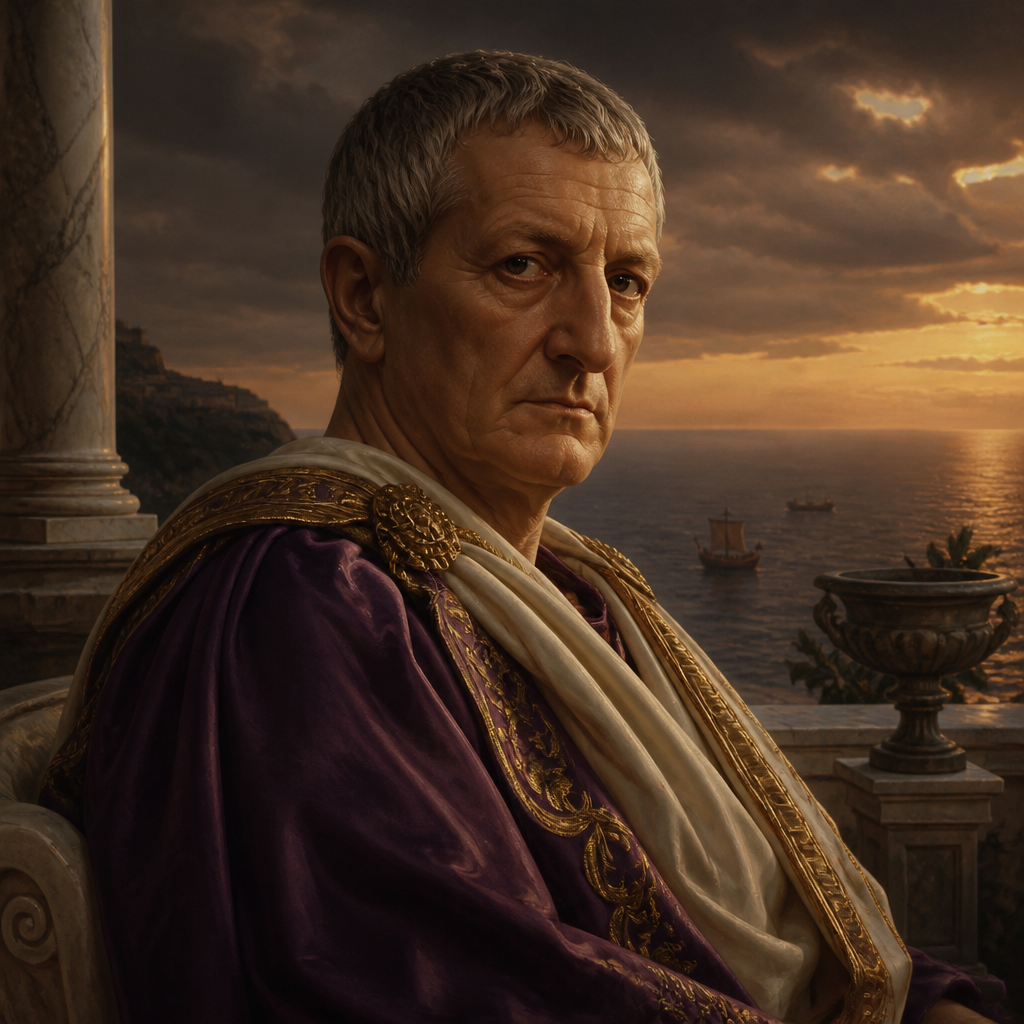
Tiberius
Stepson and Successor
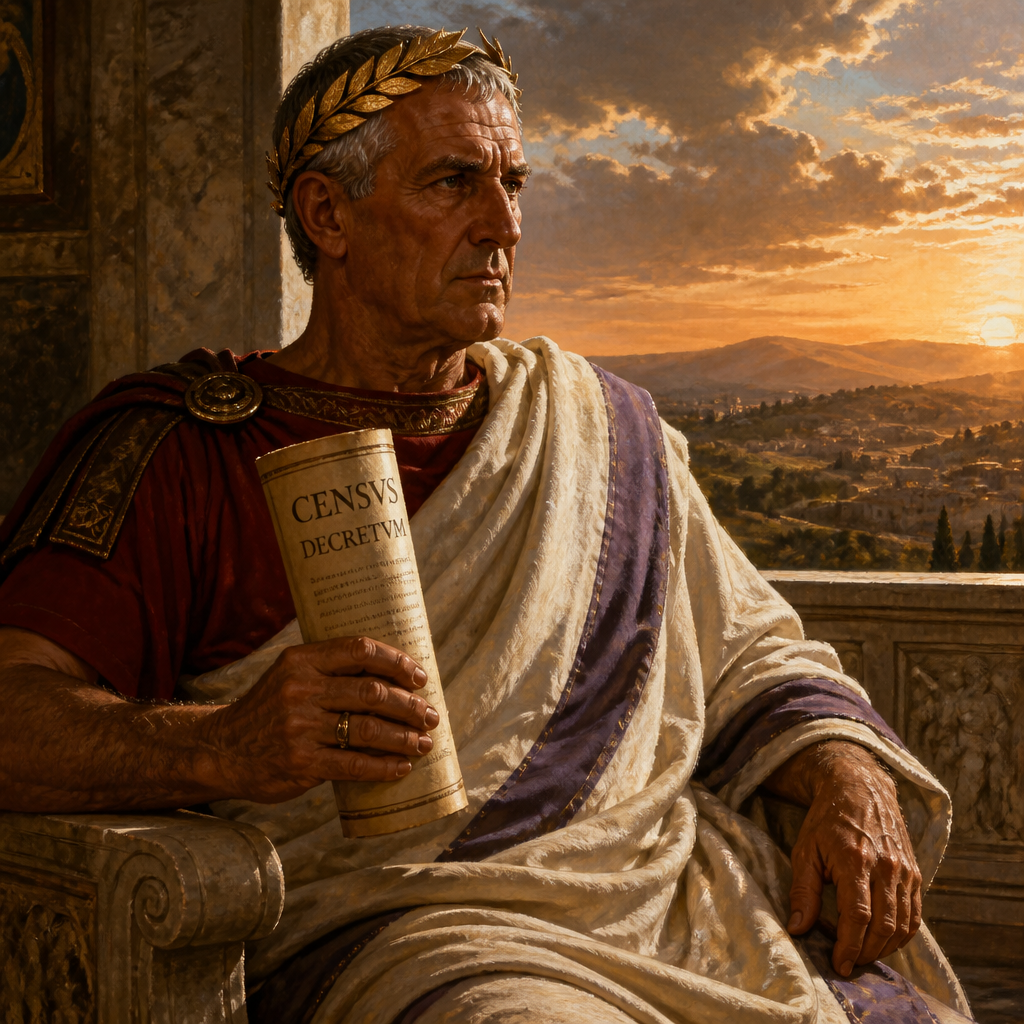
Quirinius
Governor of Syria under Augustus
Joseph
Subject of the Census decree