
Foreign Rulers
Non-Israelite monarchs and dignitaries who interacted with the early Church and the people of God during the New Testament era.
“…For I have seen the Lord of hosts, the King! Then one of the seraphim flew to me, having in his hand a burning coal that he had taken with tongs from the altar.” — Isaiah 6:5b-6
The biblical narrative frequently intersects with foreign rulers who governed territories outside the traditional boundaries of Israel and Judah. During the first century AD, these figures represented the diverse geopolitical landscape of the Greco-Roman world, ranging from the Nabataean Kingdom in the east to the Kingdom of Kush in the south. Unlike the Roman emperors or the Herodian vassals who directly oversaw Jewish affairs, these foreign sovereigns often appeared on the periphery of the biblical text, serving as crucial touchpoints for the expansion of the gospel and the fulfillment of Old Testament prophecies regarding the nations.
In the New Testament, these rulers are typically characterized by their indirect influence on the early Christian movement. For instance, the mention of King Aretas IV in the Pauline epistles provides a vital chronological anchor for the apostle's ministry, illustrating the political tensions between the burgeoning church and existing regional powers. Similarly, the treasury official of Queen Candace represents the high-level cultural and religious exchange occurring between Jerusalem and distant African kingdoms. These interactions highlight the universal scope of the biblical message, moving beyond a localized Hebrew context into the courts of international royalty.
Archaeology and secular history provide significant external validation for these figures, locating them within the broader currents of the Hellenistic and Roman periods. Scholars analyze these rulers to better understand the administrative structures and diplomatic relations of the ancient world. Their presence in the biblical canon serves a dual purpose: it grounds the theological narrative in verifiable secular history while demonstrating the sovereignty of the God of Israel over the rulers of all nations, as even the most distant monarchs are brought into relationship with the unfolding plan of redemption.
The group
Foreign Rulers

Aretas IV
King of the Nabataeans whose ethnarch attempted to capture the Apostle Paul in Damascus
Aretas IV Philopatris was the King of the Nabataeans (c. 9 BC – AD 40) whose ethnarch attempted to arrest the Apostle Paul in Damascus.
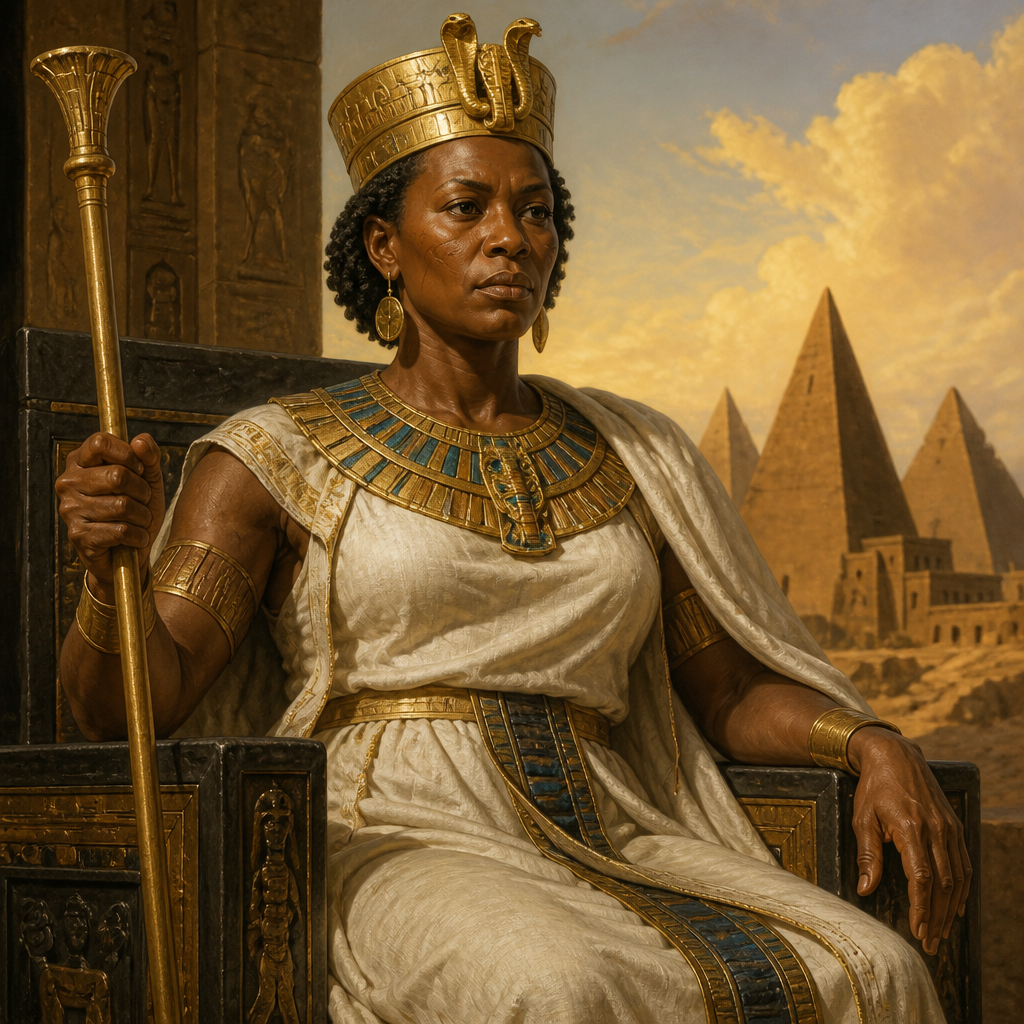
Candace
Queen of the Ethiopians whose royal treasurer was baptized by Philip the Evangelist
Candace was the title of the powerful queens of the Kingdom of Kush (Ethiopia) who ruled during the apostolic period of the first century AD.