The First Family
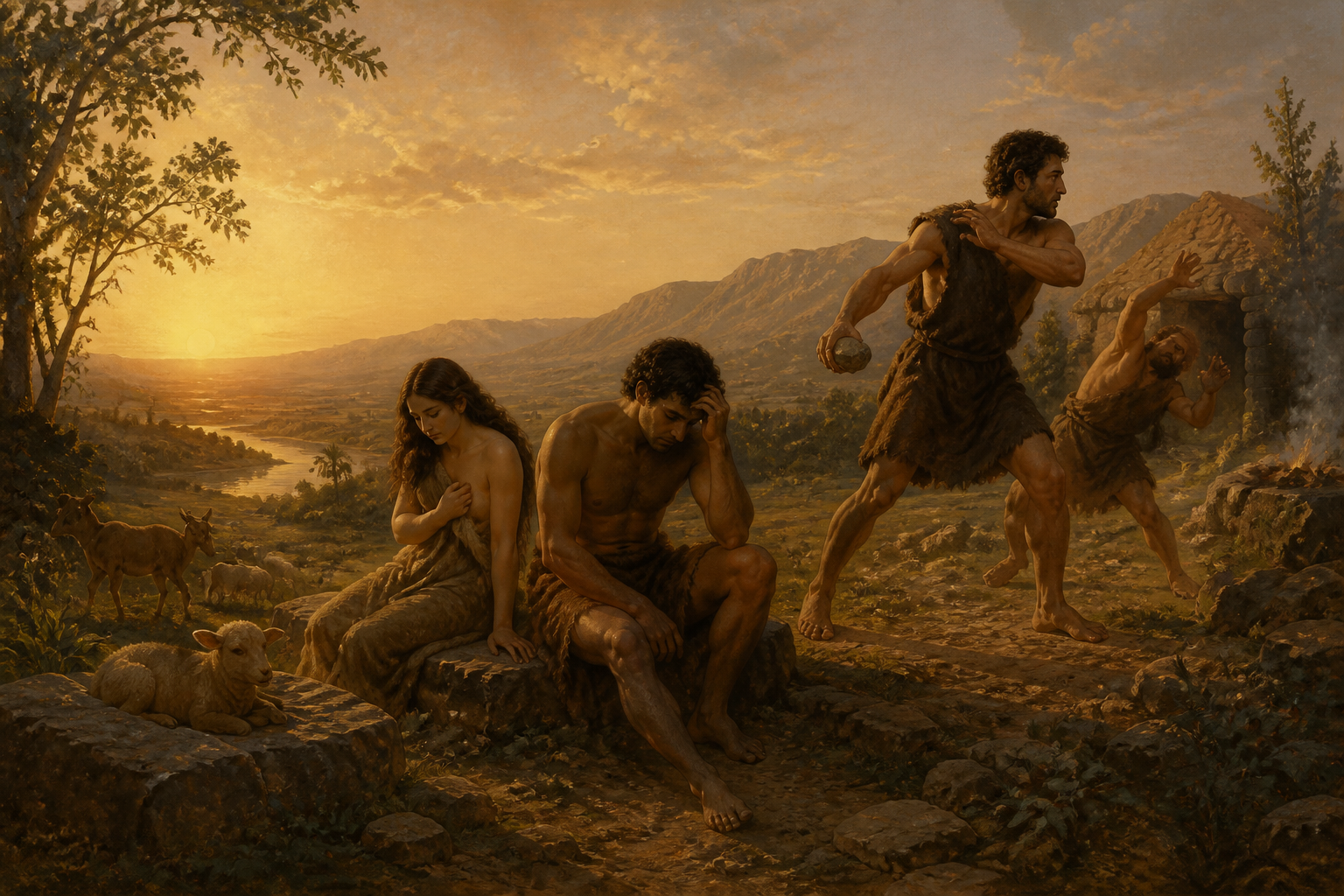
The foundational lineage of humanity in Genesis, representing the archetypal figures of creation, transgression, and social conflict.
“Now Adam knew Eve his wife, and she conceived and bore Cain.” — Genesis 4:1a
In biblical studies, the 'First Family' refers to the proto-human lineage detailed in the opening chapters of Genesis. Comprising the first man, Adam, and the first woman, Eve, along with their recorded sons Cain, Abel, and Seth, this group serves as the narrative bridge between the act of creation and the expansion of the human race. Located primarily in the primordial setting of Eden and the subsequent wilderness of the antediluvian world, their story establishes the fundamental theological and anthropological frameworks of the Abrahamic traditions. From a scholarly perspective, these figures represent the 'mythic-historical' transition from celestial perfection to the complexities of mortal existence.
The historical and literary context of this family is found in the 'Primeval History' (Genesis 1-11). Scholars often analyze this group through the lens of ancient Near Eastern comparative literature, where similar motifs of divine creation and early human struggle appear. However, the biblical narrative distinguishes itself by focusing on the themes of moral agency, the breakdown of kinship ties, and the promise of restoration. The family's internal dynamics—ranging from the intimacy of the Garden to the fratricidal violence between Cain and Abel—provide a microcosm of the ethical and social challenges that would define the human condition throughout subsequent scripture.
The lasting significance of the First Family lies in their role as the progenitors of all biblical genealogies. Through the line of Seth, biblical authors trace the survival of the human spirit and the preservation of a relationship with the divine after the expulsion from Eden. This group's experiences with toil, mortality, and conflict set the stage for the covenants that follow. In later Christian and Jewish thought, Adam and Eve's actions are further scrutinized for their implications on human nature, while the tension between Cain and Abel remains the quintessential study of human jealousy and the responsibility of the individual toward the community.
The group
The First Family
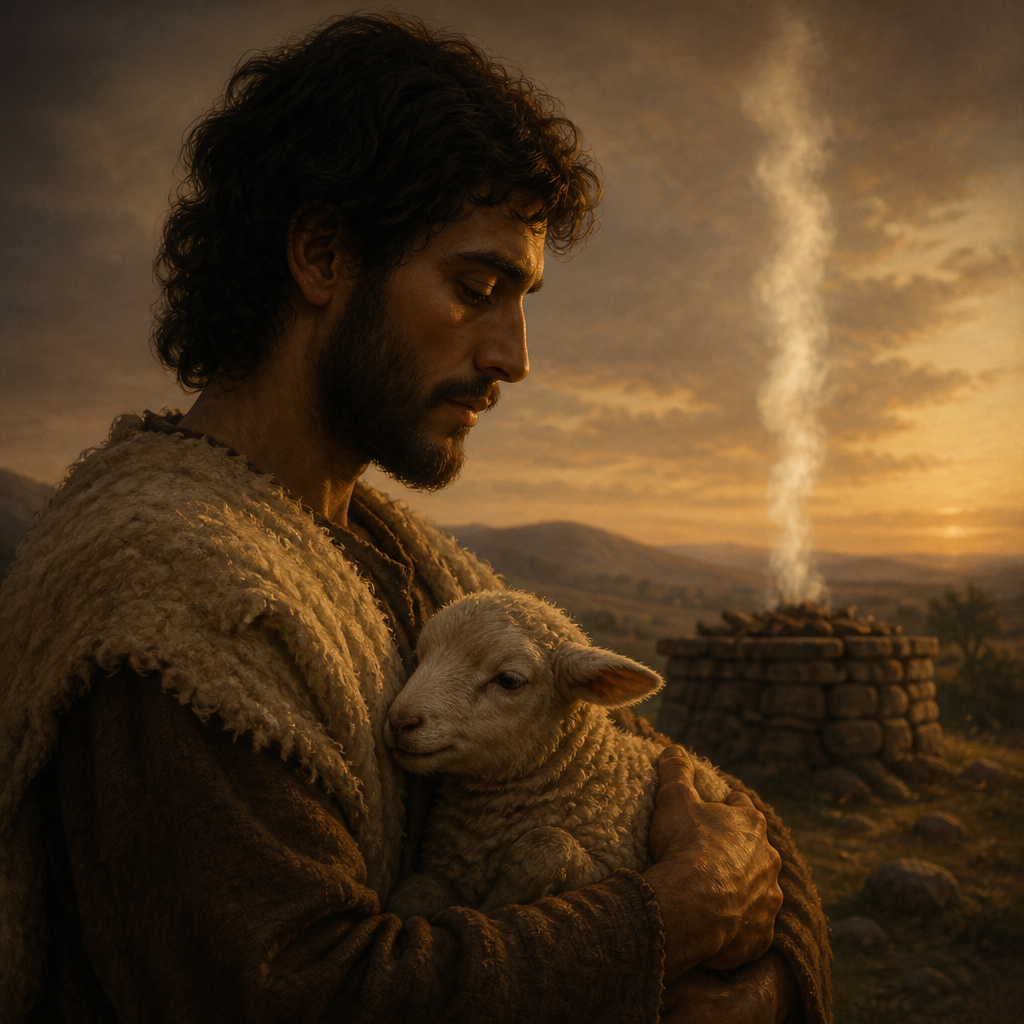
Abel
First martyr and offerer of a more excellent sacrifice than his brother Cain
The second son of Adam and Eve, Abel was a shepherd whose righteous sacrifice and subsequent murder by his brother Cain made him the first human to experience death.
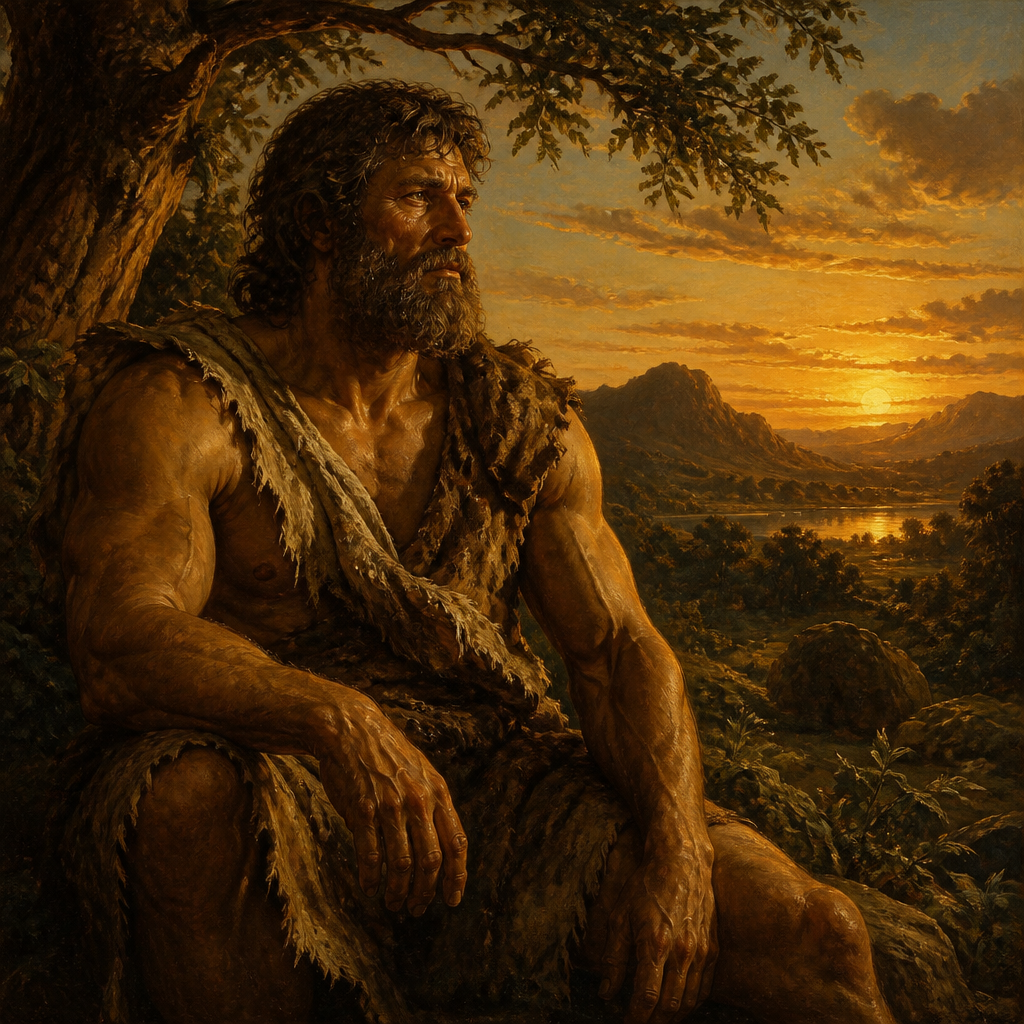
Adam
First human being associated with the fall of man
Adam is the first human being created by God, the husband of Eve, and the progenitor of the human race in the book of Genesis.
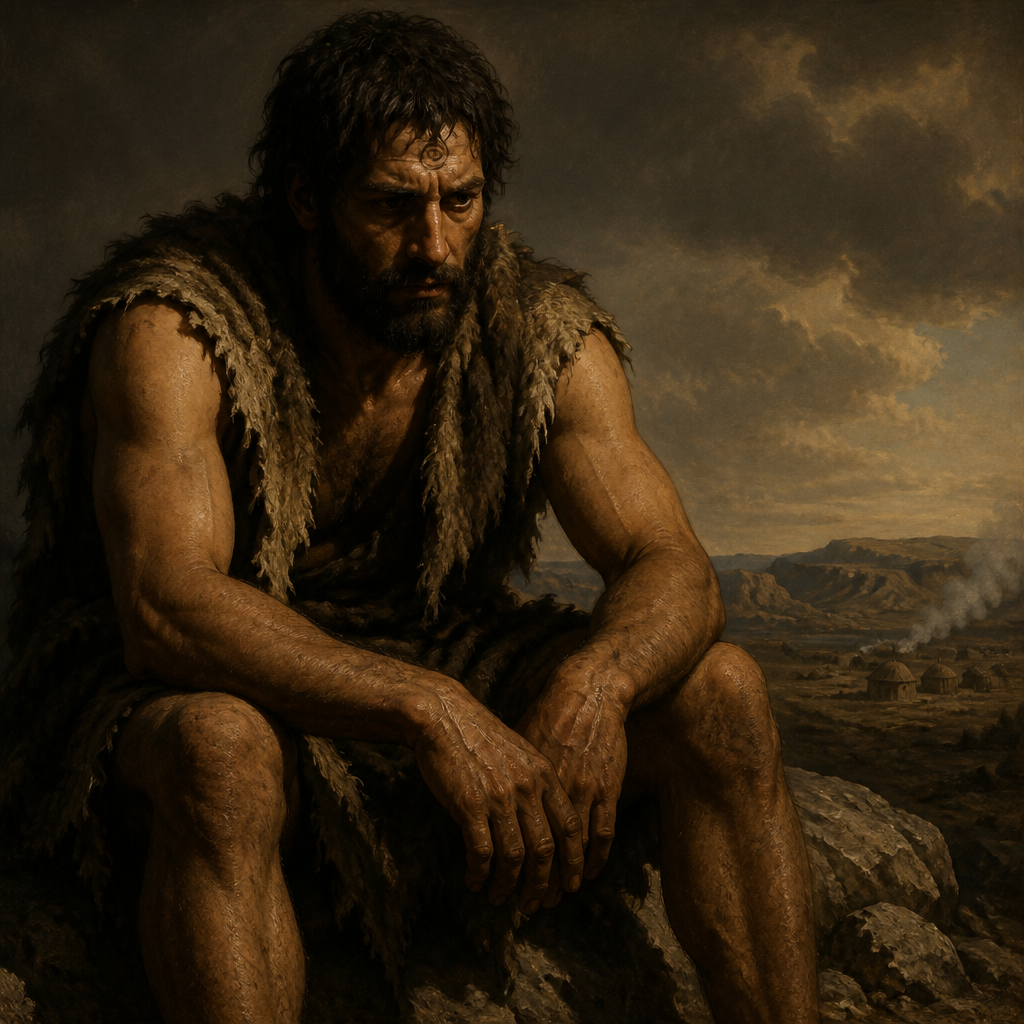
Cain
History’s first murderer and the killer of his brother Abel
Cain was the firstborn son of Adam and Eve, known as the first murderer in biblical history for killing his brother Abel.

Eve
The first woman who ate the forbidden fruit
Eve is the first woman mentioned in the Bible, considered the mother of all living and the wife of Adam in the Genesis creation narrative.
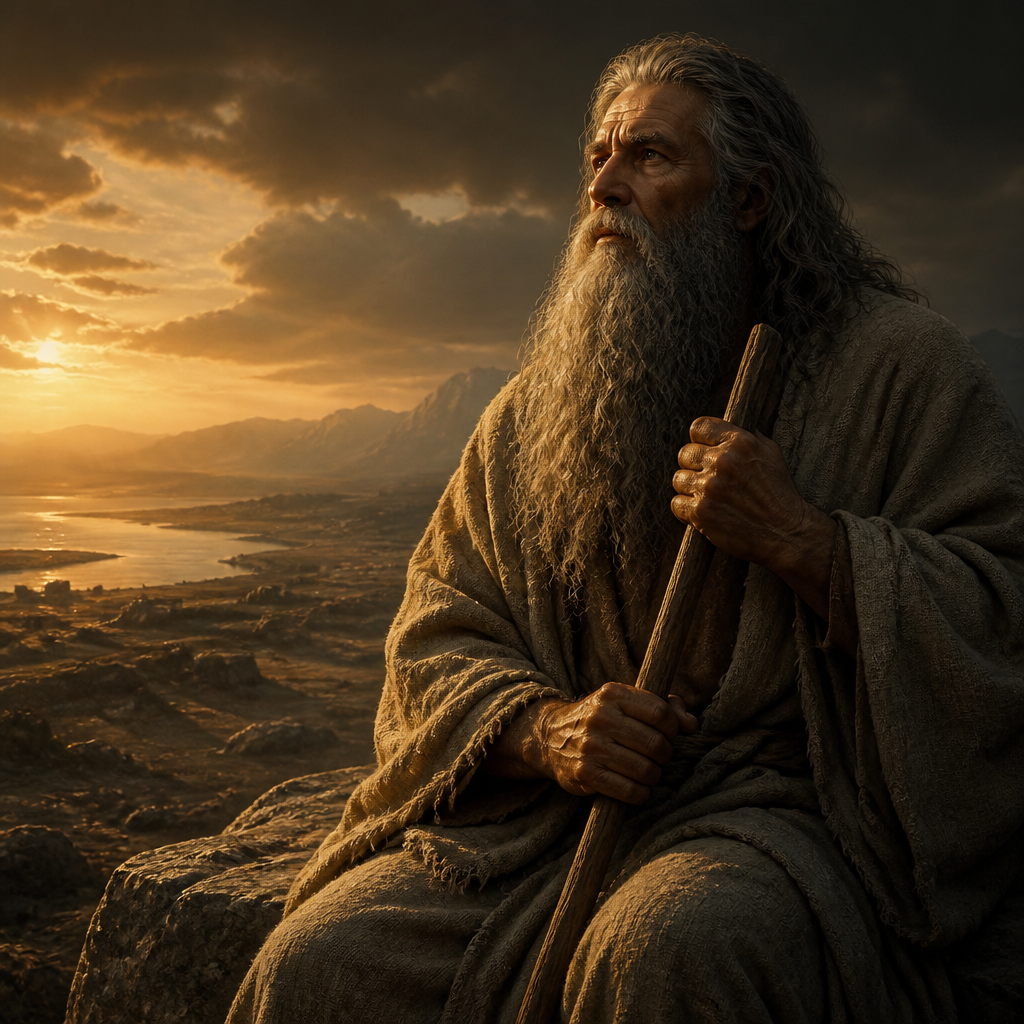
Seth
Third son of Adam and Eve and ancestor of Noah
The third son of Adam and Eve, Seth was born after the death of Abel and became the ancestor of the line of the faithful leading to Noah.