Adam
Adam is the first human being created by God, the husband of Eve, and the progenitor of the human race in the book of Genesis.
Adam is the central figure in the creation narrative of the Hebrew Bible and the Old Testament. According to the book of Genesis, he was the first human being, formed by God from the dust of the ground and given the breath of life. He represents the beginning of the human experience, placed within the Garden of Eden to cultivate and keep it while living in direct communion with the Creator.
As the head of the 'First Family,' Adam’s narrative encompasses the origins of humanity, the introduction of moral choice, and the subsequent entrance of sin and death into the world. His life story serves as the foundational framework for biblical anthropology, exploring the relationship between God, nature, and mankind.
Background and Family
The account of Adam begins in the opening chapters of Genesis. Unlike any other figure in the biblical canon, Adam is described as having no human parents; instead, he is the direct creation of God (Genesis 2:7). The name 'Adam' is intrinsically linked to the Hebrew word 'adamah' (ground or earth), highlighting his physical origin. He was placed in the Garden of Eden, a biological paradise containing the Tree of Life and the Tree of the Knowledge of Good and Evil.
Recognizing that it was 'not good for man to be alone,' God created Eve from Adam's own side to be his 'ezer kenegdo' (a helper suitable for him). Together, they formed the first marital unit and the first family. Their children named in the biblical text include Cain, Abel, and Seth, though Genesis 5:4 notes that Adam had 'other sons and daughters' during his 930-year lifespan. This family lineage serves as the bridge between the primordial creation and the historical genealogies that follow in the Pentateuch.
Major Life Events
Adam’s life is defined by three distinct movements: creation, the Fall, and the subsequent life of labor. Initially, Adam was tasked with naming the animals, an act of intellectual authority and stewardship. He lived in a state of 'original righteousness,' characterized by nakedness without shame and an absence of toil.
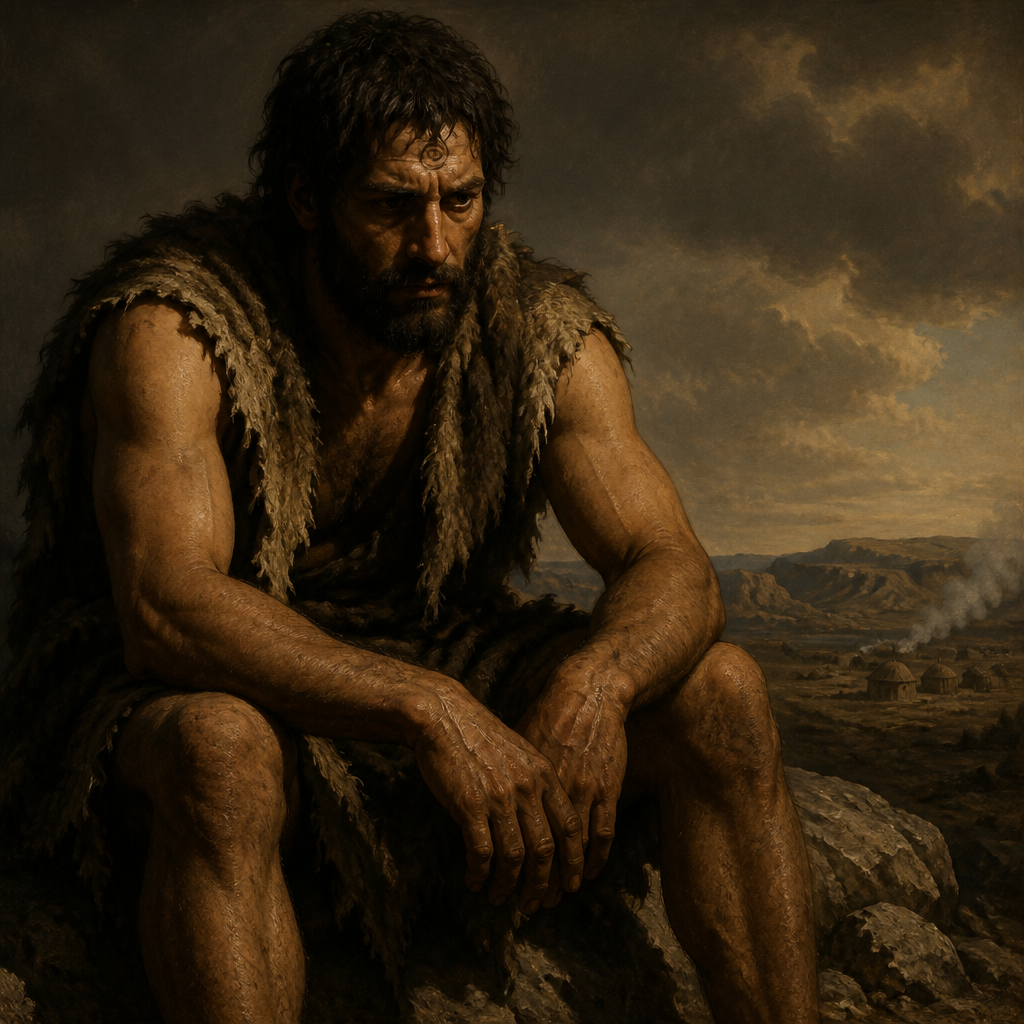
The pivotal moment of Adam's biography is the transgression of the divine command regarding the Tree of the Knowledge of Good and Evil. Tempted by the serpent through Eve, Adam chose to eat the forbidden fruit. This act of disobedience is traditionally called 'The Fall.' The immediate consequences included a loss of innocence, specialized clothing (animal skins provided by God), and a series of divine judgments. Adam was sentenced to a life of agricultural hardship—the ground was cursed, requiring 'the sweat of his brow' to produce food. Finally, he and Eve were expelled from Eden to prevent them from eating from the Tree of Life, thereby making physical death an inevitable conclusion to human life.
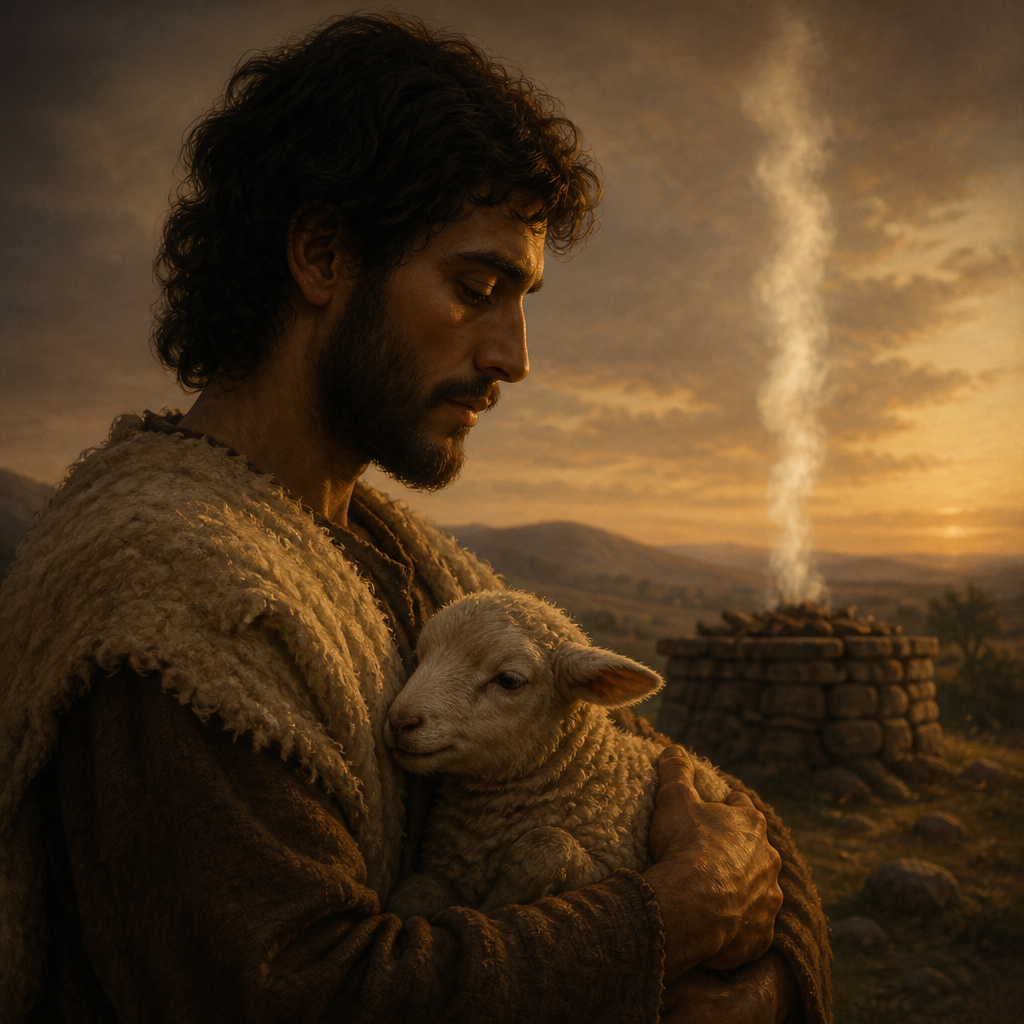
Following the exile, Adam’s life was marked by the tragedy of his children. He witnessed the first instance of human death when his eldest son, Cain, murdered his second son, Abel. The birth of Seth represented a new beginning for his lineage, described as a son 'in his own likeness, after his image' (Genesis 5:3).
Relationship to Other Biblical Figures
Within the immediate narrative, Adam’s relationship with Eve is portrayed as a profound ontological union ('flesh of my flesh'). As the father of Cain, Abel, and Seth, he is the patriarch from whom all subsequent biblical figures descend. In the broader biblical context, particularly in the New Testament, Adam is frequently contrasted with Jesus Christ. Paul the Apostle develops a 'federal headship' theology, where Adam is the representative of fallen humanity, while Christ is the 'Last Adam' who restores what was lost.
Spiritual Significance
Spiritually, Adam is the archetype of the human condition. He embodies the 'Imago Dei' (Image of God), suggesting that humans possess a unique dignity and capacity for relationship with the divine. However, he also embodies human frailty and the tendency toward autonomy over obedience. The 'Adamic Covenant' is often discussed by theologians as the initial arrangement where life was promised for obedience and death was the penalty for disobedience.
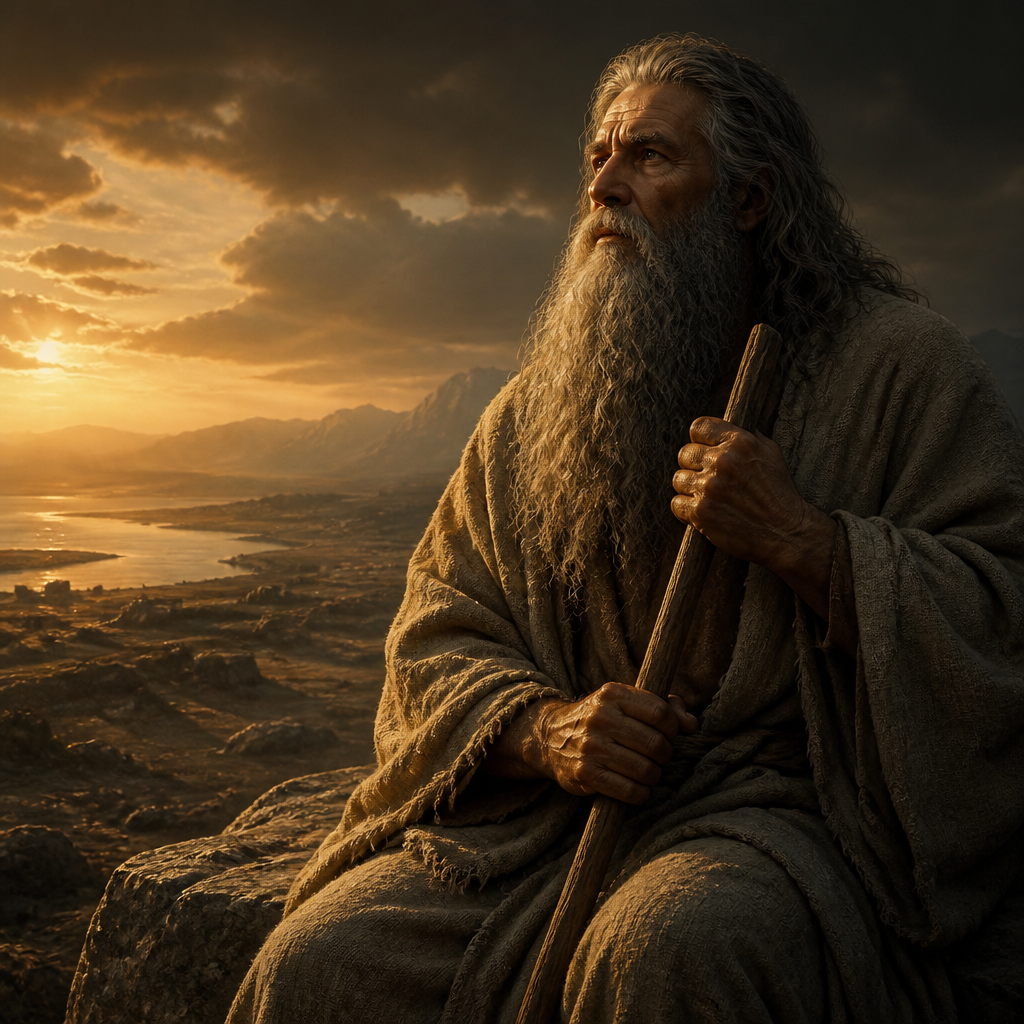
His long life and eventual death (Genesis 5:5) underscore the biblical theme of the mortality of the flesh. Yet, through Seth, his line continues, ultimately leading to Noah and, according to the Gospel of Luke, to the genealogy of Jesus, framing Adam as the starting point of the grand redemptive history of the Bible.
Spiritual Significance
Adam serves as the foundational figure for biblical theology regarding human nature, sin, and the need for redemption. He is treated by biblical authors as a historical individual whose actions affected the entire human race, introducing the concept of 'Original Sin' which necessitates the intervention of God through later covenants and eventually the New Testament's plan of salvation.
Furthermore, Adam's role as the 'first man' establishes the biblical precedents for marriage, vocation, and the stewardship of the natural world. In New Testament theology, he is the essential 'type' or shadow of Christ, illustrating how one man's actions can have universal implications for all of humanity.
Frequently Asked Questions
What does the name 'Adam' mean?
The name Adam is related to the Hebrew word 'adamah' meaning 'ground' or 'red earth,' signifying his creation from the dust.
How long did Adam live?
According to Genesis 5:5, Adam lived for a total of 930 years.
Who were Adam's children?
The Bible specifically names Cain, Abel, and Seth, but also mentions that he had 'other sons and daughters' (Genesis 5:4).
Was Adam or Eve created first?
In the Genesis 2 narrative, Adam was created first from the dust, and Eve was subsequently created from his rib/side.
What was Adam's job in the Garden of Eden?
He was tasked with working and keeping the garden, as well as naming all the living creatures.