Abel
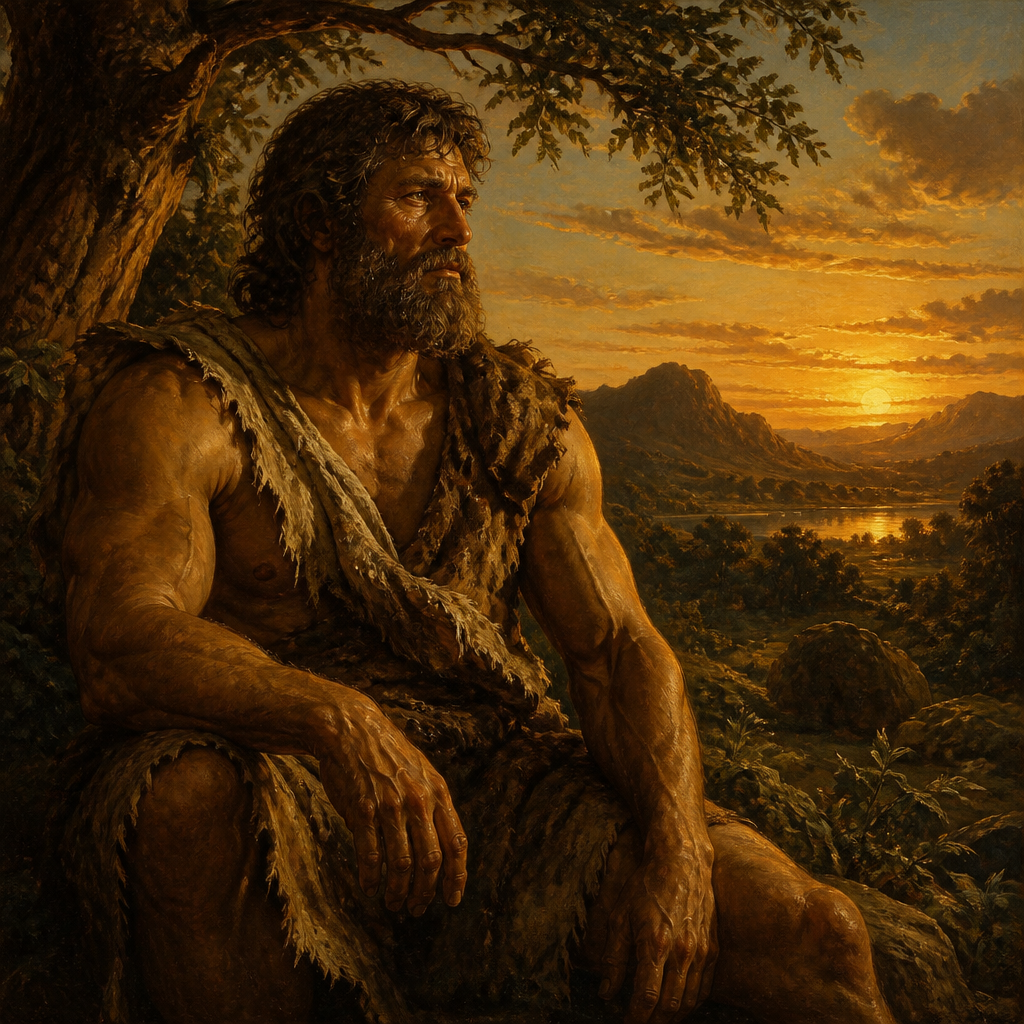
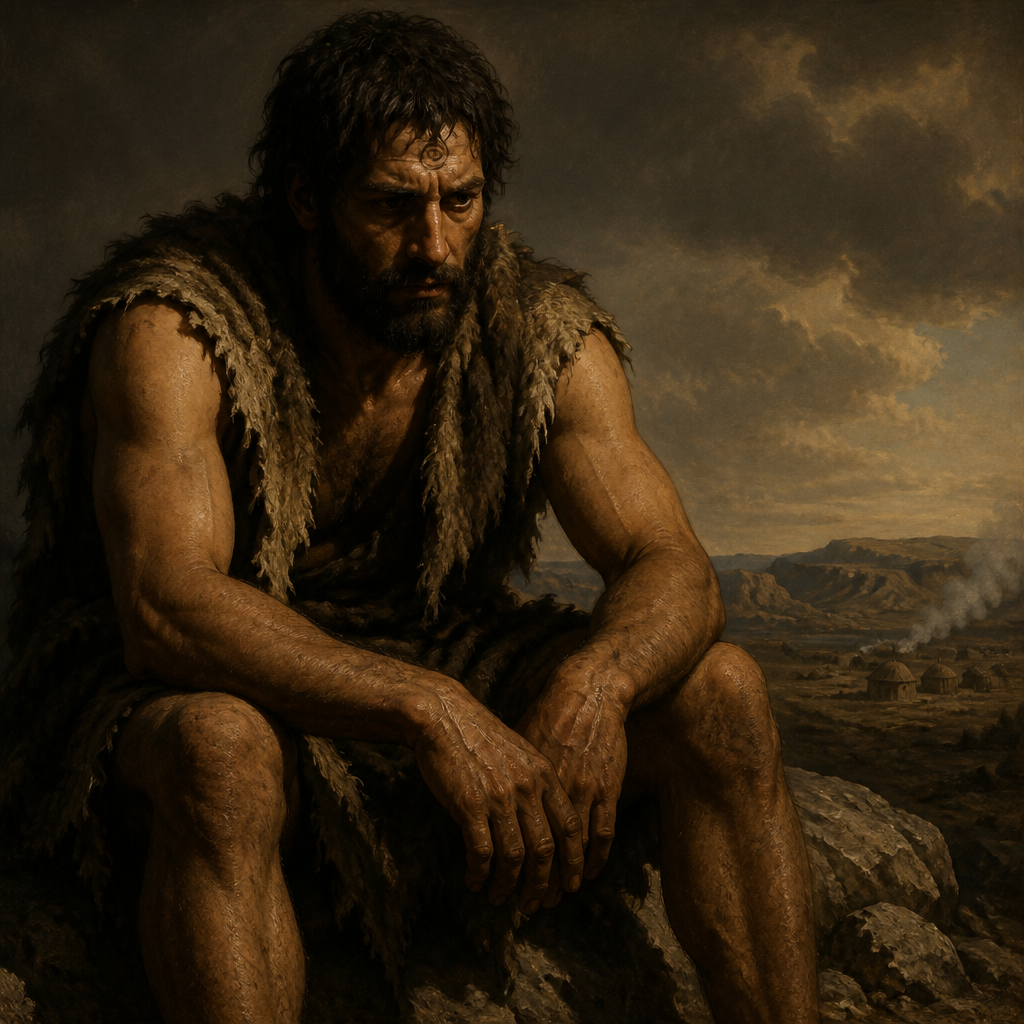
The second son of Adam and Eve, Abel was a shepherd whose righteous sacrifice and subsequent murder by his brother Cain made him the first human to experience death.
Abel is identified in the Book of Genesis as the younger brother of Cain and the second child born to the first human couple, Adam and Eve. His life, though briefly chronicled, serves as a cornerstone for biblical narratives regarding worship, righteousness, and the consequences of sin. As a keeper of sheep, Abel represents the pastoral tradition that remains a recurring theme throughout the Hebrew Bible.
The story of Abel is primarily defined by his relationship with God and the conflict with his brother. Unlike his brother, who tilled the ground, Abel’s offering of the firstlings of his flock was accepted by God. This divine preference sparked a lethal jealousy in Cain, leading to the first recorded act of homicide in human history. Consequently, Abel is historically regarded as the first martyr and the first person to die according to biblical chronology.
Background and Family
Abel was born into the immediate aftermath of the Fall of Man. As the second son of Adam and Eve, his upbringing occurred outside the Garden of Eden, within a world already marked by the 'thorns and thistles' of the original curse. The name 'Abel' (Hevel in Hebrew) traditionally translates to 'vapor,' 'breath,' or 'vanity.' Some scholars suggest this name foreshadows his brief lifespan, while others link it to the transient nature of life described later in the Wisdom literature of Ecclesiastes.
While his elder brother Cain followed in his father's footsteps as a farmer, Abel pursued the vocation of a shepherd. This professional distinction is significant in the biblical text, establishing a dichotomy between the nomadic pastoralist and the settled agriculturalist—a tension that reverberates through many ancient Near Eastern narratives. Despite being the younger sibling, Abel’s spiritual legacy would eventually overshadow that of his elder brother.
Major Life Events
The central event of Abel’s life is the presentation of offerings to God. In Genesis 4, the text records that in the 'process of time,' both brothers brought sacrifices. Cain offered the fruits of the soil, while Abel brought 'the firstborn of his flock and of their fat portions.' The narrative specifies that the Lord had 'regard' for Abel and his offering, but for Cain and his offering, He had no regard.
The text does not explicitly state the ritualistic or legal reason for this preference—as the Mosaic Law regarding animal sacrifice had not yet been established—but the emphasis is placed on the quality of Abel’s gift and the heart behind it. By offering the 'fat portions' and the 'firstlings,' Abel demonstrated a level of devotion and priority that Cain’s generic offering lacked.
The aftermath of this divine acceptance was tragic. Consumed by anger and despite a direct warning from God, Cain invited Abel into a field. Away from the eyes of their parents, Cain attacked and killed his brother. When God confronted Cain, asking for Abel's whereabouts, Cain famously responded with the dismissive query, 'Am I my brother's keeper?' The blood of Abel is described as 'crying out' from the ground, seeking justice—a motif of the innocent victim that persists through both the Old and New Testaments.
Relationship to Other Biblical Figures
Abel’s relationship with Cain is the archetypal sibling rivalry, representing the clash between righteousness and resentment. For Adam and Eve, Abel’s death introduced the reality of mortality and the devastating impact of the sin they had introduced into the world. After Abel's death, Eve gave birth to a third son, Seth, whom she viewed as a replacement granted by God for the son Cain had slain, thereby ensuring the lineage through which the biblical promise of redemption would continue.
In the New Testament, Abel is frequently cited as a model of faith and a victim of injustice. Jesus Christ refers to Abel as 'righteous Abel' (Matthew 23:35), placing him at the beginning of a long line of prophets and martyrs who were persecuted by the wicked. The author of Hebrews further elevates Abel’s status, noting that 'by faith Abel offered to God a more acceptable sacrifice than Cain' (Hebrews 11:4).
Spiritual Significance
Spiritually, Abel serves as the foundational example of faith-based worship. His sacrifice is interpreted by theologians as an act of obedience and trust, recognizing God’s sovereignty over the increase of his flock. Because his blood cried out from the ground, he became a symbol of the necessity for divine justice and the ultimate accountability for human actions.
In Christian theology, Abel is often seen as a 'type' or a prefiguration of Christ. Both were shepherds, both were hated by their own, both were innocently killed, and the blood of both speaks powerful messages. However, the Book of Hebrews makes a critical distinction: whereas Abel’s blood cried out for vengeance and justice, the blood of Jesus 'speaks a better word' (Hebrews 12:24), offering forgiveness and mediation.
Spiritual Significance
Abel’s significance lies in his status as the first righteous man and the first martyr. He establishes the precedent that God values the heart and the faith of the worshiper over the mere mechanical act of offering. His life introduces the theme of the 'suffering righteous,' demonstrating that devotion to God does not always exempt one from worldly tragedy or violence.
Furthermore, Abel provides the theological framework for the concept of innocent blood. His death necessitates a divine response, underscoring the biblical principle that human life is sacred and its unjust termination requires an accounting before the Creator. In the New Testament, he is the first member of the 'Hall of Faith' in Hebrews 11, serving as an eternal witness that faith speaks even after death.
Frequently Asked Questions
Why was Abel's sacrifice accepted and Cain's rejected?
While Genesis does not give a specific rule, it emphasizes that Abel brought the 'firstlings' and 'fat portions,' suggesting he gave his best. Hebrews 11:4 clarifies that he offered it 'by faith,' implying his heart and motives were aligned with God's will.
Was Abel a prophet?
In Luke 11:50-51, Jesus groups Abel with the prophets whose blood was shed from the foundation of the world, suggesting his life and death carried a prophetic testimony against unrighteousness.
What happened to Abel's body?
The Bible does not describe the burial of Abel. It only mentions that his blood 'cried out from the ground,' symbolizing the lack of a proper resting place for the first victim of murder.
Is Abel mentioned in the genealogy of Jesus?
No. Because Abel was killed before having children, the messianic lineage continues through his younger brother, Seth, whom Eve considered a replacement for Abel.
What does the name Abel mean?
In Hebrew, 'Hevel' means breath, vapor, or vanity, which many scholars interpret as a symbolic reference to the short and transient nature of his life.