
Sympathetic Pharisees
A diverse subgroup within the Pharisaic movement who engaged respectfully with Jesus and protected the early church.
“We find nothing wrong in this man. What if a spirit or an angel spoke to him?” — Acts 23:9b
The Pharisees are frequently characterized in the New Testament as the primary antagonists of Jesus, often depicted as legalistic, hypocritical, or conspiratorial. However, a closer historical and exegetical reading of the Gospels and the Book of Acts reveals a subset of the sect that demonstrated openness, hospitality, and even direct advocacy for Jesus and his followers. These individuals, often referred to by scholars as 'Sympathetic Pharisees,' represent the internal diversity of a movement that was deeply concerned with the proper interpretation of the Torah and the preservation of Jewish identity under Roman occupation.
Historically, the Pharisees were a popular religious party committed to applying the Mosaic Law to every aspect of daily life. While many clashed with Jesus over matters of Sabbath observance and ritual purity, others sought him out for genuine discourse. Some invited him into their homes for meals, while others used their political influence within the Sanhedrin to prevent his summary execution or to shield his apostles from persecution. Their presence in the biblical narrative serves as a critical reminder that the Pharisaic movement was not a religious monolith, but a collection of thinkers, some of whom saw in Jesus a teacher worthy of respect or even a potential fulfillment of spiritual hopes.
These sympathetic figures played pivotal roles at crucial junctures of the New Testament. From Nicodemus providing a royal burial for Christ to Gamaliel de-escalating tensions in the high court, their actions often provided the necessary space for the early Christian movement to take root. By examining these individuals—ranging from curious hosts like Simon to cautious defenders like the tribunal Pharisees—scholars gain a more nuanced understanding of the first-century religious landscape. They represent the 'righteous among the teachers' who prioritised justice, mercy, and the possibility of divine intervention over rigid sectarian boundaries.
The group
Sympathetic Pharisees

A Ruler of the Pharisees
Pharisaic leader who hosted Jesus for a Sabbath meal
A prominent Jewish leader and Pharisee who invited Jesus to his home for a meal on the Sabbath, serving as a catalyst for profound teachings on humility and hospitality.
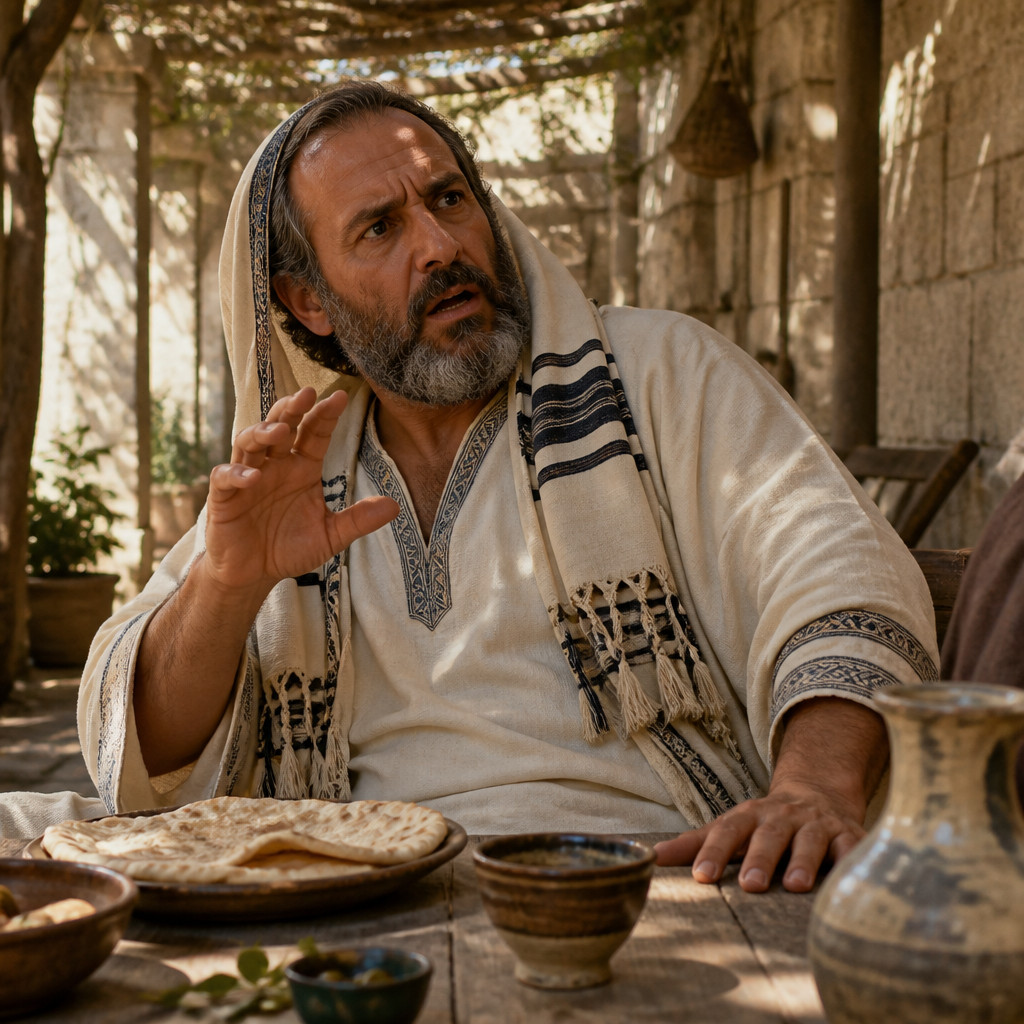
The Astonished Pharisee
Pharisee who hosted Jesus for a meal and was surprised by His lack of ritual washing
An unnamed member of the Pharisaic sect who invited Jesus to a meal and was surprised by Christ's disregard for ritual hand-washing traditions.

Gamaliel
Pharisee and teacher who defended the apostles before the Sanhedrin and mentored the Apostle Paul
A highly respected Pharisee and doctor of the Law who served in the Sanhedrin and advocated for the cautious, tolerant treatment of the early Christian apostles.

Nicodemus
Pharisee who visited Jesus by night and provided spices for his burial
A prominent member of the Sanhedrin and a Pharisee who transitioned from a cautious inquirer of Jesus to a courageous disciple following the crucifixion.
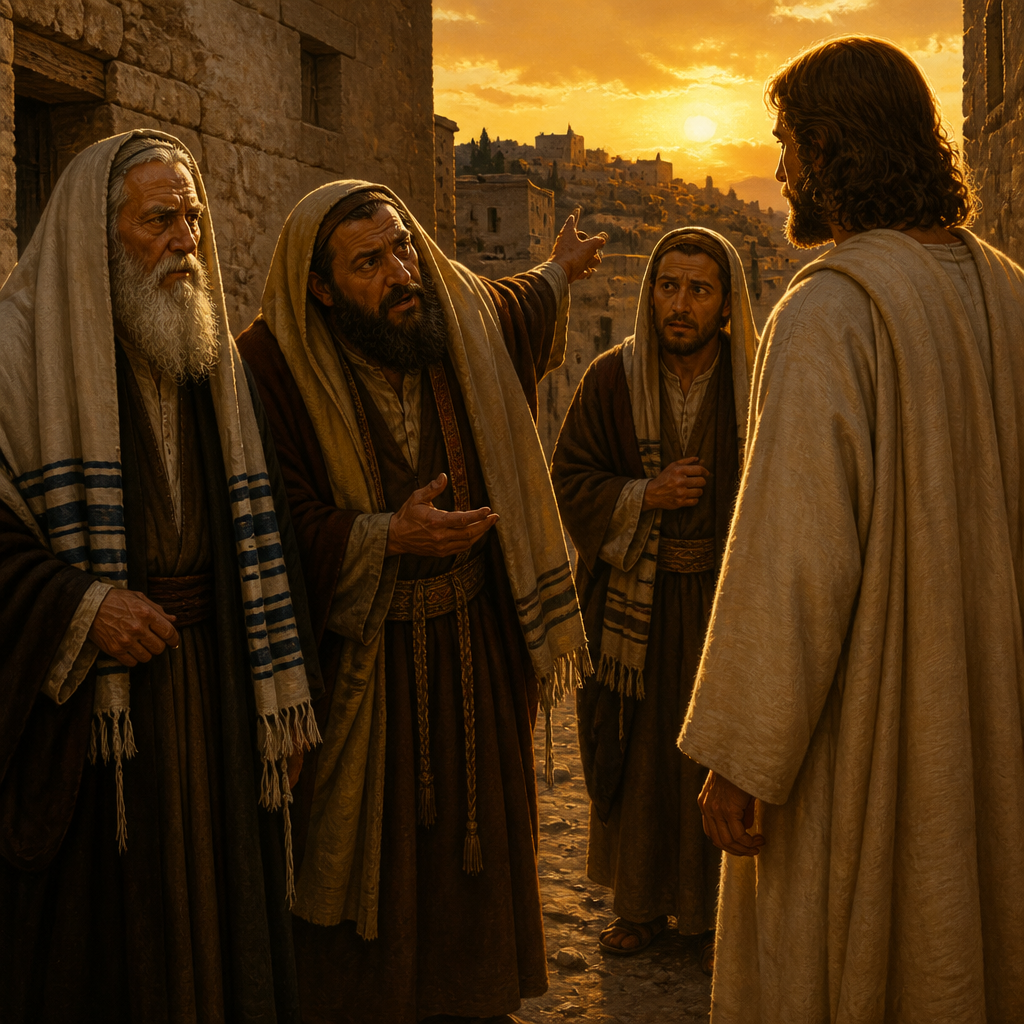
The Pharisees Who Warned Jesus
Pharisees who alerted Jesus to Herod Antipas's plot to kill him
A group of Jewish religious leaders who alerted Jesus to Herod Antipas's plot to assassinate him during his journey to Jerusalem.
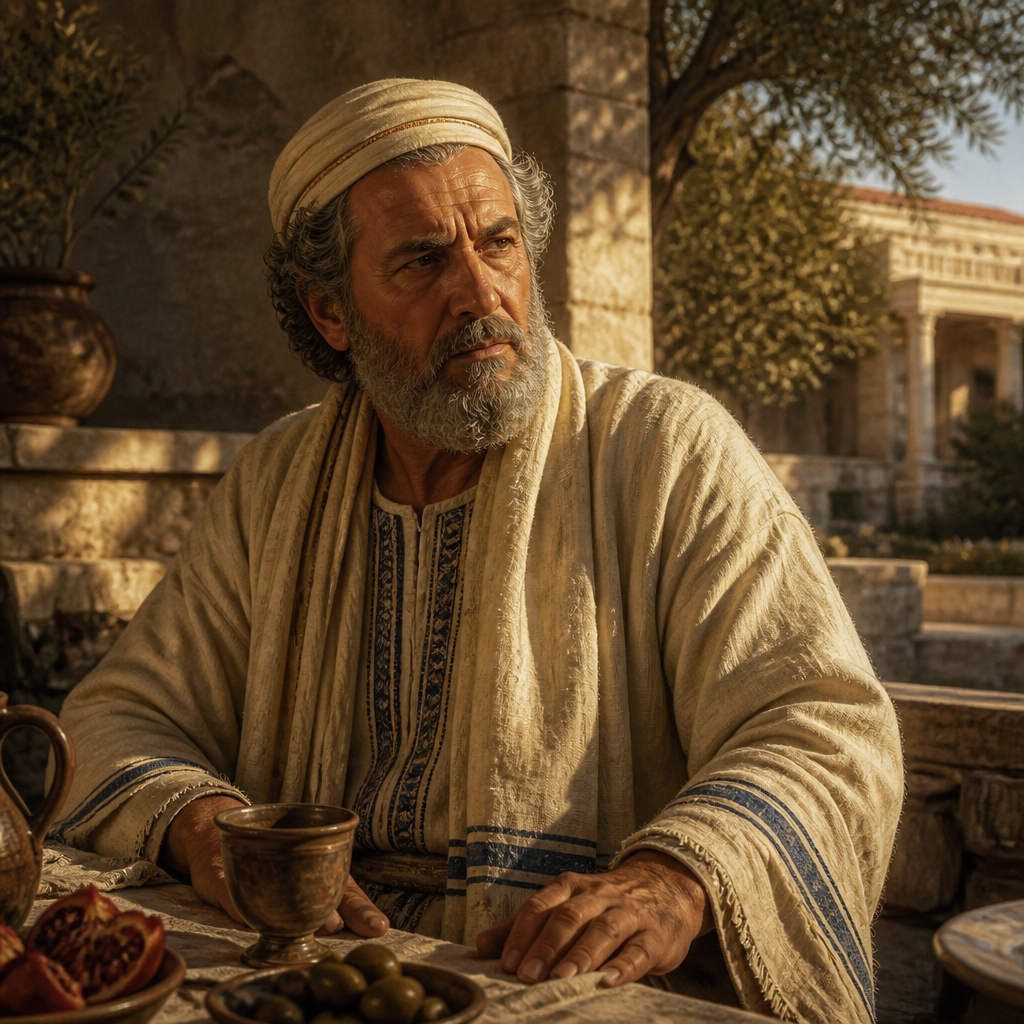
Simon the Pharisee
Pharisee who hosted Jesus and witnessed the anointing by a sinful woman
A Galilean Pharisee who hosted Jesus for a meal, during which a sinful woman anointed Jesus' feet, leading to a profound teaching on forgiveness.

The Tribunal Pharisees
Jewish leaders who defended Paul the Apostle's belief in the resurrection during his trial before the Sanhedrin
A faction of Pharisees within the Sanhedrin who defended the Apostle Paul during his trial, affirming the reality of the resurrection and spiritual beings.