The Tribunal Pharisees
A faction of Pharisees within the Sanhedrin who defended the Apostle Paul during his trial, affirming the reality of the resurrection and spiritual beings.
The Tribunal Pharisees were a specific group of Jewish leaders who belonged to the Sanhedrin—the high council of Jerusalem—during the trial of the Apostle Paul. While the Pharisees are often depicted in the New Testament as traditional adversaries of Jesus and the early Church, this particular group emerged as unexpected defenders of Paul when he was brought before the council by the Roman commander Claudius Lysias. Their intervention represents a critical moment in the book of Acts, demonstrating the complex internal politics of first-century Jewish leadership.
Background and Context
In the mid-1st century AD, the Jewish Sanhedrin was sharply divided between two primary theological and political factions: the Sadducees and the Pharisees. The Sadducees, who controlled the high priesthood, were theological conservatives in a narrow sense, accepting only the written Torah and rejecting beliefs in the afterlife, the resurrection of the dead, or the existence of angels and spirits. Conversely, the Pharisees were the more popular and intellectually diverse party, known for their strict adherence to both written law and oral tradition. Crucially, they championed the doctrine of the resurrection, a belief they shared with the burgeoning Christian movement.
When the Apostle Paul was arrested in Jerusalem, he was brought before this body to answer for his ministry. Paul, himself a former Pharisee trained under the renowned Gamaliel, recognized the demographic makeup of the room. In a strategic maneuver recorded in Acts 23, he appealed directly to his heritage.
Major Life Events
The primary event involving the Tribunal Pharisees occurred in Jerusalem around 57–59 AD. As Paul stood before the Sanhedrin, he perceived that the crowd consisted of both Sadducees and Pharisees. He cried out:
"Men and brethren, I am a Pharisee, the son of a Pharisee: of the hope and resurrection of the dead I am called in question." (Acts 23:6)
This statement immediately shattered the unity of the council. The Sadducees were incensed by Paul's claim to the resurrection, while a group of Pharisees—those serving on the tribunal—began to side with him. The biblical text notes that a "great cry" arose. Far from merely remaining silent, the Scribes who were of the Pharisees' part stood up and actively championed Paul’s innocence.
They declared a startling defense: "We find no evil in this man: but if a spirit or an angel hath spoken to him, let us not fight against God" (Acts 23:9). This defense was not necessarily an endorsement of Paul's belief in Jesus as the Messiah, but it was an acknowledgment that his supernatural claims (such as his vision on the road to Damascus) were theoretically possible within their theological framework. The resulting dissension became so violent that the Roman commander had to physically remove Paul from the chamber to prevent him from being torn to pieces.
Relationship to Other Biblical Figures
The Tribunal Pharisees served as a protective buffer between Paul and the High Priest Ananias, a Sadducee who had earlier ordered Paul to be struck on the mouth. By validating the possibility of Paul’s spiritual experiences, they aligned themselves against the immediate murderous intent of the Sadducean faction. Their stance echoes the earlier wisdom of their teacher Gamaliel, who had advised the council in Acts 5 not to oppose the Apostles, lest they find themselves fighting against God.
Spiritual Significance
The actions of these Pharisees highlight several key theological and historical points. First, they represent the "sympathetic Pharisee" archetype—those who, though they did not necessarily convert to Christianity, served as providential agents in protecting the early Church. Their defense illustrates that the early Christian message of resurrection was not viewed as a foreign invention but as a fulfillment of Pharisaic hope.
Furthermore, their presence in the text provides a nuanced view of the Jewish leadership. It shows that the Sanhedrin was not a monolith of anti-Christian sentiment but a house divided by deep-seated convictions regarding the nature of the soul and the reach of God's power. Their role in Acts 23 ensured that Paul’s case would eventually be moved to the Roman legal system in Caesarea and ultimately to Rome, fulfilling the divine plan that he should bear witness to the Emperor.
Spiritual Significance
The Tribunal Pharisees are significant because they provided the legal and theological cover necessary for the Apostle Paul to survive a hostile hearing in Jerusalem. By affirming the validity of the resurrection and the existence of spiritual messengers, they bridged the gap between traditional Judaism and the Christian message, showing that the core hope of the Gospel was rooted in established Jewish thought. Their intervention effectively stalled the Sanhedrin's attempt to execute Paul without Roman oversight.
Frequently Asked Questions
Why did the Pharisees defend Paul in the Sanhedrin?
They defended him primarily because Paul identified himself as a Pharisee and emphasized the doctrine of the resurrection, which the Pharisees held dear and the Sadducees denied.
Did the Tribunal Pharisees believe Jesus was the Messiah?
The text does not state that they believed in Jesus; rather, they argued that Paul might have received a message from a spirit or an angel, which was possible within their theology.
How did the Roman commander react to the Pharisees' argument?
The argument became so heated and violent that the commander, fearing Paul would be torn apart, ordered his soldiers to take Paul by force into the barracks.
What specifically did the Pharisee scribes say about Paul?
They said, 'We find no evil in this man,' and suggested that if a spirit had spoken to him, they should not fight against God.
Connected Figures
Paul the Apostle
Defendant whom they protected
Ananias the High Priest
Sadducean opponent in the tribunal
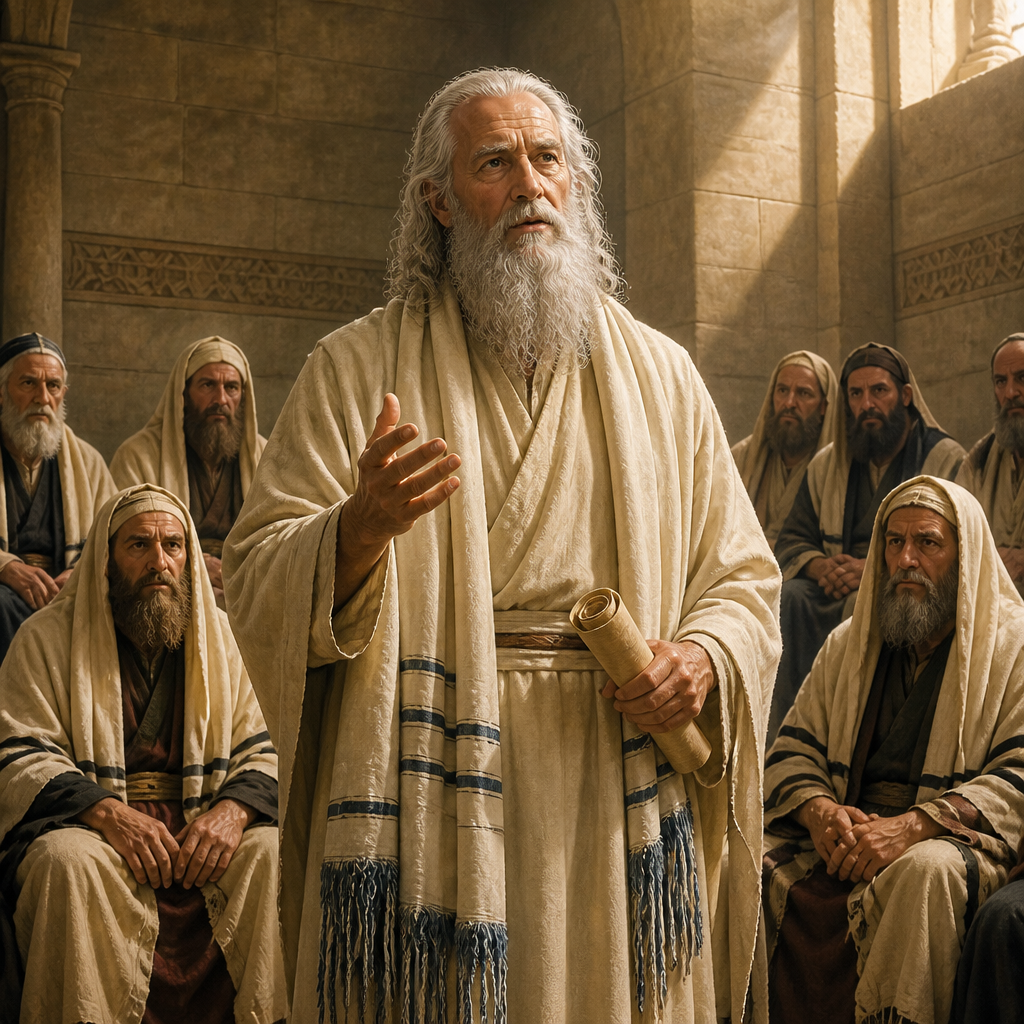
Gamaliel
Respected Pharisee teacher of Paul and likely mentor to these scribes
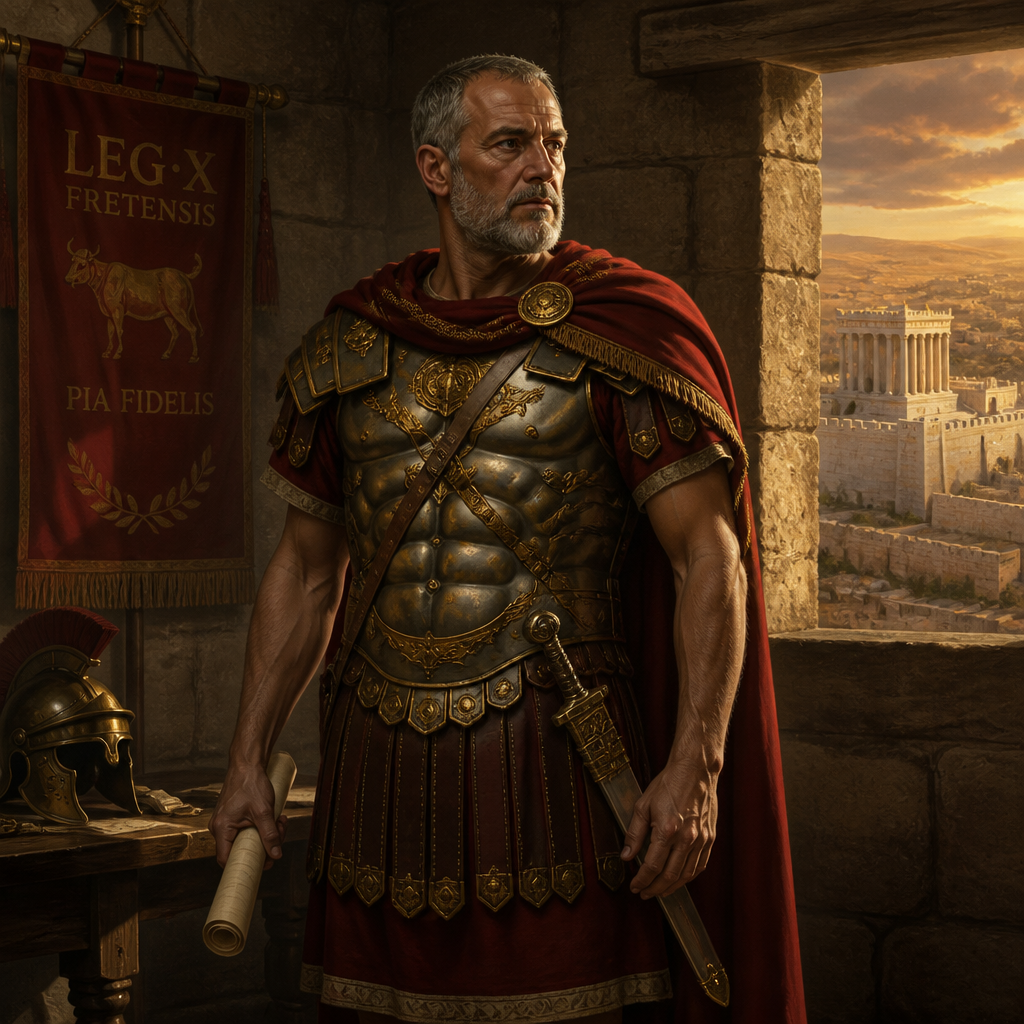
Claudius Lysias
Roman commander who convened the tribunal