Cain's Line
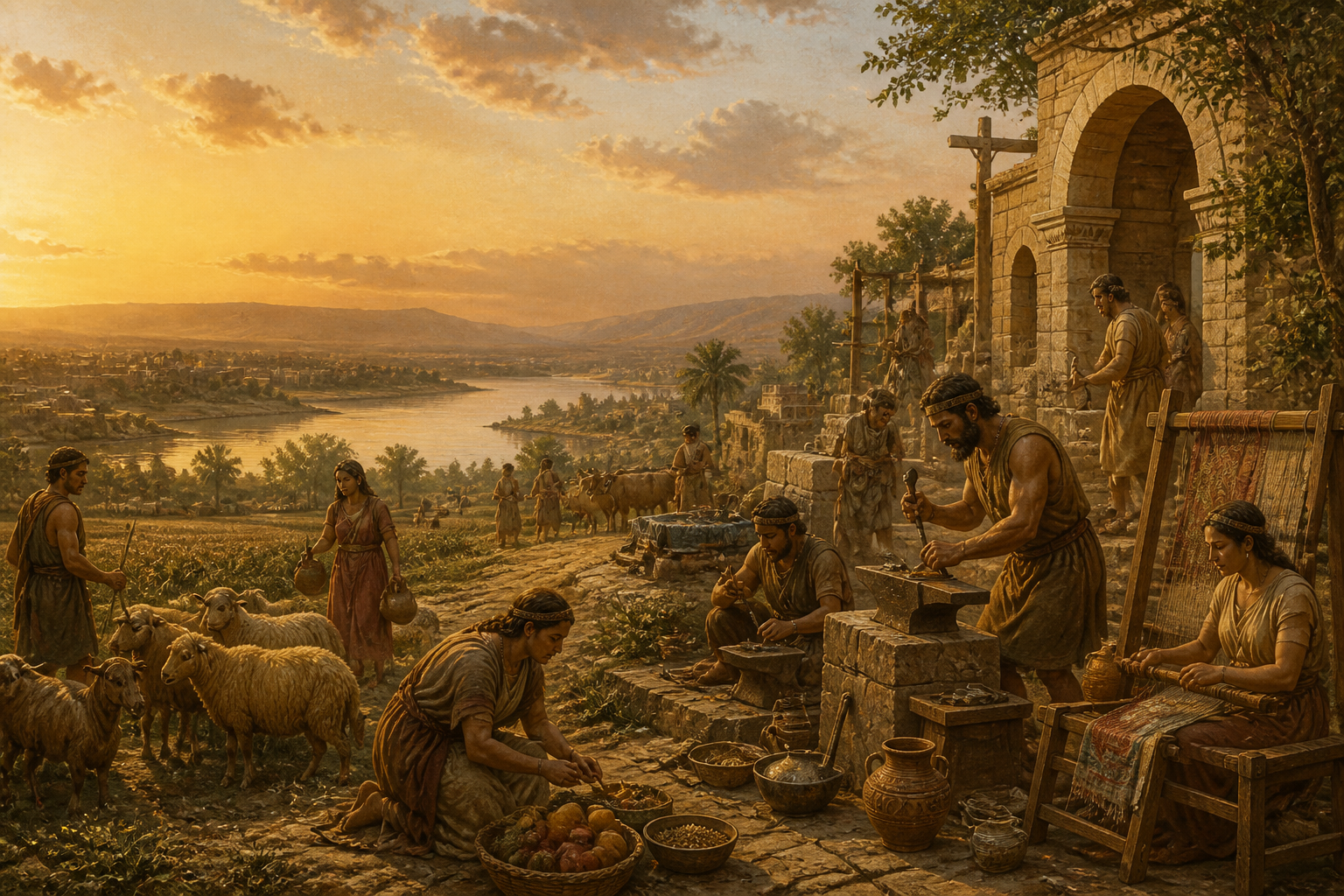
The descendants of Cain, credited in the Book of Genesis with the establishment of human civilization, technology, and the arts.
“Cain knew his wife, and she conceived and bore Enoch.” — Genesis 4:17a
The lineage of Cain represents the first genealogical record in the Hebrew Bible following the expulsion of humanity from the Garden of Eden. Found primarily in Genesis 4, this genealogy provides a parallel structure to the line of Seth, documenting seven generations from Cain to the children of Lamech. Scholarly analysis often identifies this group as the progenitors of human culture, detailing the transition from nomadic existence to the development of urban centers, metallurgy, and musical expression. Unlike the Sethite line, which is characterized by longevity and spiritual communion with the divine, the Cainite line is often interpreted in biblical theology as a study in human self-sufficiency and the expansion of both creative wisdom and moral complexity.
Historical and literary context suggests that the Cainite genealogy serves a dual purpose within the primeval history of Genesis. Formally, it provides a 'technogony'—an account of the origins of various crafts and social structures. The naming of Cain's son Enoch after the first city indicates a shift toward sedentary life and political organization. However, the narrative also charts an escalating trajectory of violence, culminating in the 'Song of Lamech,' which mirrors and amplifies the original transgression of Cain. This tension between cultural advancement and moral decay is a central theme of the antediluvian (pre-Flood) world as presented in the Masoretic text.
The significance of Cain’s line lies in its lasting impact on the biblical worldview regarding secular progress. The figures within this lineage—ranging from the first city-builder to the first metalworker—are not depicted as divinely appointed leaders but as innovators responding to a world outside of Eden. While the line is traditionally understood to have perished in the Great Deluge, their contributions survive in the archetypal roles they established for humanity. The inclusion of women such as Adah, Zillah, and Naamah in the record is also notable, as female names were rarely preserved in ancient Near Eastern genealogies, suggesting their high status or pivotal roles in the development of the early Cainite clans.
The group
Cain's Line
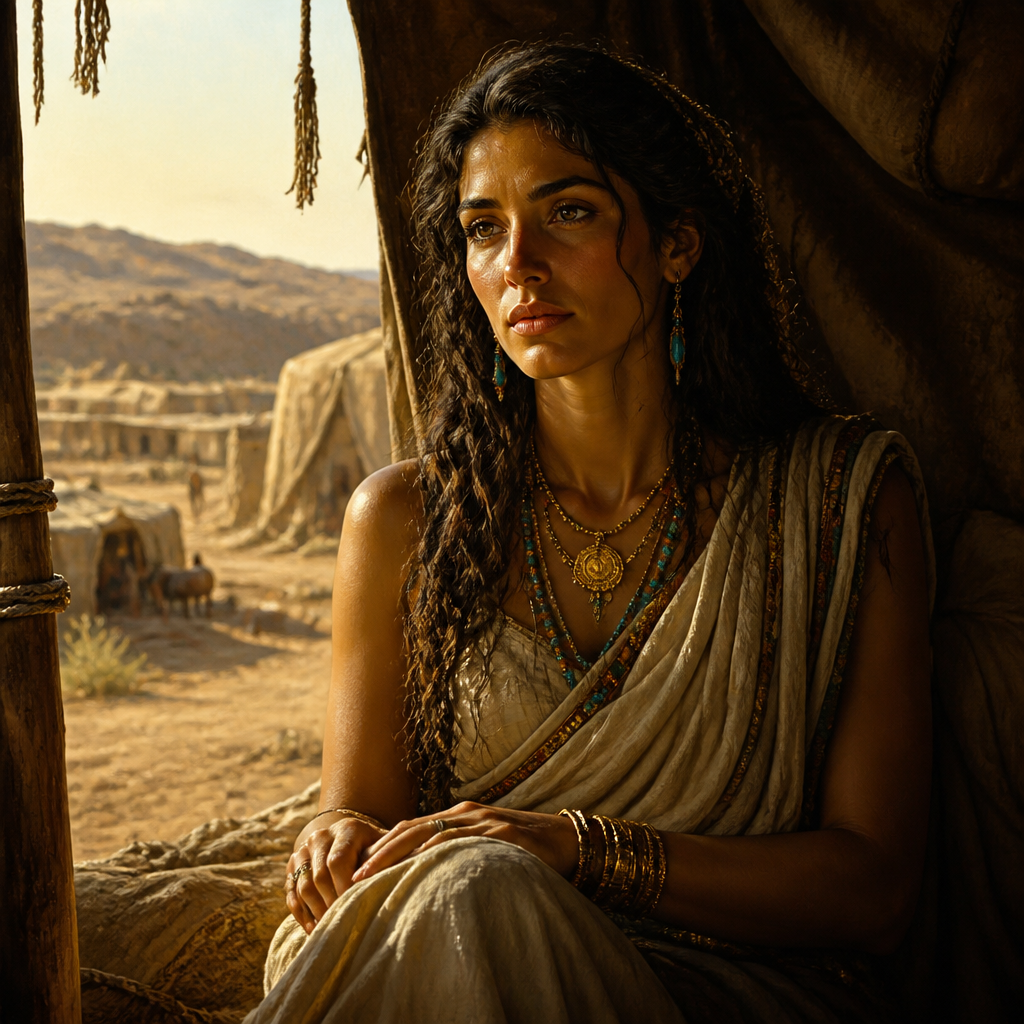
Adah
First woman named after Eve and mother to the founders of nomadism and music
Adah was the first wife of Lamech and the second woman named in the Bible after Eve, playing a pivotal role in the antediluvian genealogy of Cain.
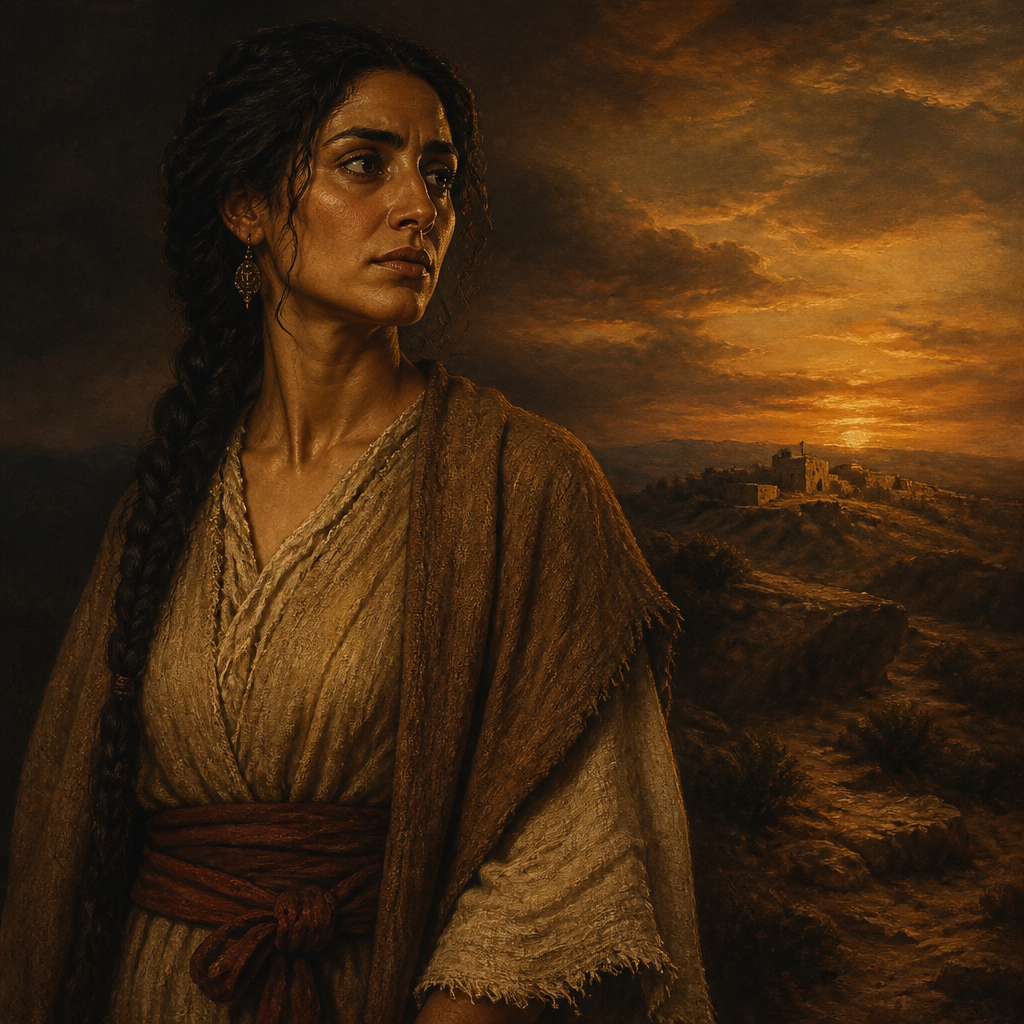
Cain's Wife
The wife of Cain and mother of Enoch
The unnamed woman mentioned in Genesis 4 who accompanied Cain to the land of Nod and began his lineage by bearing their son Enoch.
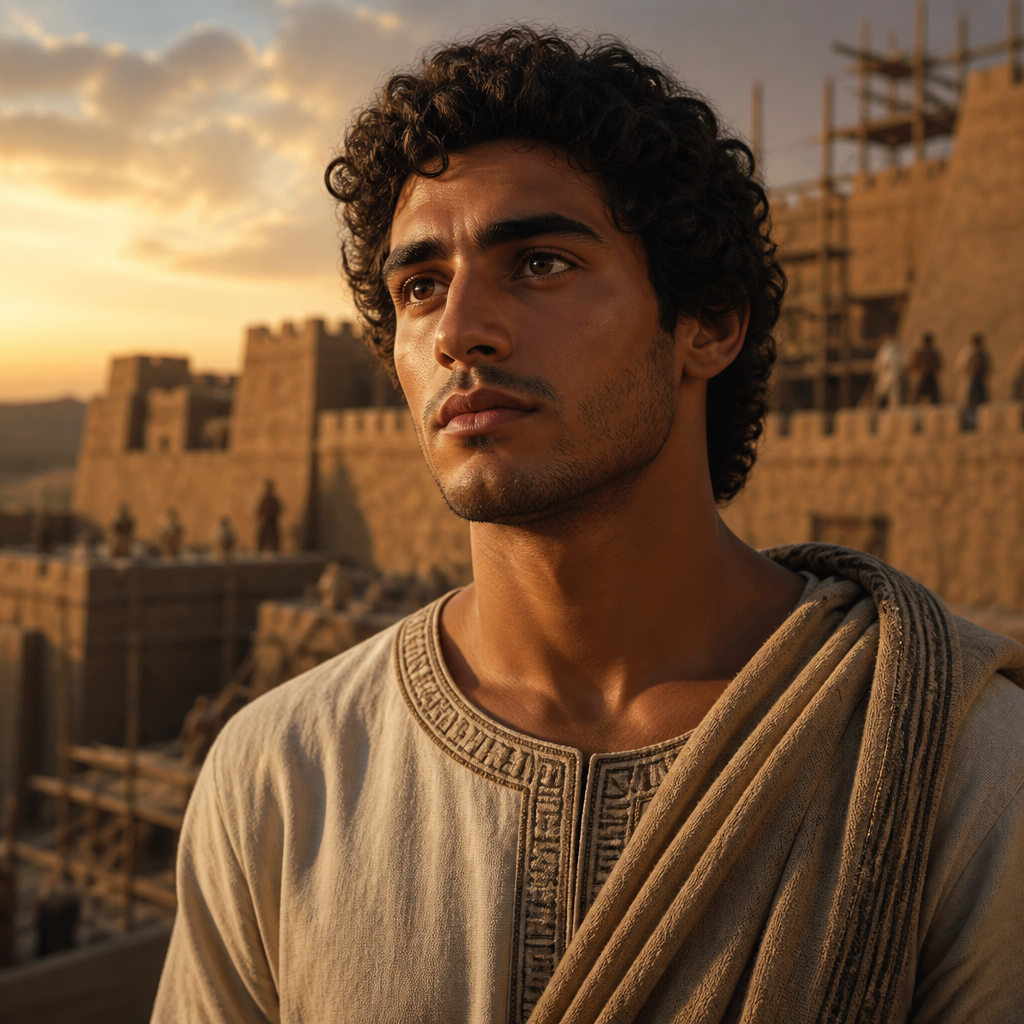
Enoch
Namesake of the first city in the Bible
The firstborn son of Cain and the namesake of the first city recorded in the Bible, signifying the beginning of autonomous human civilization.
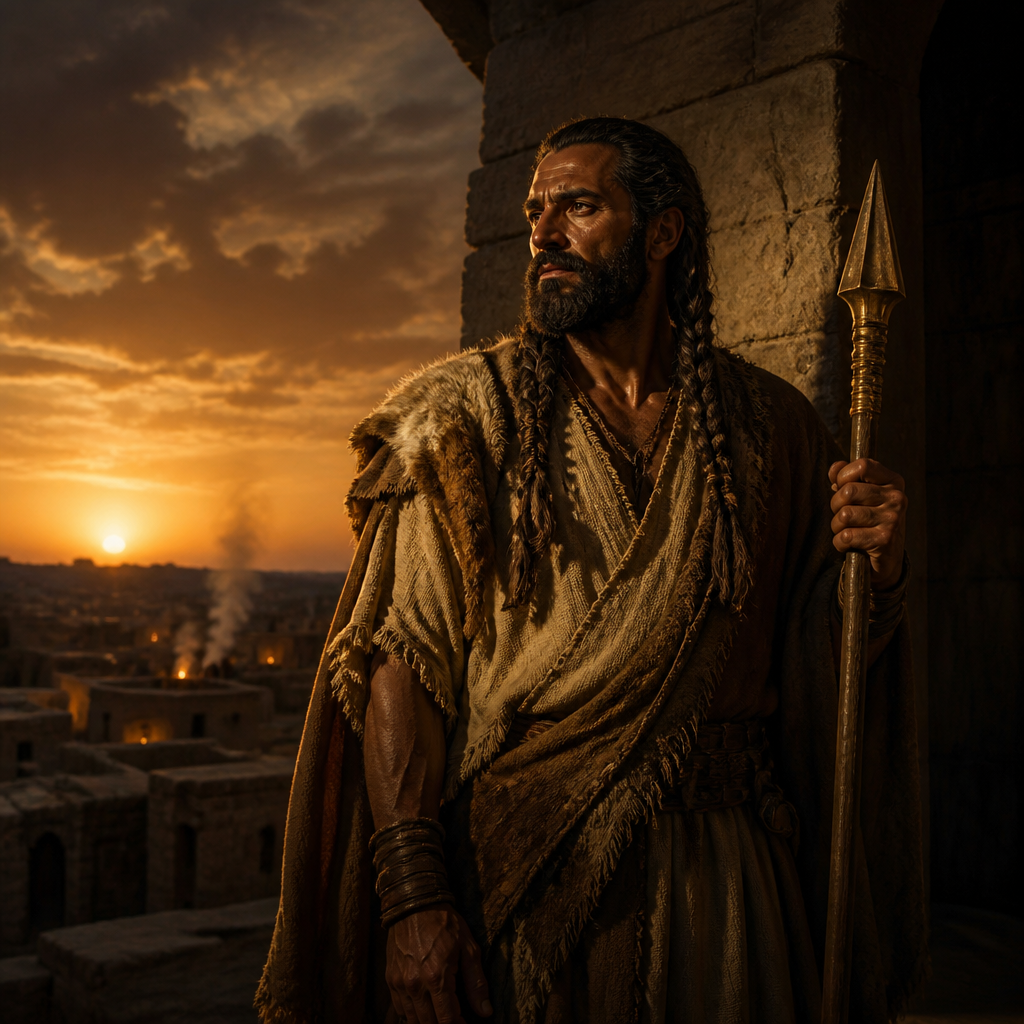
Irad
Grandson of Cain and father of Mehujael
Irad was the son of Enoch and the grandson of Cain, representing the third generation of the Cainite lineage in the Book of Genesis.
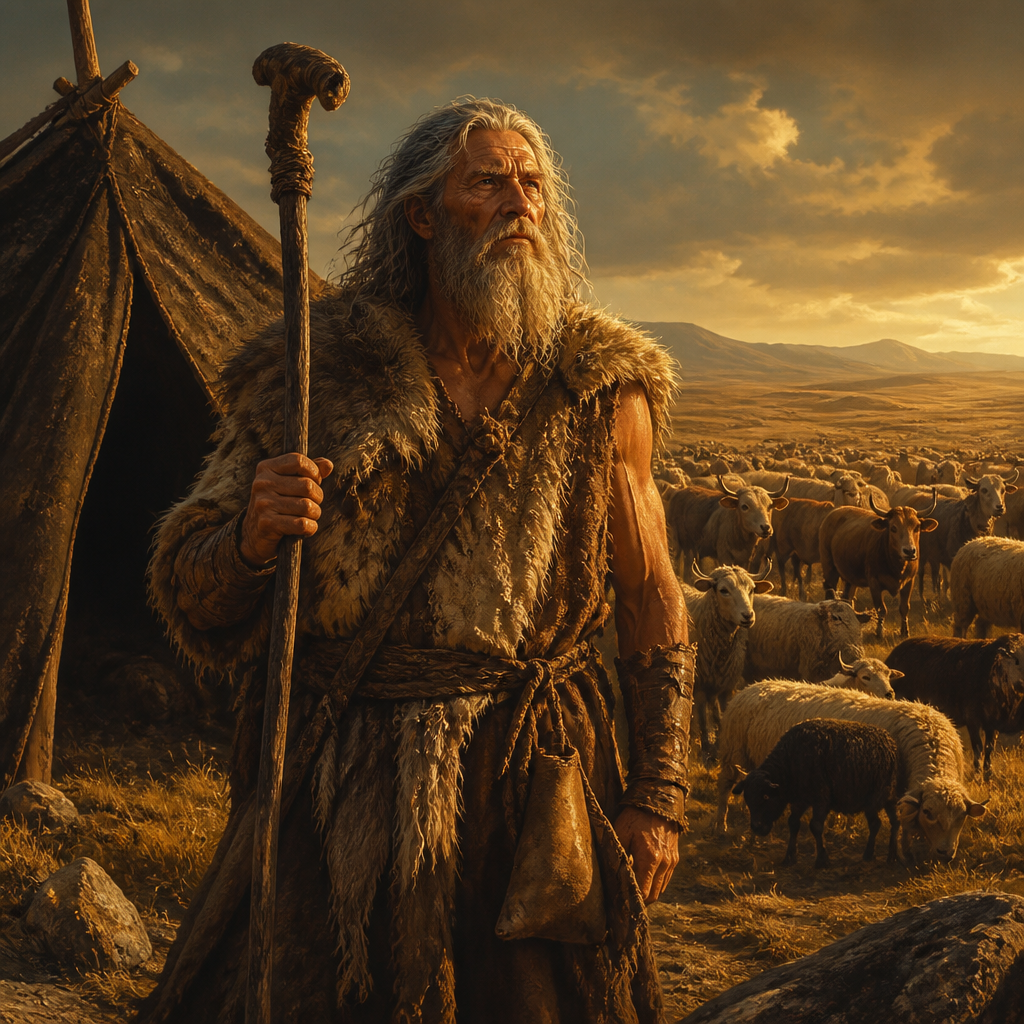
Jabal
Ancestor of those who live in tents and raise livestock
Jabal was a descendant of Cain and is identified in the Book of Genesis as the father of those who live in tents and raise livestock.
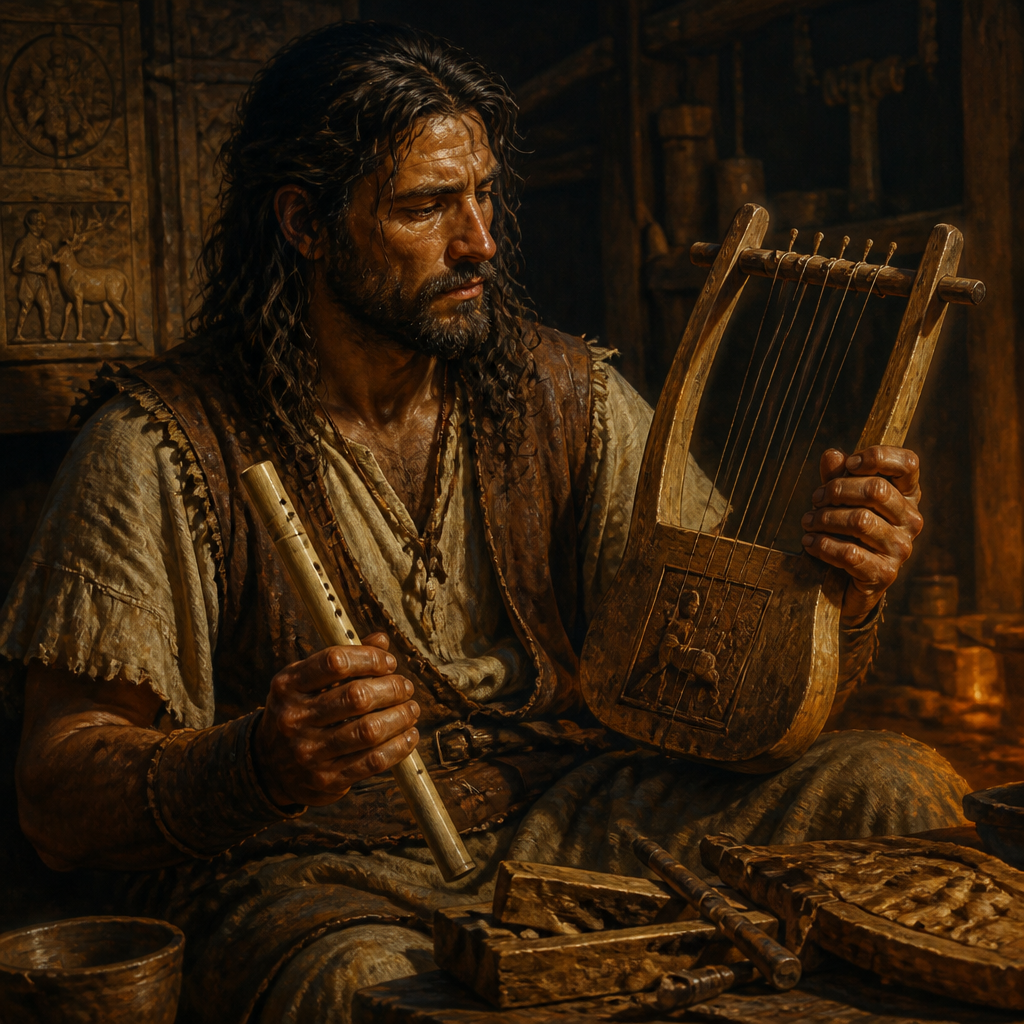
Jubal
The father of all who play the harp and flute
Jubal was a descendant of Cain and is traditionally recognized as the father of all who play the harp and the flute, establishing the foundation of musical arts.

Lamech
The first polygamist and author of the Song of the Sword
A six-generation descendant of Cain, Lamech is the first polygamist in the biblical narrative and the author of the 'Song of the Sword', showcasing the escalation of human violence.
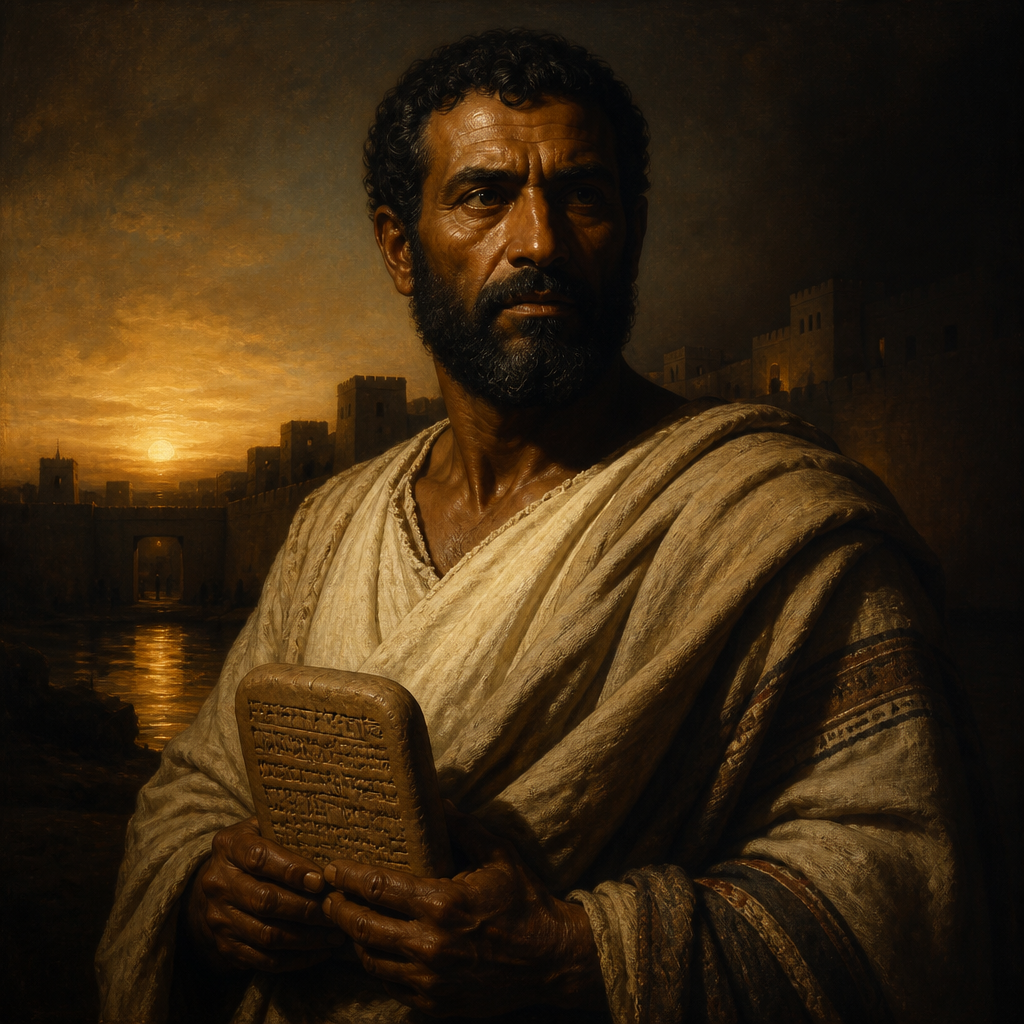
Mehujael
Great-grandson of Cain and a link in the pre-Flood genealogy
The son of Irad and great-grandson of Cain, Mehujael is a pivotal figure in the genealogies of the antediluvian world.
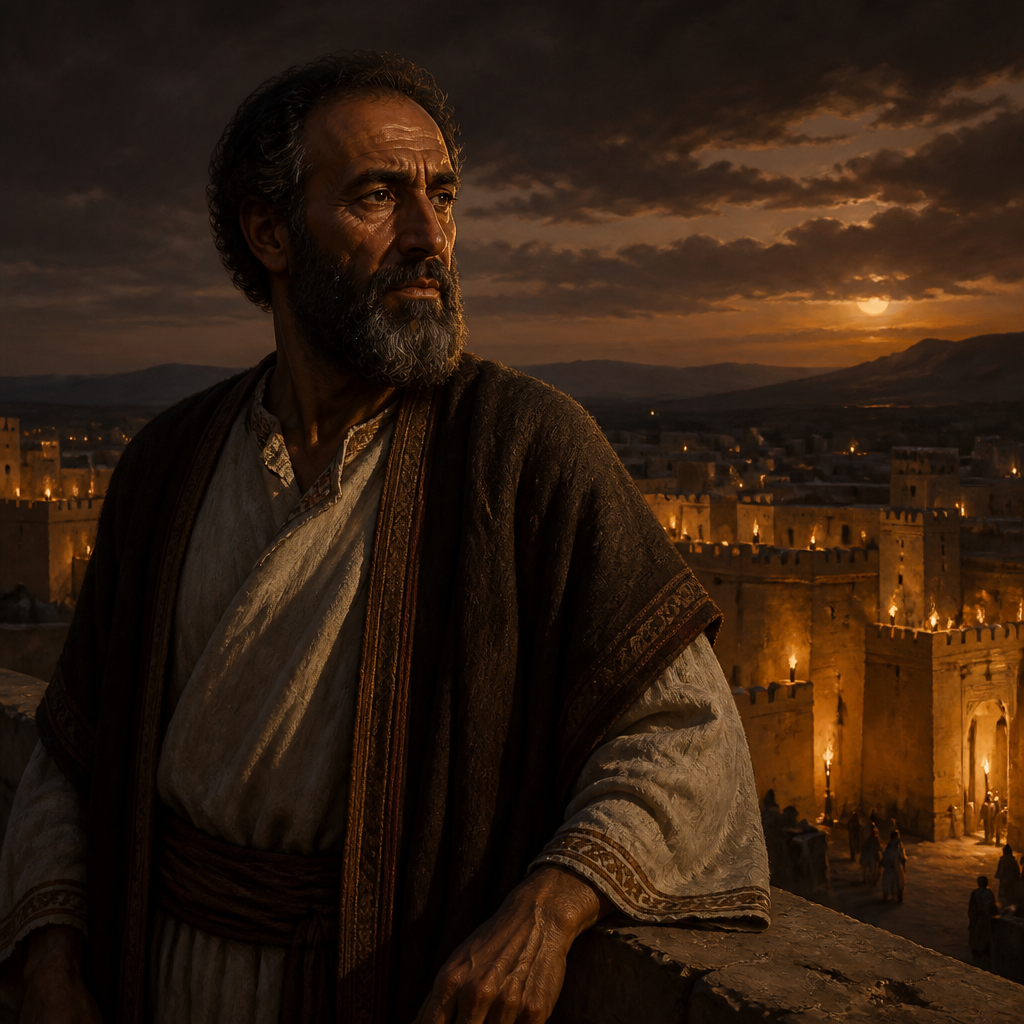
Methushael
Father of Lamech in the line of Cain
Methushael was a descendant of Cain, the son of Mehujael and the father of Lamech, representing the sixth generation of humanity in the Cainite line.

Naamah
The daughter of Lamech and sister of Tubal-cain in Cain's lineage
Naamah was a pre-Flood figure from the generation of Lamech, noted in the Table of Nations as the daughter of Lamech and Zillah and the sister of Tubal-cain.
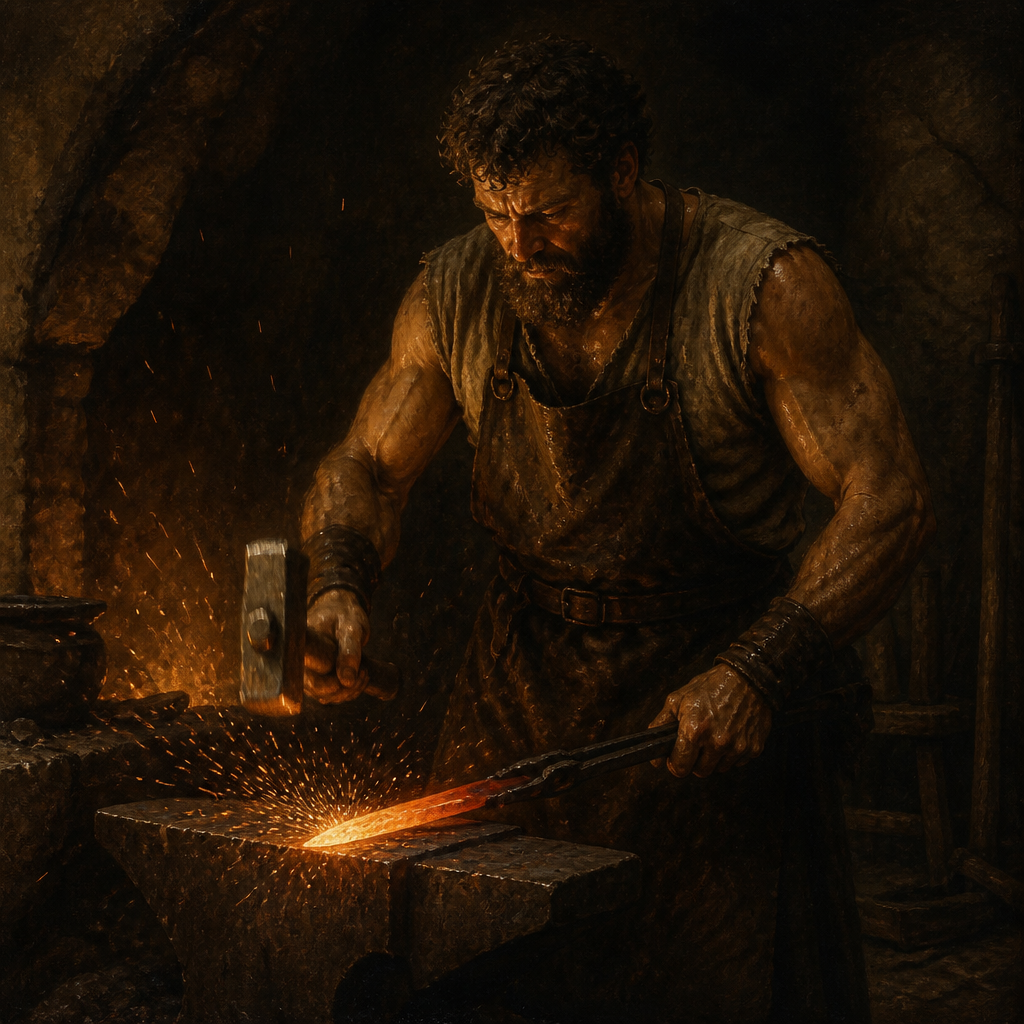
Tubal-cain
First forger of bronze and iron tools
According to the Book of Genesis, Tubal-cain was an antediluvian artisan identified as the first forger of bronze and iron tools.
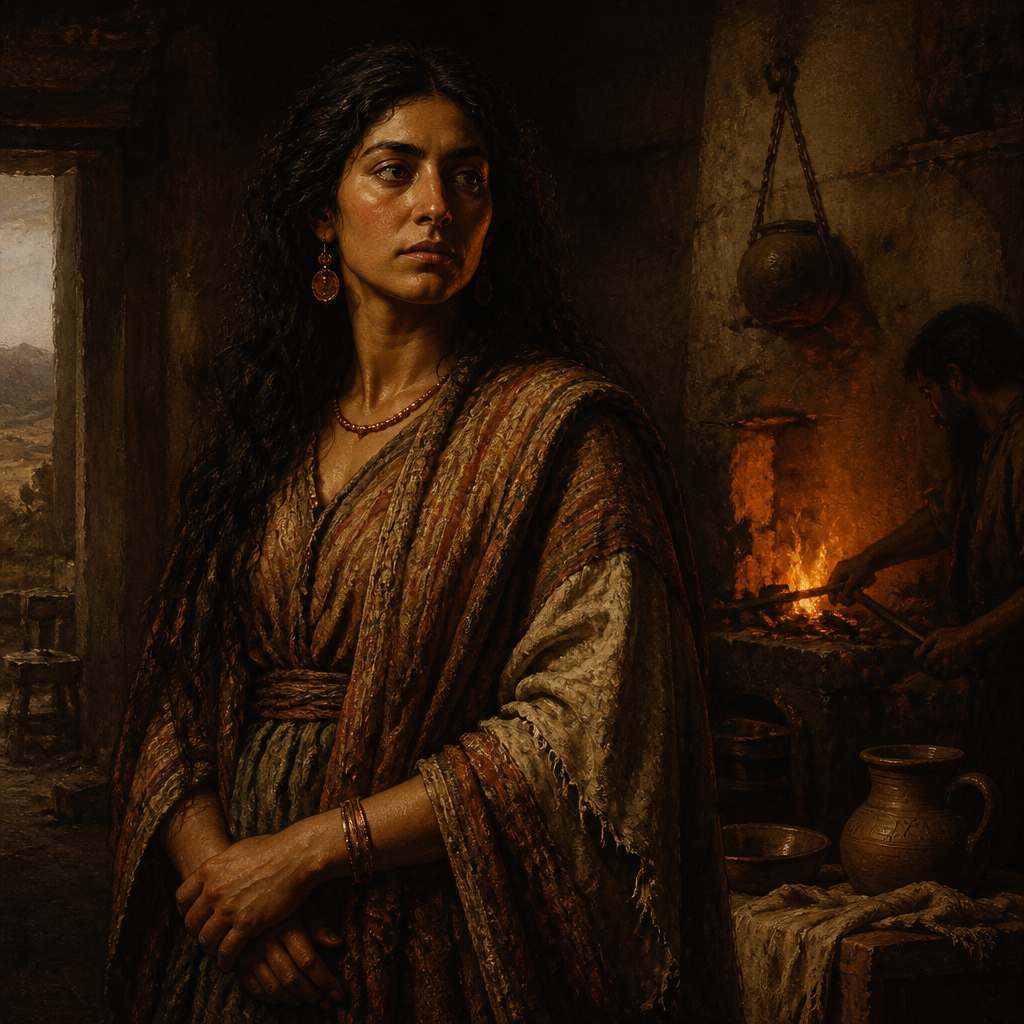
Zillah
Lamech’s second wife and mother of Tubal-cain
Zillah was the second wife of Lamech in the line of Cain and the mother of Tubal-cain and Naamah, appearing in the foundational genealogies of Genesis.