Cain's Wife
The unnamed woman mentioned in Genesis 4 who accompanied Cain to the land of Nod and began his lineage by bearing their son Enoch.
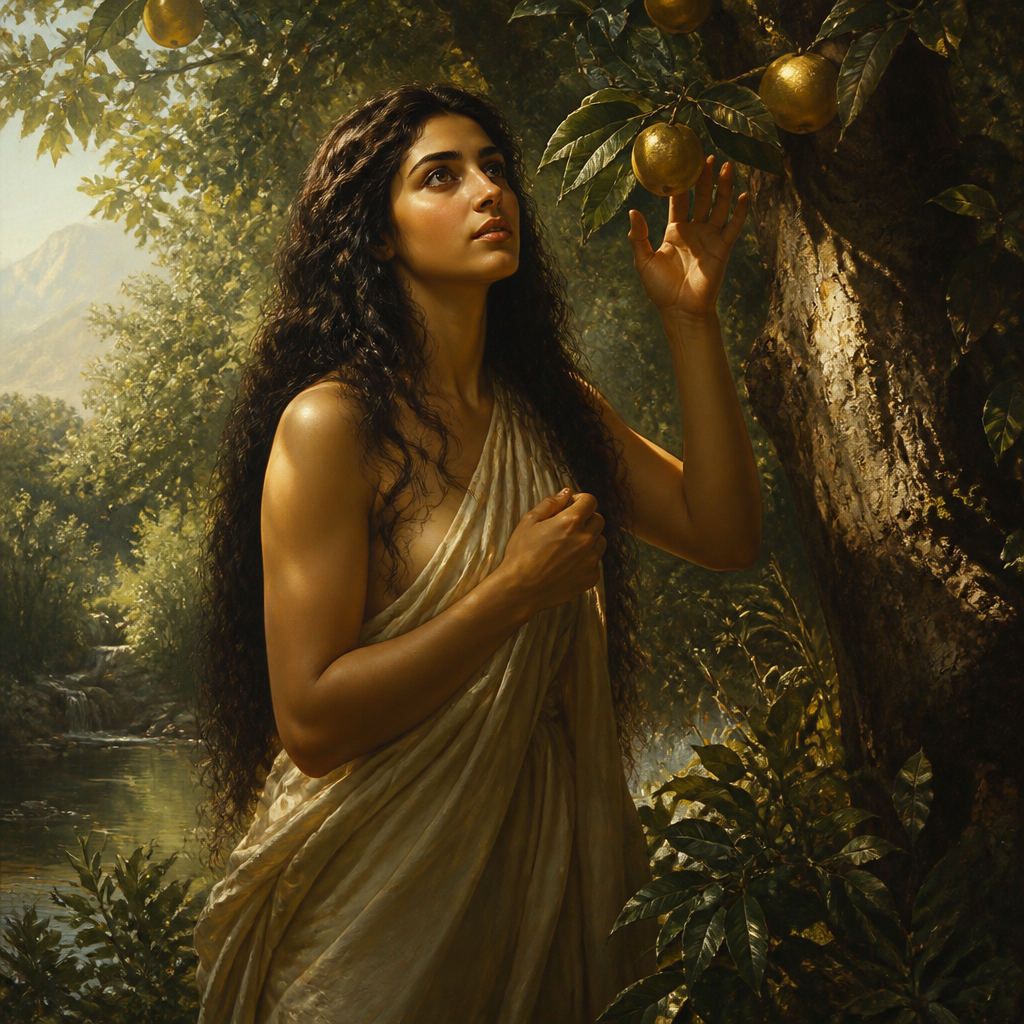
The wife of Cain is one of the most discussed yet enigmatic figures in the Book of Genesis. Although she is never named in the biblical canon, her existence is recorded immediately following Cain’s exile for the murder of his brother, Abel. Her appearance in the narrative marks a critical transition in the primeval history of humanity, moving from the immediate family of Adam and Eve to the establishment of the first urban civilization.
Historically and theologically, the identity of Cain’s wife has been a point of inquiry for centuries. Because the Bible does not explicitly state her origin, readers have often questioned where she came from and how she relates to the original human pair. Within the internal logic of the Genesis narrative and traditional Judeo-Christian interpretation, she is understood to be a daughter or granddaughter of Adam and Eve, representing the necessity of intermarriage in the earliest stages of human repopulation.
Her role in the text is primarily genealogical and foundational. By accompanying Cain into the Land of Nod, she ensures the survival of his line, which eventually produces innovators in metalworking, music, and animal husbandry. She stands as the biological link between the first fratricide and the first city, Enoch, which Cain named after their son.
Background and Family
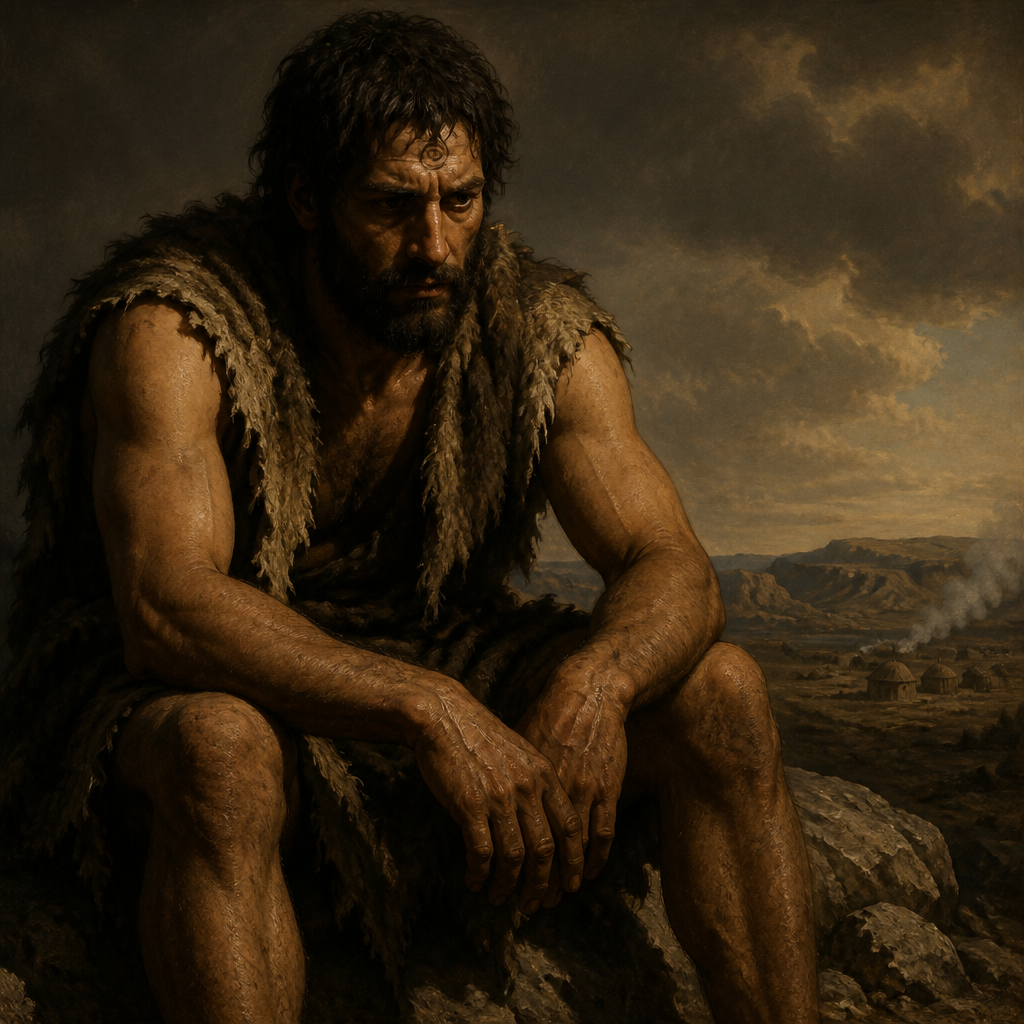
The biblical account locates Cain’s wife within the context of the aftermath of the first murder. After God cursed Cain to be a "restless wanderer" for killing Abel, Cain expressed fear that anyone who found him would kill him. God placed a mark on him for protection, and Cain departed from the presence of the Lord to settle in the land of Nod, east of Eden. It is here, in Genesis 4:17, that the text first mentions his wife: "Cain made love to his wife, and she became pregnant and gave birth to Enoch."
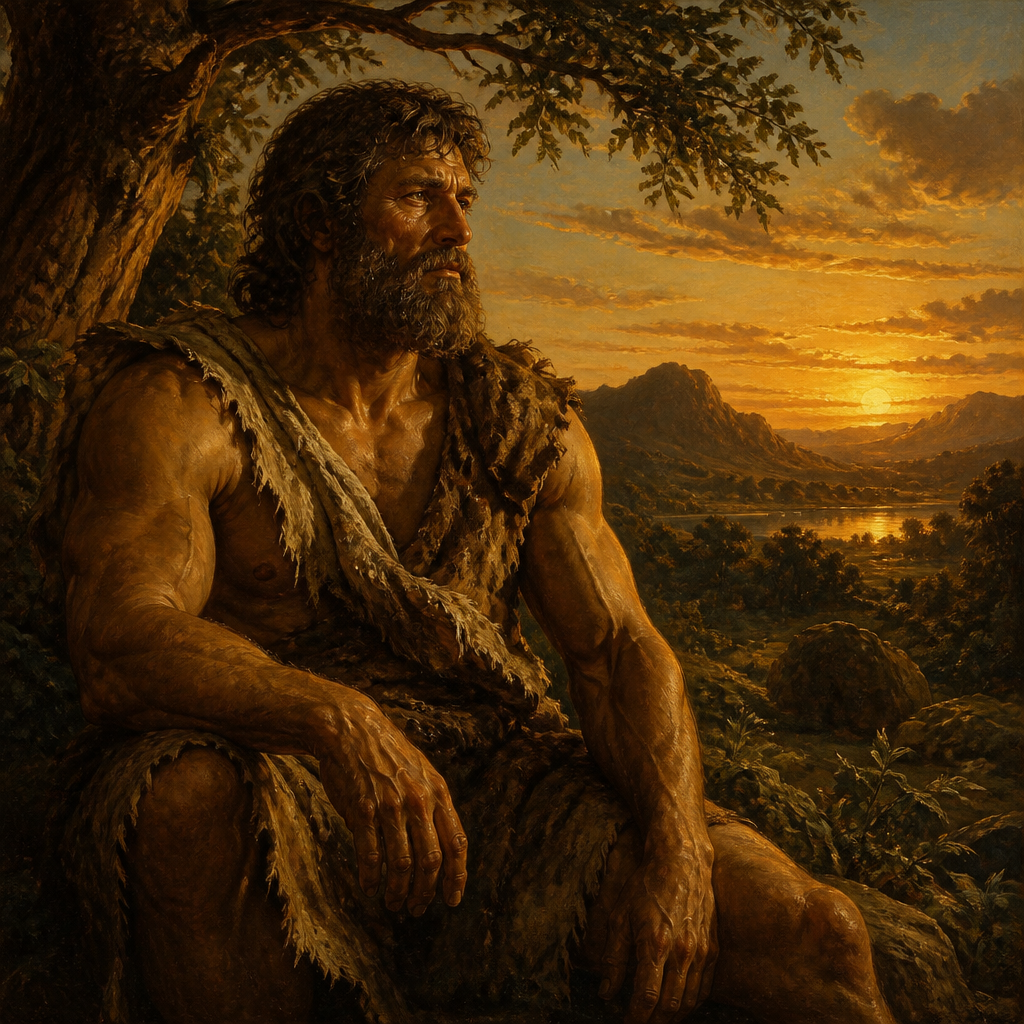
In the genealogical structure of Genesis, she is the mother of the line of Cain. This lineage is distinct from the line of Seth, who was born to Adam and Eve to "replace" Abel. While the text focuses on Cain’s descendants as the builders of earthly culture and technology, it implies that his wife shared in his exile. In terms of her ancestry, while the Bible does not name her parents, Genesis 5:4 states that Adam "had other sons and daughters." Traditional Jewish texts, such as the Jubilees, identify her as Awan, a daughter of Adam and Eve, though this remains outside the Protestant and Catholic biblical canon.
Major Life Events
Her life is defined by two primary actions within the Genesis narrative: her migration and her motherhood. She joined Cain in his journey to the Land of Nod (meaning "Wandering"). This act of joining a social outcast and a marked man suggests a shared destiny in the face of divine judgment.
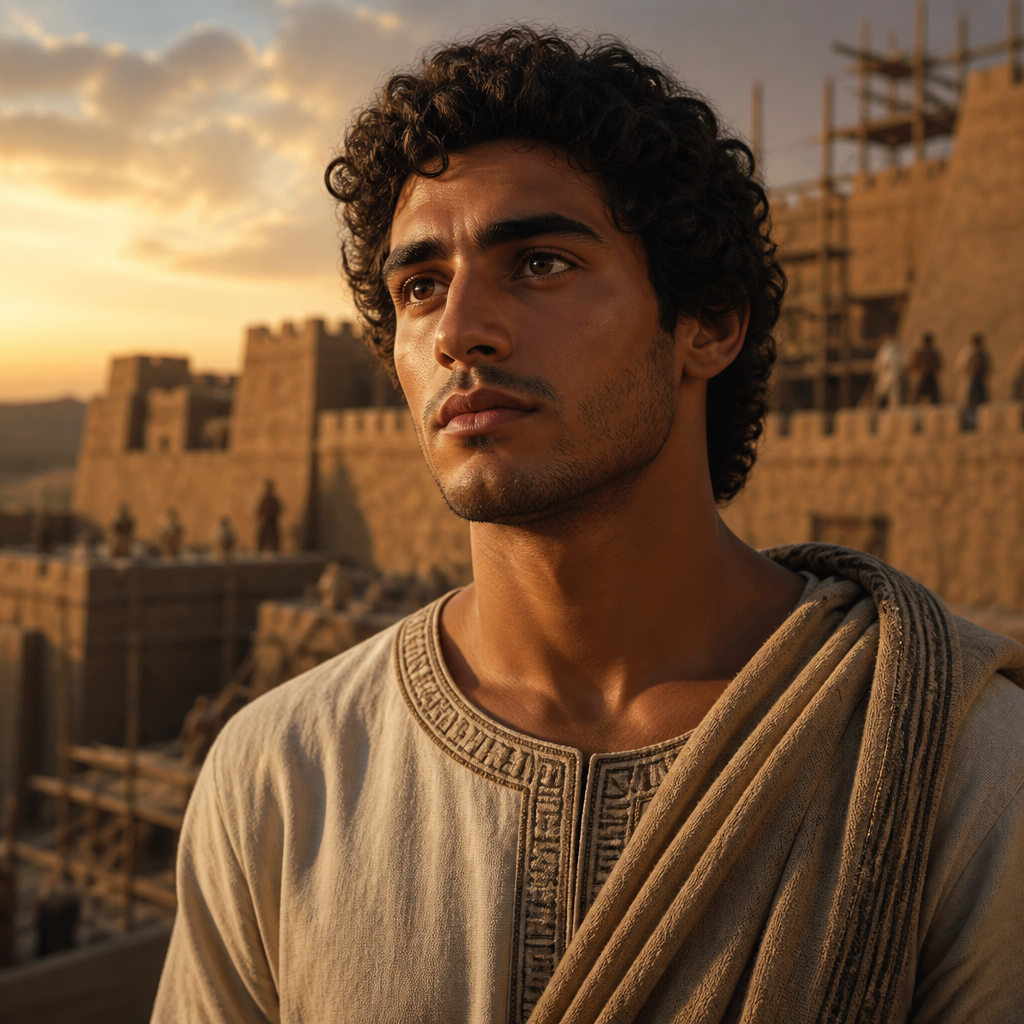
Upon settling, she gave birth to Enoch. This event is of immense structural importance to the author of Genesis because it signals the transition from a nomadic, fractured existence back toward settled life. The text notes that Cain was building a city at the time, which he named after their son. This indicates that Cain’s wife played a central role in the domestic stability required to move from the state of a fugitive to the head of a dynasty. Her presence allowed for the expansion of the human race during an era when the population was limited to the immediate descendants of the first couple.
Relationship to Other Biblical Figures
As the spouse of the first murderer, she is inextricably linked to the theme of sin and its social consequences. However, unlike Cain, she is not depicted as being under a direct curse herself. Her relationship to Cain is one of biological and social partnership. She is the daughter-in-law of Adam and Eve, the first created humans, making her a member of the original primary family of humanity.
Through her son Enoch, she is the ancestress of several notable figures mentioned in the later verses of Genesis 4. These include Irad, Mehujael, Methushael, and Lamech. Her descendants are credited with the creation of the arts and industry: Jabal (tents and livestock), Jubal (stringed instruments and pipes), and Tubal-Cain (tools of bronze and iron). Thus, she is the matriarch of the "cultural mandate" as it manifested in the line of Cain, showing that even those separated from the spiritual lineage of Seth contributed significantly to human progress.
Spiritual Significance
Theologically, the figure of Cain's wife serves as a bridge in the narrative of human history. Her existence underscores the biblical theme of the "multiplying" of the human race as commanded in Genesis 1:28. Even in the wake of the Fall and the subsequent violence of the second generation, the biological imperative to fill the earth continued.
Her presence also addresses the problem of the "missing" population in early Genesis. Throughout history, skeptics and scholars have asked, "Where did Cain get his wife?" The traditional answer—that she was his sister or a close relative—highlights the different social and genetic realities of the antediluvian world according to the text. From a literary perspective, she represents the resilience of the human family; even in the Land of Nod, a place of exile and wandering, the foundations of family and civilization are established. She is a silent witness to the grace inherent in the preservation of life, even within a bloodline marked by rebellion.
Spiritual Significance
Cain’s wife is significant for facilitating the continuity of the human race and the development of human civilization following the expulsion from Eden. Her presence demonstrates that the divine mandate to 'be fruitful and multiply' remained in effect even for those outside the favored line of Seth. She is the mother of the first urban population, bridging the gap between the primal family and the complexities of human society.
Theologically, she is often the focal point for harmonizing the Genesis narrative. Her identification as a descendant of Adam emphasizes the unity of the human race—that all humans, regardless of their moral or spiritual standing, originate from the same created source. She represents the domesticity and generational growth that occurs even in the 'Land of Wandering.'
Frequently Asked Questions
Where did Cain's wife come from?
While the Bible does not explicitly name her origin, Genesis 5:4 states that Adam and Eve had 'other sons and daughters.' Historically, it is understood that Cain married one of his sisters or a niece, which was a necessity for the second generation of humanity.
What is the name of Cain's wife?
The Bible does not provide a name for her. However, extra-biblical traditions like the Book of Jubilees refer to her as Awan, while other traditions use names like Luluwa or Azura.
Was Cain's wife a descendant of Adam and Eve?
Yes. Within the context of the Genesis narrative, Adam and Eve were the first parents of all humans, meaning any woman Cain married would have been a relative and a fellow descendant of the first couple.
Did Cain's wife live in the land of Nod?
Yes, Genesis 4:16-17 indicates that after Cain went to the land of Nod, he and his wife conceived their first son, Enoch, there.
What happened to the descendants of Cain's wife?
According to the biblical narrative, the line of Cain (descending from his wife) eventually led to Lamech and his children, but this specific lineage is generally understood to have ended with the Great Flood of Noah.