Irad
Irad was the son of Enoch and the grandson of Cain, representing the third generation of the Cainite lineage in the Book of Genesis.
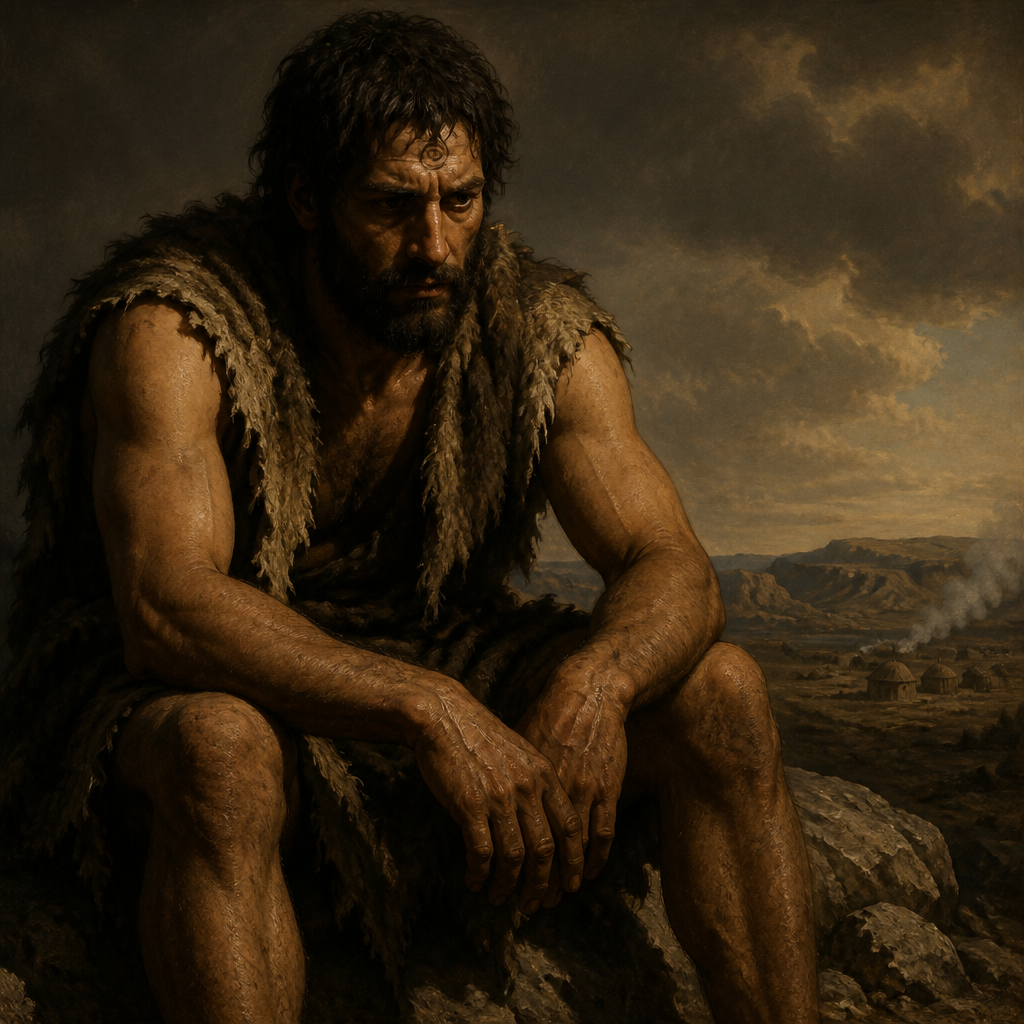
Irad is a figure mentioned in the fourth chapter of the Book of Genesis, situated within the genealogical record of the descendants of Cain. He occupies a central position in the pre-diluvian (pre-flood) era, specifically as the son of Enoch and the father of Mehujael. His name appears within a list of names that trace the development of human civilization separate from the lineage of Seth. While the biblical text provides scant narrative detail regarding Irad’s personal actions or life, his presence is vital for understanding the progression of the Cainite line. This lineage is characterized by the tension between agricultural wandering and the establishment of the first human city. As a descendant of Cain, Irad is part of a sequence of figures who pioneered human culture, technology, and urbanization in the ancient world before the Great Flood.
Background and Family
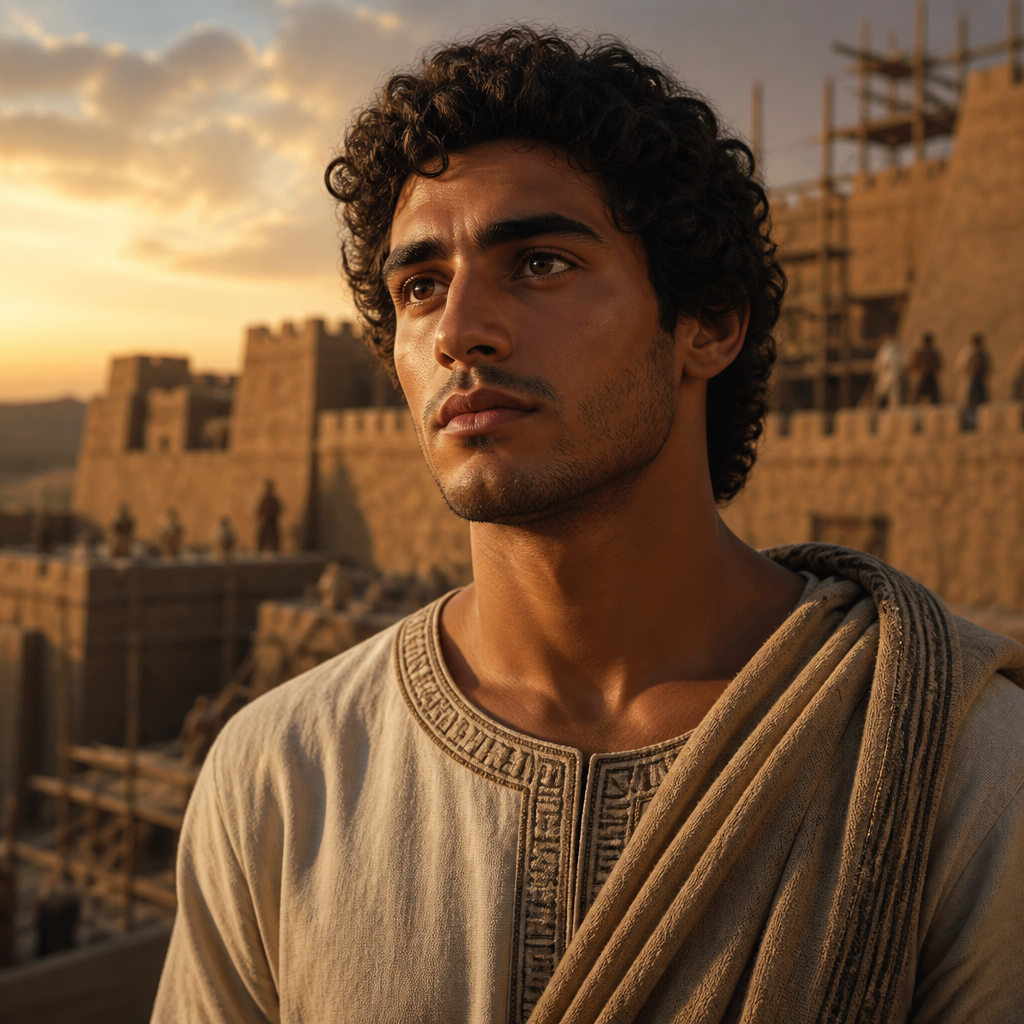
Irad is introduced in Genesis 4:18 as part of the genealogy of Cain, the firstborn son of Adam and Eve who became a fugitive after the murder of his brother Abel. The text states: "And unto Enoch was born Irad." This placement establishes Irad as the grandson of Cain. His father, Enoch, was the namesake of the first city ever mentioned in the Bible, which Cain built and named after his son.
The etymology of the name "Irad" (Hebrew: ‘Irad) is a subject of scholarly debate. It is often translated as "city-dweller," "fleet," or even "wild ass," though some linguistic analyses suggest a connection to the Hebrew root for "city" (‘îr), possibly implying "townsman" or "city person." This would be consistent with the context of his birth, as his father was the namesake of the first urban settlement. Another interpretation suggests "fugitive," reflecting the ancestral curse placed upon Cain, which may have been seen as a hereditary trait in the early generations of his line.
Major Life Events
The biblical record does not attribute specific miracles, speeches, or events to Irad. Instead, his "life event" is his role as a link in the chain of human expansion. He lived during a period defined by the "Cainite Civilization," a term used by theologians to describe the development of human arts, crafts, and social structures independent of a direct covenant with God.
As the father of Mehujael, Irad served as the bridge between the immediate family of Cain and the later generations that would produce figures like Lamech and his children (Jabal, Jubal, and Tubal-Cain). In the chronological framework of Genesis, Irad represents the solidification of the Cainite presence on the earth. By the time of Irad, the family of Cain had moved beyond the status of mere fugitives and had begun to establish a lasting, multi-generational society.
Relationship to Other Biblical Figures
Irad’s primary relationships are defined by his ancestry and his progeny. He is the son of Enoch and the father of Mehujael. Beyond these direct ties, he is a primary ancestor to Lamech, who is noted for his boastful poem and for being the first polygamist in the biblical record.
Scholars often note the striking similarities between the names in the line of Cain (Genesis 4) and the line of Seth (Genesis 5). Irad is frequently compared to Jared in the Sethite line. While the names are phonetically similar in English, they are distinct in Hebrew. However, the structural parallelism suggests that the author of Genesis intended for the reader to observe two distinct ways of living on the earth: one centered around the city of man (Cain’s line, including Irad) and one centered around walking with God (Seth’s line).
Spiritual Significance
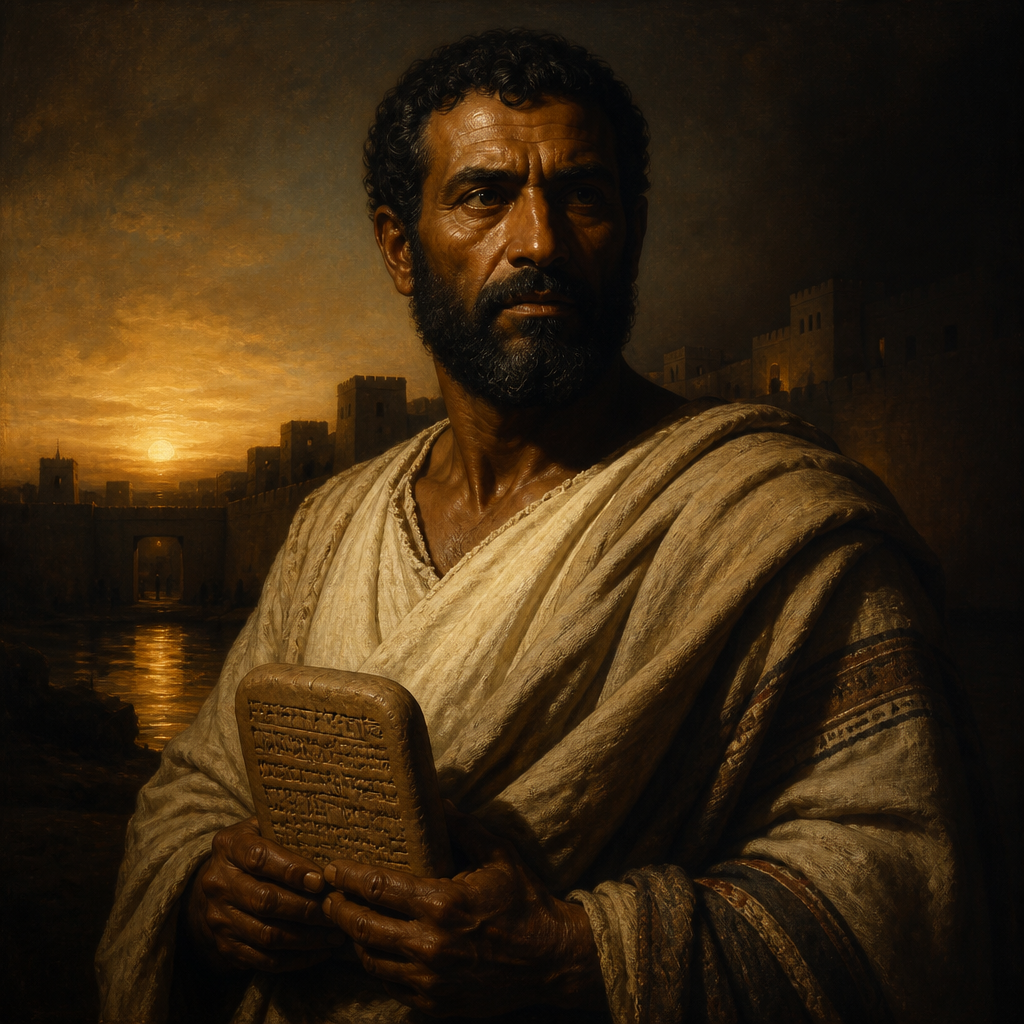
Theologically, Irad represents the rapid expansion of humanity following the Fall. His entry in the genealogy serves to show that the consequences of Cain’s sin did not prevent his descendants from flourishing in a material sense. The line of Cain, of which Irad is a key member, is often characterized as the "city of man" (as formulated by St. Augustine). This lineage demonstrates that human ingenuity—building cities, developing livestock, and crafting tools—can occur even when humanity is estranged from God.
Furthermore, Irad’s lack of biographical detail compared to his later descendants (like Lamech) or his grandfather (Cain) emphasizes the silent passage of time in the antediluvian world. He stands as a witness to the increasing distance between the creation of Adam and the eventual judgment of the Flood. In the broader biblical narrative, Irad is a symbol of the biological and cultural continuity of a fallen race, showing that the potential for both greatness and sin is passed down through the generations.
"And unto Enoch was born Irad: and Irad begat Mehujael: and Mehujael begat Methusael: and Methusael begat Lamech." (Genesis 4:18, KJV)
Spiritual Significance
Irad’s primary theological significance lies in his placement within the 'Genealogy of the Wicked' (Cain’s line). He serves as a structural proof that the descendants of Cain were real, historical figures who established a civilization parallel to the godly line of Seth. His presence underscores the theme that human culture and survival continued even under the shadow of the curse, illustrating God's common grace in allowing the human race to multiply despite its rebellion. Additionally, Irad represents the early stages of urbanization. Being born to the man for whom the first city was named, Irad personifies the transition of humanity from wandering nomads to settled citizens. This transition is portrayed in Genesis with nuance, showing that while cities offer protection and progress, they also became centers for the intensification of pride and independence from the Creator.
Frequently Asked Questions
What does the name Irad mean?
The name Irad is often interpreted to mean 'city-dweller' or 'townsman,' likely derived from the Hebrew word for city, reflecting his family's history of building the first urban settlement.
Who was Irad's father?
Irad was the son of Enoch (the son of Cain, not to be confused with the Enoch who walked with God in Seth's line).
Is Irad mentioned anywhere outside of Genesis 4?
No, Irad appears only in the fourth chapter of Genesis within the genealogical record of Cain's descendants.
What happened to Irad's descendants?
The Bible implies that the lineage of Cain, including Irad's descendants, was wiped out during the Great Flood of Noah's time, as Noah was a descendant of the Sethite line.
Why is Irad's life not described in detail?
The genealogies in early Genesis often serve as 'bridge' texts, focusing on the lineage's progression rather than individual biographies, highlights only those like Cain or Lamech who committed notable acts.