Methushael
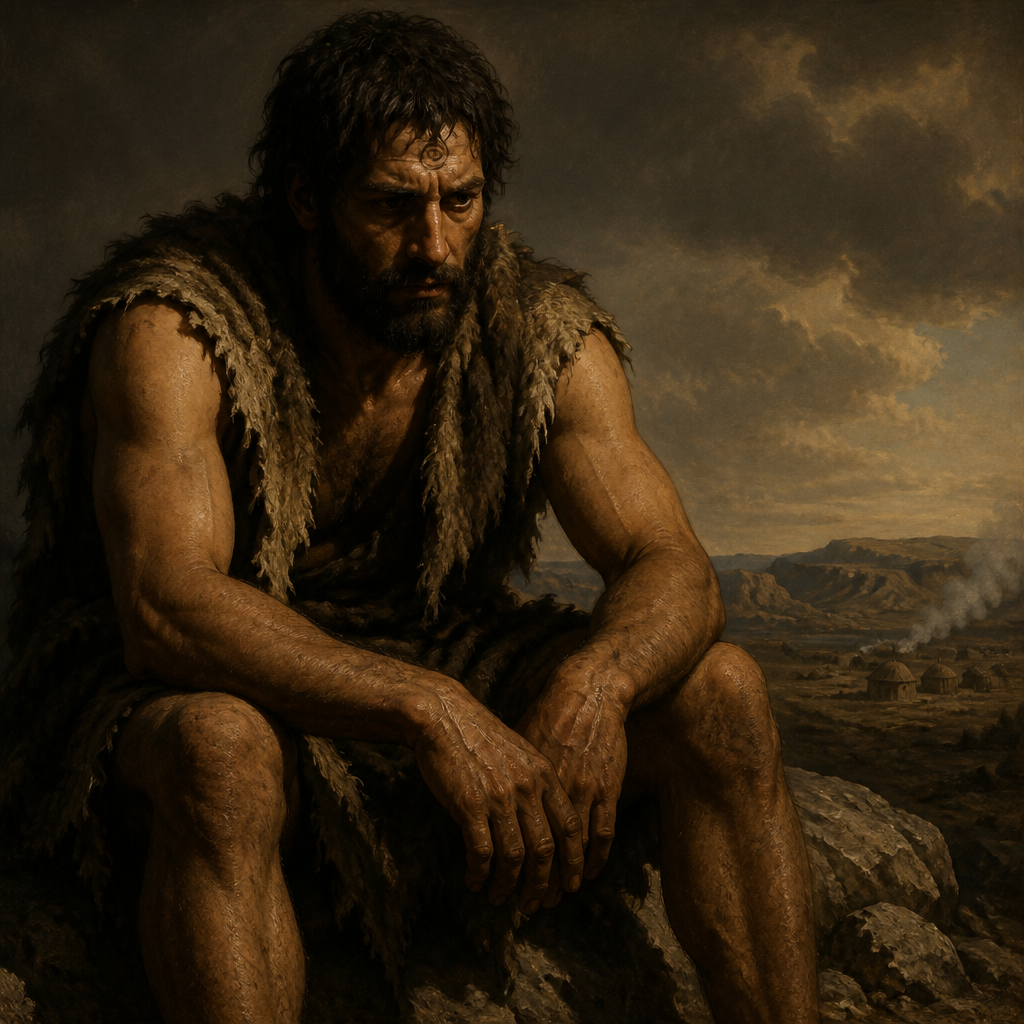
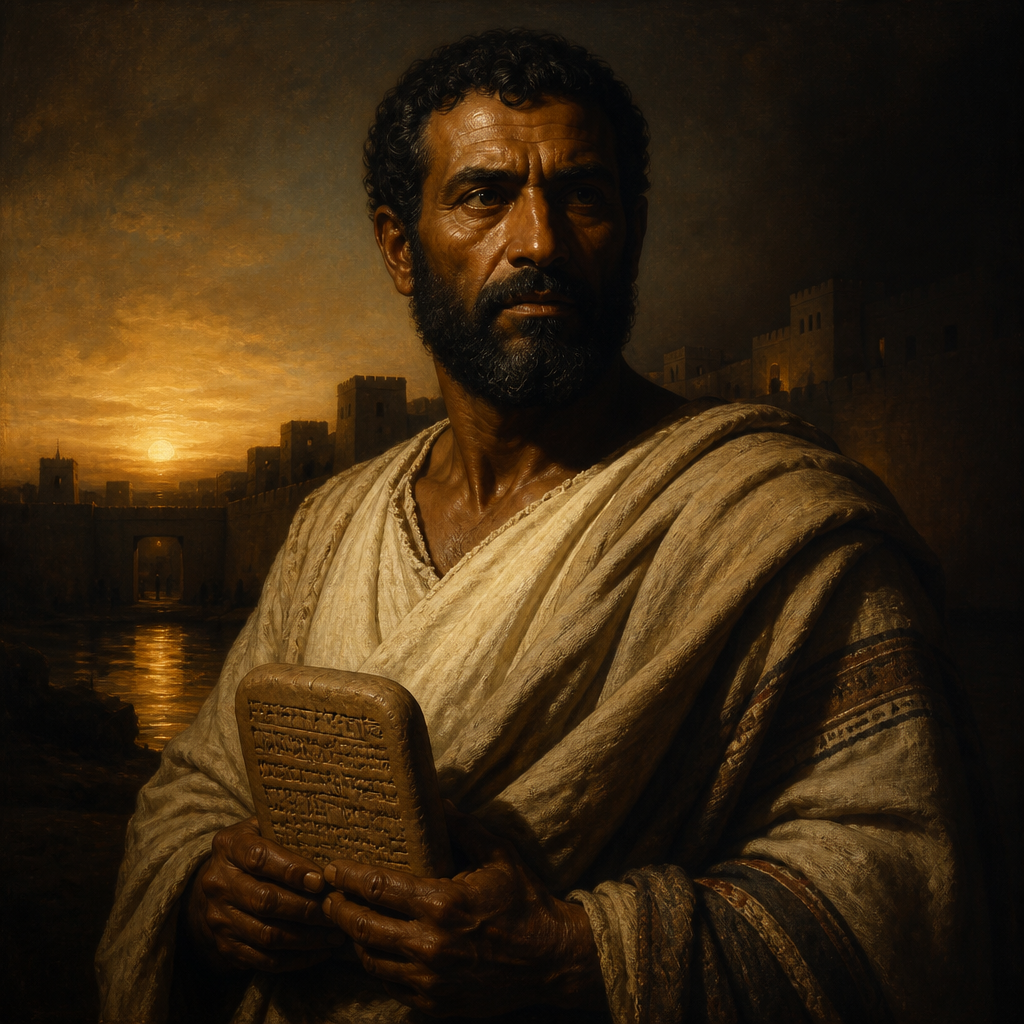
Methushael was a descendant of Cain, the son of Mehujael and the father of Lamech, representing the sixth generation of humanity in the Cainite line.
Methushael is a figure appearing in the early genealogical records of the Book of Genesis. As a member of the line of Cain, he occupies a position in the antediluvian history of humanity, specifically within the branch of the family tree that developed outside the community of those who 'called upon the name of the Lord.' His name is recorded in the fourth chapter of Genesis, which details the rapid expansion of human civilization, technology, and cultural complexity following the exile of Cain from Eden.
Historically and linguistically, Methushael's name is of significant interest to scholars because of its potential etymological roots. It is often interpreted to mean 'Man of God' or 'Man who is of God,' though within the context of Cain’s rebellious lineage, this has sparked significant debate regarding whether it reflects a lingering acknowledgment of the divine or if the title 'El' was applied in a different cultural context. Despite his brief mention, he serves as a pivotal link in the genealogy leading to Lamech, the first recorded polygamist and a central figure in the narrative of increasing human violence before the Great Flood.
Background and Family
Methushael appears in the genealogical list of Genesis 4:18. According to the Masoretic Text, he was the son of Mehujael and the father of Lamech. His family lineage begins with Cain, the firstborn son of Adam and Eve who became an outcast after the murder of his brother Abel. This specific lineage is often referred to by biblical scholars as the 'Cainite Genealogy.' Unlike the later 'Sethite' genealogy found in Genesis 5, which focuses on a line of spiritual fidelity, the Cainite line serves to track the development of human culture, urban life, and the deepening of human autonomy.
Methushael occupies the sixth generation from Adam. His ancestors included Enoch (after whom the first city was named), Irad, and Mehujael. His placement in this sequence is critical for understanding the progression of his line. By the time of Methushael, the descendants of Cain had transitioned from wandering fugitives to established city-dwellers. The names in this lineage, including Methushael’s, suggest a society that was increasingly sophisticated yet spiritually detached from the original Edenic relationship with the Creator.
Major Life Events
The Bible provides no specific narrative accounts regarding the individual actions, achievements, or death of Methushael. In the style of the genealogies of the ancient Near East, his importance is primarily structural and representational. He is the bridge between Mehujael and Lamech. However, his life occurred during a period of significant transition according to the Genesis narrative.
During Methushael's period, the Cainite civilization was likely reaching its zenith. This was the era immediately preceding the birth of Jabal, Jubal, and Tubal-Cain—individuals credited with the invention of animal husbandry, musical instruments, and metallurgy. While Methushael is not credited with a specific invention, he presided over a generation that maintained the survival and expansion of the Cainite legacy in the land of Nod, east of Eden. His life reflects the stability of a lineage that, despite being 'hidden' from the face of the Lord, continued to multiply and exert influence over the young earth.
Relationship to Other Biblical Figures
Methushael’s most significant familial relationship described in Scripture is with his son, Lamech. Lamech represents a turning point in the Cainite line, characterized by a shift from the quiet development of cities to overt boastfulness and violence. By fathering Lamech, Methushael is the direct ancestor of the figures who would dominate the pre-Flood cultural landscape.
Scripture portrays the Cainites as a distinct social and moral group. While the lineage of Seth (Cain’s brother) is characterized by longevity and 'walking with God,' the line of Methushael is characterized by its contributions to the secular world. The relationship between Methushael and his father Mehujael suggests a continuing tradition of names that contain the element 'El' (God), indicating that even within Cain's exiled line, the concept of the divine remained a point of reference, whether through genuine memory or a linguistic vestige of their heritage.
Spiritual Significance
The lack of biographical detail for Methushael does not diminish his theological significance in the eyes of many scholars. In the literary structure of Genesis, his presence reinforces the reality of human proliferation. The Cainite line demonstrates that the 'common grace' of life, family, and cultural development is granted even to those who are spiritually alienated from God.
Methushael’s name itself presents a theological paradox. If 'Methushael' indeed means 'Man of God,' it sits in stark contrast to the legacy of his ancestor Cain and the violent conduct of his son Lamech. Some commentators suggest this represents the 'veneer of piety' that can exist in a secular society, or perhaps a parent's hope that their child might return to the God their forefather Cain had fled. Ultimately, Methushael serves as a reminder of the antediluvian world’s complexity—a world that was filled with 'mighty men of old' and 'men of renown,' yet was moving toward the judgment of the Flood because of the 'wickedness of man' that became prevalent in the generations Methushael helped produce.
Spiritual Significance
Methushael represents a vital link in the genealogical record that sets the stage for the moral condition of the world before the Flood. His inclusion in Genesis 4 provides a parallel to the generations of the faithful line, illustrating that Cain’s descendants were part of the historical fabric of the early earth. Theologically, he signifies the growth of a civilization that achieved great cultural heights while being grounded in a legacy of fratricide and exile. He is a testament to the persistence of the human race and the fulfillment of the mandate to 'be fruitful and multiply,' even among the marginalized and the rebellious.
Frequently Asked Questions
Who was Methushael's father?
According to the genealogy in Genesis 4:18, Methushael's father was Mehujael.
What does the name Methushael mean?
The name is generally interpreted to mean 'Man of God' or 'Man who is of God,' though some scholars suggest alternate roots related to the Akkadian word for 'man' (mutu).
Is Methushael in the same line as Noah?
No. Methushael is from the line of Cain. Noah is a descendant of Adam through the line of Seth. These are two distinct lineages presented in the Book of Genesis.
Who was Methushael's son?
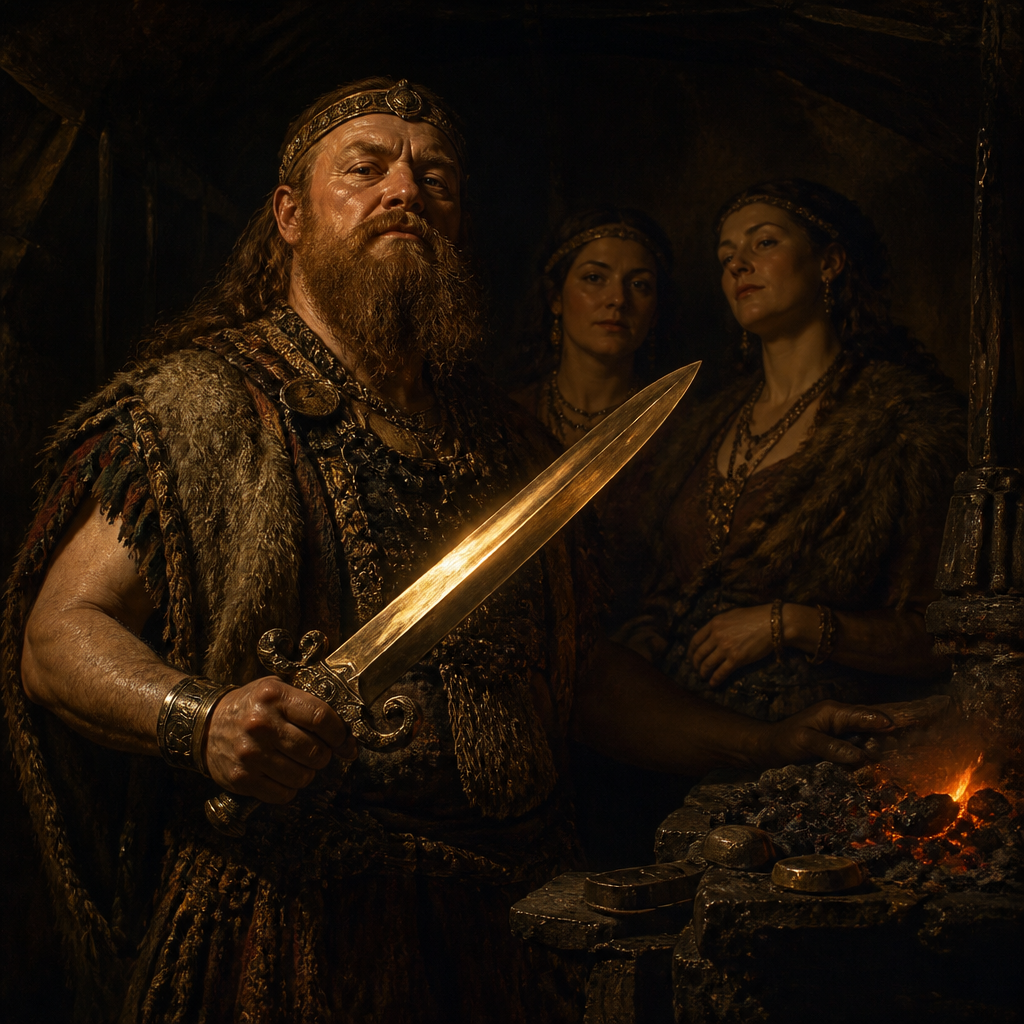
Methushael’s son was Lamech, who is known for being the first polygamist in the Bible and for his boastful 'Song of the Sword.'
Does the Bible record how long Methushael lived?
The Bible does not record the lifespan or age of Methushael. Such details are provided for the line of Seth in Genesis 5, but are omitted for the line of Cain in Genesis 4.