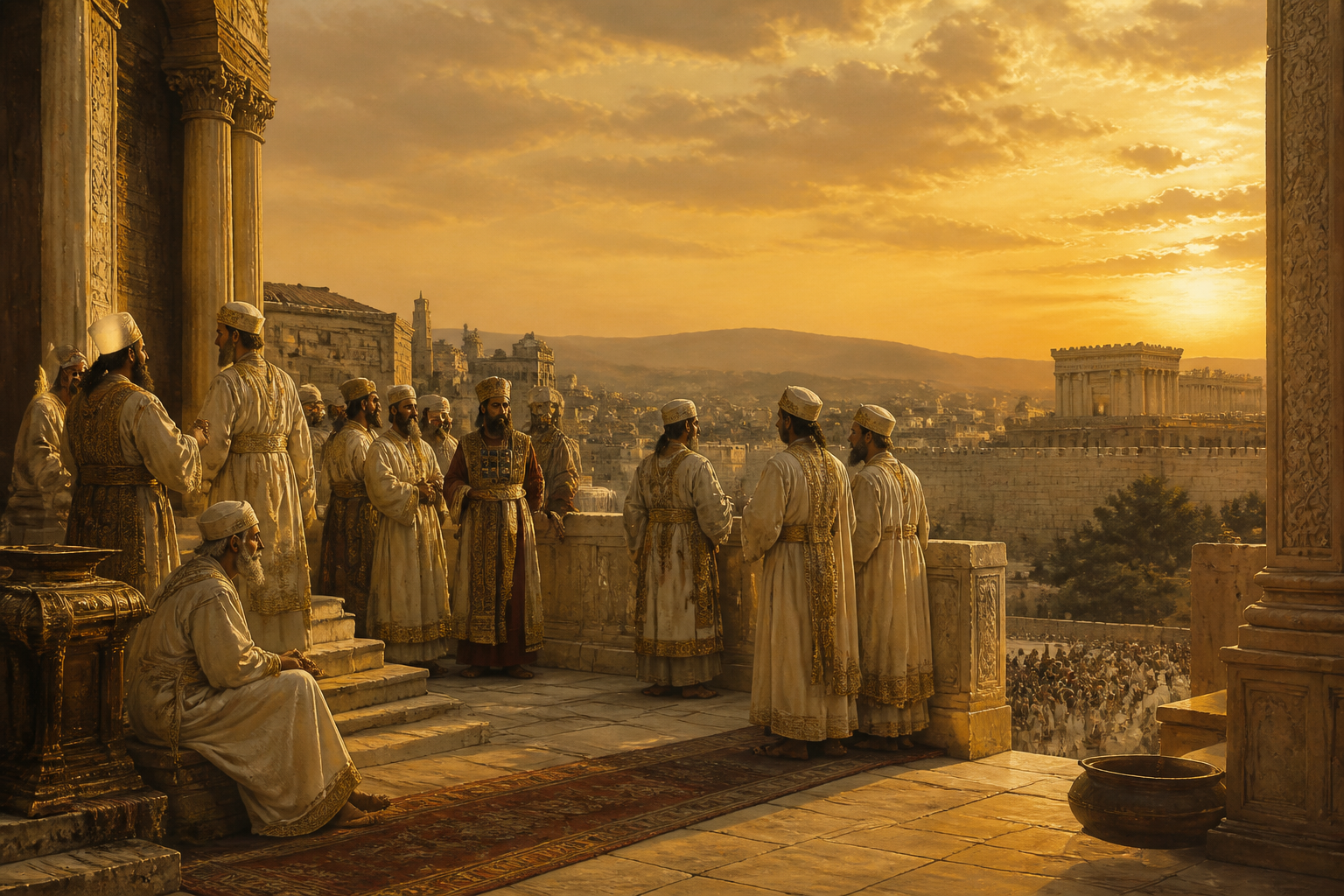
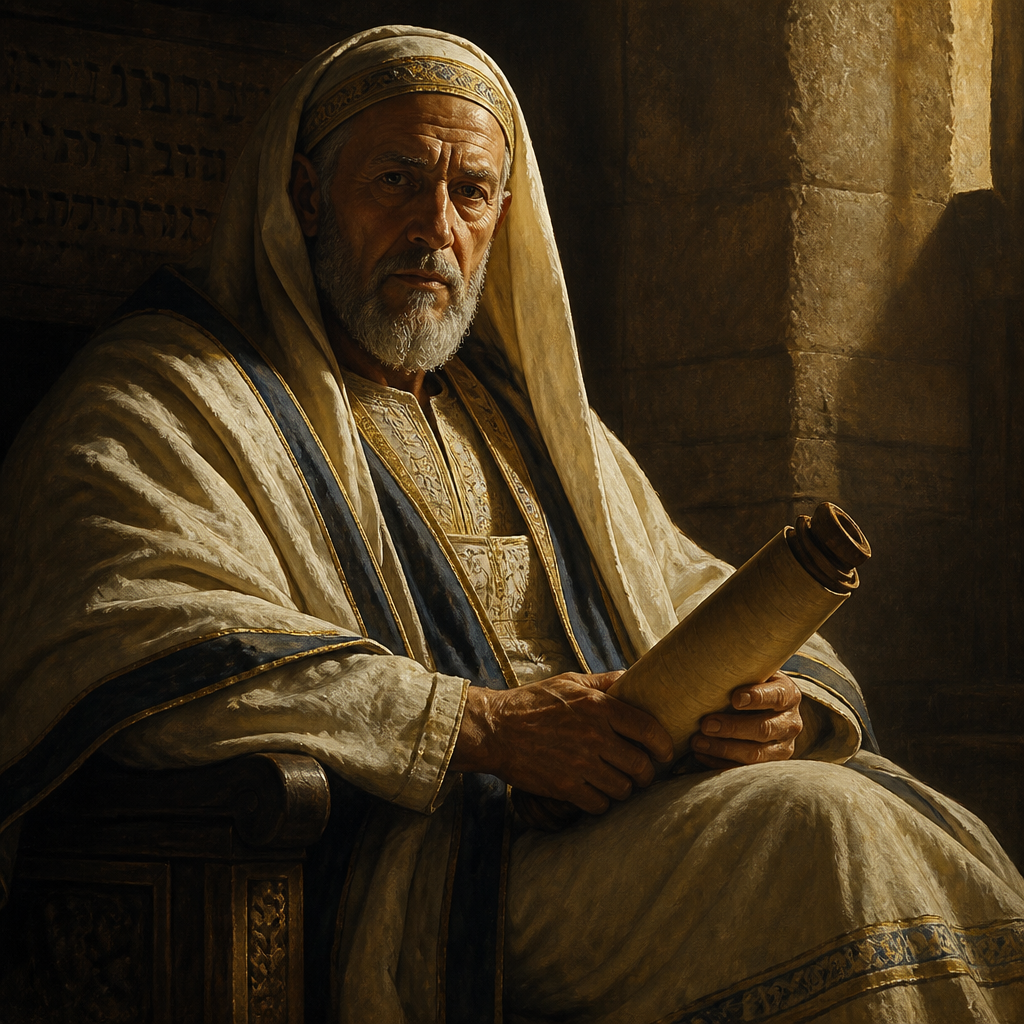
High Priests and Their Family Members
The influential ecclesiastical elite of the Second Temple period who wielded significant religious and political authority in Judea.
“Then the high priest rose up, and all who were with him (that is, the party of the Sadducees), and filled with jealousy they arrested the apostles and put them in the public prison.” — Acts 5:17-18
The High Priests and their immediate kin represented the summit of the Judean social hierarchy during the transition from the Hasmonean dynasty to the Roman occupation. Historically, the high priesthood was designated for the descendants of Aaron through the line of Zadok; however, by the first century AD, the position had become increasingly politicized. Appointments were often mediated by Roman governors or the Herodian monarchs, leading to the rise of a few powerful aristocratic families who rotated the office among themselves. This 'priestly aristocracy' functioned as the primary intermediaries between the Jewish populace and the Roman imperial administration.
In the biblical narrative, particularly within the New Testament, these figures are depicted as the guardians of the status quo and the ancestral traditions of the Temple. Their authority was not merely spiritual but also judicial and administrative, as the High Priest presided over the Sanhedrin, the supreme legal council of the Jews. This role placed them at the center of the legal proceedings against significant figures such as Jesus of Nazareth, the apostle Peter, and the apostle Paul. Their primary concern was often the maintenance of civil order and the preservation of the Temple’s sanctity, which they viewed as being threatened by emerging messianic movements.
Scholarship emphasizes that while the New Testament frequently portrays this group in a narrow, often adversarial light, they were complex figures navigating a precarious political landscape. Figures like Annas and Caiaphas exercised leadership during a period of intense sectarian division among Pharisees, Sadducees, and Essenes. Their legacy is inextricably linked to the final decades of the Second Temple, as their familial dominance over the priesthood continued until the outbreak of the Jewish War in 66 AD, which eventually led to the destruction of the Temple and the permanent dissolution of their office.
The group
High Priests and Their Family Members
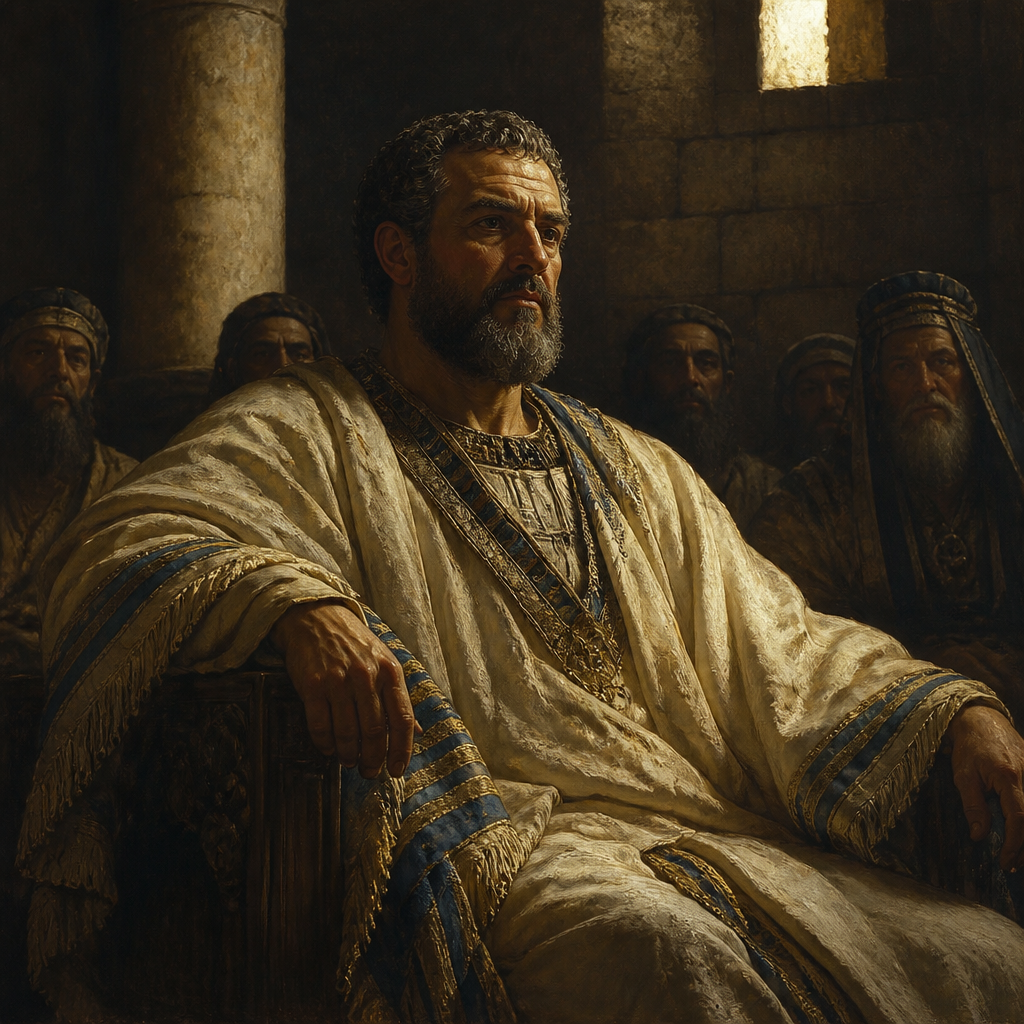
Alexander
High-priestly family member who participated in the interrogation of the apostles Peter and John
A member of the high-priestly family in Jerusalem and a relative of Annas and Caiaphas who participated in the trial of the apostles Peter and John.
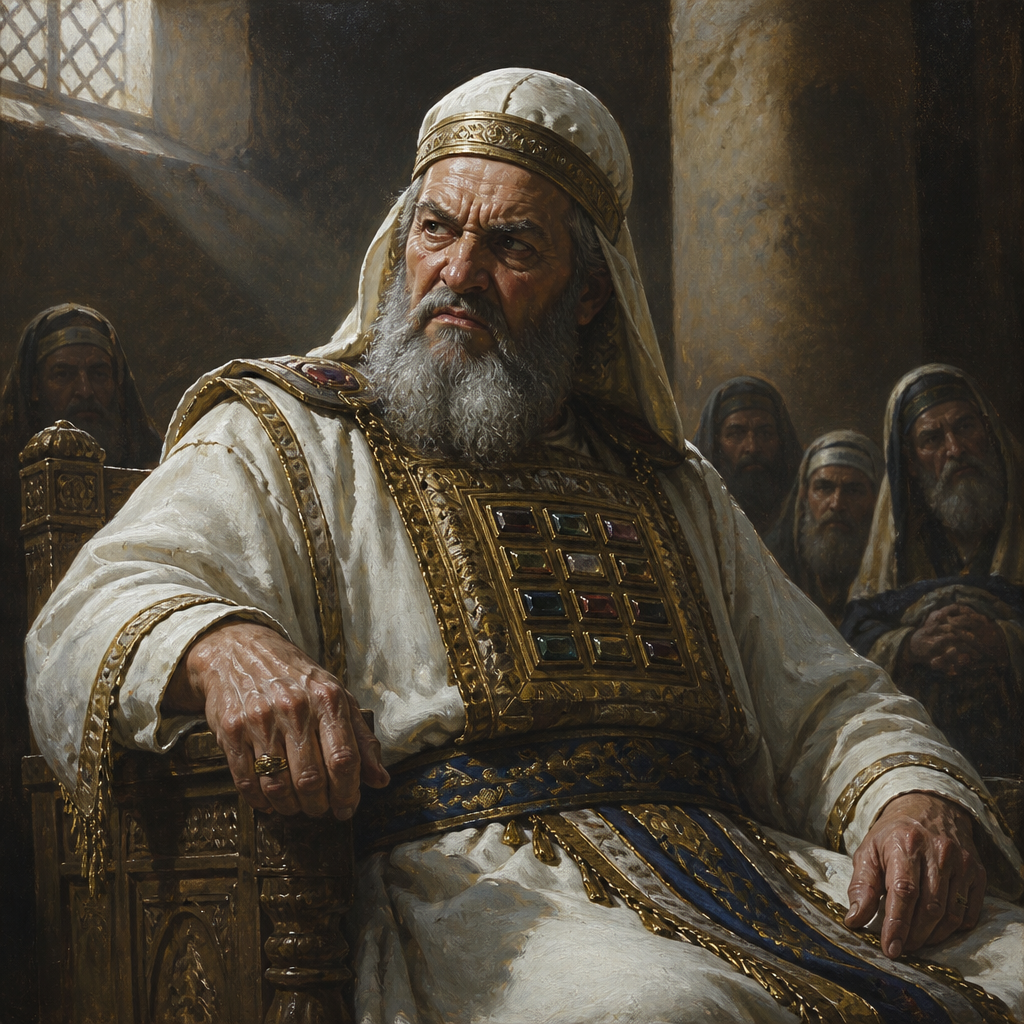
Ananias son of Nedebaeus
High Priest who presided over the trial of the Apostle Paul and was called a 'whitewashed wall'
Ananias son of Nedebaeus was a powerful and controversial Jewish High Priest who presided over the Sanhedrin during the legal proceedings against the Apostle Paul in Jerusalem and Caesarea.

Annas
High Priest who led the preliminary trial of Jesus and daughter's husband was Caiaphas
Annas was a powerful Jewish High Priest of the first century who exerted significant influence over the Sanhedrin during the trials of Jesus and the early apostles.
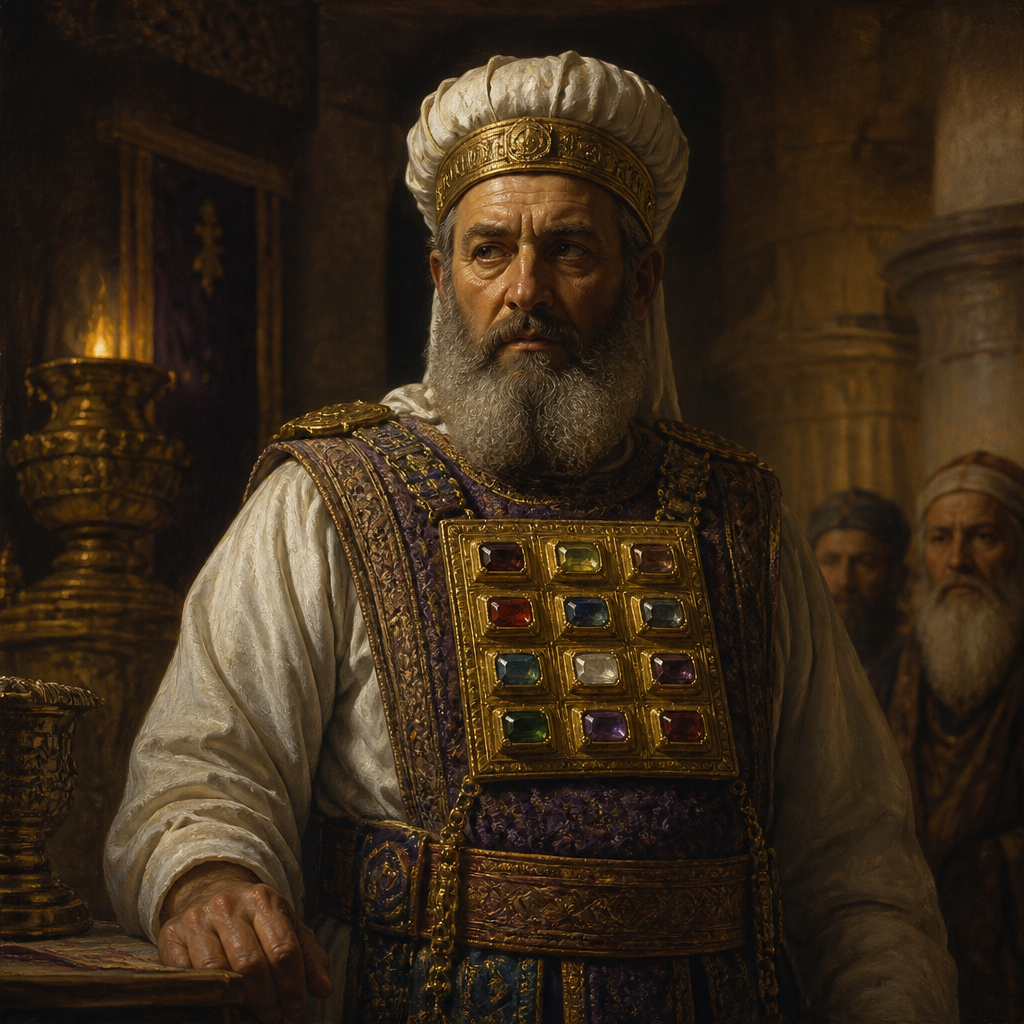
Caiaphas
High Priest who presided over the Sanhedrin during the trial of Jesus
The influential Jewish High Priest during the reign of Tiberius Caesar who presided over the trial of Jesus of Nazareth.
John (Johanan)
High-priestly official who participated in the interrogation of Peter and John
A member of the high-priestly family in Jerusalem searchingly involved in the interrogation of the early Christian apostles.