Provincial Officials
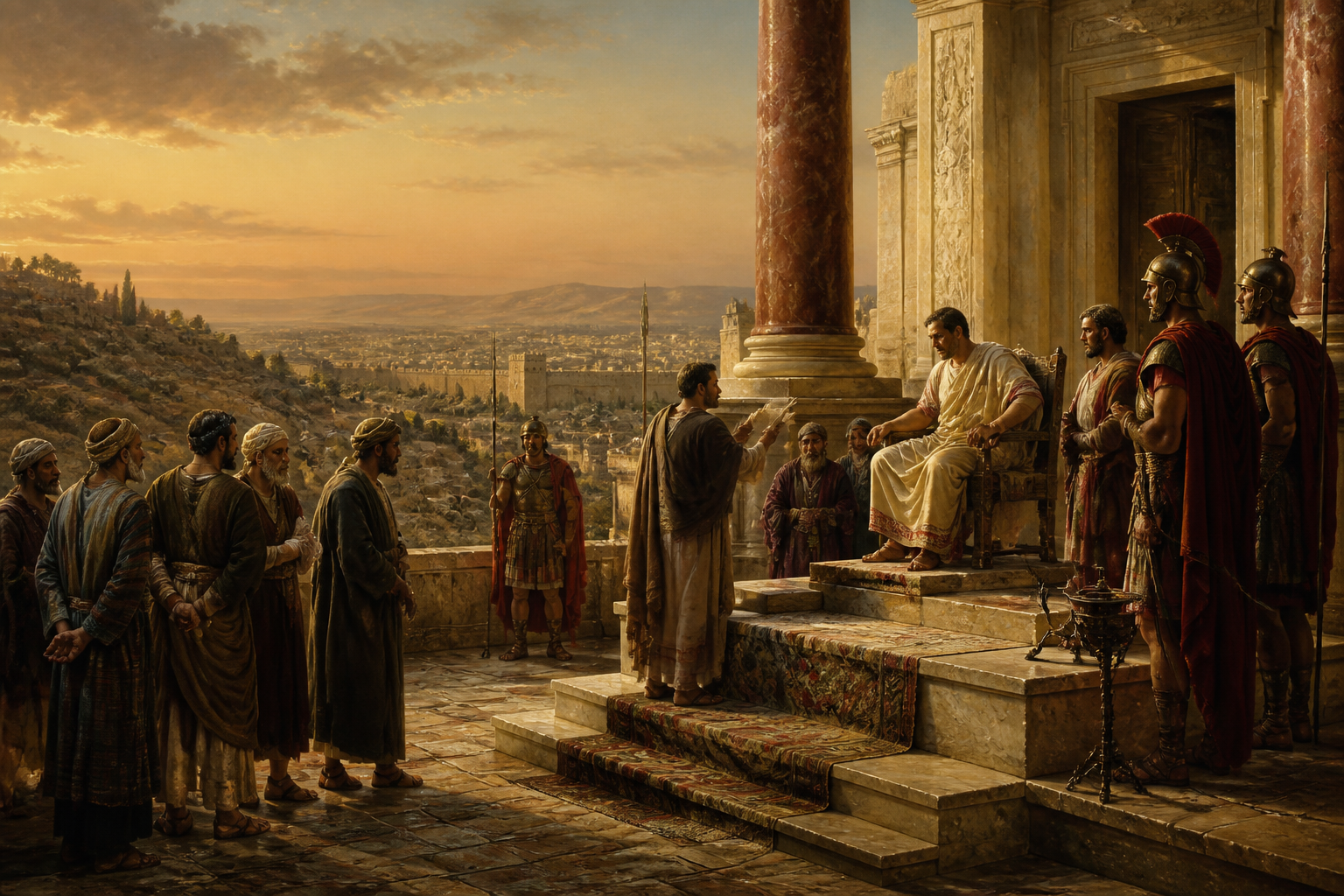
The administrative representatives of the Roman Empire and regional monarchies who oversaw civil order and legal proceedings in the New Testament.
“In the fifteenth year of the reign of Tiberius Caesar, Pontius Pilate being governor of Judea, and Herod being tetrarch of Galilee, and his brother Philip tetrarch of the region of Ituraea and Trachonitis, and Lysanias tetrarch of Abilene…” — Luke 3:1
The provincial officials mentioned in the New Testament represent the intersection of Roman imperial administration and the burgeoning Christian movement. These men, bearing titles such as procurator, prefect, proconsul, or tetrarch, served as the primary conduits of state power across the Mediterranean world. Their presence in the biblical narrative serves a dual purpose: it anchors the events of the Gospels and the Book of Acts within a specific Greco-Roman historical framework and demonstrates the early Church's ongoing navigation of secular legal systems. From the trial of Jesus to the missionary journeys of Paul, these officials held the power of life and death, taxation, and civil peace (Pax Romana) over their respective jurisdictions.
Historically, these figures were often drawn from the Roman senatorial or equestrian classes, appointed either by the Roman Emperor or the Senate. Their duties were primarily judicial and financial, though they remained responsible for maintaining order in volatile regions like Judea and Galatia. While برخی names like Pontius Pilate were synonymous with the Roman presence in Jerusalem, others like Sergius Paulus or Gallio provide insight into the diverse reactions of the Roman intellectual and political elite toward the emerging 'sect' of Christianity. In many instances, the New Testament authors highlight the officials' indifference or legalistic adherence to Roman law as a contrast to the spiritual urgency of the Christian message.
Beyond their political roles, these figures matter to biblical scholarship because they provide essential chronological markers. Luke the Evangelist, in particular, utilizes the names of officials like Quirinius or Lysanias to synchronize sacred history with world history. This allows historians to cross-reference biblical accounts with extra-biblical sources such as Josephus, Tacitus, and various archaeological inscriptions. Consequently, these provincial officials are not merely background characters but serve as the historical scaffolding upon which the narrative of the early Church is built, illustrating the complexities of living under an imperial authority while professing allegiance to a kingdom not of this world.
The group
Provincial Officials
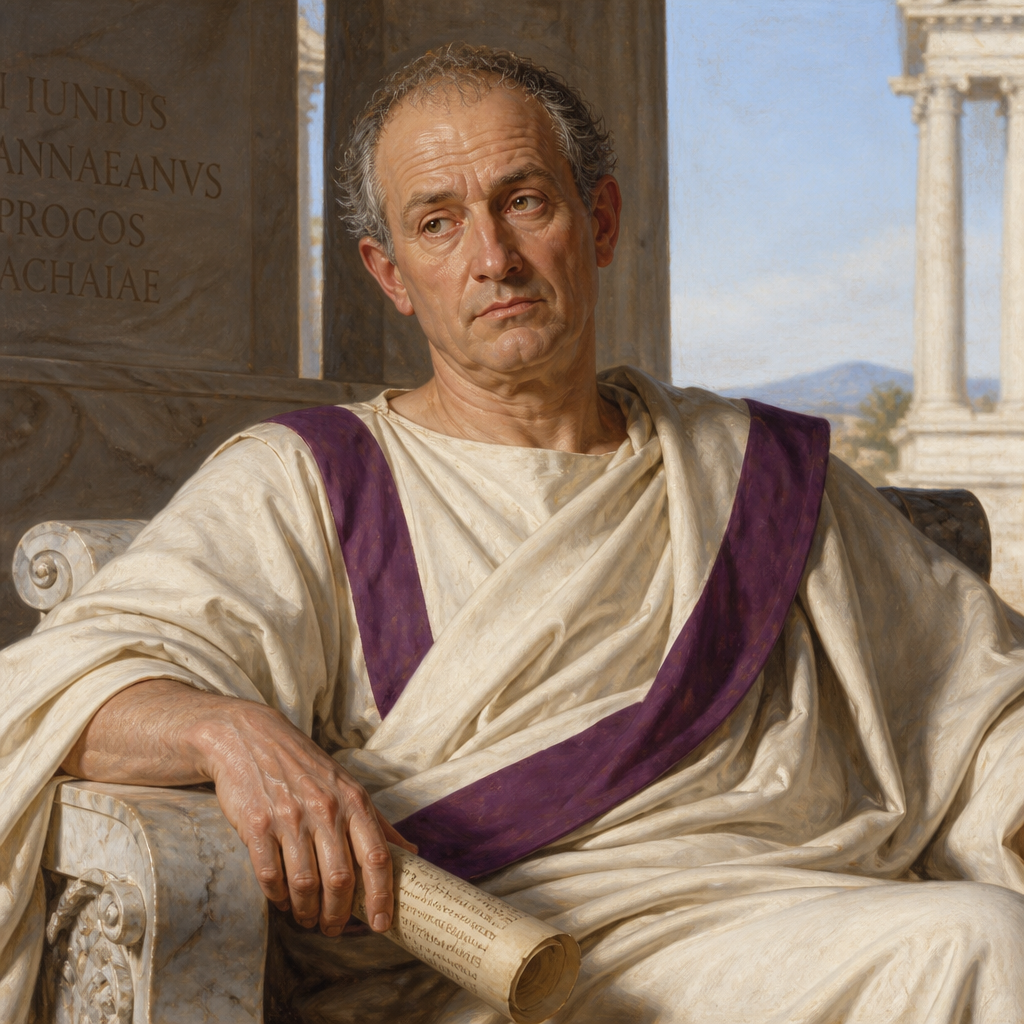
Gallio
Roman official who dismissed the legal charges against the Apostle Paul in Corinth
A Roman proconsul of Achaia who dismissed the legal charges brought against the Apostle Paul in Corinth, establishing a significant precedent for the early Christian church.

The Governor Under King Aretas
Nabataean official whose garrison at Damascus attempted to capture the Apostle Paul
A high-ranking Nabataean official in Damascus who sought to arrest the Apostle Paul shortly after his conversion.
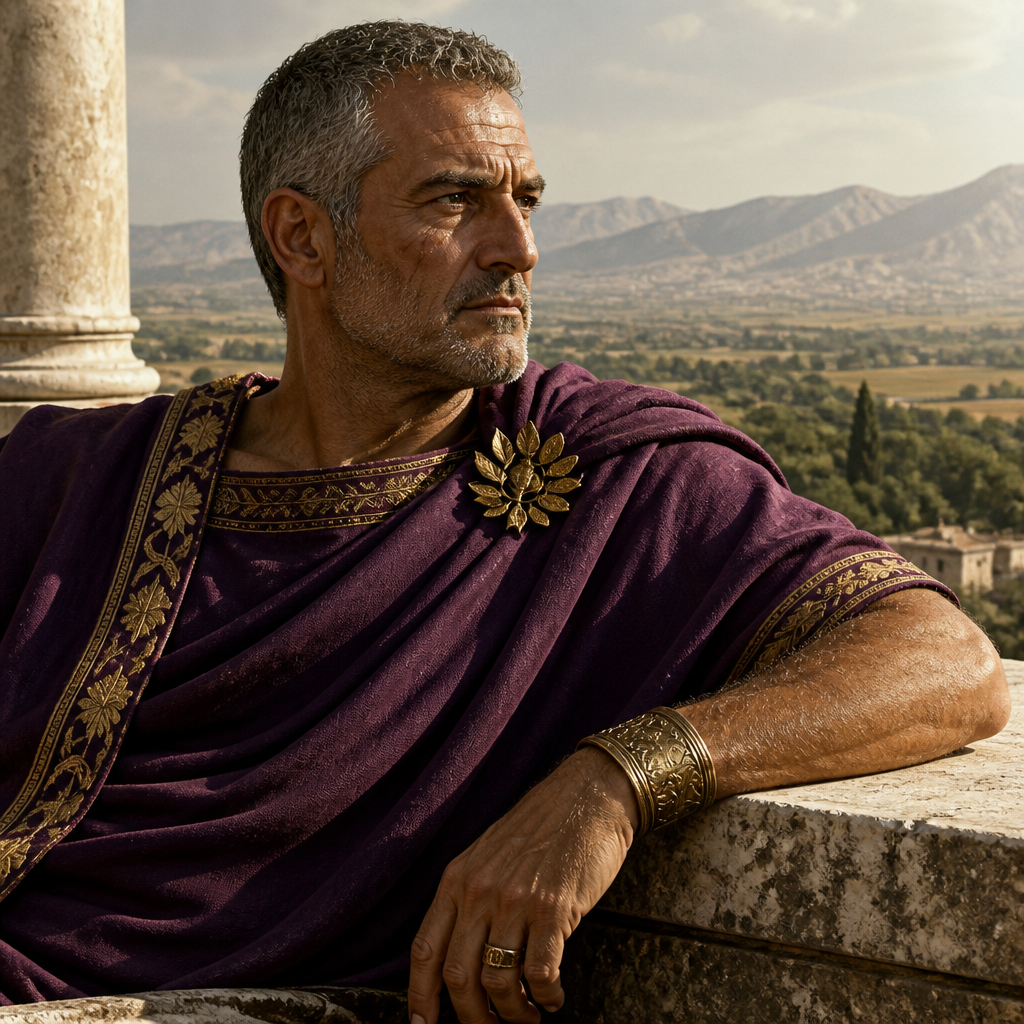
Lysanias
Tetrarch of Abilene during the fifteenth year of the reign of Tiberius Caesar
Lysanias was the tetrarch of Abilene, a region northwest of Damascus, during the fifteenth year of the reign of Tiberius Caesar and the ministry of John the Baptist.

Marcus Antonius Felix
Roman governor who imprisoned the Apostle Paul and trembled at his preaching
Marcus Antonius Felix was the Roman procurator of Judea (c. 52–60 AD) best known for his two-year imprisonment of the Apostle Paul at Caesarea.
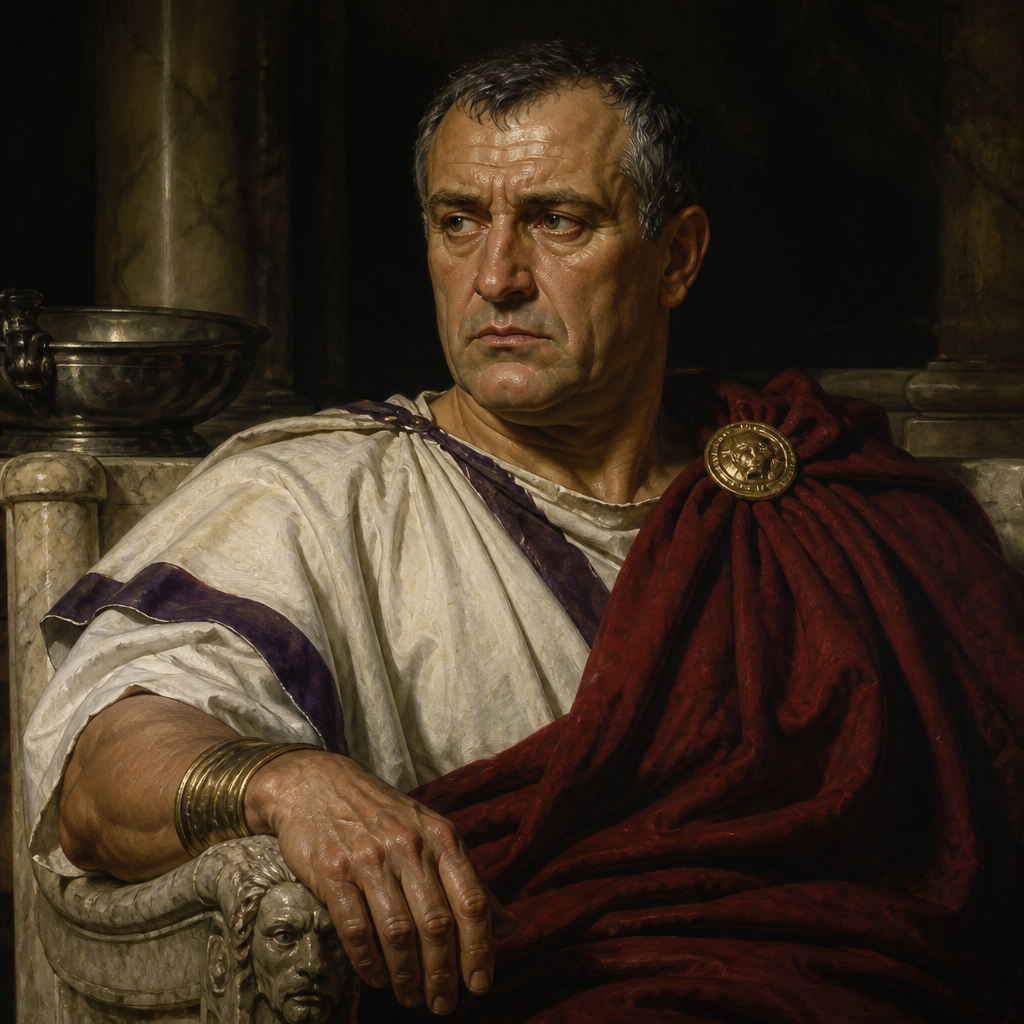
Pontius Pilate
Roman governor who presided over the trial of Jesus and reluctantly authorized his crucifixion
The fifth Roman prefect of the province of Judaea, serving under Emperor Tiberius, best known for presiding over the trial of Jesus and ordering his crucifixion.
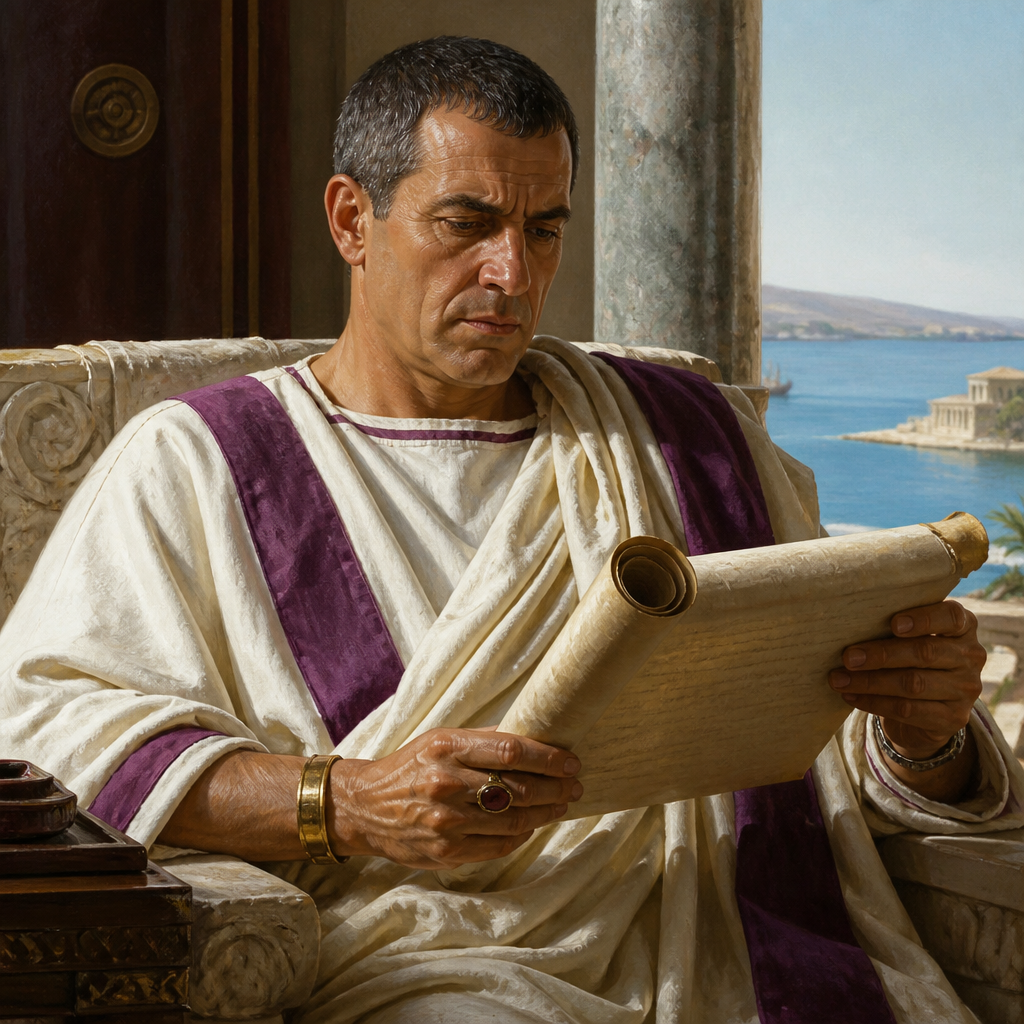
Porcius Festus
Roman governor who presided over the trial of the Apostle Paul and granted his appeal to Caesar
Porcius Festus was the Roman procurator of Judea from approximately c. 59 to 62 AD, succeeding Antonius Felix and presiding over the legal hearing of the Apostle Paul.

Quirinius
Roman Governor of Syria whose census compelled Mary and Joseph to travel to Bethlehem
Publius Sulpicius Quirinius was a high-ranking Roman official and Governor of Syria whose census provides the chronological marker for the birth of Jesus in the Gospel of Luke.
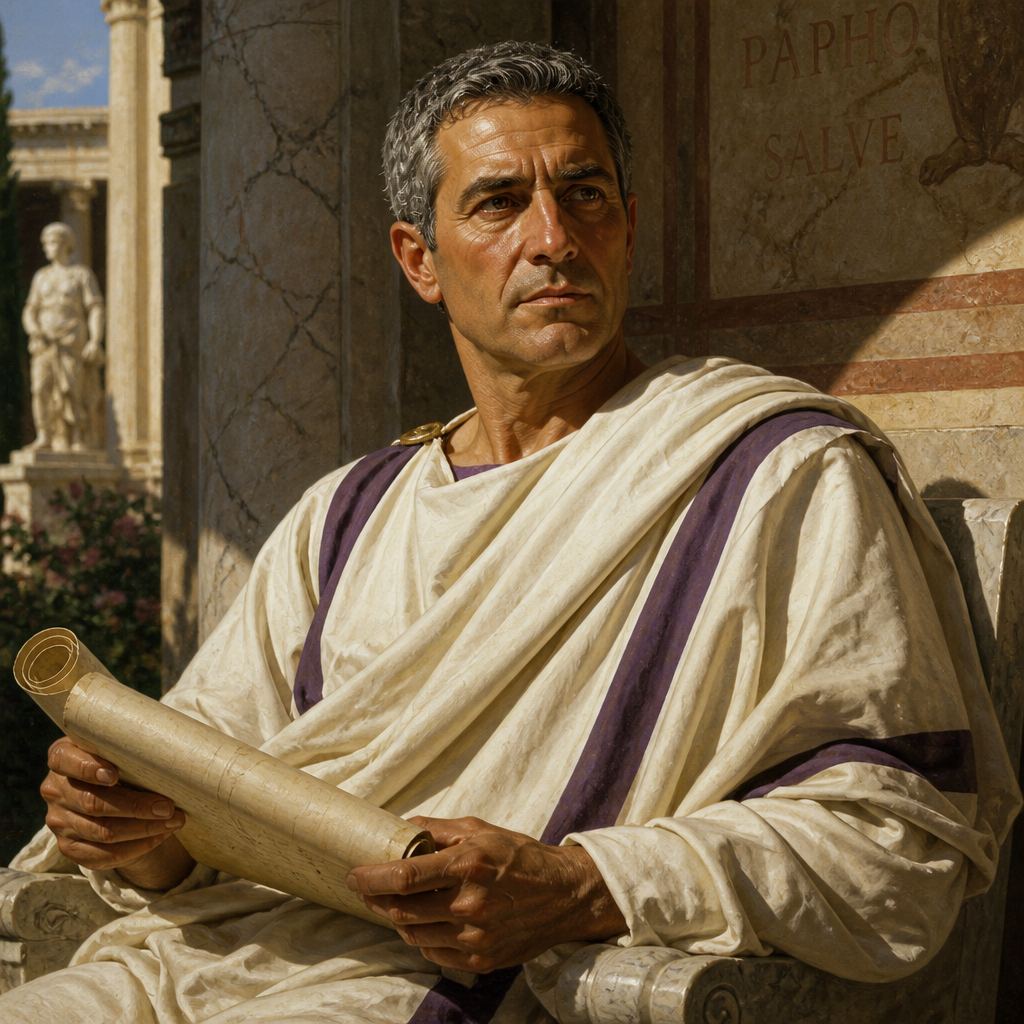
Sergius Paulus
Roman Proconsul of Cyprus who converted to the faith after seeing Paul defeat a sorcerer
The Roman Proconsul of Cyprus who converted to Christianity after witnessing the Apostle Paul blind the sorcerer Elymas.