Ark Survivors
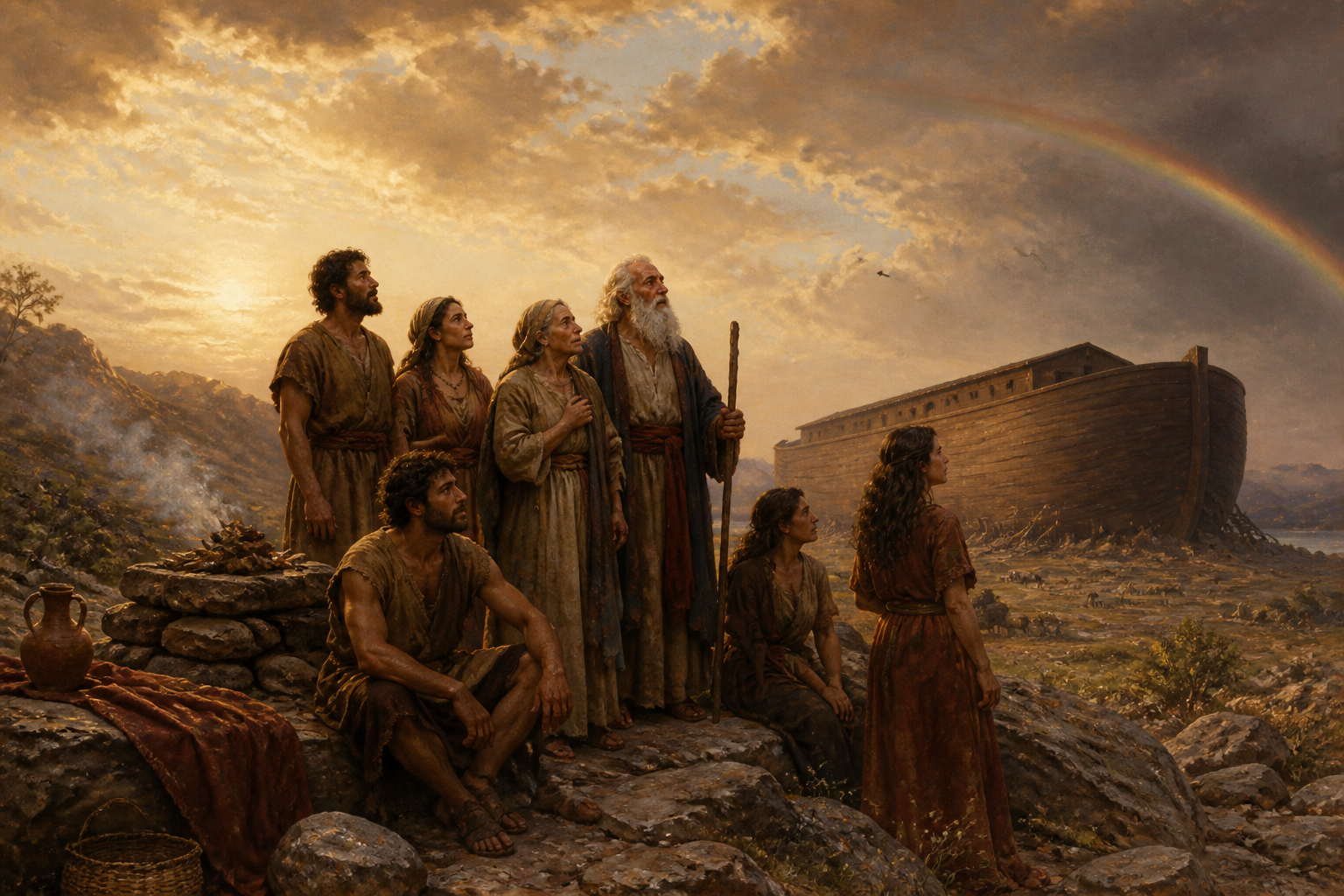
The eight-member family preserved aboard the Ark during the Great Flood, serving as the biological link between the antediluvian world and all subsequent human history according to Genesis.
“Only Noah was left, and those who were with him in the ark.” — Genesis 7:23b
The Ark Survivors, often referred to in theological circles as the 'Noachic family,' represent a pivotal group within the Primeval History of Genesis (chapters 6–9). Comprising eight individuals—Noah, his three sons Shem, Ham, and Japheth, and their respective wives—this group is presented as the sole human remnant of a global cataclysm. According to the biblical narrative, they were preserved within a massive wooden vessel known as the Ark to escape a divine judgment intended to cleanse the earth of systemic violence and corruption. Their survival marks the transition from the era of the 'Watchers' and the Nephilim to the establishment of the post-diluvian world order.
Historically and literarily, the group functions as a 'New Adam' collective. The narrative structure of the flood account mirrors the creation account in Genesis 1; upon exiting the Ark at Mount Ararat, the group receives the same mandate once given in Eden: to 'be fruitful and multiply and fill the earth.' This group is culturally significant as the theoretical ancestors of all modern nations, a concept formalized in the 'Table of Nations' found in Genesis 10. In this genealogical framework, the descendants of Shem, Ham, and Japheth are used by biblical authors to explain the ethnographic and linguistic distribution of the Ancient Near East and beyond.
Beyond their genealogical role, the Ark Survivors are central to the establishment of the Noachic Covenant. This legal and spiritual framework introduced the first explicit biblical prohibitions against murder and established the rainbow as a sign of divine patience. While the text focuses heavily on Noah’s righteousness, the presence of his family highlights themes of corporate salvation and the preservation of human craft and lineage. In later Abrahamic traditions, the survivors serve as symbols of faith and endurance, representing a 'remnant' theology that recurs throughout the Hebrew Bible and the New Testament.
The group
Ark Survivors
Ham
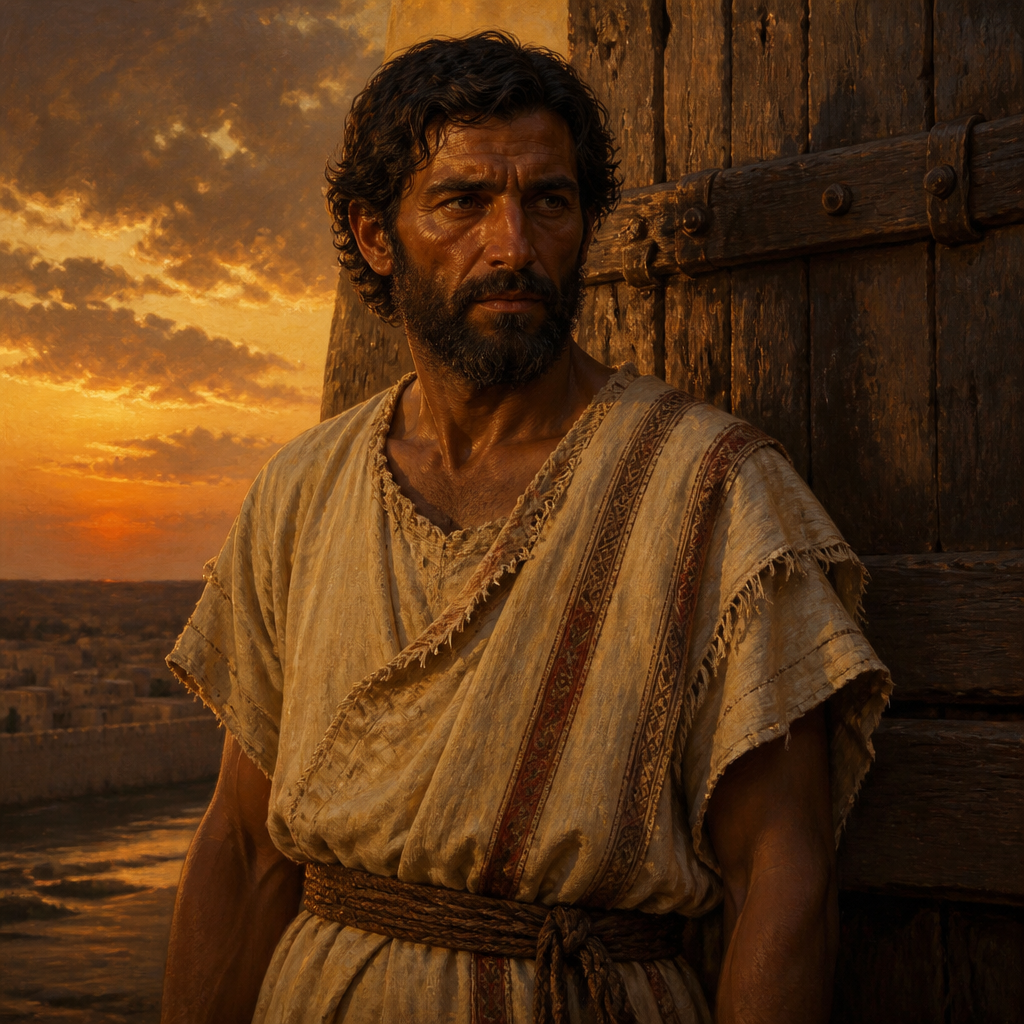
Son of Noah who survived the Great Flood and became the progenitor of the southern nations
The second son of Noah and an ancestor of numerous southern nations, known as one of the eight survivors of the Great Flood.
Ham's Wife
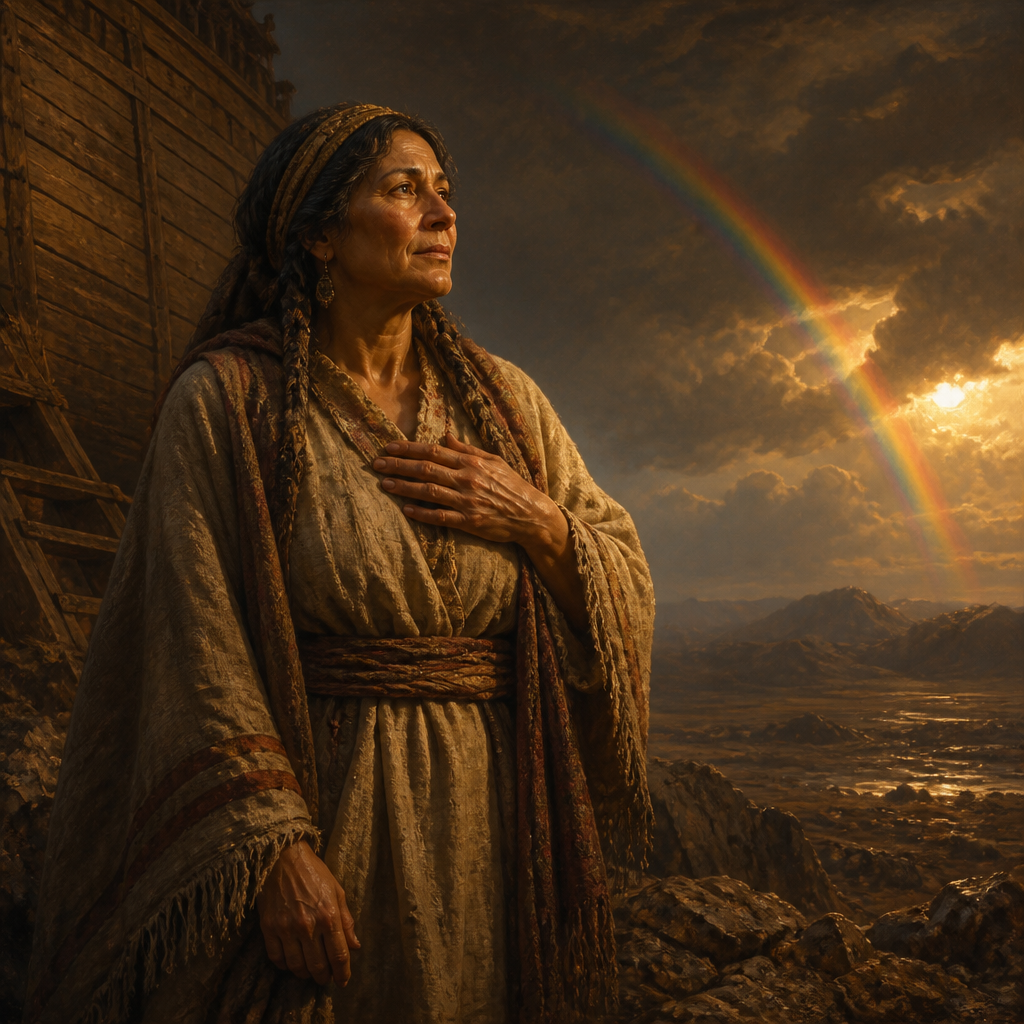
one of the eight survivors of the Great Flood and mother of the Hamitic nations
One of the eight survivors of the Great Flood and a programmatic matriarch of the post-diluvian human race through her four sons.
Japheth
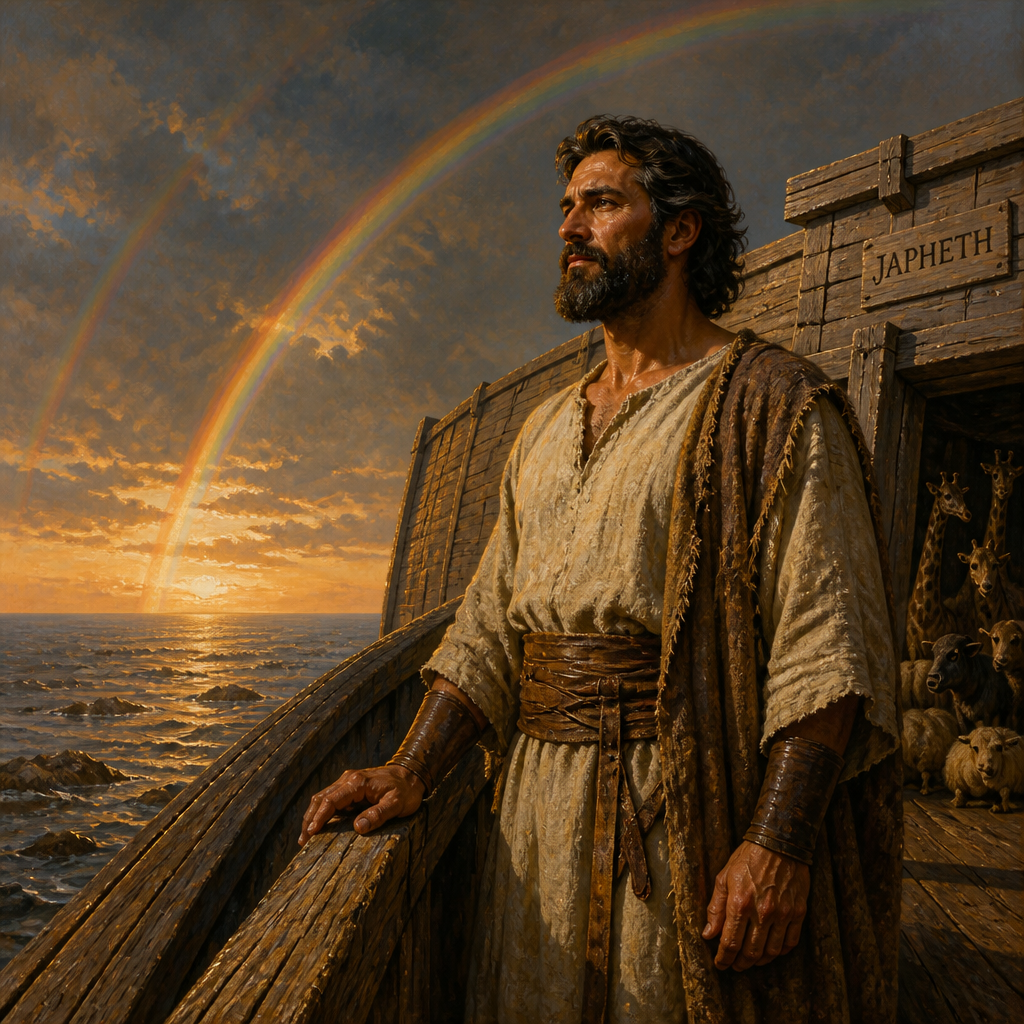
Son of Noah who survived the Great Flood and received a blessing for his respect toward his father
Japheth was one of the three sons of Noah and a survivor of the Great Flood, traditionally viewed as the progenitor of the Indo-European and Aegean peoples.
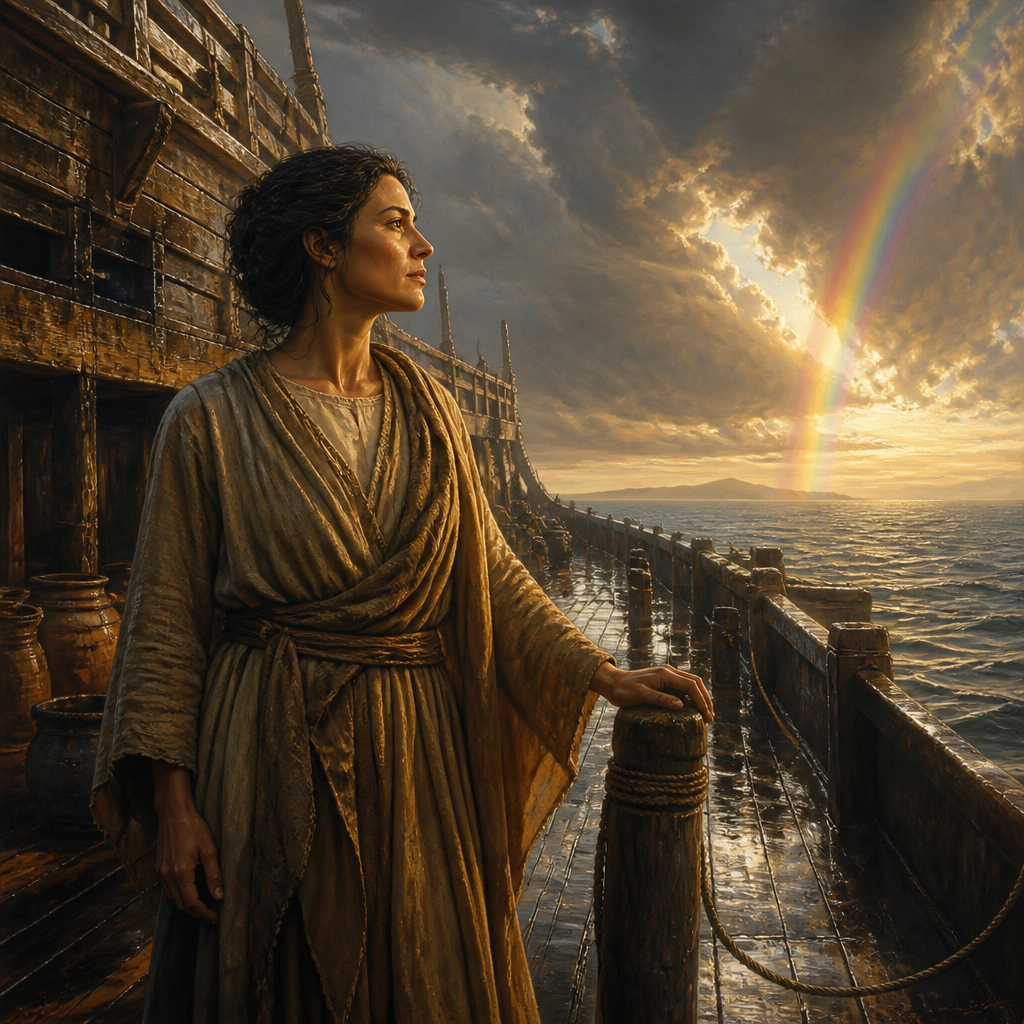
Japheth's Wife
Survivor of the Great Flood and maternal ancestor of the Japhetic nations
One of the eight survivors of the Great Flood and a foundational maternal ancestor of post-diluvian humanity through the line of Japheth.
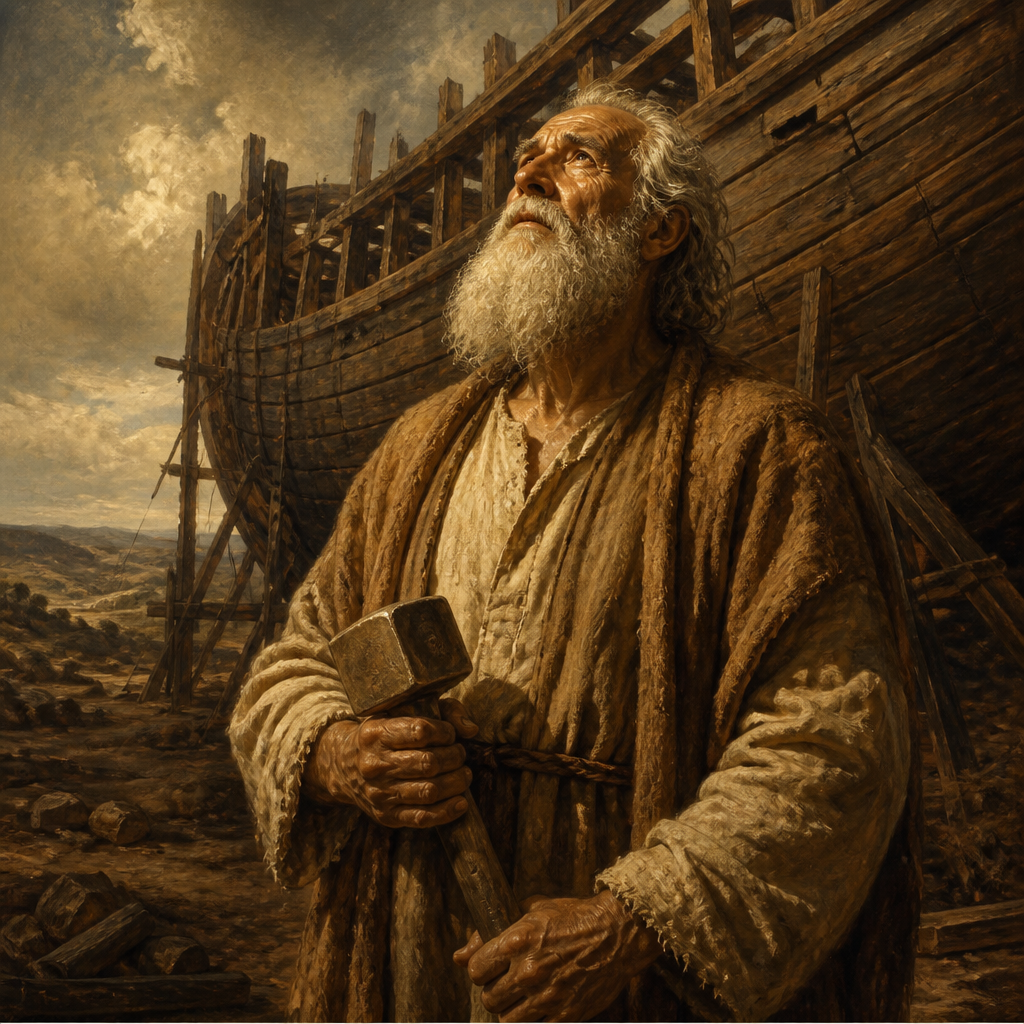
Noah
Patriarch and ark builder who survived the Great Flood and established the rainbow covenant
A righteous patriarch who built an ark to preserve humanity and animals from a divine global flood, becoming the second father of the human race.
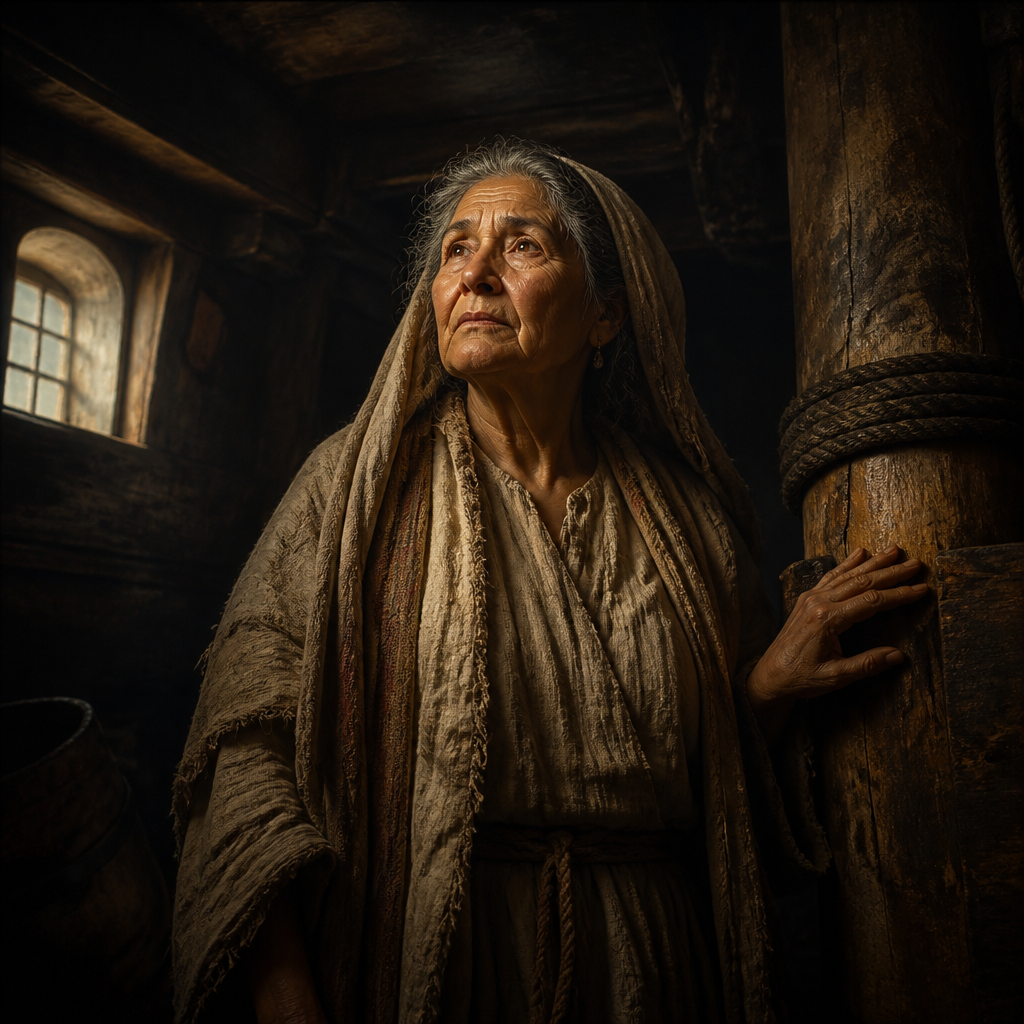
Noah's Wife
Matriarch who survived the Great Flood on the Ark with her family
The matriarch of the post-Flood human race and one of the eight survivors aboard the Ark during the Genesis deluge.
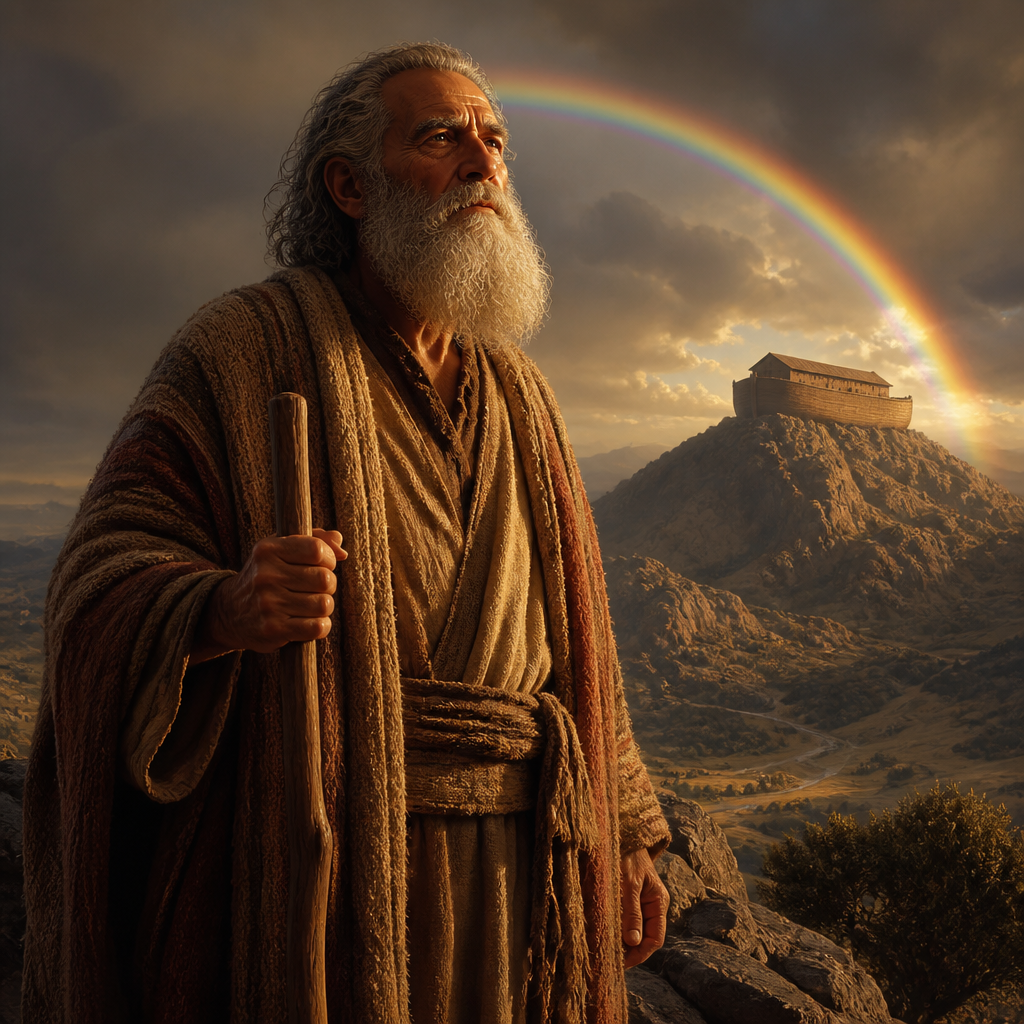
Shem
Son of Noah who survived the Great Flood and became the ancestor of the Semitic nations
The eldest or middle son of Noah, an Ark survivor, and the foundational patriarch of the Semitic peoples, including the Israelites.
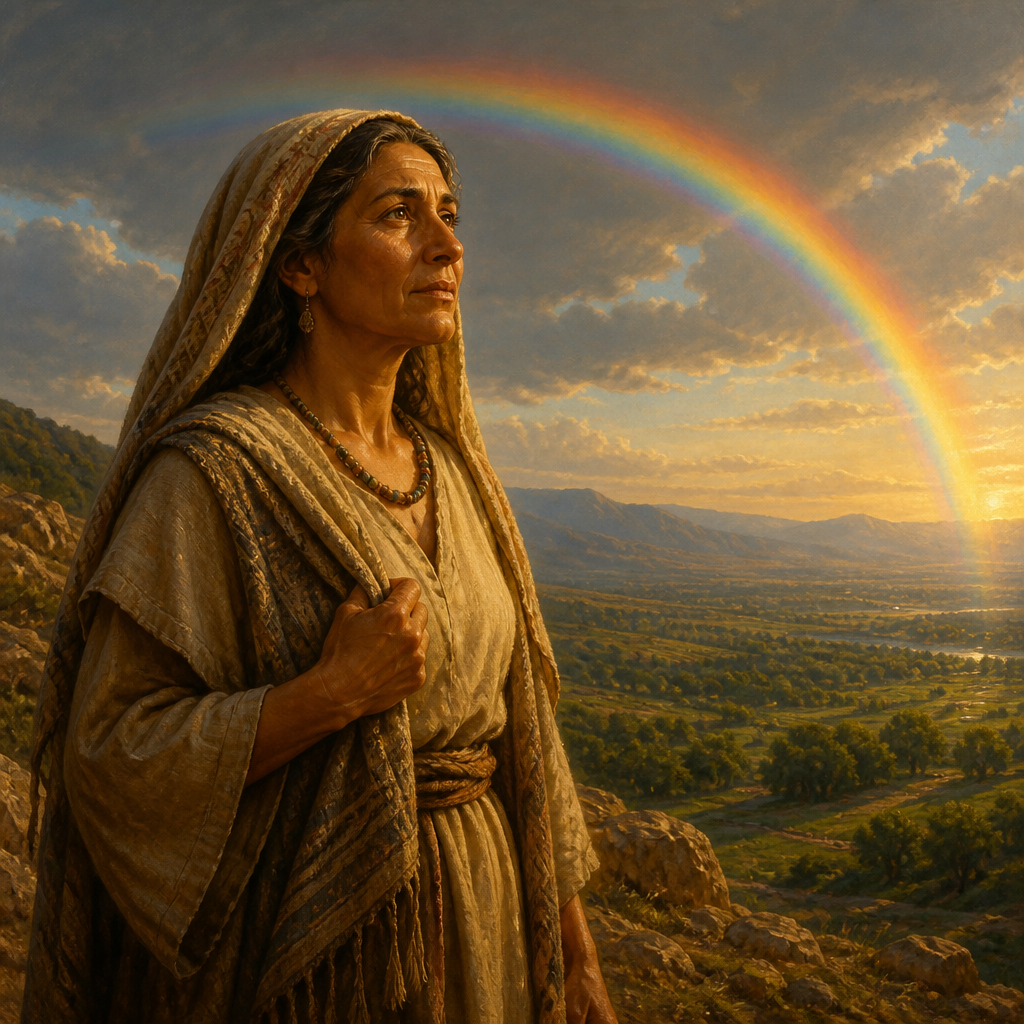
Shem's Wife
Noah's daughter-in-law and one of the eight survivors of the Great Flood
One of the eight survivors of the Great Flood and a female progenitor of a significant portion of the post-diluvian human race.