Shem's Wife
One of the eight survivors of the Great Flood and a female progenitor of a significant portion of the post-diluvian human race.
The wife of Shem is one of the eight individuals who survived the global deluge narrated in the Book of Genesis. While she is never named in the Masoretic Text or the Septuagint, her presence is essential to the biblical narrative of human continuity. As the spouse of Noah’s eldest (or middle, depending on the interpretation of Genesis 10:21) son, she represents one of the three foundational maternal lines from which all contemporary nations are said to descend.
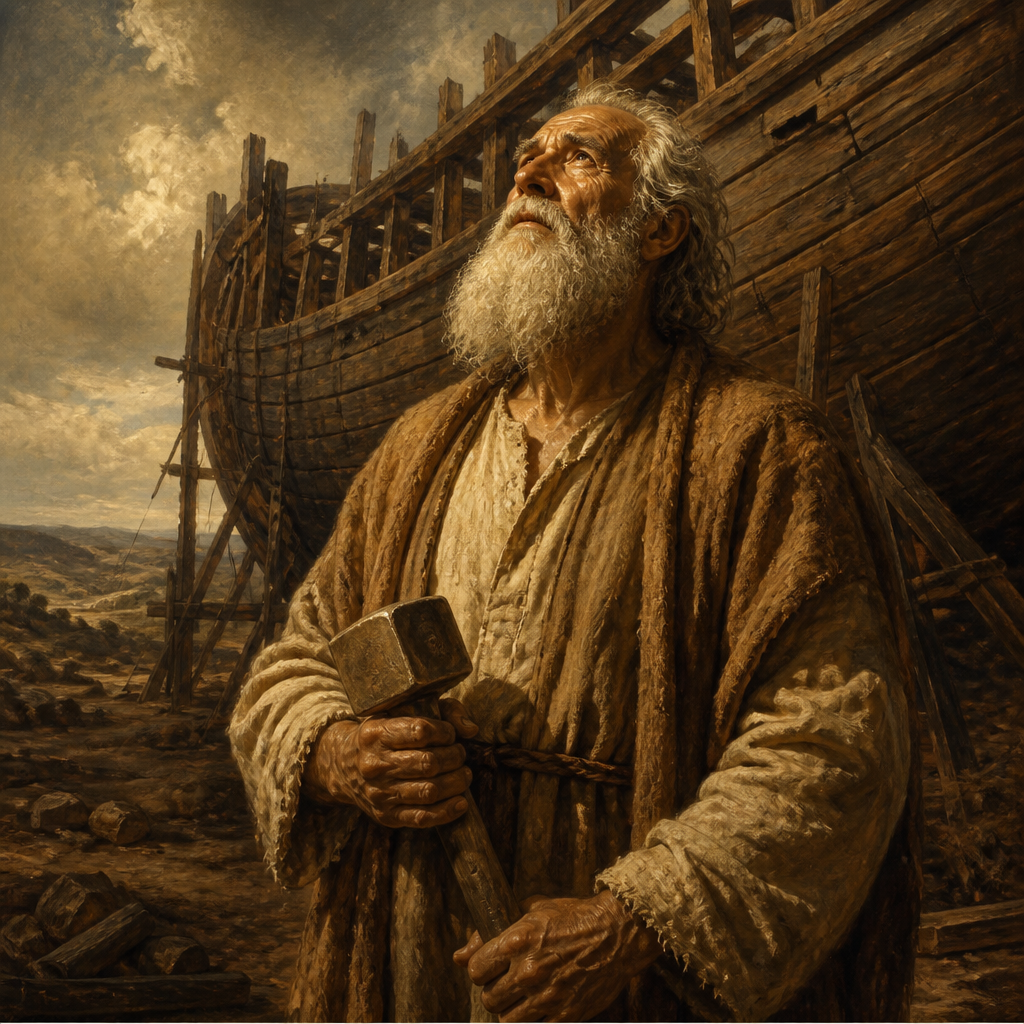
Her role in the biblical text is primarily functional and representative. She is first mentioned implicitly in God’s instructions to Noah regarding the construction of the Ark and the selection of those who would enter it to escape the coming judgment. Along with her mother-in-law and two sisters-in-law, she entered the Ark, endured the duration of the flood, and eventually disembarked to begin life in a drastically altered world.
In later Jewish, Christian, and Islamic traditions, various names have been attributed to her, such as Sedeqetelebab or Ne'elatama'uk, though none carry biblical authority. Within the context of the Hebrew Bible, she remains an anonymous but pivotal figure whose survival ensured the fulfillment of the divine mandate to 'be fruitful and multiply' following the destruction of the primeval world.
Background and Family
The wife of Shem appears within the 'Primeval History' of the Book of Genesis (chapters 6–10). She is identified as the daughter-in-law of Noah and the wife of Shem, the son from whom the Semitic peoples—including the Israelites—trace their lineage. The biblical text does not provide her parentage, her place of origin, or her name, maintaining a focus on the patriarchal lineage. However, her inclusion in the Ark's manifest (Genesis 7:7) indicates that she was considered righteous by association with Noah’s household or was preserved to ensure the biological continuity of the human species.
She lived during the final generations of the antediluvian (pre-flood) era, a time described in Genesis as being filled with wickedness and violence. Her marriage to Shem placed her at the center of the transition between the old world and the new. According to the internal chronology of Genesis, she entered the Ark approximately 100 years before Shem's son Arpachshad was born, placing her experience of the flood in early-to-mid adulthood.
Major Life Events
The defining event of her life was the Great Flood. She was among the few directed by God to seek refuge in the Ark:
"And Noah went in, and his sons, and his wife, and his sons' wives with him, into the ark, because of the waters of the flood." (Genesis 7:7, KJV)
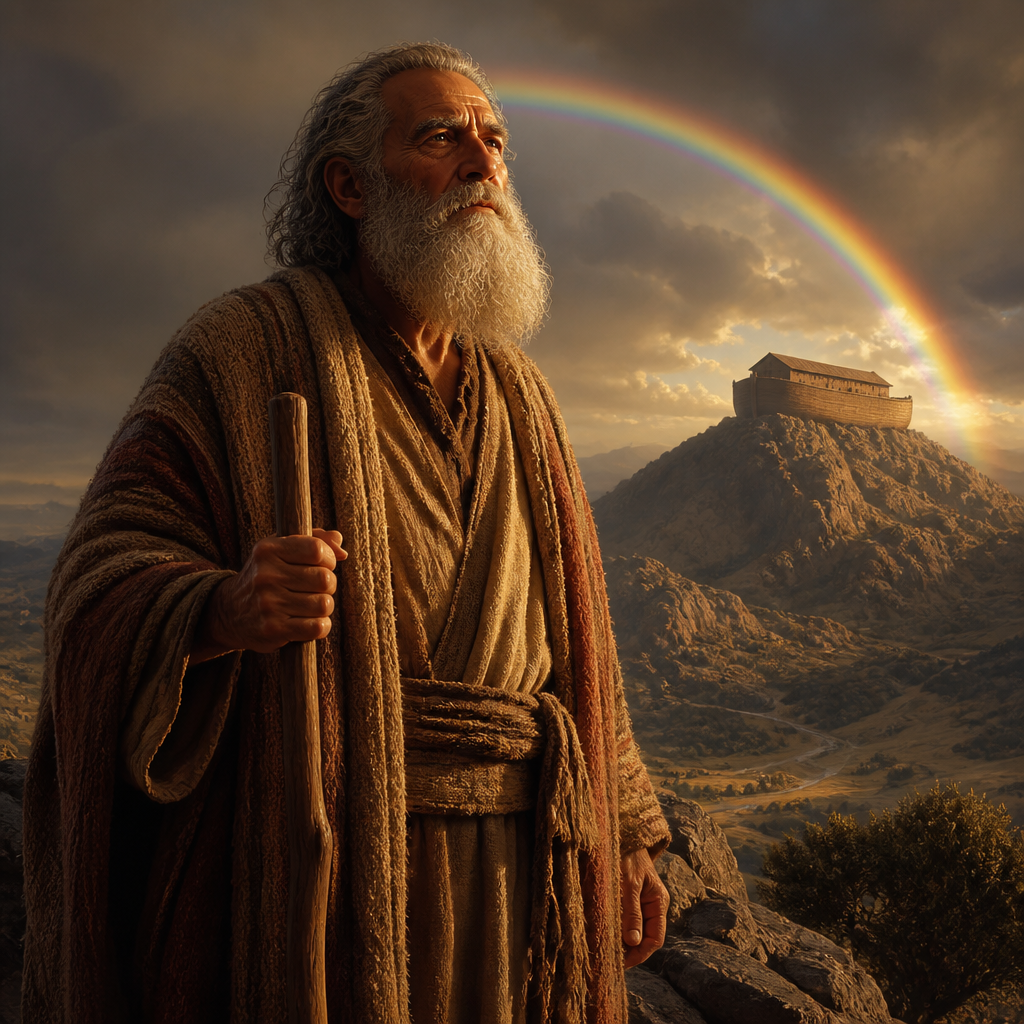
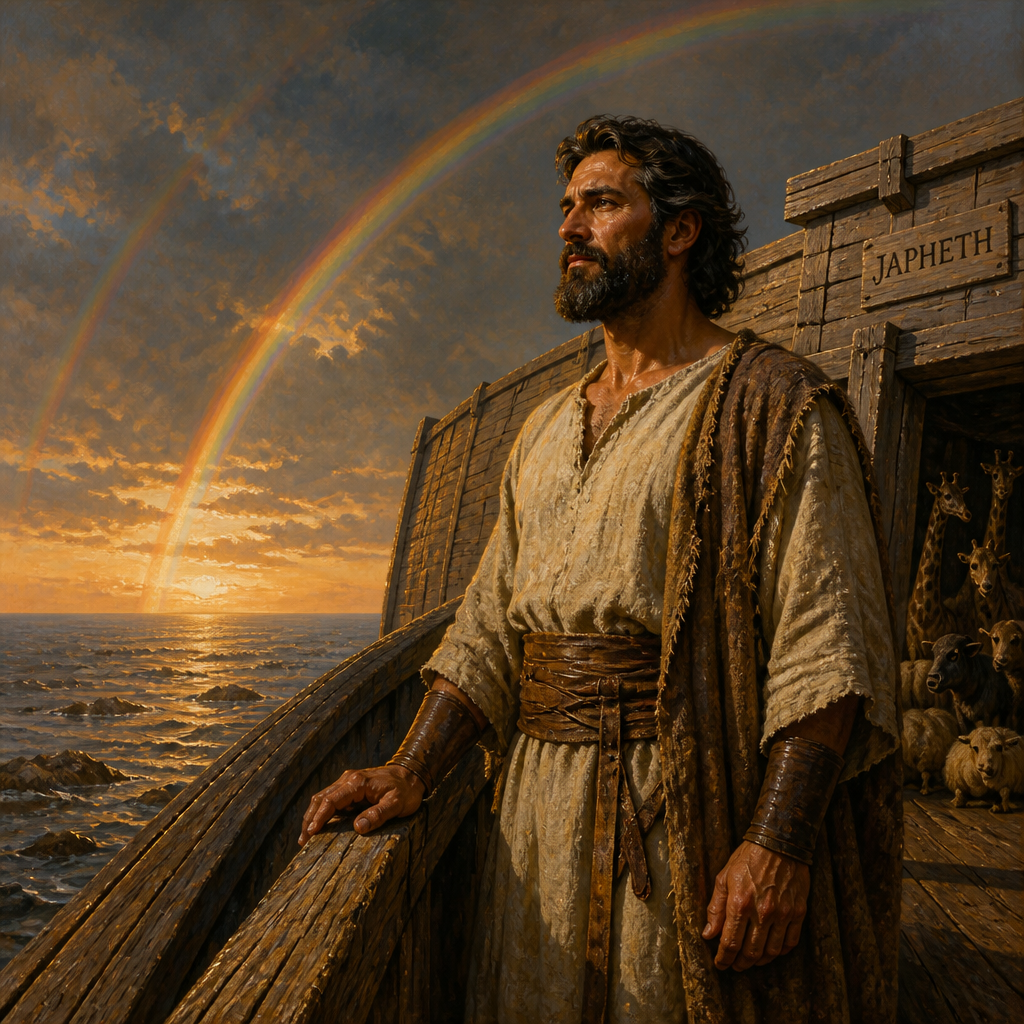
During the year-long inundation, she lived within the confined space of the Ark, assisting in the preservation of animal life and enduring the psychological and physical strain of the global catastrophe. Her survival was not merely a matter of chance but a fulfillment of the covenant God established with Noah. Upon the subsiding of the waters, she disembarked at Mount Ararat.
Following the flood, she participated in the revitalization of the human population. The Bible records that Shem fathered Arpachshad two years after the flood (Genesis 11:10), followed by "other sons and daughters." As Shem lived for 500 years after the birth of Arpachshad, his wife would have been the mother of a large family that formed the core of the post-diluvian society, specifically the Shemitic or Semitic line.
Relationship to Other Biblical Figures
Her most significant relationship was with her husband, Shem. Because Shem is traditionally viewed as the ancestor of the Hebrews (through Eber), his wife is chronologically the 'Mother of the Semites.' Her relationship with her father-in-law, Noah, is also critical; she was protected under his righteousness and was a witness to his post-flood agricultural endeavors and his covenant with God.
She also shared a unique bond with the wives of Ham and Japheth. Together, these four women (including Noah's wife) were the only females to survive the judgment. Their shared experience of witnessing the destruction of their entire social world and the subsequent task of rebuilding civilization from nothing creates a narrative parallel to the internal bond of the four men of the family.
Spiritual Significance
Theologically, the wife of Shem represents the preservation of humanity through divine grace. While the Bible focuses on the male line, her presence confirms that the restoration of the world was a communal and familial effort. She is a silent witness to the transition from the 'world that then was' (2 Peter 3:6) to the present era.
In the New Testament, the flood is often used as a type of baptism and judgment. The eight souls saved through water (1 Peter 3:20) include Shem's wife, making her a symbol of the remnant saved by God’s providence. Her life serves as a bridge between the era of the patriarchs and the rise of the nations, illustrating the biblical theme that God works through families to accomplish His redemptive purposes in history.
Spiritual Significance
The wife of Shem is significant as a biological 'bottleneck' figure; according to the Genesis narrative, she is one of only three women responsible for the entire repopulation of the earth. Her specific lineage, the Shemitic line, is central to the biblical meta-narrative as it is the line through which Abraham, David, and ultimately Jesus Christ descend.
Theologically, she serves as a testament to the inclusivity of the Noahic Covenant. Although she is not the primary recipient of the divine word, she is a full beneficiary of the protection and the promise afforded to Noah’s house. Her presence underscores the biblical emphasis on the family unit as the foundational vehicle for God's blessings and the survival of the human race.
Frequently Asked Questions
What was the name of Shem's wife?
The Bible does not record her name. Various extra-biblical texts, such as the Book of Jubilees, suggest names like Sedeqetelebab, but these are not considered canonical.
Did Shem's wife have children before the flood?
The biblical text does not mention any children entering the Ark with Noah’s sons, implying their children were born after the flood ended.
Which nations descended from her?
As the wife of Shem, she is the mother of the Semitic peoples, including the Elamites, Assyrians, Chaldeans, Lydians, and Arameans (Syrians), as well as the Hebrews.
How long did she live?
The Bible does not state her age at death, but it notes that Shem lived for 600 years in total, suggesting that she likely enjoyed a significantly longer lifespan than modern humans.
Was she considered righteous?
While the text primarily focuses on Noah's righteousness, her inclusion in the Ark suggests she was part of the sanctified family unit spared from judgment.