Herodians
A political dynasty and their partisans who ruled Roman-occupied Palestine, balancing Jewish cultural identity with imperial patronage.
“…the Pharisees went out and immediately held counsel with the Herodians against him, how to destroy him.” — Mark 3:6
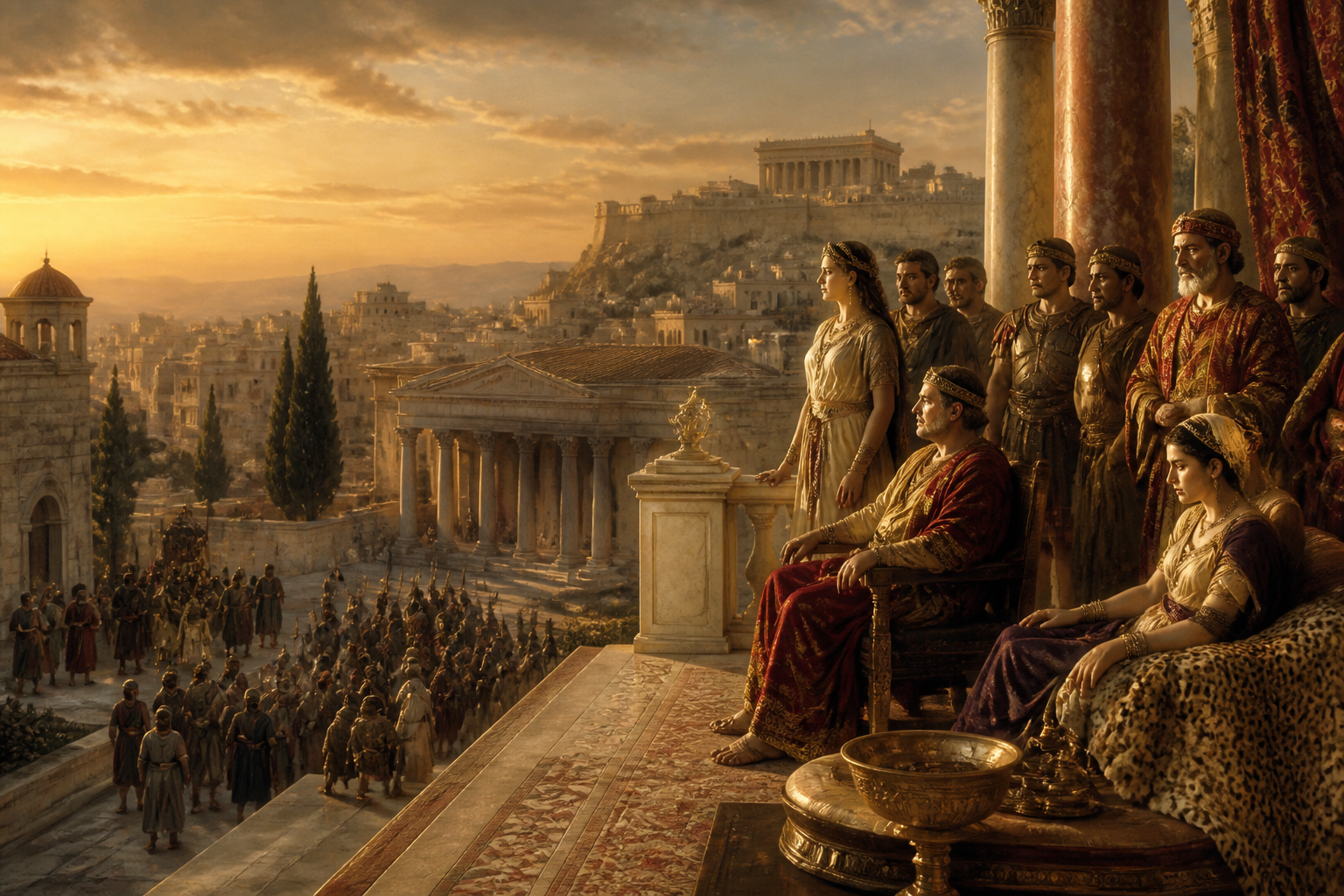
The House of Herod was an Idumean dynasty that governed the Levant during the Roman occupation from the mid-first century BC through the late first century AD. Rising to power through the political maneuvering of Antipater the Idumean, the dynasty reached its zenith under Herod the Great, whose reign was defined by monumental architecture and a brutal consolidation of power. In the New Testament, the group comprises both the ruling family members and a distinct political faction known as the 'Herodians,' who sought to maintain the status quo and the dynasty's influence against internal religious pressures and external Roman threats.
Historically, the Herodians occupied a precarious middle ground between Hellenistic-Roman culture and Jewish traditionalism. As client-kings of Rome, they were responsible for maintaining order, an obligation that often placed them in direct conflict with both the Jewish populace and growing messianic movements. While they oversaw the significant expansion of the Second Temple in Jerusalem, their personal lives and political allegiances—characterized by complex intermarriages and unwavering loyalty to the Caesars—were subjects of frequent criticism by the Pharisees and John the Baptist, the latter of whom was executed by Herod Antipas.
The Herodian family appears at nearly every critical juncture of the New Testament narrative. Herod the Great is central to the Nativity accounts; Herod Antipas presides over a portion of Jesus' trial; and Agrippa I and II appear in the Book of Acts as judges over the early Christian movement. The group's significance lies in their role as the administrators of the political world into which Christianity was born, providing the legal and cultural friction that helped define the early church's separation from state-sponsored religious identity.
The dynasty
Herodian family tree
Every Herodian named in the New Testament descends from Herod the Great. Solid lines show parent–child relationships; dashed lines mark marriages.
- Aristobulus IVExecuted by Herod, 7 BC
The group
Herodians
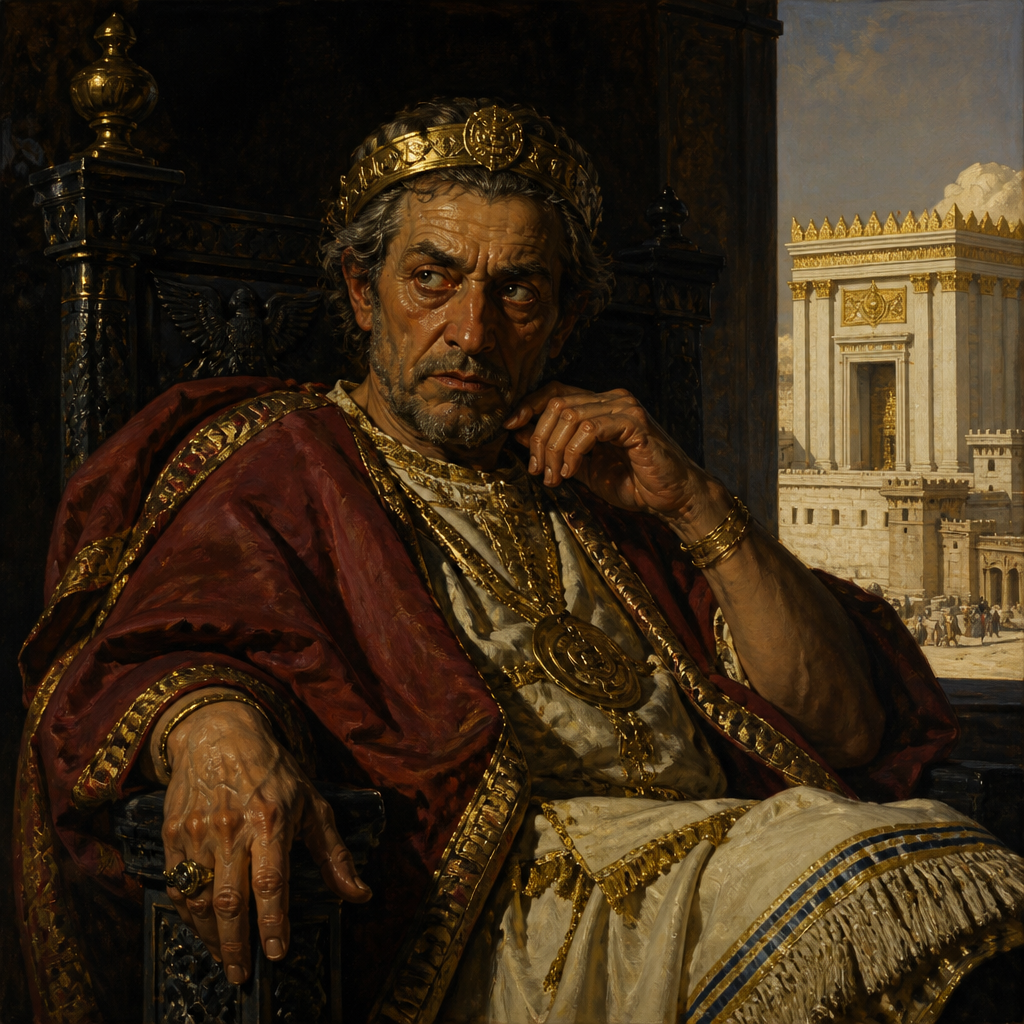
Herod the Great
Builder of the Second Temple expansion and author of the Massacre of the Innocents
King of Judea under the Roman Empire known for his colossal building projects and his decree to massacre the infants of Bethlehem in an attempt to kill the newborn Jesus.
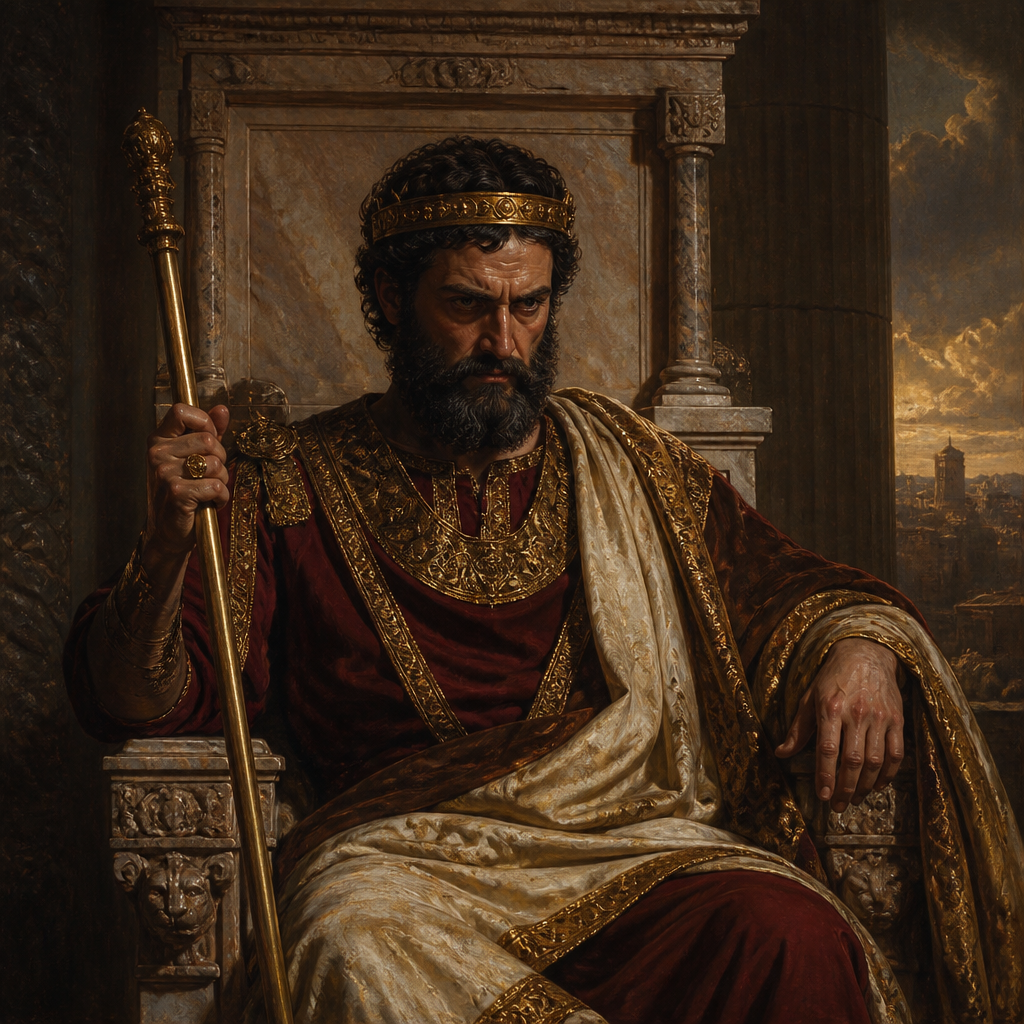
Archelaus
Cruel ruler of Judea whose reputation caused the Holy Family to settle in Nazareth
Herod Archelaus was the ethnarch of Judea, Samaria, and Idumea, whose notoriously cruel reign forced Joseph and Mary to settle in Nazareth with the infant Jesus.
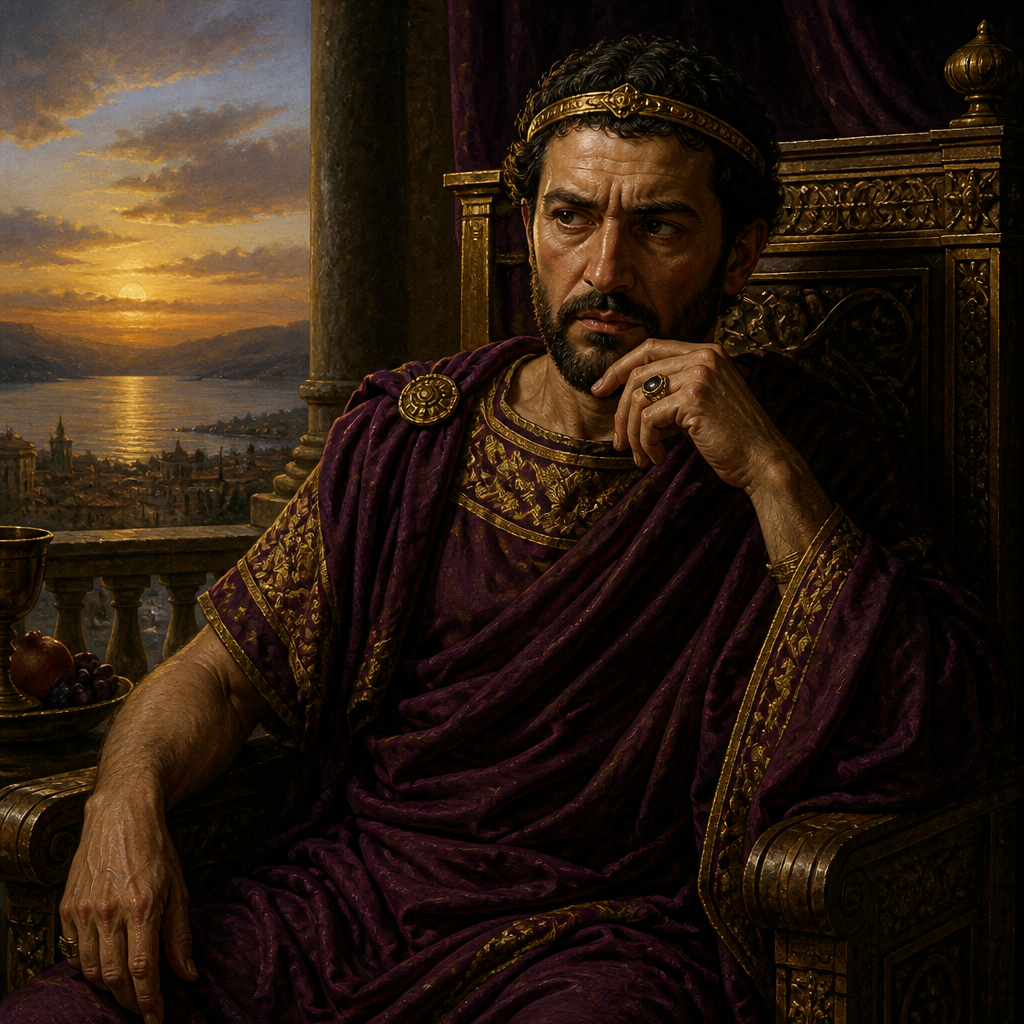
Herod Antipas
Executioner of John the Baptist and judge during the trial of Jesus
Herod Antipas was the 1st-century tetrarch of Galilee and Perea, known for his roles in the executions of John the Baptist and the trial of Jesus Christ.
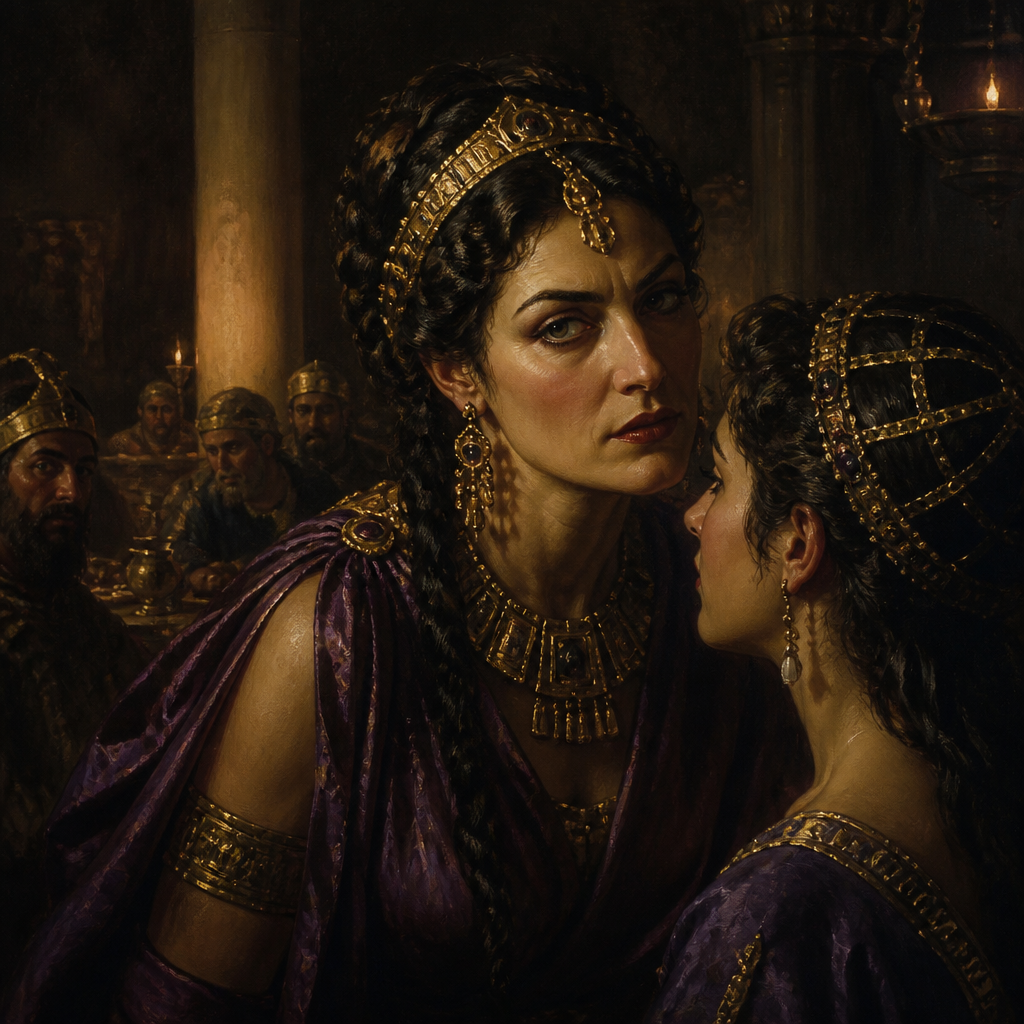
Herodias
The manipulative royal who orchestrated the execution of John the Baptist
Herodias was a princess of the Herodian dynasty whose controversial marriage and role in the execution of John the Baptist made her a symbols of royal corruption and moral defiance.
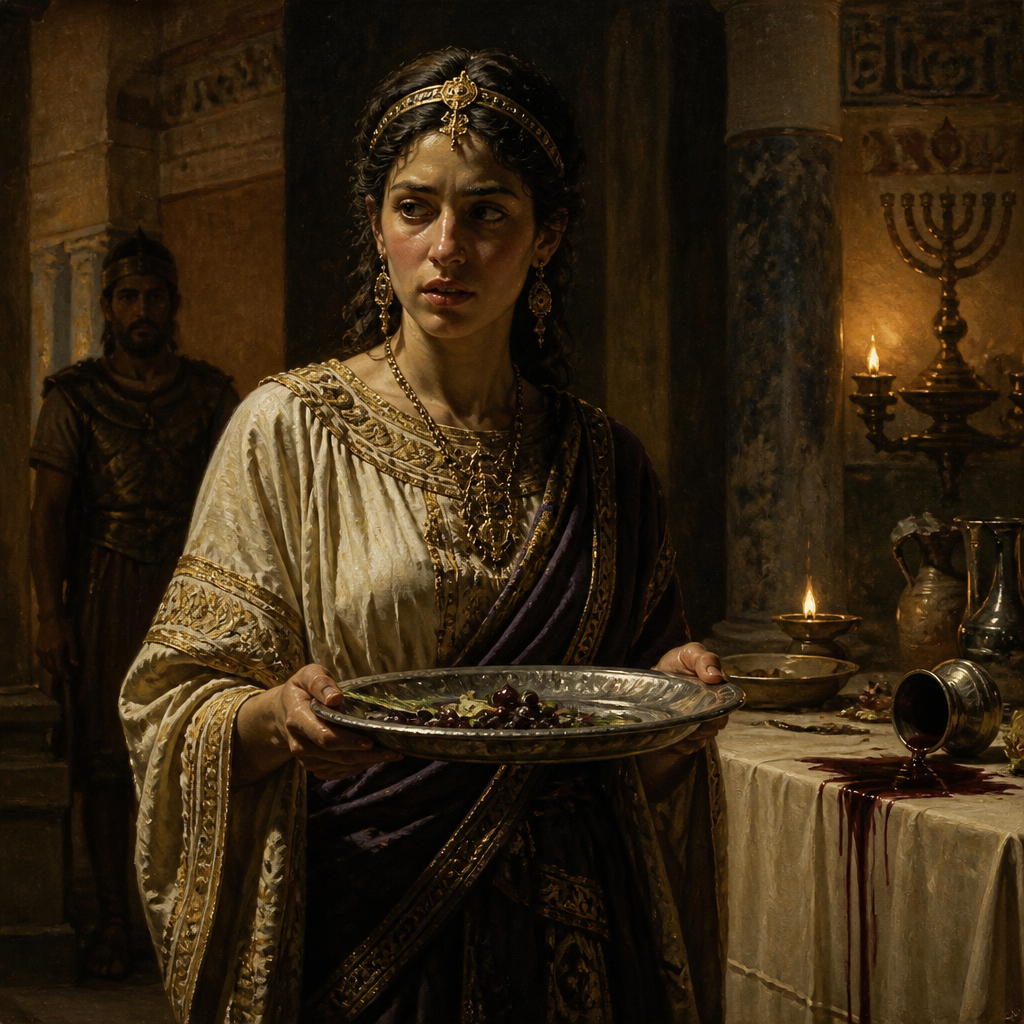
Herodias' Daughter
The princess whose dance for Herod Antipas led to her requesting the head of John the Baptist
The daughter of Herodias and Herod Philip who famously danced before Herod Antipas, leading to the execution of John the Baptist.
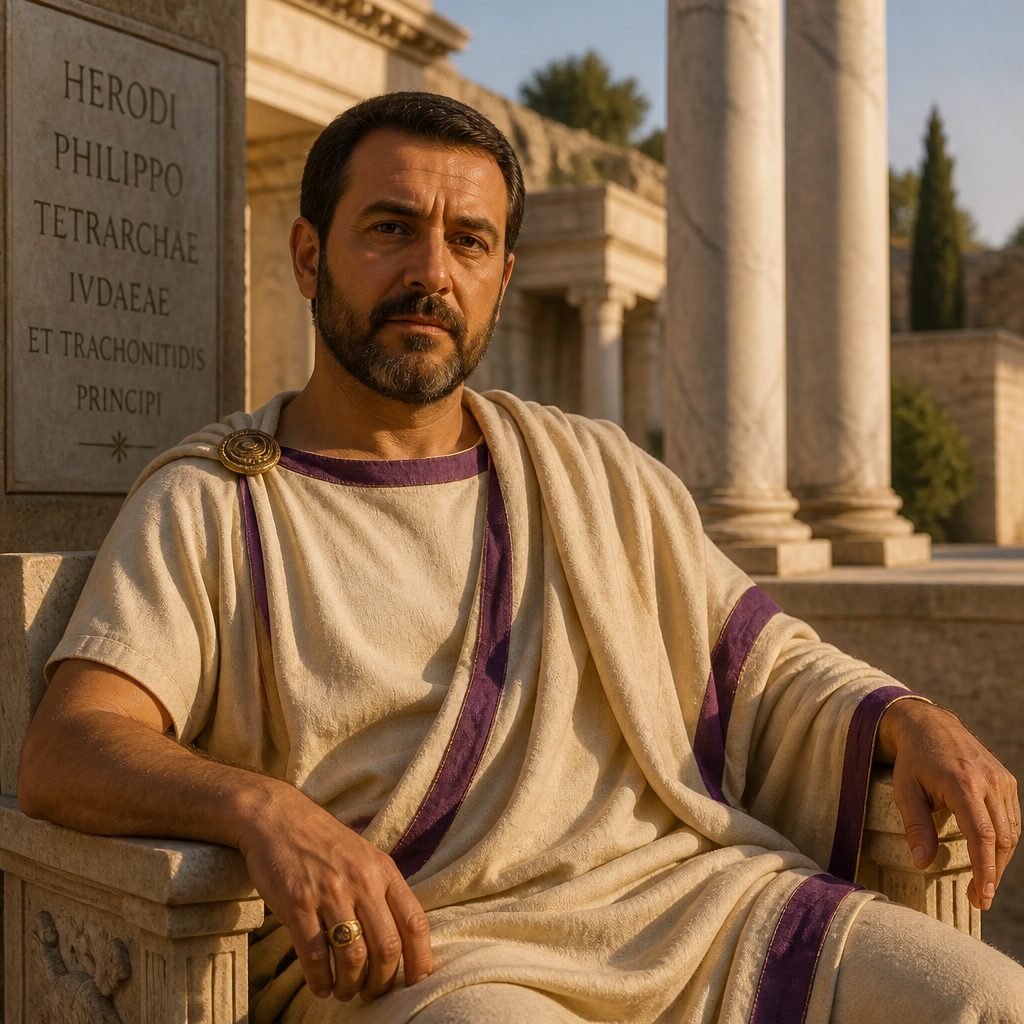
Philip the Tetrarch
Ruler of the northern territories of Palestine and rebuilder of Caesarea Philippi
Philip the Tetrarch was a son of Herod the Great who ruled the northern territories of Roman Palestine for 37 years with a reputation for justice and moderation.
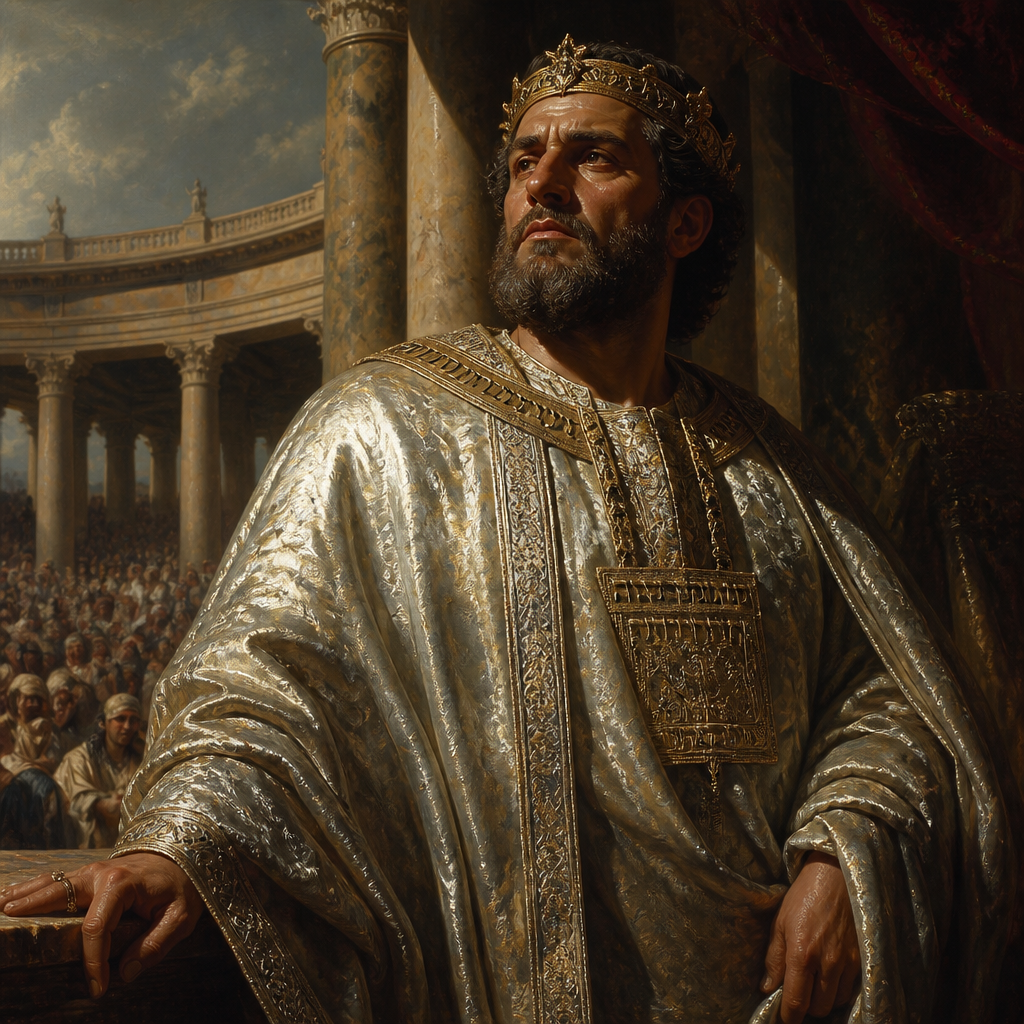
Herod Agrippa I
Executioner of the Apostle James who met a sudden death in Caesarea
Herod Agrippa I was the grandson of Herod the Great who unified Judea and famously persecuted the early Church, including the execution of the Apostle James.
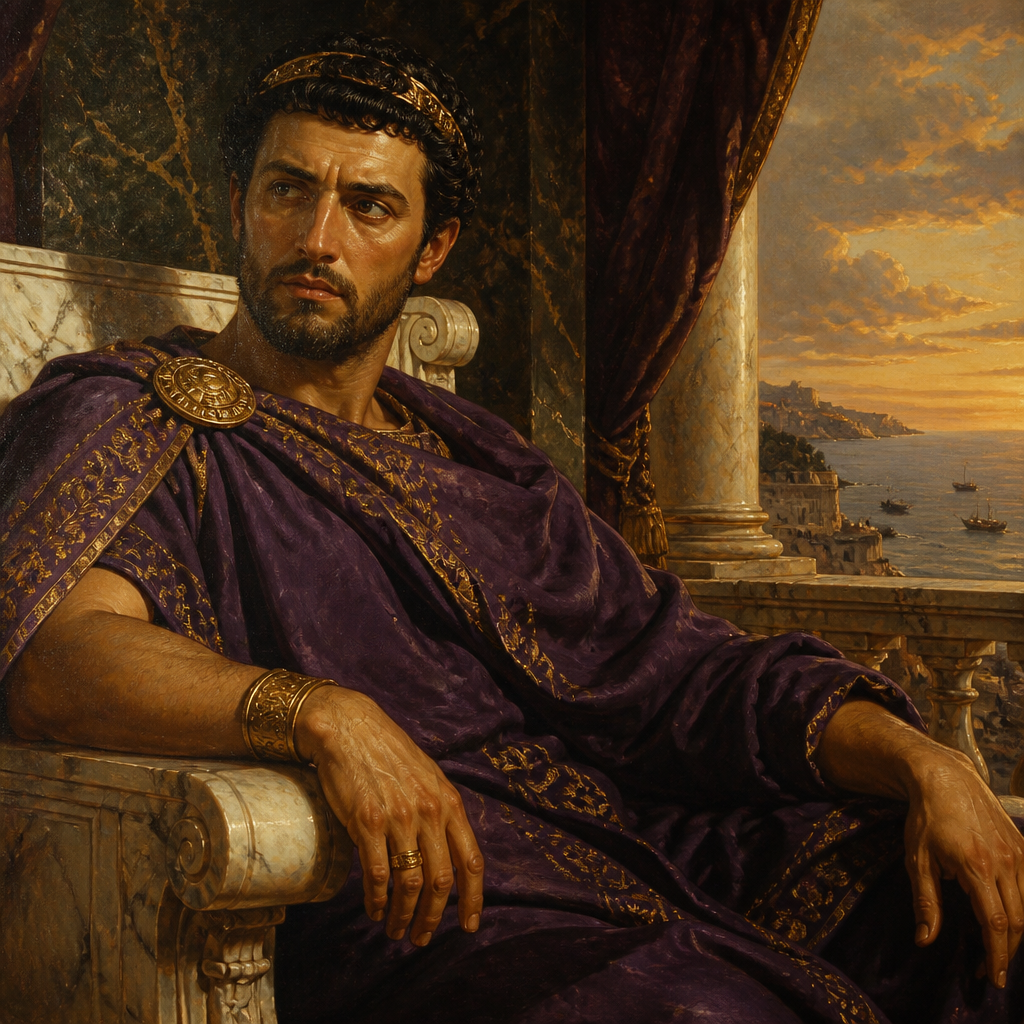
Herod Agrippa II
The last Herodian king who presided over the hearing of the Apostle Paul
Herod Agrippa II was the last client king of the Herodian dynasty, best known for presiding over the hearing of the Apostle Paul in Caesarea.
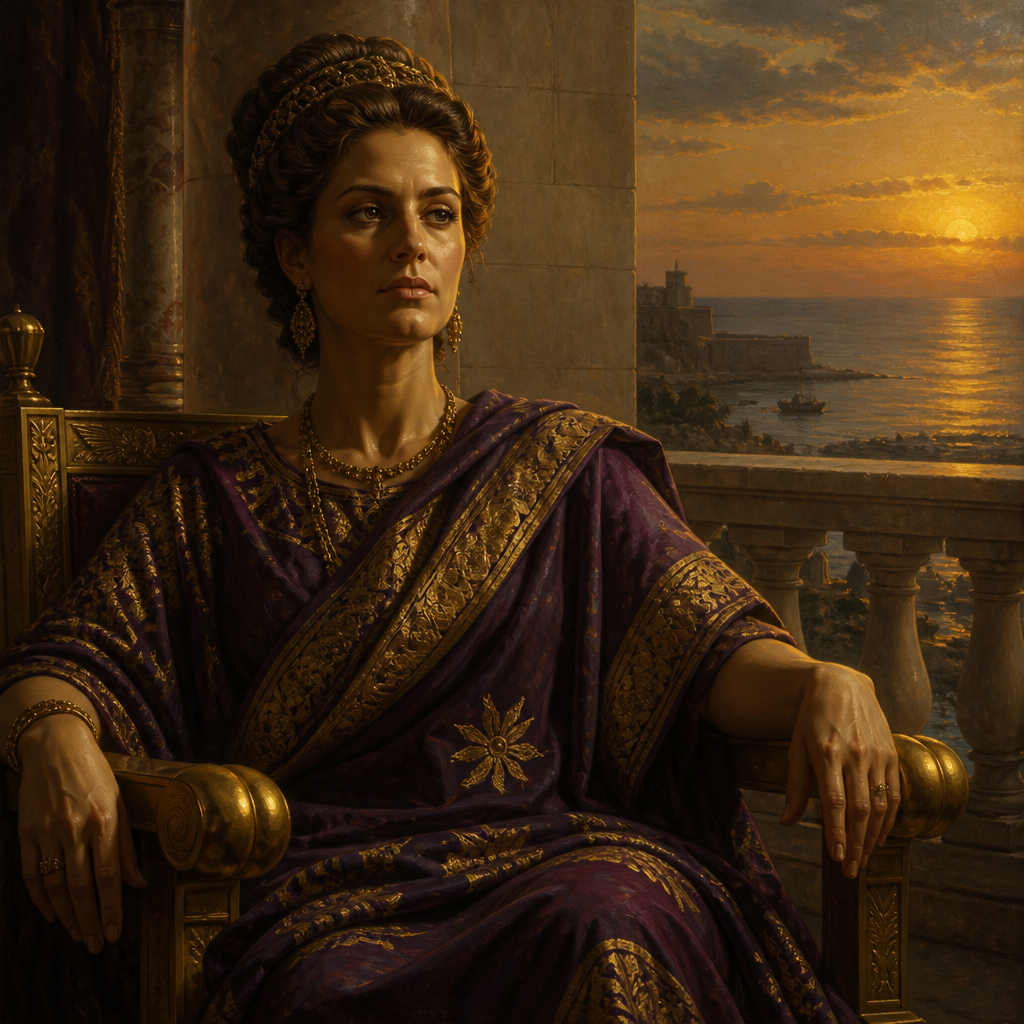
Bernice
Agrippa II’s sister and companion during Paul’s trial and the mistress of Emperor Titus
Bernice was a powerful 1st-century Herodian princess who appeared alongside her brother, King Herod Agrippa II, during the trial of the Apostle Paul in Caesarea.
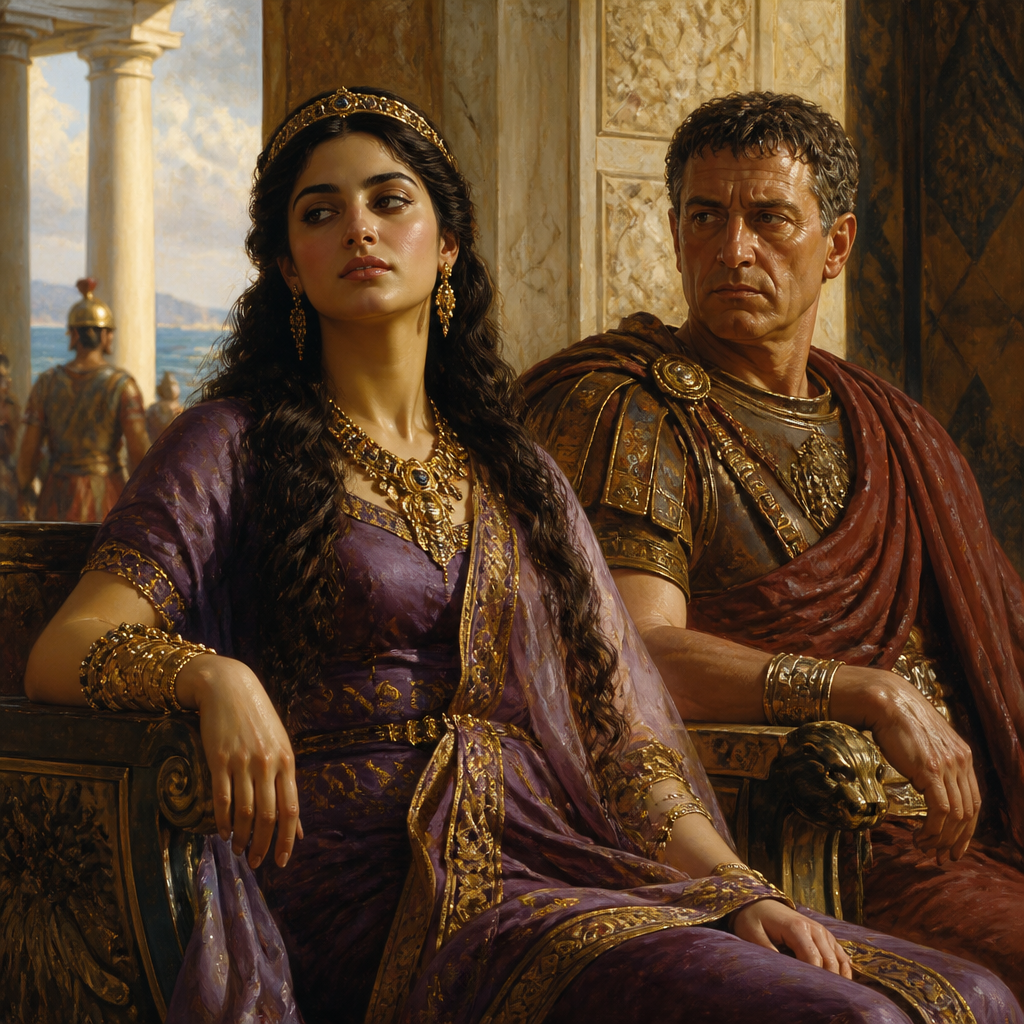
Drusilla
Jewish princess present at the trial of Paul the Apostle in Caesarea
A Jewish princess of the Herodian dynasty and wife of Governor Antonius Felix, known for her encounter with the Apostle Paul in Caesarea.