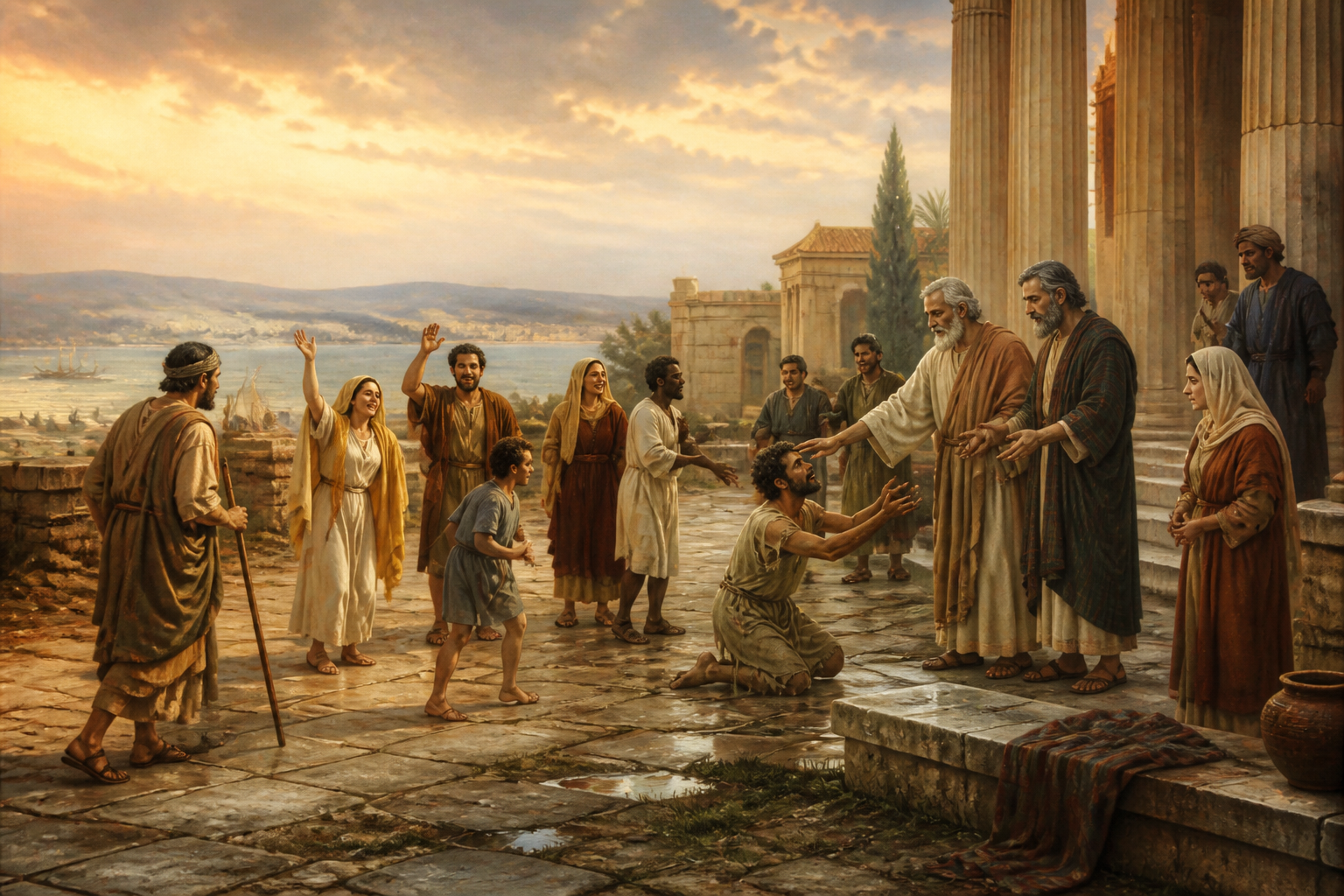
Healed by Apostles
A diverse group of individuals in the first-century Roman world who received miraculous physical restoration through the ministry of the Apostles.
“And by the hands of the apostles many signs and wonders were wrought among the people” — Acts 5:12a
The group of individuals categorized as those healed by the Apostles represents a critical component of the early Christian narrative found primarily in the Book of Acts. Following the ascension of Jesus, his chosen emissaries—most notably Peter and Paul—served as the conduits for what the author Luke describes as 'signs and wonders.' These healings were not viewed merely as acts of philanthropy or medical anomalies, but as divine credentials that validated the Apostles' message regarding the resurrection of Christ. Typically occurring in public spaces or the homes of prominent locals, these events often served as catalysts for mass conversions and the establishment of new ecclesial communities.
Historically, these healings occurred across a vast geographical span of the Roman Empire, from the Temple precincts in Jerusalem to the port of Joppa, the rugged interior of Lycaonia, and the island of Malta. The recipients of these miracles often occupied marginalized positions due to their physical infirmities, which frequently carried a social or religious stigma in both Jewish and Greco-Roman contexts. For instance, the congenital lameness of individuals at the Beautiful Gate or in Lystra would have impacted their economic viability and social standing, making their sudden restoration a profound disruption of the status quo.
From a scholarly perspective, the accounts of these healings emphasize the continuity between the ministry of Jesus and the subsequent work of the early Church. By performing these miracles, the Apostles demonstrated that the power they had witnessed in their teacher remained active through the Holy Spirit. These narratives also highlight the transition of the Christian movement from a localized Jewish sect to a transcultural faith, as healings were granted to both Jewish beggars and Roman officials alike, reinforcing the theological theme of a universal gospel.
The group
Healed by Apostles
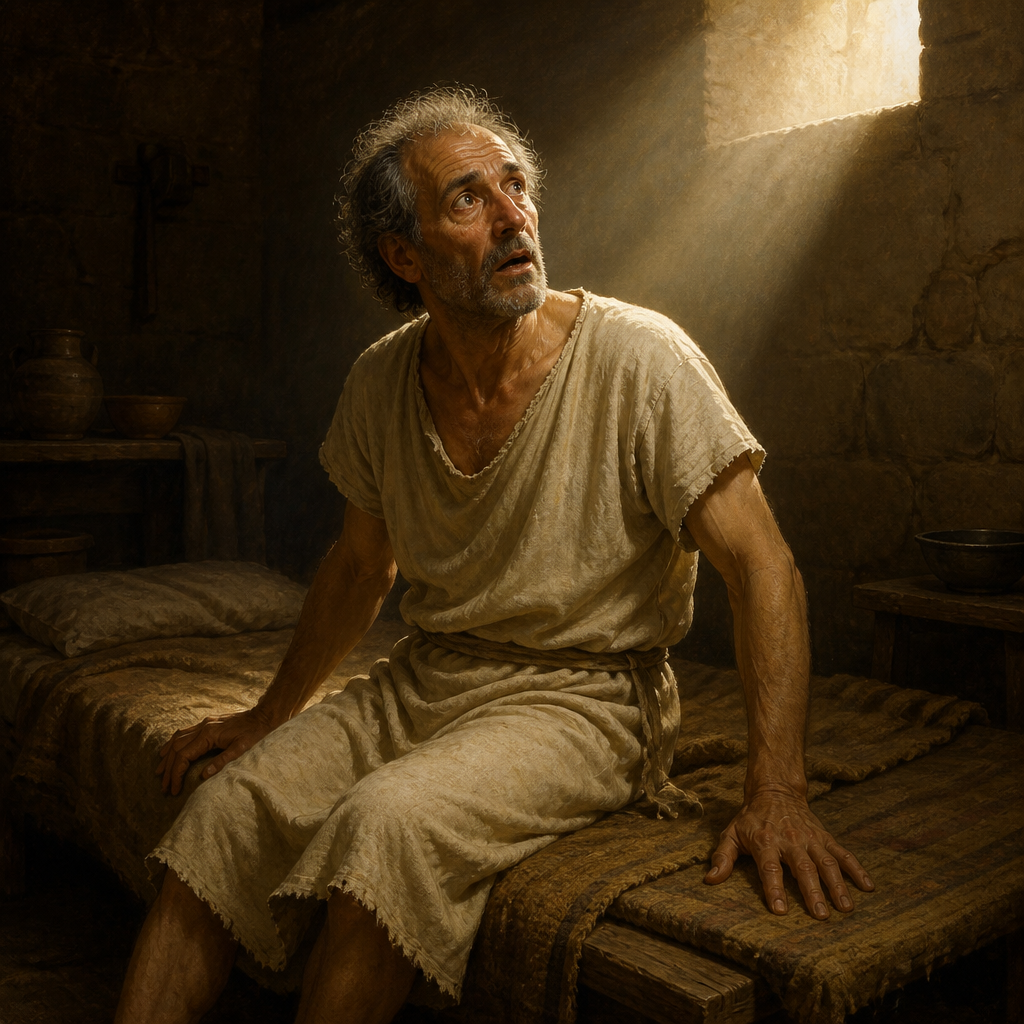
Aeneas
Man in Lydda who was bedridden for eight years and healed by Peter
A paralytic living in the town of Lydda who was instantaneously healed by the Apostle Peter in the name of Jesus Christ.
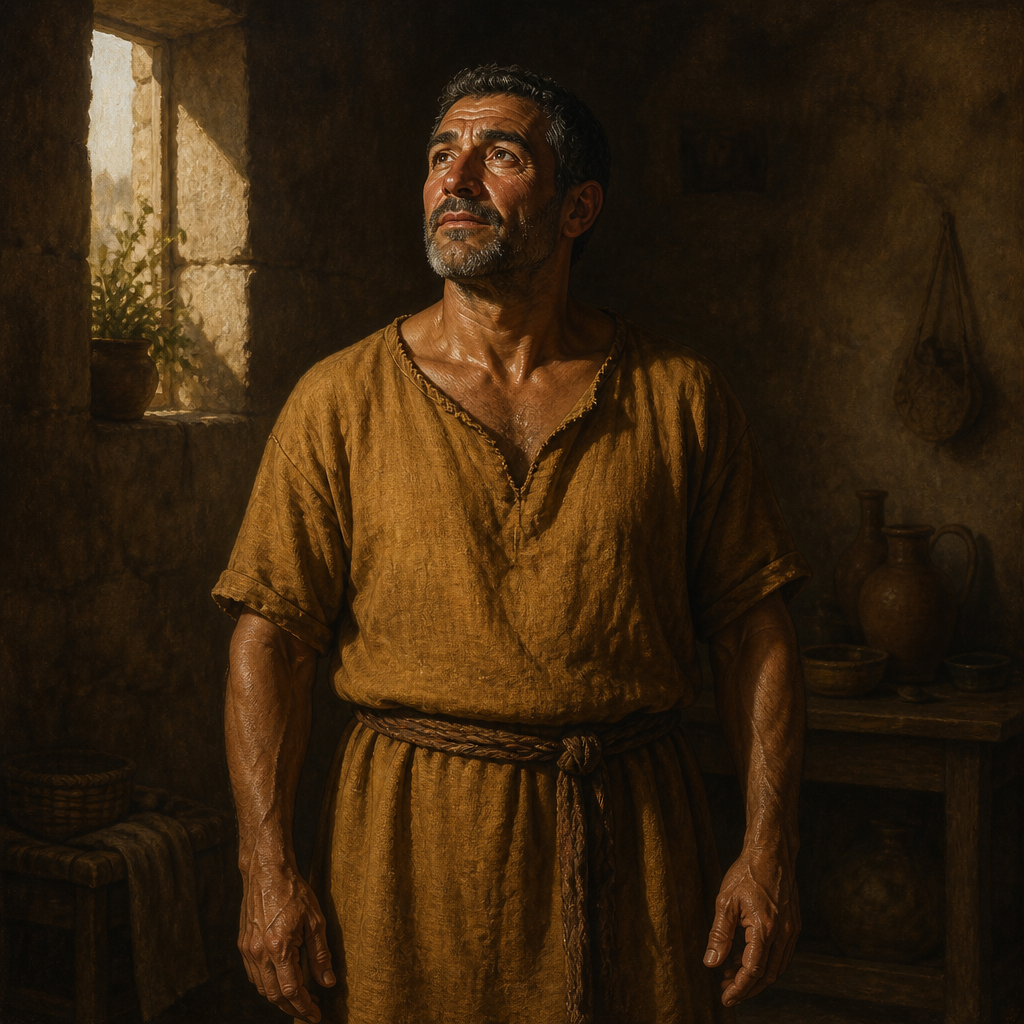
The Diseased on Malta
Group of islanders cured of various ailments by the Apostle Paul after his shipwreck
A group of residents on the island of Malta who were cured of various ailments by the Apostle Paul through the power of the Holy Spirit during his shipwreck journey to Rome.
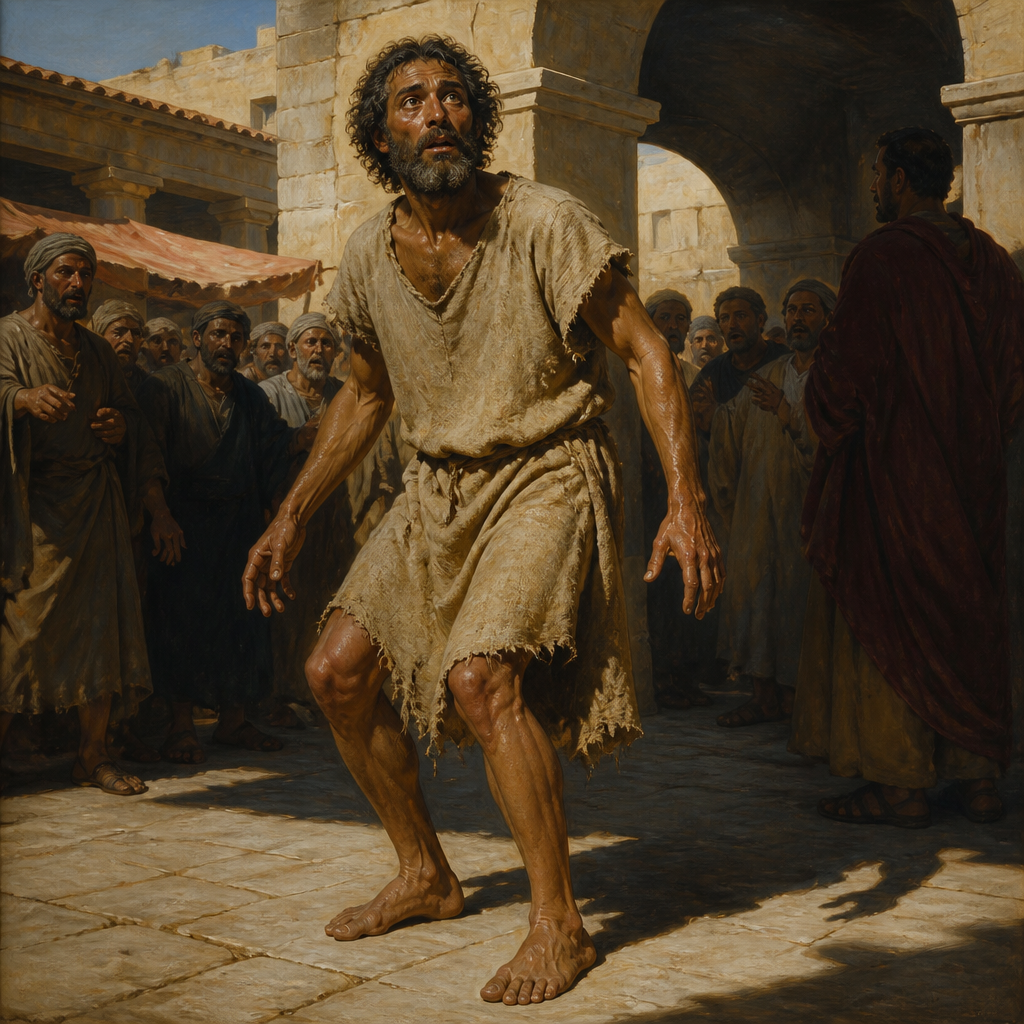
The Lame Man at Lystra
Man born crippled who was healed by the Apostle Paul in the city of Lystra
A lifelong paralytic in Lycaonia who was miraculously healed by the Apostle Paul, sparking a major riot and a debate over idolatry.
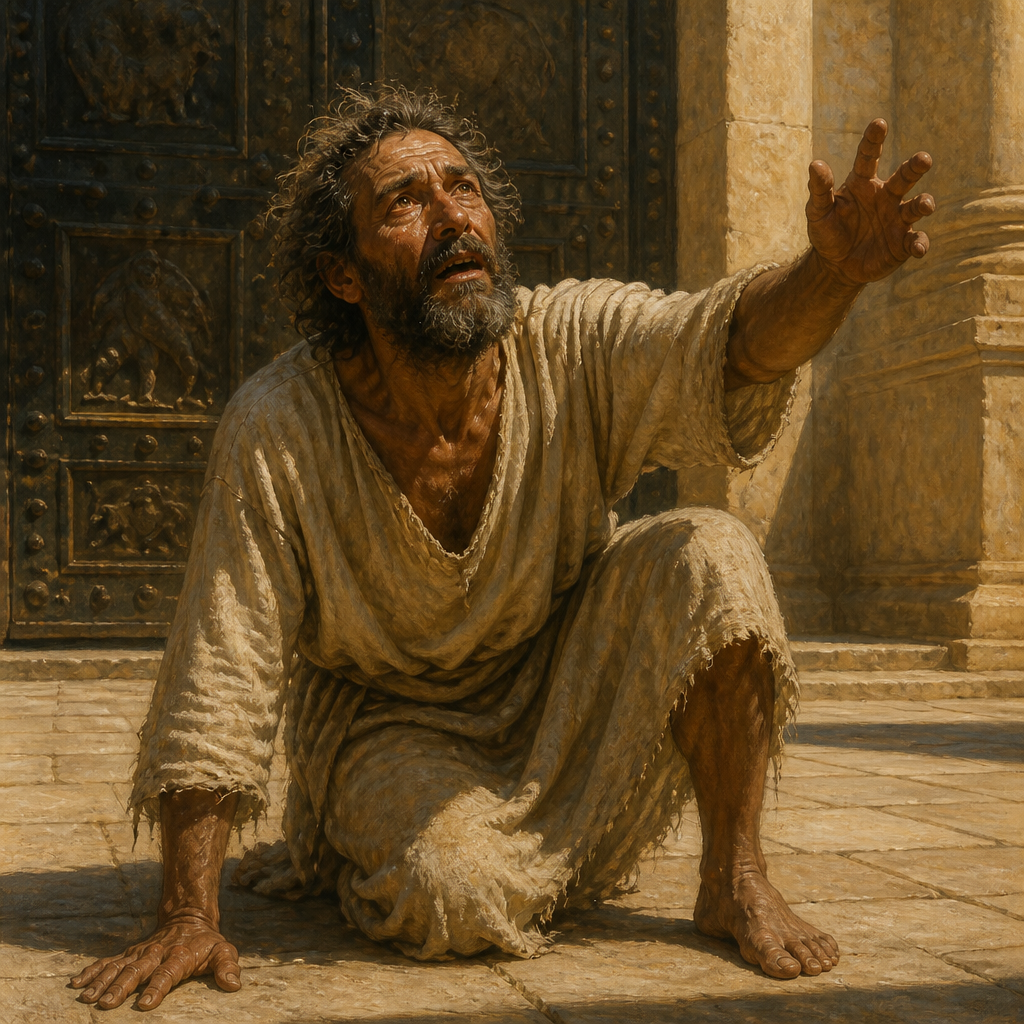
The Lame Man at the Beautiful Gate
Beggar who was healed at the Temple gate by Peter
A man lame from birth who was miraculously healed by Peter and John, sparking a pivotal moment of growth for the early church in Jerusalem.
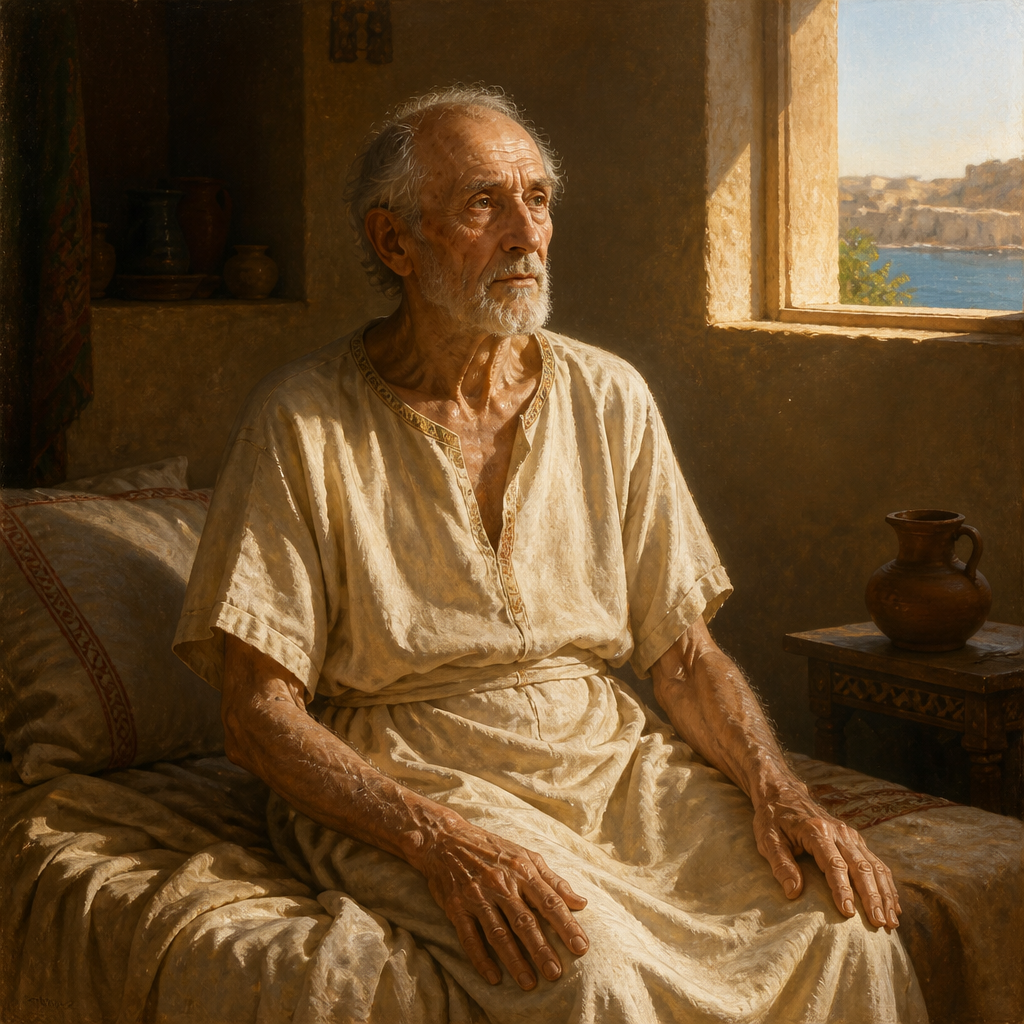
Publius' Father
Roman official's father who was healed of dysentery by St. Paul
An unnamed Roman resident of Malta who was miraculously healed of fever and dysentery by the Apostle Paul during the latter's voyage to Rome.