The Lame Man at Lystra
A lifelong paralytic in Lycaonia who was miraculously healed by the Apostle Paul, sparking a major riot and a debate over idolatry.
The Lame Man at Lystra is an unnamed figure appearing in the book of Acts, specifically during the first missionary journey of the Apostle Paul. A resident of Lystra, a Roman colony in the region of Lycaonia (modern-day Turkey), he is described as having been crippled from birth, never having walked. His encounter with Paul serves as a pivotal moment in the New Testament narrative, highlighting the power of faith and the challenges of early Christian missions within pagan Hellenistic cultures.
His miraculous healing is one of the most significant signs performed by Paul, serving as a catalyst for a complex theological and social crisis. The man's sudden restoration led the local Lycaonian population to mistake Paul and Barnabas for the Greek gods Hermes and Zeus. This event forced the apostles to clarify the nature of the 'Living God' versus the inanimate idols of the Greco-Roman pantheon, eventually leading to a violent turn of events where Paul was stoned and left for dead.
Background and Family
Historically and biblically, very little is known regarding the personal lineage or family of the lame man at Lystra. The author of Acts, Luke, provides the essential physiological and social details necessary for the theological narrative: he was 'impotent in his feet, being a cripple from his mother's womb, who never had walked' (Acts 14:8). This description underscores the terminal and congenital nature of his condition, leaving no room for medical ambiguity or the suggestion of a psychosomatic ailment.
Lystra itself was a remote outpost, a Roman colony situated in the highlands of Lycaonia. Unlike the more cosmopolitan cities of Ephesus or Antioch, Lystra was deeply rooted in local Anatolian traditions and folklore. The man likely survived through the charity of others in the marketplace, a common reality for the disabled in the first-century Roman world. His presence in the audience while Paul preached suggests that he was a man capable of attentive listening and spiritual discernment, despite his physical limitations.
Major Life Events
The central event of the man’s life occurred during the visit of Paul and Barnabas to Lystra, approximately AD 46–48. As Paul preached the Gospel, he looked intently at the man. In a moment of divine insight, Paul 'perceiving that he had faith to be healed,' commanded him in a loud voice, 'Stand upright on thy feet' (Acts 14:9–10). The man’s response was immediate and vigorous; he did not merely stand but 'leaped and walked,' demonstrating a complete and instantaneous restoration of muscle tone and coordination.
This miracle triggered a chain reaction among the superstitious populace. According to local legend (specifically the myth of Baucis and Philemon recorded by Ovid), the gods Zeus and Hermes had once visited the Phrygian hills in disguise and were rejected by all but an elderly couple. Fearful of repeating this mistake, the Lystrans shouted in their native Lycaonian tongue that the gods had come down in the likeness of men. They identified Barnabas as Zeus (Jupiter) due to his likely mature or imposing presence, and Paul as Hermes (Mercury) because he was the chief speaker.
Relationship to Other Biblical Figures
The man's primary relationship is with the Apostle Paul. Their interaction is depicted as a profound spiritual connection where Paul, through the Holy Spirit, identifies a specific quality of 'faith' (pistis) within the man. This suggests that the man had been receptive to the oral preaching of the Gospel before the physical healing took place.
Furthermore, the man’s healing inadvertently led to the confrontation between the Apostles and the Priest of Zeus. The priest brought oxen and garlands to the gates, intending to offer sacrifice to Paul and Barnabas. The Apostles’ desperate attempt to stop this blasphemy—rending their clothes and pleading with the crowd—illustrates the theological tension created by the miracle. The man himself disappears from the narrative after the healing, though he remains the silent witness to the volatility of the crowd, who shortly thereafter were persuaded by Jews from Antioch and Iconium to stone Paul.
Spiritual Significance
The healing of the lame man at Lystra is rich with theological symbolism. First, it mirrors the healing of the lame man at the Beautiful Gate by Peter in Acts 3. By recording this similar miracle, Luke establishes Paul’s apostolic authority as being equal to Peter’s. Just as Peter opened the mission to the Jews with a sign of healing, Paul validates the mission to the Gentiles with a parallel demonstration of power.
Second, the event highlights the distinction between 'religion' and 'faith.' The Lystrans saw the miracle and immediately retreated into their existing religious framework—idolatry and sacrifice. Paul, conversely, used the man’s restored health to point toward the Creator who 'made heaven, and earth, and the sea' (Acts 14:15). The man’s faith was the bridge between his broken physical state and the restorative power of the Gospel, serving as a living parable for the spiritual 'lameness' of the Gentile world being corrected by the message of Christ.
Spiritual Significance
The healing of the man at Lystra is a standard text for understanding the New Testament's approach to Gentile evangelism. It demonstrates that miracles were not merely for physical relief but were 'signs' intended to validate the messenger and the message. It also provides a rare glimpse into the linguistic and cultural shifts of the first century, as the crowd reverts to the Lycaonian language in their excitement, showing the deep-seated nature of local paganism.
Theologically, the man represents the 'faith that leads to wholeness.' Unlike many who received healings in the Gospels, this man is specifically noted for having the faith to be healed before the act occurred. This emphasizes the importance of the internal disposition of the heart in the process of divine intervention.
Frequently Asked Questions
Was the lame man at Lystra a Jew or a Gentile?
While the text does not explicitly state his ethnicity, the context of Lystra and the reaction of the crowd in the Lycaonian language strongly suggest he was a Gentile inhabitant of the city.
Why did the people think Paul was Hermes?
Paul was identified as Hermes (the messenger god) because he was the primary speaker. The locals believed him to be the divine spokesperson for the more stoic or silent Barnabas, who they believed was Zeus.
What happened to the man after he was healed?
The Bible does not provide further details on his life. However, his healing remained a permanent testament in Lystra, contributing to the establishment of the church there, which later produced figures like Timothy.
How long had the man been lame?
The book of Acts states he was 'a cripple from his mother's womb,' meaning he had been unable to walk for his entire life until he met Paul.
What language did the crowd speak after the miracle?
The crowd spoke in 'the speech of Lycaonia.' This detail explains why Paul and Barnabas did not immediately realize the crowd was planning to worship them, as the apostles likely spoke Greek.
Connected Figures
Apostle Paul
Healer and preacher
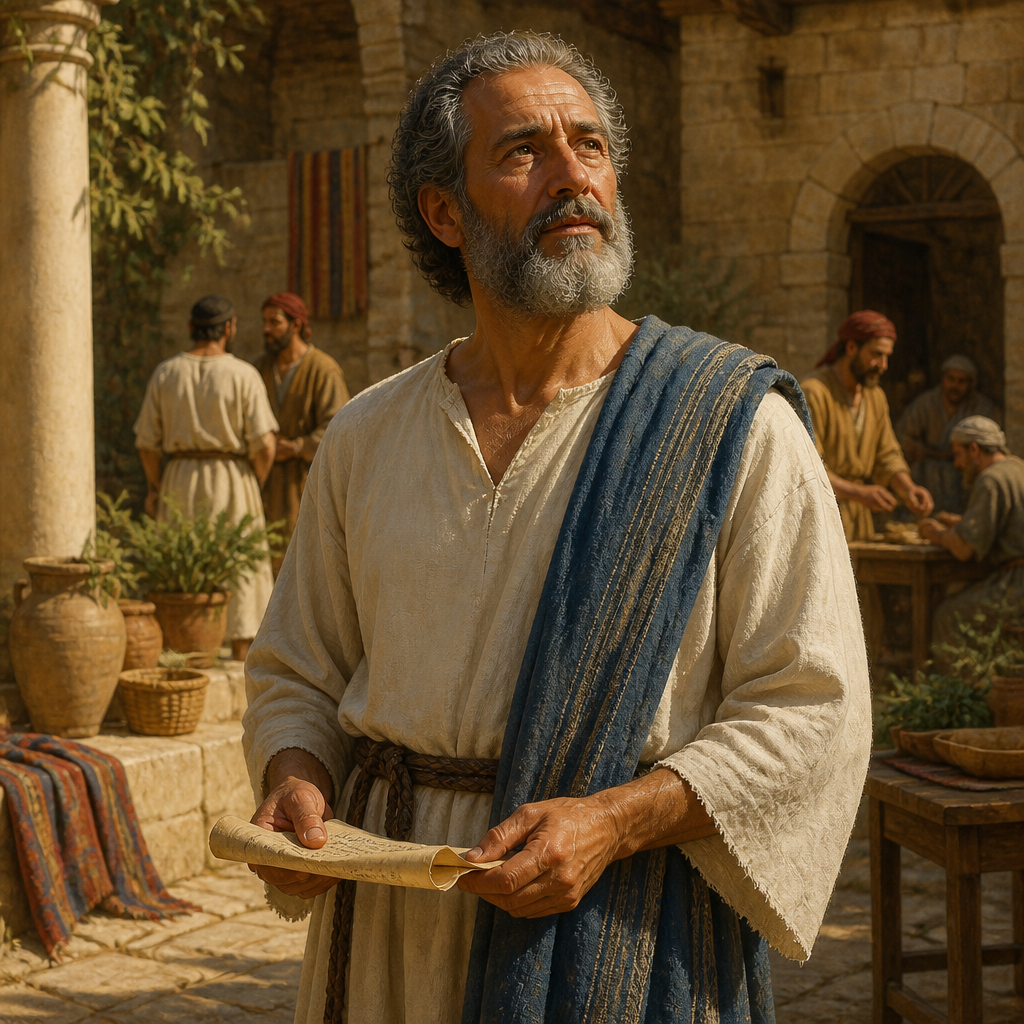
Barnabas
Paul's companion, mistaken for Zeus
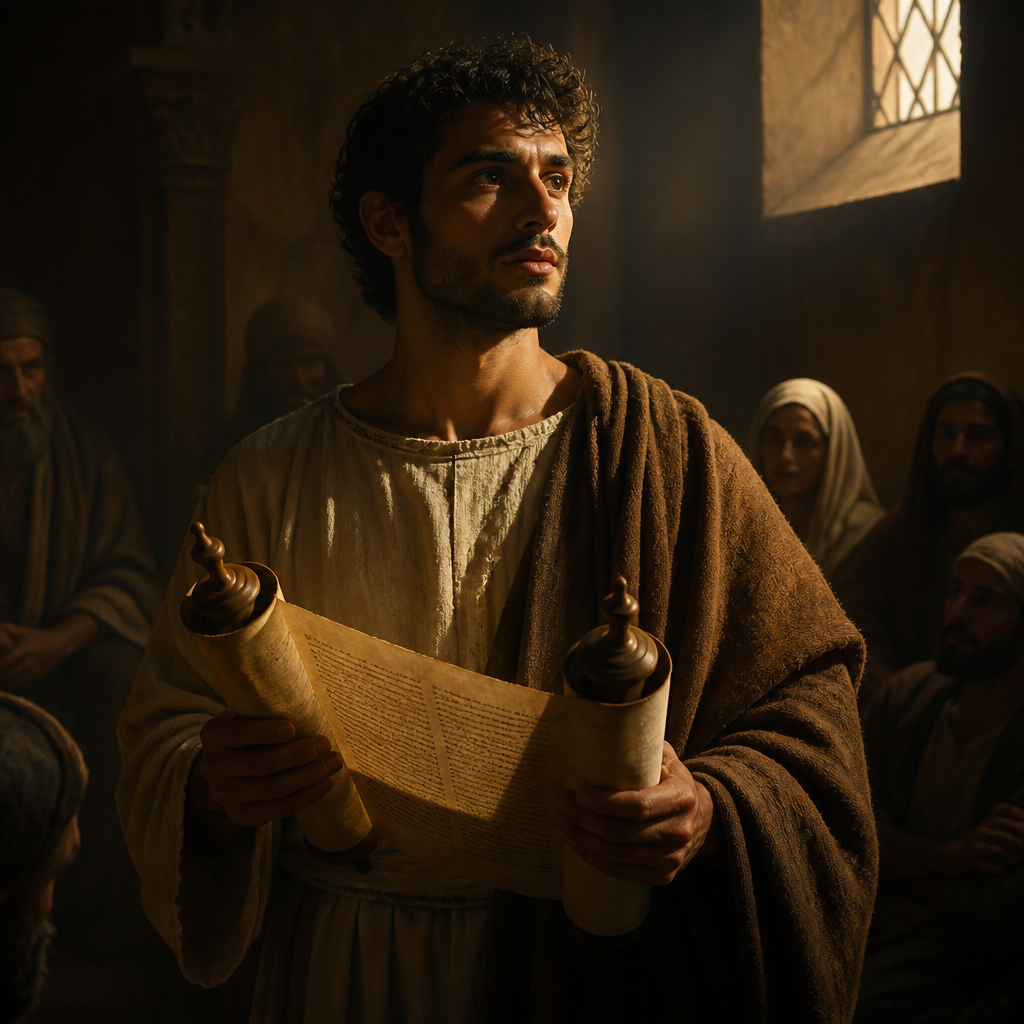
Timothy
Resident of Lystra who likely joined the church following these events