The Diseased on Malta
A group of residents on the island of Malta who were cured of various ailments by the Apostle Paul through the power of the Holy Spirit during his shipwreck journey to Rome.
The diseased on Malta refer to the inhabitants of the Mediterranean island who, following a catastrophic shipwreck involving the Apostle Paul, were miraculously healed of their various physical infirmities. This collective group represent a significant moment in the Book of Acts, marking the first time the Christian Gospel and its accompanying signs of power reached the island of Malta. Their inclusion in the biblical narrative serves as a testament to the expansion of the early church's influence into the Gentile world through miraculous intervention.
Historically, the encounter took place around 60 AD, during Paul’s final journey to Rome. After Paul survived a venomous viper bite and the father of the island's chief official, Publius, was healed of dysentery, the news spread rapidly. Consequently, the local population who suffered from diverse diseases sought and received healing through Paul’s ministry. This event not only demonstrated the divine authority of the Christian message but also secured the goodwill and provision of the islanders for the shipwrecked travelers.
Background and Family
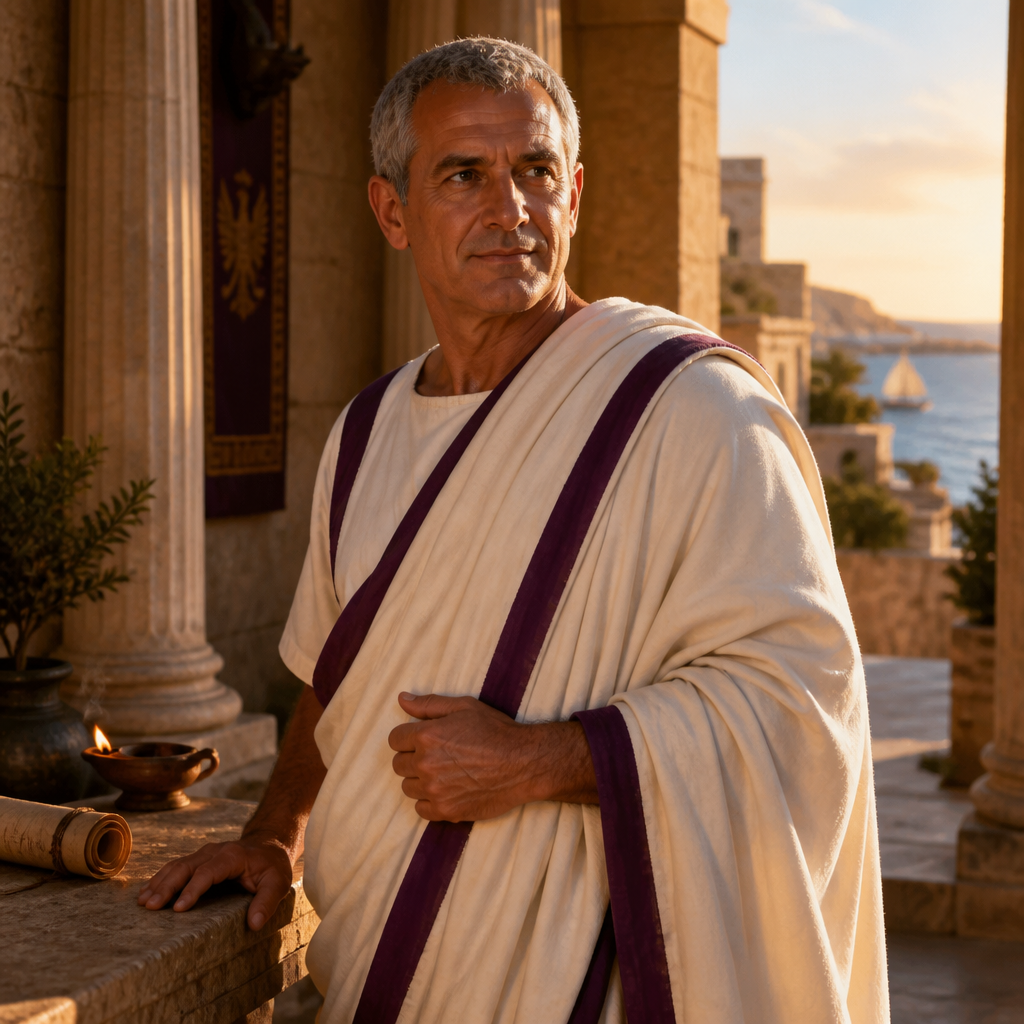
The individuals known as the diseased on Malta were residents of the Roman province of Melite (modern-day Malta). At the time of their encounter with the Apostle Paul, the island was under Roman administration, led by a local official known as the "first man" (Protos), Publius. While the biblical account does not provide specific family lineages or names for these individuals—other than the mention of Publius' father—they are described as a significant portion of the island's population. They were likely a mix of native Phoenician-descended inhabitants and Roman subjects who lived in the rural and coastal agrarian society of the first-century Mediterranean.
Life on Malta
Daily life for the Maltese people in the first-century revolved around agriculture, fishing, and the strategic importance of the island as a maritime hub. However, medical knowledge was limited, and the "diseases" (Greek: astheneias) mentioned likely encompassed a range of chronic and acute conditions common to the region, including respiratory infections, digestive ailments, and physical disabilities. The arrival of the shipwrecked crew of 276 people, including the Apostle Paul and the physician Luke, was an unexpected disruption to their quiet provincial life.
Major Life Events
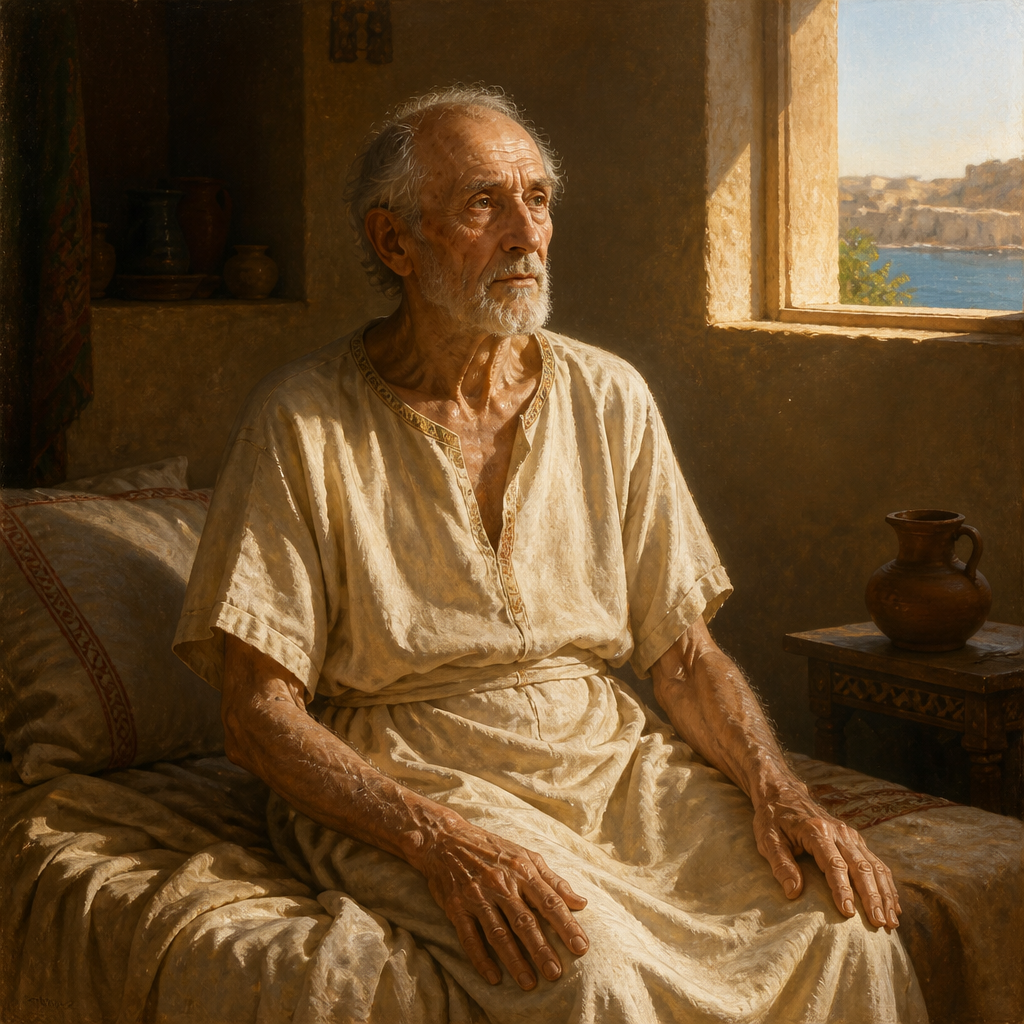
The primary event involving this group is recorded in Acts 28:7-10. Following the shipwreck, the survivors were shown "unusual kindness" by the islanders, who built a fire to warm them. Paul’s miraculous survival after being bitten by a viper caused the locals to view him with divine reverence. Shortly thereafter, Paul visited the home of Publius, whose father was bedridden with fever and dysentery. Paul prayed and laid hands on him, resulting in an immediate recovery.
"After this happened, the rest of the people on the island who had diseases also came and were cured." (Acts 28:9, NIV)
This mass healing event followed the specific miracle in Publius' house. The text implies a systematic process where the sick from across the island sought out the Apostle. Unlike many of the earlier miracles in the Book of Acts that occurred in urban centers like Jerusalem or Ephesus, this was a rural outreach where the physical needs of the people became the bridge for spiritual influence. The healing of the diseased on Malta resulted in a deep bond of gratitude; the islanders honored the Pauline party with many marks of respect and provided all necessary supplies for their continued voyage three months later.
Relationship to Other Biblical Figures
The diseased on Malta are primarily defined by their relationship to the Apostle Paul and Luke the Physician. It is highly probable that Luke, the author of Acts, assisted in the care of these individuals. Some scholars suggest that the use of the Greek word etherapeuovto (were cured/treated) might imply that while Paul performed miraculous healings, Luke also applied medical treatment. Thus, the diseased became the first "patients" of a combined charismatic and medical missionary effort in this region.
Furthermore, their healing connected them to Publius, the chief official. As the islanders saw their leader’s family benefited by the power of Christ, their own willingness to approach Paul increased. This communal experience transformed a group of strangers and survivors into a burgeoning community of people who had physically experienced the "Kingdom of God" in their midst.
Spiritual Significance
The account of the diseased on Malta is theologically significant for several reasons. First, it serves as a fulfillment of the Great Commission and the promise in Mark 16:18 that believers would "place their hands on sick people, and they will get well." It demonstrates that the power of God is not restricted by imprisonment or circumstances; even as a prisoner in chains, Paul functioned as an agent of liberation for others.
Second, the episode highlights the theme of "universal grace." The Maltese were considered "barbarians" by the Greeks and Romans because they did not speak Greek, yet the healing power of Christ was freely Extended to them. This reinforces the New Testament teaching that the Gospel is for all nations. Finally, the healing of the diseased on Malta is often credited as the foundational event for the Church in Malta, which remains one of the oldest Christian communities in the world. The transition from physical suffering to wholeness mirrored the spiritual transition Paul hoped for the islanders—from the darkness of pagan superstition (exemplified by their initial reaction to the viper) to the light of the Christian faith.
Spiritual Significance
The healing of the diseased on Malta represents a pivotal moment in the expansion of Christianity to the ends of the earth. It demonstrates how divine providence uses adverse circumstances, such as a shipwreck, to bring the Gospel to unreached populations. The theological emphasis lies in the mercy of God toward those outside the house of Israel, showing that physical healing often serves as a precursor to spiritual receptivity.
Furthermore, this narrative underscores the continuity of Jesus’ ministry through his apostles. Just as Jesus healed all who came to Him, Paul’s ministry on Malta reflects the compassionate nature of the Church. The gratitude of the healed individuals, who provided for the apostles' journey to Rome, illustrates the biblical principle of reciprocity between spiritual blessing and material support.
Frequently Asked Questions
Who was the first person healed by Paul on Malta?
The first person healed was the father of Publius, the chief official of the island, who suffered from fever and dysentery.
How long did Paul stay with the people of Malta?
Paul and the other shipwreck survivors stayed on the island for three months before departing on an Alexandrian ship.
Did Luke help heal the diseased people on Malta?
While the text says they were 'cured,' the Greek terminology suggests both miraculous healing by Paul and potentially medical assistance from Luke the physician.
What was the reaction of the people to these healings?
The people honored Paul and his companions with many marks of respect and provided all the supplies they needed for their trip to Rome.
Where is the account of the diseased on Malta found in the Bible?
The account is found in the final chapter of the Book of Acts, specifically Acts 28:7-10.
Connected Figures
Paul the Apostle
Healer and missionary
Luke the Physician
Companion and chronicler
Publius
Chief official of Malta
Publius' Father
First person healed on the island