False Teachers
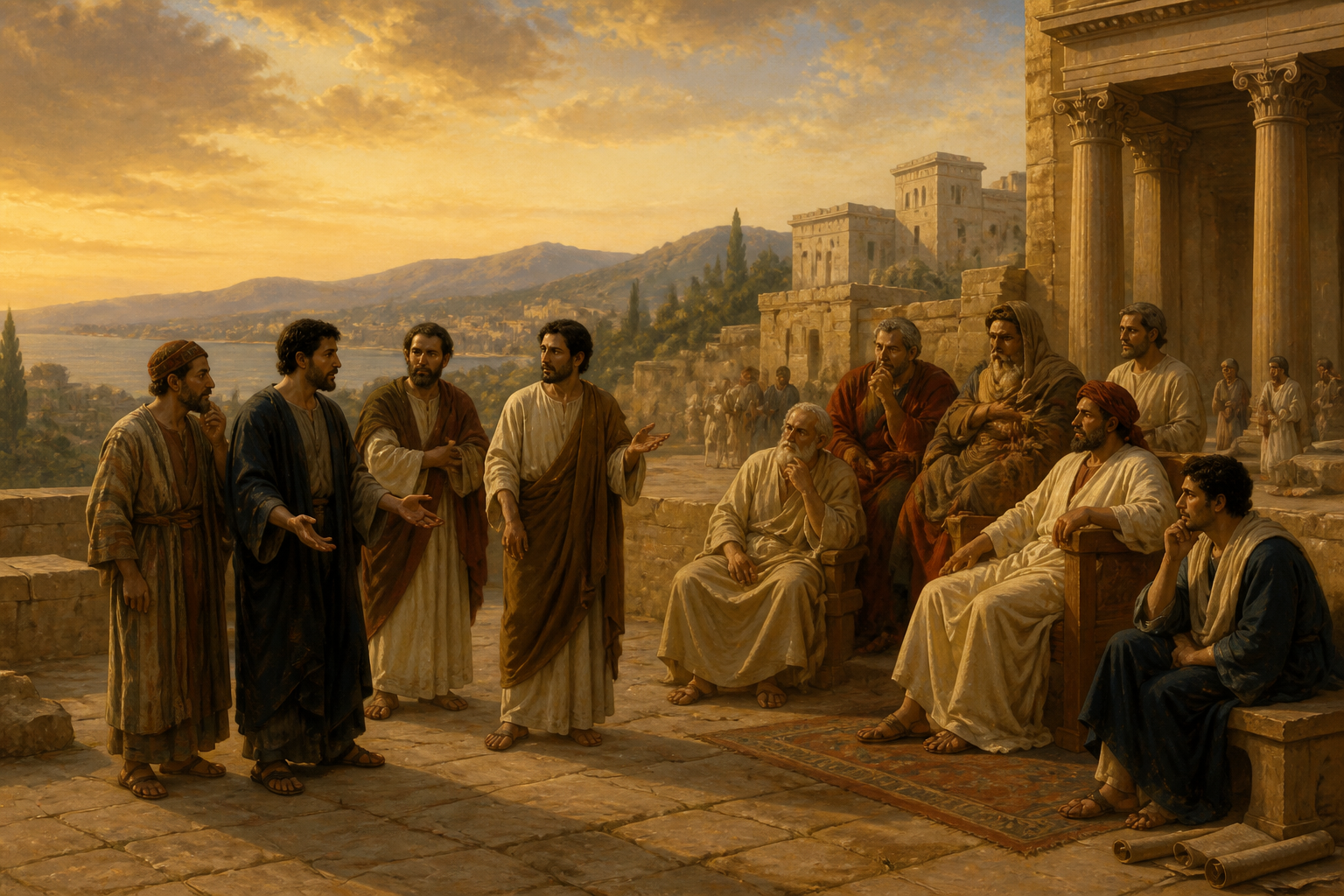
A diverse group of early Christian detractors and doctrinal dissidents who challenged apostolic authority and the core tenets of the faith.
“For such men are false apostles, deceitful workmen, disguising themselves as apostles of Christ.” — 2 Corinthians 11:13
The term 'false teachers' in a biblical context identifies various individuals and sectarian movements within the first-century Christian church that propagated doctrines considered heterodox or subversive by the original Apostles. These groups did not typically exist as an organized, singular entity; rather, they represented a spectrum of theological deviations ranging from legalistic syncretism, such as the Judaizers, to proto-Gnostic asceticism or antinomianism, seen in the Nicolaitans. The New Testament authors, particularly Paul, Peter, and John, dedicated significant portions of their epistles to addressing these internal threats, viewing them as more dangerous to the church's survival than external persecution from the Roman State.
Historically, these teachers often emerged from within the local congregations, utilizing their influence to reinterpret the life and teachings of Jesus. In the Pauline epistles, figures like Hymenaeus and Philetus are criticized for spiritualizing the resurrection, a move that threatened the historical and physical foundations of Christian hope. In the Roman and Galatian contexts, teachers insisted on the necessity of Mosaic Law and circumcision, creating a schism between Jewish and Gentile believers. Meanwhile, the letters to the seven churches in Revelation identify figures like the 'prophetess Jezebel' and the Nicolaitans, who allegedly encouraged participation in pagan sacrificial meals and sexual immorality, blending Christian practice with the prevailing Greco-Roman culture.
Tracing the development of these teachers is essential for understanding the formation of the Christian canon and the early ecumenical creeds. The necessity of defending 'the faith that was once for all delivered to the saints' forced the early church to define its boundaries, clarify its Christology, and establish a formal hierarchy of apostolic authority. While their specific names and varying doctrines often appear as footnotes in modern theology, their presence was the catalyst for much of the New Testament's rigorous intellectual and ethical framing, shaping the trajectory of the global church through the first century AD and beyond.
The group
False Teachers

Hymenaeus
False teacher who claimed the resurrection had already occurred
Hymenaeus was a prominent false teacher in the first-century Ephesian church who abandoned his faith and distorted the doctrine of the resurrection.

Jezebel of Thyatira
False prophetess who seduced the church at Thyatira into idolatry
A self-proclaimed prophetess in the church of Thyatira who led believers into compromise, idolatry, and sexual immorality during the late first century AD.
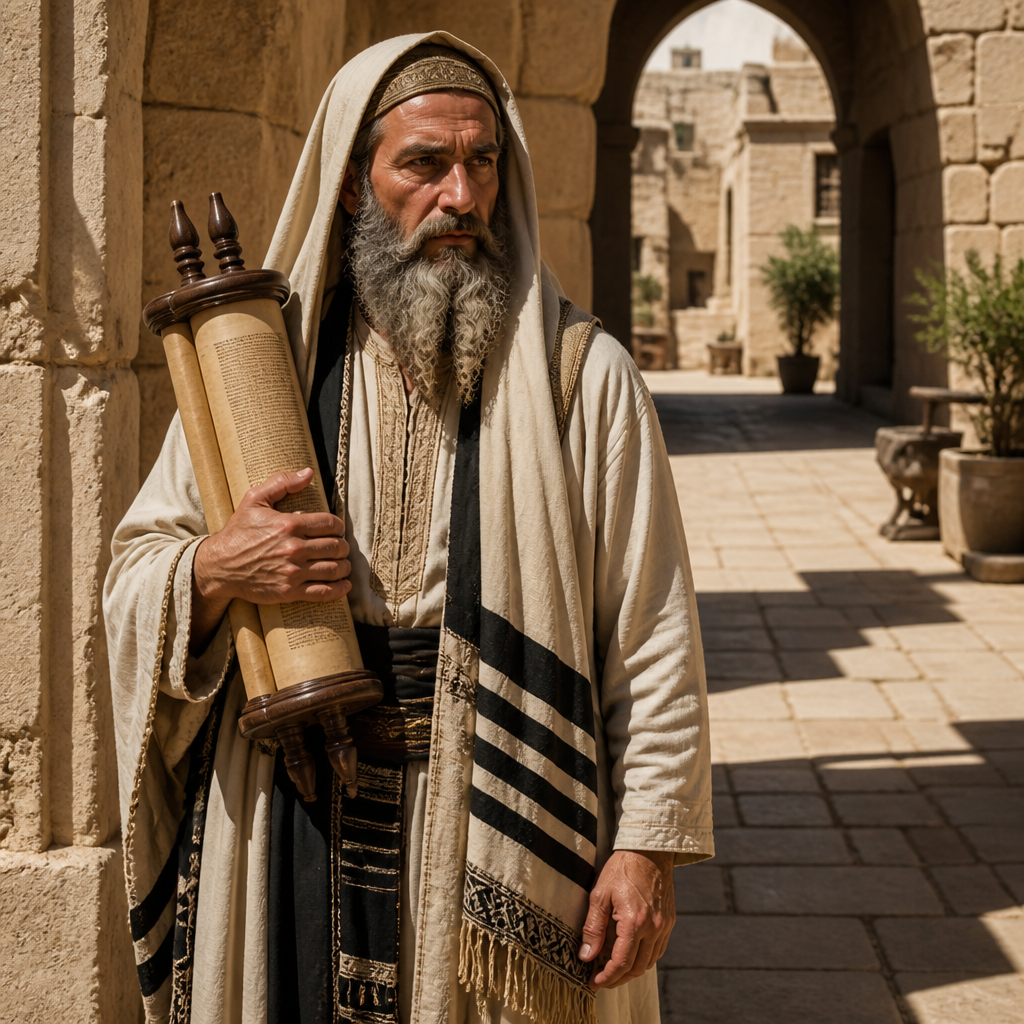
Judaizers
False teachers who insisted circumcision was required for a Gentile to be saved
First-century false teachers who insisted that Gentile converts must be circumcised and keep the Mosaic Law in order to be saved.
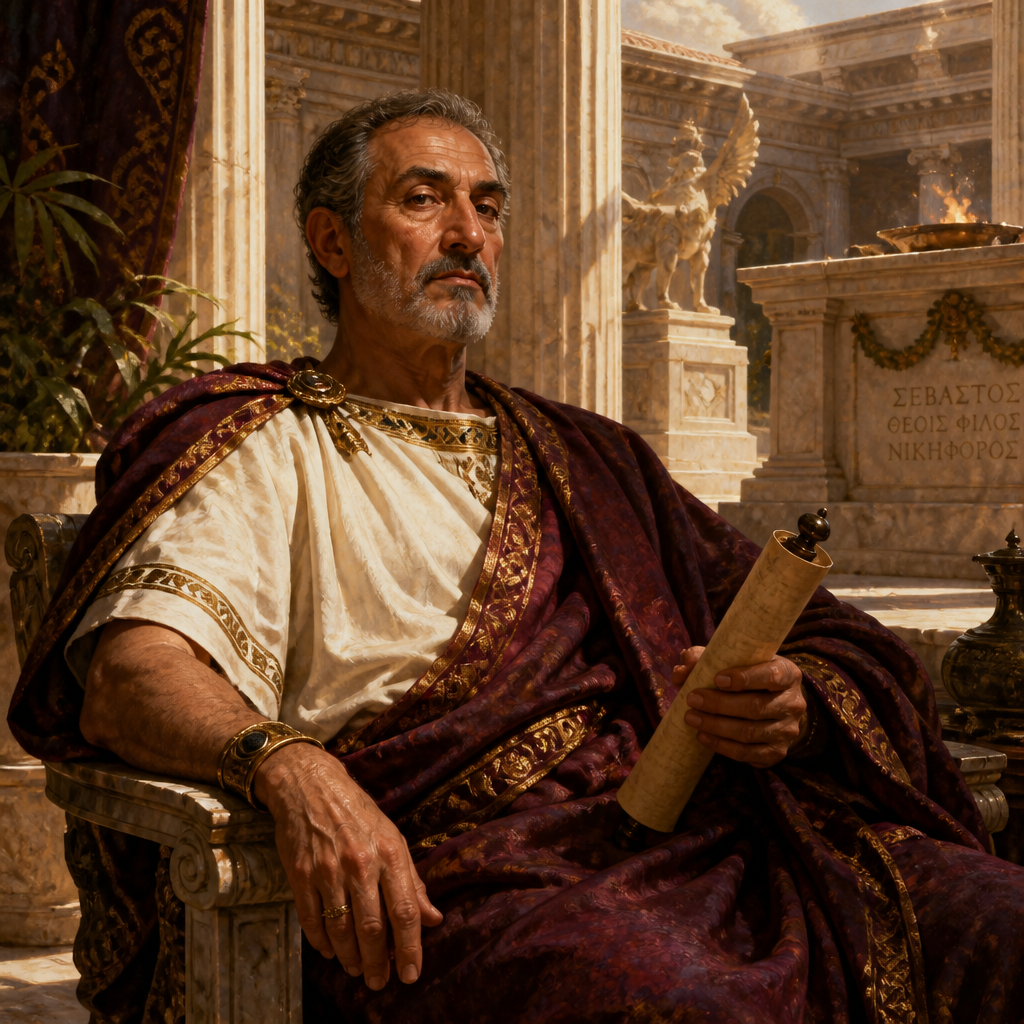
The Nicolaitans
False teachers in the early church who advocated for compromise with pagan idolatry and immoral behavior
A heretical group in the early church censured by Christ in Revelation for their compromise with pagan idolatry and immoral practices.

Philetus
False teacher who claimed the resurrection had already occurred
Philetus was an early Christian heretic in Ephesus who, along with Hymenaeus, taught that the resurrection had already occurred, thereby subverting the faith of some believers.

Those Who Hold the Teaching of Balaam
Sect in the church of Pergamum who promoted compromise with pagan idolatry and sexual immorality
A faction within the early Christian church at Pergamum who promoted syncretism, idolatry, and sexual immorality by following the destructive precedents of the Old Testament figure Balaam.