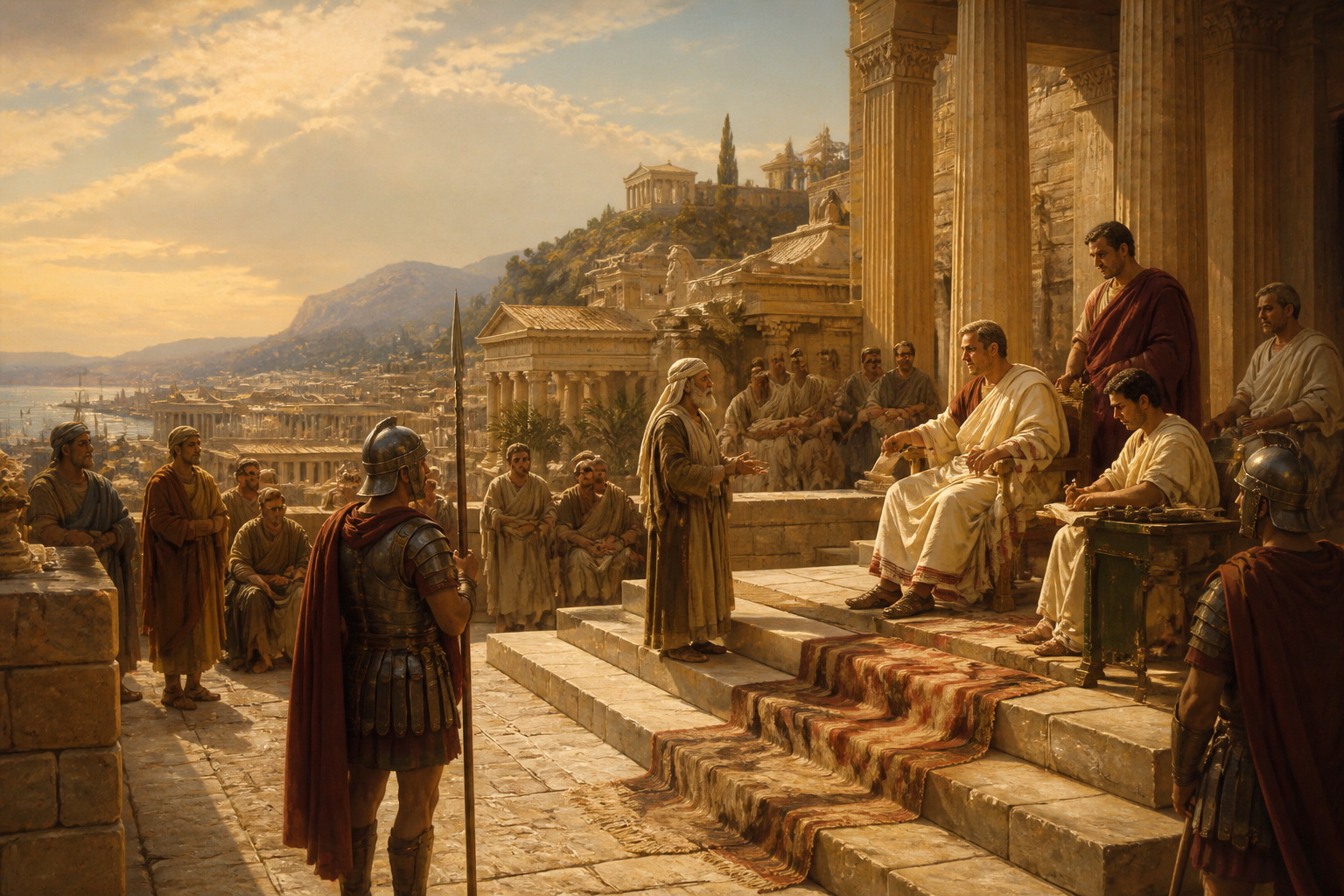
Local Officials
Civic administrators and judicial officers in the Roman provinces whose interactions with early Christians shaped the legal landscape of the New Testament church.
“…for you have brought these men here who are neither sacrilegious nor blasphemers of our goddess. If therefore Demetrius and the craftsmen with him have a complaint against anyone, the courts are open, and there are proconsuls; let them bring charges against one another.” — Acts 19:37-38
The 'Local Officials' of the New Testament represent the diverse array of municipal, provincial, and colonial administrators encountered by the apostles—most notably Paul—during the expansion of the early church. These figures operated within the complex hierarchy of the Roman Empire, where local governance varied significantly depending on a city’s status as a Roman colony, a free city, or a provincial capital. Their presence in the biblical narrative serves to ground the missionary journeys in a specific historical and legal reality, illustrating the friction and occasional protection offered by the Roman state.
Historically, these officials were responsible for maintaining the pax Romana (Roman peace). They handled civil unrest, managed public assemblies, and adjudicated disputes between community factions. In the book of Acts, their roles range from the 'politarchs' of Thessalonica—a term once questioned by critics but later confirmed by archaeology—to the 'Asiarchs' of Ephesus, who were wealthy elites overseeing imperial cult activities. Unlike the high-ranking Roman governors like Felix or Festus, these local officials were the immediate face of authority for the average citizen and the developing Christian congregations.
Their significance in the biblical text is primarily found in their role as arbiters of order. Whether they were acting out of duty, political expediency, or genuine concern for justice, their decisions often dictated the pace and safety of the early mission. The Town Clerk of Ephesus, for instance, provides a key example of a local official using legal procedure to prevent a riot, while the magistrates in Philippi demonstrate the gravity of Roman citizenship and the consequences of legal overreach. Collectively, these figures highlight the intersection of burgeoning Christianity with the established Greco-Roman political order.
The group
Local Officials
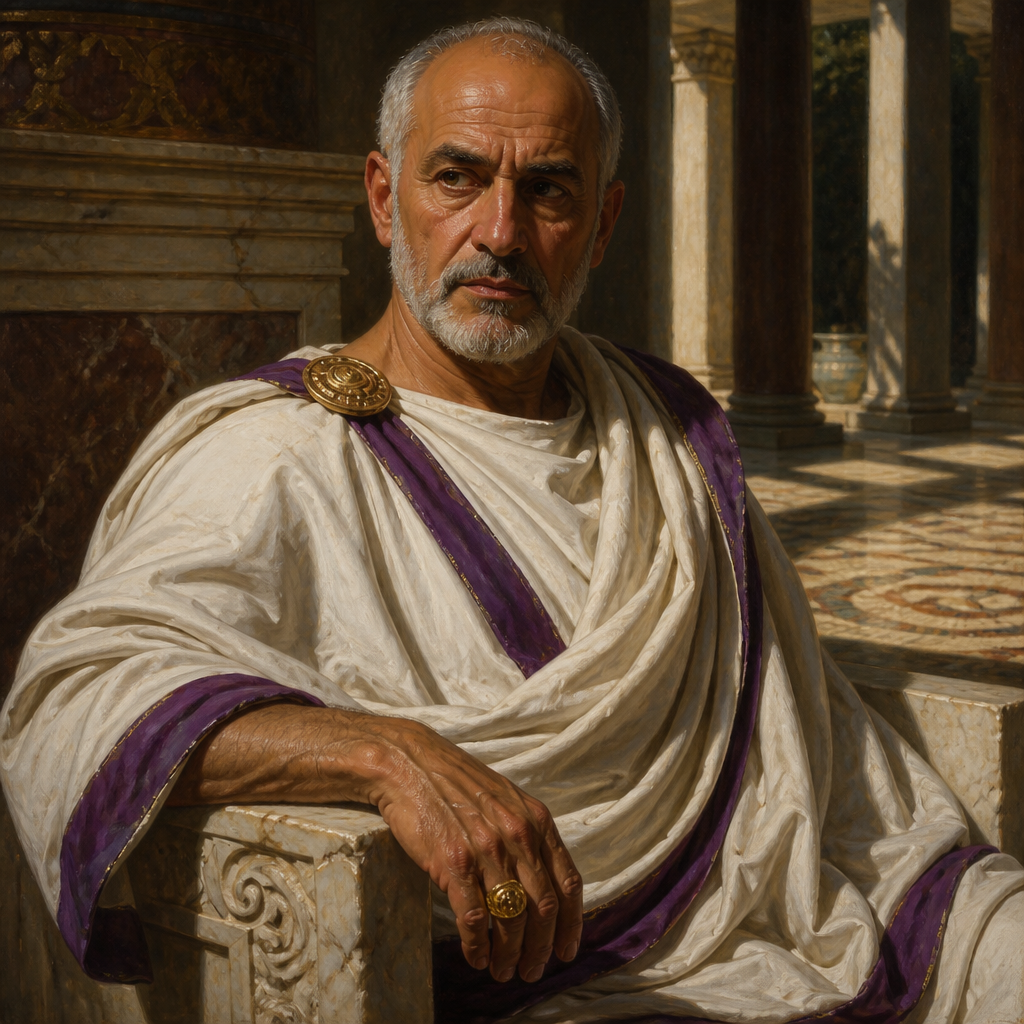
The Asiarchs
Elite provincial officials who befriended and protected the Apostle Paul during the riot at Ephesus
Elite administrative and religious officials in the Roman province of Asia who befriended the Apostle Paul during the Ephesian riot.
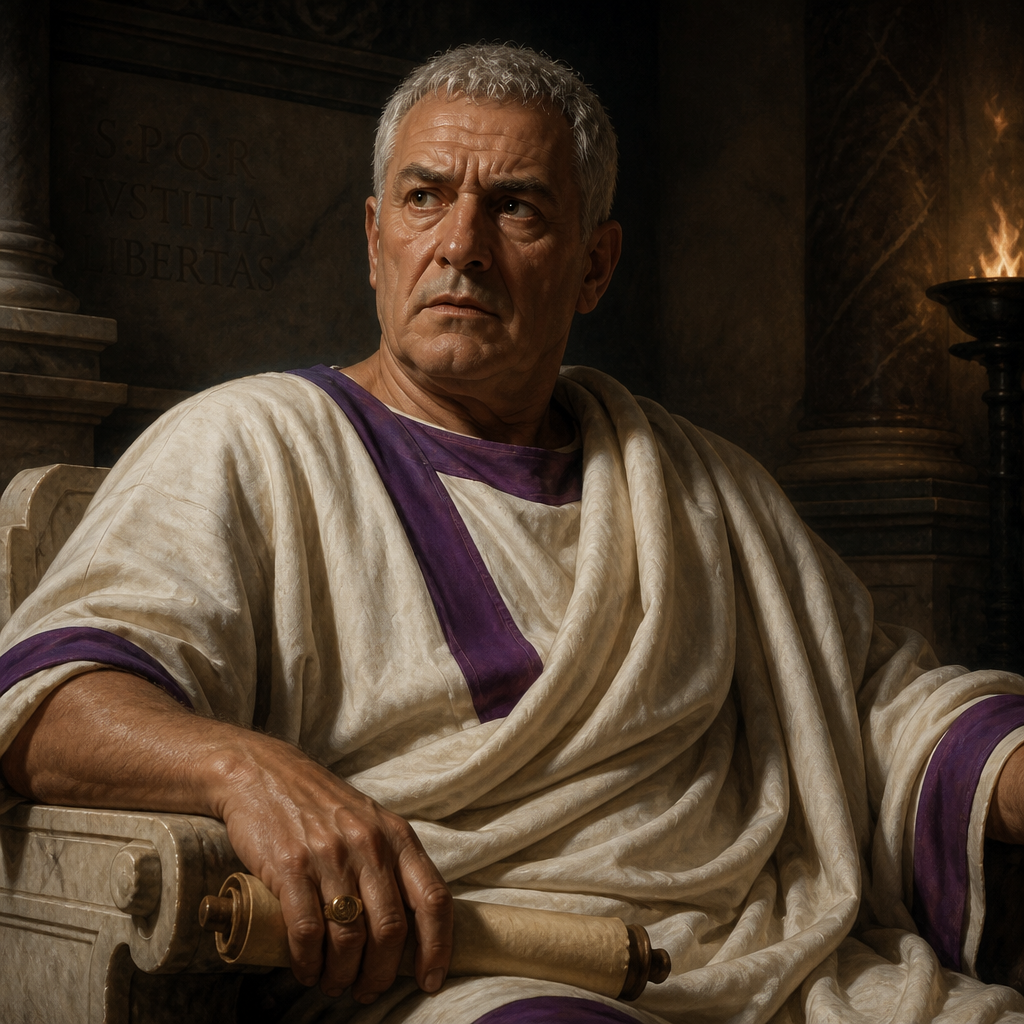
The Philippian Magistrates
Local officials who ordered the unlawful beating and imprisonment of Paul and Silas
The Roman provincial officials in Philippi who illegally imprisoned Paul and Silas before being forced to issue a formal apology.
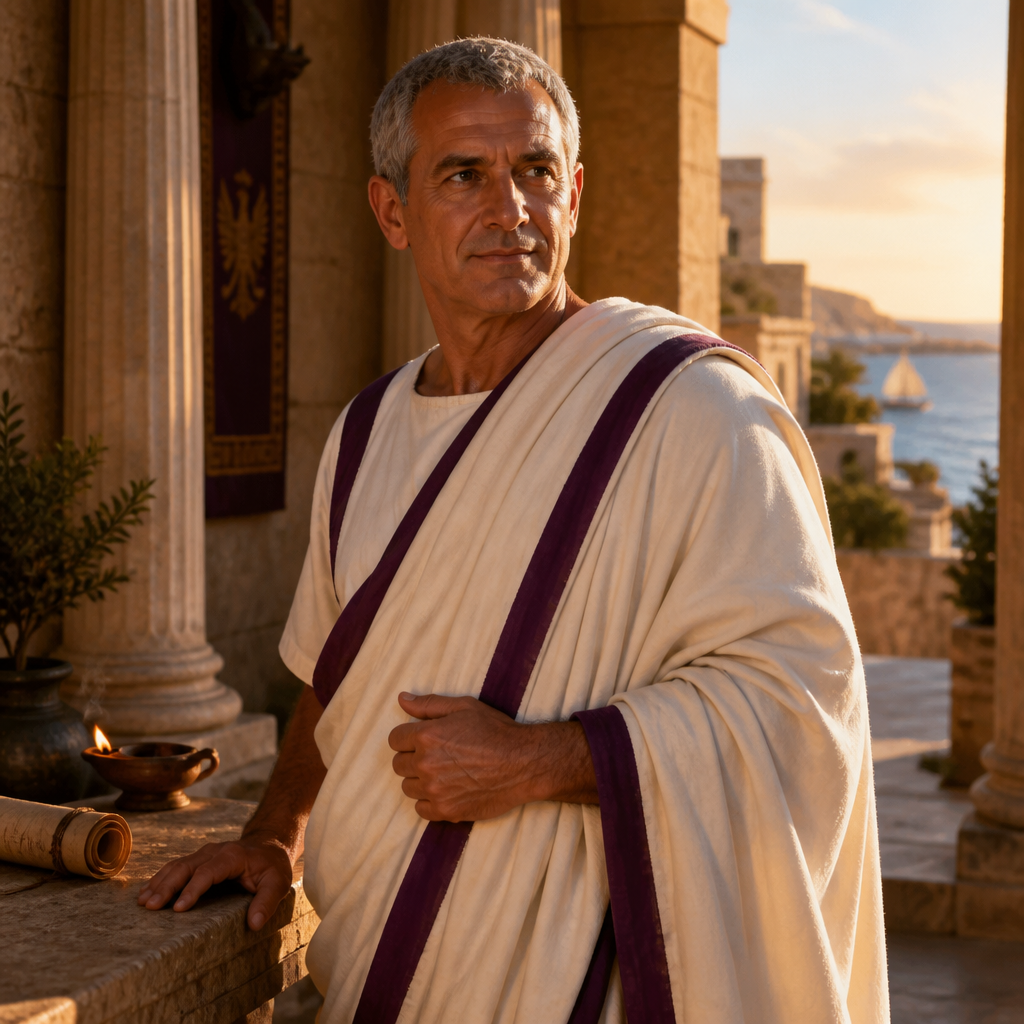
Publius
Roman official on Malta who provided hospitality to the shipwrecked Apostle Paul and whose father was miraculously healed
Publius was the Roman chief official of the island of Malta who hosted the Apostle Paul after his shipwreck and was the first recorded person to be healed by Paul on the island.
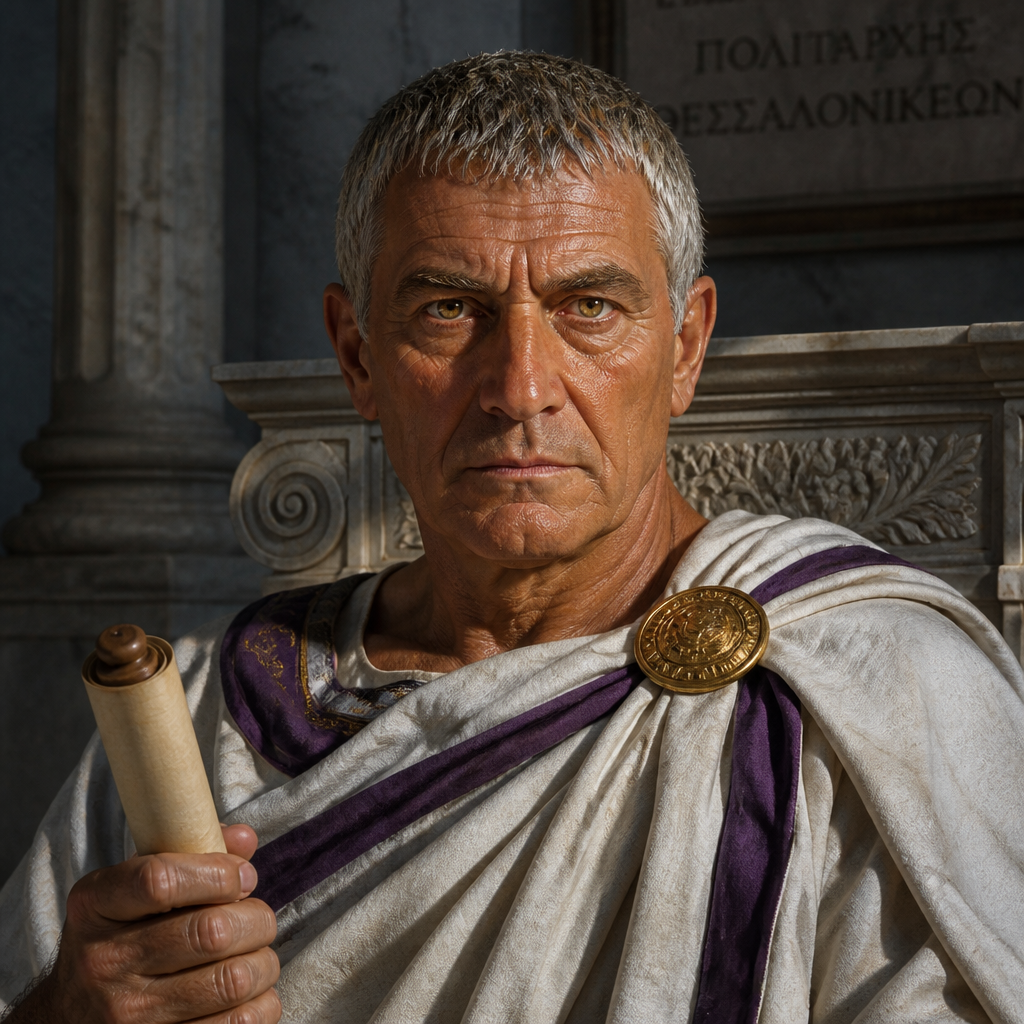
The Thessalonian Authorities
Officials who adjudicated the riot against Paul and Jason in Thessalonica
The civic magistrates of Thessalonica who adjudicated the legal disturbance caused by Paul and Silas, and received a security bond from Jason.
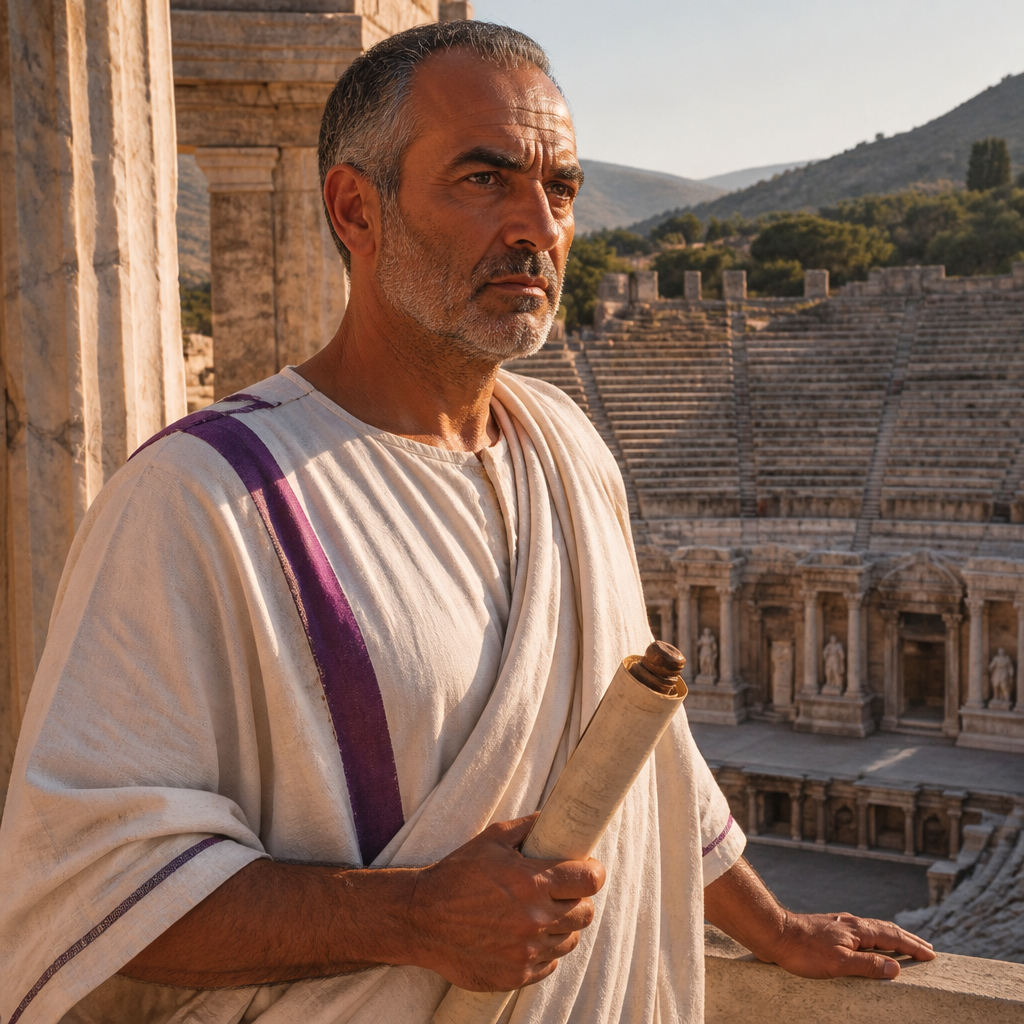
The Town Clerk of Ephesus
Official who de-escalated the Ephesian riot against Paul
The chief administrative official of Ephesus who peacefully quelled a violent riot against the Apostle Paul and protected the early Christian community from legal repercussions.