The Asiarchs
Elite administrative and religious officials in the Roman province of Asia who befriended the Apostle Paul during the Ephesian riot.
The Asiarchs were a distinct group of high-ranking municipal and provincial officials within the Roman province of Asia (modern-day western Turkey). While their specific titles varied by city, they represented the social and economic elite of Ephesus and the surrounding regions. They were tasked with overseeing the imperial cult and various civic festivals, making them significant figures in both the secular and religious life of the Roman Empire.
In the biblical narrative, specifically within the Book of Acts, these figures appear not as antagonists but as protective acquaintances of the Apostle Paul. Their intervention during a massive riot in Ephesus highlights the social reach of the early Christian movement and the complex relationship between the burgeoning Church and the local Roman aristocracy. Their presence in the text serves as a historical marker for the status of the Ephesian church during the mid-1st century AD.
Background and Social Status
The title of 'Asiarch' (Greek: Asiarches) refers to a position of immense prestige and financial responsibility. In the Roman administrative system, especially in the province of Asia, the Asiarchs were chosen from the wealthiest and most influential families. The position was not merely political; it was deeply intertwined with the religious life of the province.
Historically, scholars have debated whether the office of Asiarch was synonymous with the 'high priest of the province of Asia' (archiereus tēs Asias). While the titles are often found in close proximity in archaeological inscriptions, the Asiarchs mentioned in Acts 19:31 likely represented a college of former or current officials who maintained significant influence over public order and regional festivals. To hold this office, an individual had to possess vast private wealth, as the role required the sponsorship of public games, gladiatorial contests, and theatrical performances at their own expense.
Major Life Events: The Riot at Ephesus
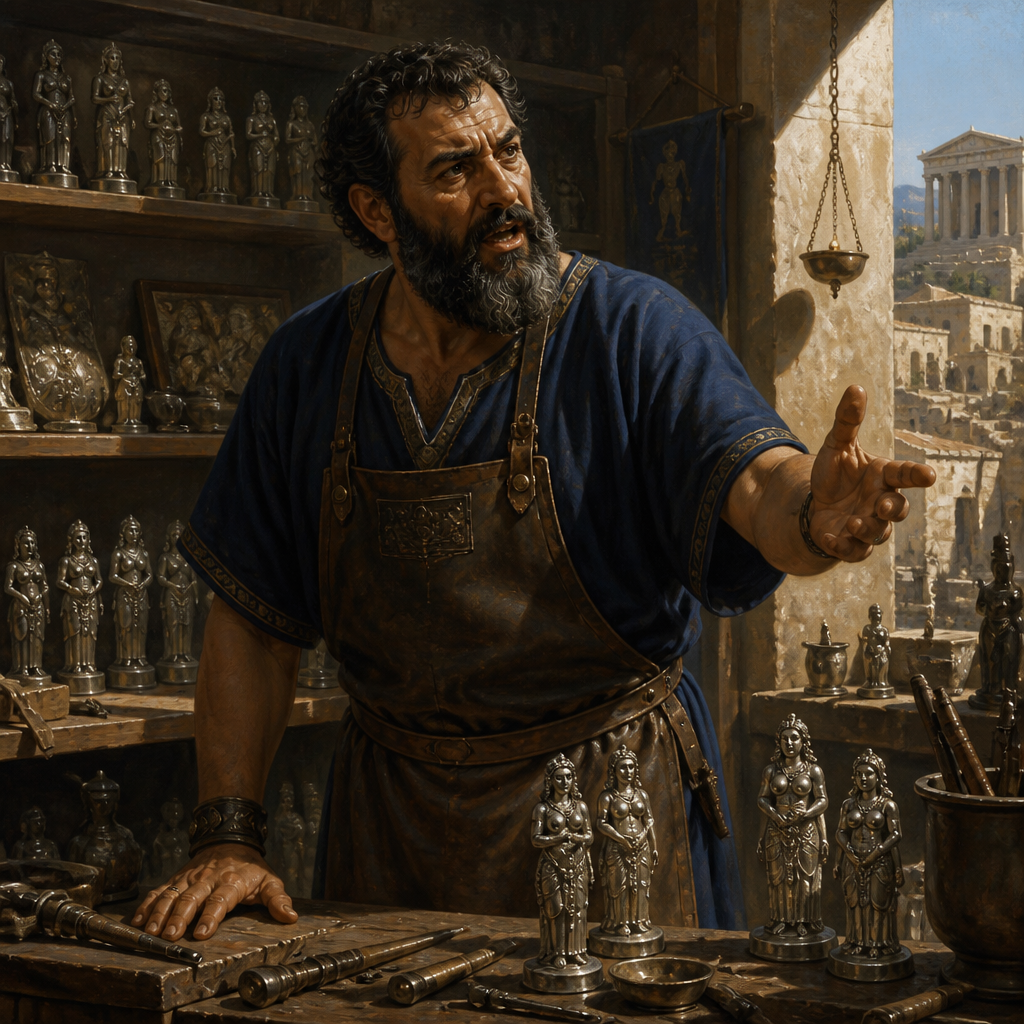
The primary biblical appearance of the Asiarchs occurs during the ‘Riot of the Silversmiths’ in Ephesus (Acts 19). Paul’s three-year ministry in Ephesus had been so successful that it threatened the local economy, specifically the trade of silver shrines dedicated to the goddess Artemis. Demetrius, a leader among the silversmiths, incited a mob that filled the great theater of Ephesus, shouting, 'Great is Artemis of the Ephesians!'
'And some of the Asiarchs also, who were friends of his, sent to him and were urging him not to venture into the theater.' (Acts 19:31, ESV)
This brief mention provides critical insight into Paul’s social standing. It indicates that despite his message challenging the traditional gods, he had cultivated relationships with the highest echelon of Ephesian society. These officials evidently respected Paul enough to prioritize his physical safety. They recognized that if Paul entered the theater, his presence would only inflame the mob further, likely leading to his death and possibly attracting unwanted Roman military intervention to quell the chaos.
Relationship to Other Biblical Figures
The relationship between the Asiarchs and the Apostle Paul is one of mutual respect rather than convert-mentor. The text identifies them as 'friends' (philoi) of Paul. This Greek term suggests a level of social or personal rapport that went beyond mere professional acquaintance. It implies that Paul’s ministry was not confined to the lower classes or the Jewish synagogue, but had reached the ears and interests of the Roman elite.
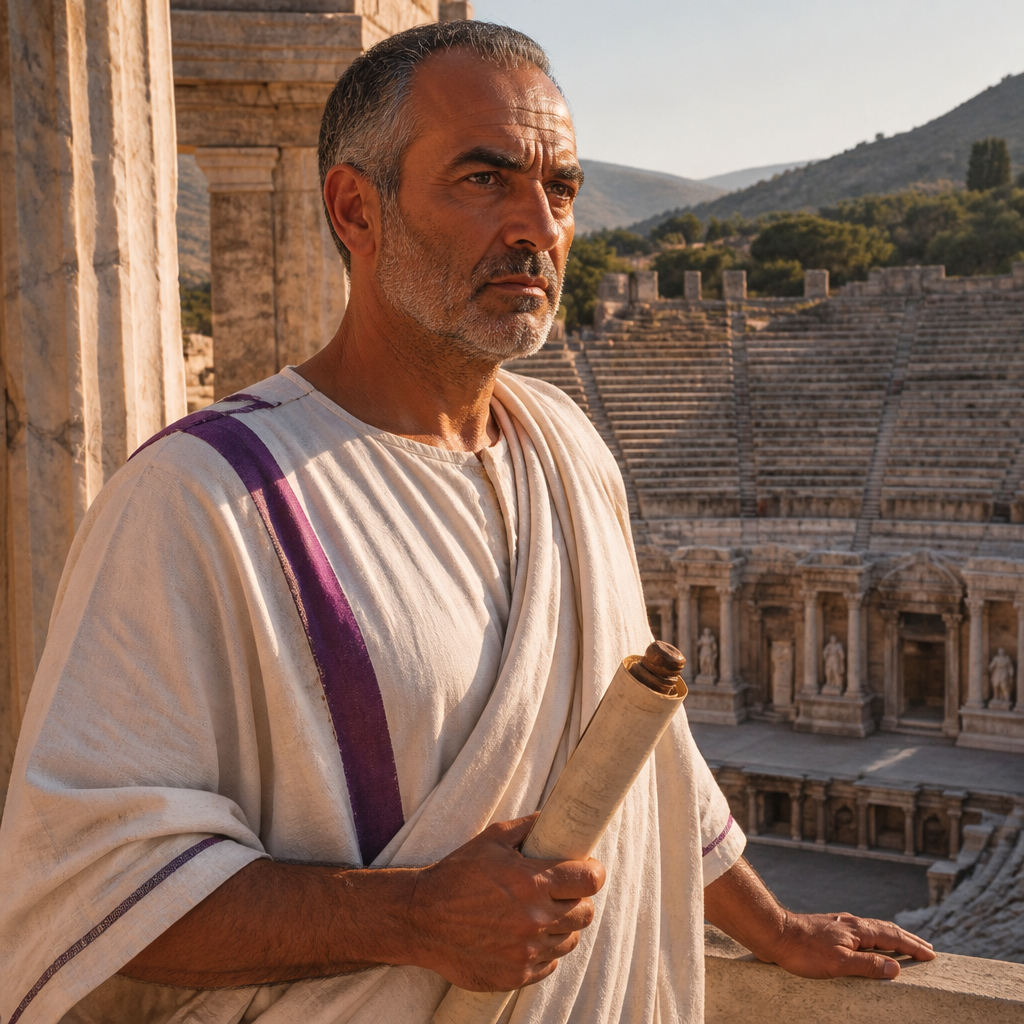
Furthermore, the Asiarchs’ actions align with the eventual intervention of the 'town clerk' (grammateus), another high-ranking official who finally dispersed the crowd. Together, these figures represent the 'ordered' world of the Roman administration, which, at this stage in history, often saw Christianity more as a philosophical movement or a Jewish sect rather than a subversive political threat. Their friendship provided a temporary shield for the early church in Ephesus, allowing it to become a pillar of the New Testament era.
Spiritual Significance
The inclusion of the Asiarchs in the book of Acts serves a specific rhetorical and theological purpose for the author, Luke. He consistently seeks to demonstrate that Christianity is not a religion of sedition or lawlessness. By showing that the Asiarchs—the very men responsible for maintaining the Roman imperial cult—were friendly toward Paul, Luke argues that the Gospel is compatible with public order and does not inherently necessitate violent conflict with the state.
Spiritually, the presence of the Asiarchs suggests that the Holy Spirit works across all social strata. It demonstrates that the influence of a godly life and reasoned discourse (as Paul engaged in at the Hall of Tyrannus) can win the favor of those in high positions, fulfilling the biblical mandate that believers should live in such a way as to gain the respect of outsiders (1 Thessalonians 4:12). While the Bible does not explicitly state that these Asiarchs became believers, their protective stance provided the necessary 'quiet and peaceable life' (1 Timothy 2:2) for the Ephesian church to flourish.
Spiritual Significance
The theological significance of the Asiarchs lies in their role as 'common grace' protectors of the gospel's progress. In Lukes's narrative of Acts, their friendship with Paul serves as an apology for the Christian faith, showing that it was not viewed as a criminal or subversive movement by the local Roman authorities. This historical detail underscores the idea that the message of Christ could permeate even the most unlikely circles, including the guardians of the pagan imperial cult.
Moreover, the Asiarchs represent the Providential oversight of God in the life of the early church. By placing Paul in the good graces of influential men, God ensured that the vital mission center of Ephesus remained viable. Their intervention during the riot prevented a premature martyrdom of the Apostle, allowing the Pauline mission to eventually reach Rome.
Frequently Asked Questions
Who were the Asiarchs in the Bible?
They were high-ranking provincial officials and wealthy elites in the Roman province of Asia who were responsible for organizing civic festivals and the imperial cult.
Why did the Asiarchs help the Apostle Paul?
The Bible describes them as 'friends' of Paul. They likely respected his character or intellect and wanted to prevent a violent escalation that would lead to his death and civil unrest.
Were the Asiarchs Christians?
The Bible does not explicitly say they were Christians. However, they were sympathetic enough to Paul's safety to warn him against entering the riotous crowd in the Ephesian theater.
What does the title 'Asiarch' mean?
It translates to 'Ruler of Asia,' a title held by a group of the wealthiest citizens who served as honorary leaders over provincial religious and political games.
Where are the Asiarchs mentioned in the Bible?
They are mentioned specifically in Acts 19:31 during the account of the silversmiths' riot in Ephesus.
Connected Figures
Paul the Apostle
They were his friends and protectors in Ephesus
Demetrius the Silversmith
The instigator of the riot the Asiarchs warned Paul about
The Town Clerk of Ephesus
A fellow high official who joined in calming the riot