Demetrius the Silversmith
An influential Ephesian metalworker who incited a city-wide riot against the Apostle Paul to protect the trade of Artemis shrines.
Demetrius the Silversmith was a prominent tradesman in the Roman provincial capital of Ephesus during the mid-1st century AD. As a leader among the city's craftsmen, he specialized in the production of silver shrines dedicated to the Greek goddess Artemis (Diana to the Romans). His primary historical and biblical significance arises from his role as the chief antagonist during the Apostle Paul’s transformative three-year ministry in Ephesus, as recorded in the Book of Acts.
Demetrius represents the intersection of Greco-Roman paganism, local economics, and the burgeoning Christian movement. He was not merely a lone artisan but a man of considerable social and economic influence, capable of mobilizing the artisan guilds and the general citizenry. His opposition to Paul was rooted less in theological disagreement and more in the practical concern that the spread of the Gospel was devaluing his trade and undermining the religious prestige of Ephesus, home to the Temple of Artemis—one of the Seven Wonders of the Ancient World.
Background and Family
While the biblical record does not provide a genealogy for Demetrius, his status as a silversmith in Ephesus places him within a specific and elite social stratum. In the 1st century AD, Ephesus was the primary commercial center of Asia Minor. The city’s identity was inextricably linked to the cult of Artemis. The Great Temple of Artemis (the Artemision) served not only as a place of worship but as a major treasury and a magnet for pilgrims from across the Mediterranean.
Demetrius likely headed a guild or a large workshop of artisans. These craftsmen created silver replicas of the temple or the multi-breasted cult statue of the goddess, which pilgrims purchased as votive offerings or souvenirs. The wealth and influence of Demetrius suggest he was a man of high standing among the dēmos (the common people) and possibly held some level of political connection with the town clerk and the provincial authorities.
Major Life Events
The central event in the life of Demetrius occurred during Paul’s third missionary journey (c. 52–55 AD). Paul had spent an extended period in Ephesus, teaching in the synagogue and later in the hall of Tyrannus. The success of Paul’s preaching led many to renounce the practice of magic and the worship of idols. As the demand for silver shrines plummeted, Demetrius recognized a direct threat to his livelihood.
The Instigation of the Riot
According to Acts 19:24-27, Demetrius gathered his fellow craftsmen and delivered a shrewd speech. He appealed to three distinct areas of concern: economic survival, professional pride, and religious devotion. He argued that Paul’s teaching—that "gods made with hands are not gods"—was not only leading to financial ruin for the artisans but was also threatening to bring the Great Temple of Artemis into disrepute.
The Ephesian Uproar
His rhetoric was highly effective. The craftsmen were filled with rage and began shouting, "Great is Artemis of the Ephesians!" The commotion quickly spread through the entire city. The mob seized Paul’s traveling companions, Gaius and Aristarchus, and rushed into the Great Theater of Ephesus, a massive structure capable of holding 25,000 people. For two hours, the crowd shouted in a state of confusion, most not even knowing why they had gathered, though the underlying catalyst remained the fear Demetrius had stoked.
The Resolution
The riot was eventually quelled not by Paul, but by the city’s town clerk. The clerk cautioned the crowd that Demetrius and his fellow craftsmen should bring their grievances to the legal courts (agoraioi) or the proconsuls if they had a formal complaint. He warned that the city was in danger of being charged by the Roman government with rioting, as there was no legal justification for the assembly. Following this speech, the assembly was dismissed, and Paul shortly thereafter departed for Macedonia.
Relationship to Other Biblical Figures
Demetrius stands as a primary antagonist to the Apostle Paul. Unlike the Jewish opposition Paul often faced in synagogues, Demetrius represents the secular and economic opposition of the Gentile world. His actions indirectly affected Gaius and Aristarchus, who were physically dragged into the theater. The narrative also highlights the contrast between Demetrius, who sought to protect a physical temple made of stone and silver, and Paul, who preached the "Way" and the spiritual temple of the living God.
Spiritual Significance
The account of Demetrius serves as a profound biblical illustration of the conflict between the Gospel and "the love of money" (1 Timothy 6:10). Demetrius’s primary motivation was the preservation of wealth, which he veiled in the language of religious piety. His opposition demonstrates that the Gospel is not merely a private belief system but a transformative force that impacts local economies, social structures, and cultural norms.
Furthermore, Demetrius exemplifies the power of social influence used for obstructive purposes. He leveraged the fear of change to incite a mob, demonstrating how truth can be obscured by collective emotion and economic self-interest. In the broader New Testament context, the failure of Demetrius to stop the growth of the Ephesian church—which later became a central hub for early Christianity—underscores the theme that no human institution or economic power can ultimately halt the spread of the Word of God.
Spiritual Significance
Demetrius the Silversmith is historically significant as the architect of one of the most violent recorded oppositions to the early Church's expansion into the Gentile world. His story highlights the inevitable friction between Christian monotheism and the Greco-Roman economy, which was heavily reliant on idol manufacture and temple tourism. Theologically, Demetrius serves as a foil to the true disciples, illustrating how worldly interests and the 'crafts of men' can blind individuals to the spiritual truth of the Gospel.
Frequently Asked Questions
Why was Demetrius angry with the Apostle Paul?
Demetrius was angry because Paul’s preaching against idolatry caused a decline in the sale of silver shrines for Artemis, threatening Demetrius's wealth and the economic stability of his craft.
What temple was Demetrius protecting?
He was protecting the Temple of Artemis in Ephesus, which was considered one of the Seven Wonders of the Ancient World.
Did Demetrius successfully stop Paul's ministry?
While the riot he caused forced Paul to leave Ephesus shortly after, the church in Ephesus continued to grow and became one of the most important centers of early Christianity.
How did the Roman authorities react to Demetrius's riot?
The town clerk warned the mob that they were at risk of being charged with insurrection by Rome, as there was no legal cause for the riot, and he directed Demetrius to use the proper courts.
What were the 'shrines' Demetrius made?
They were likely small silver models of the Temple of Artemis or the goddess herself, used by pilgrims as devotional objects or as offerings to be left at the temple.
Connected Figures
Paul the Apostle
Ideological opponent
Artemis
Goddess he served via trade
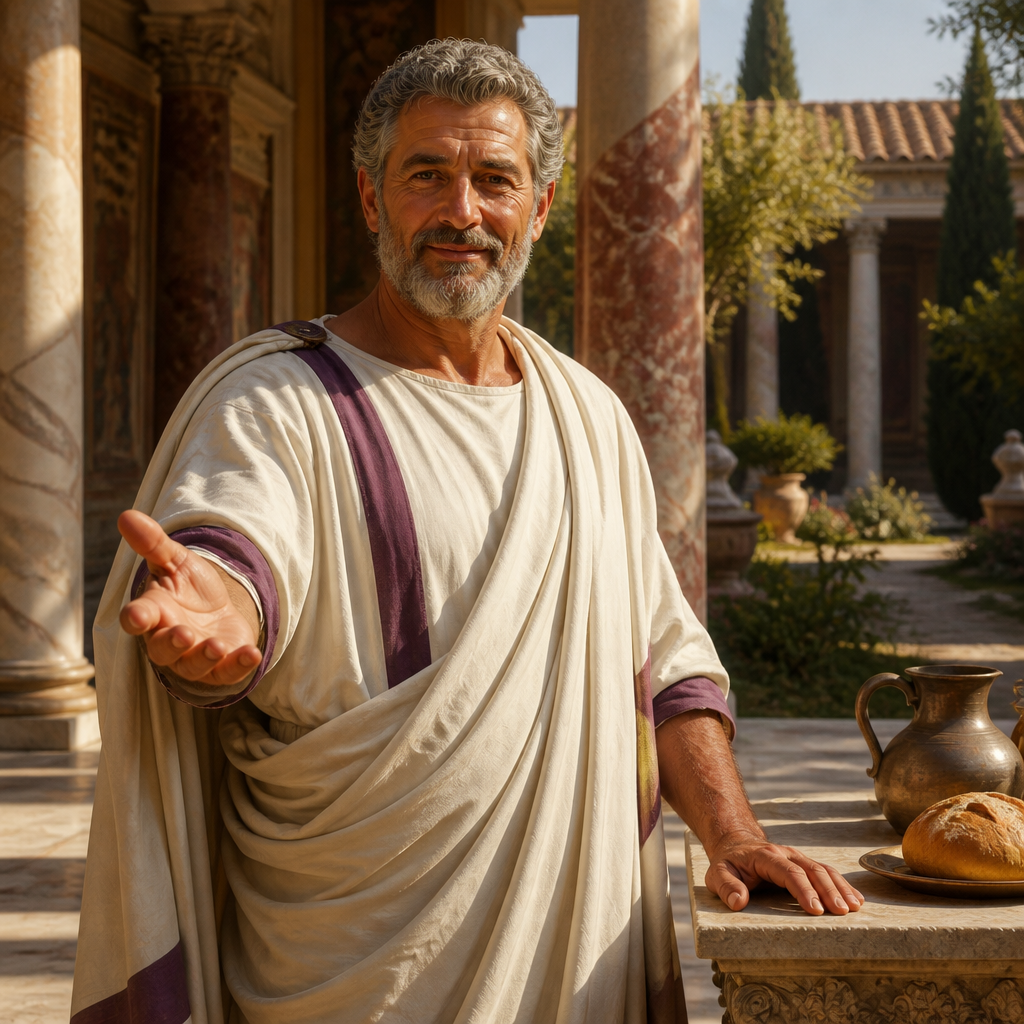
Gaius
Victim of the riot he incited
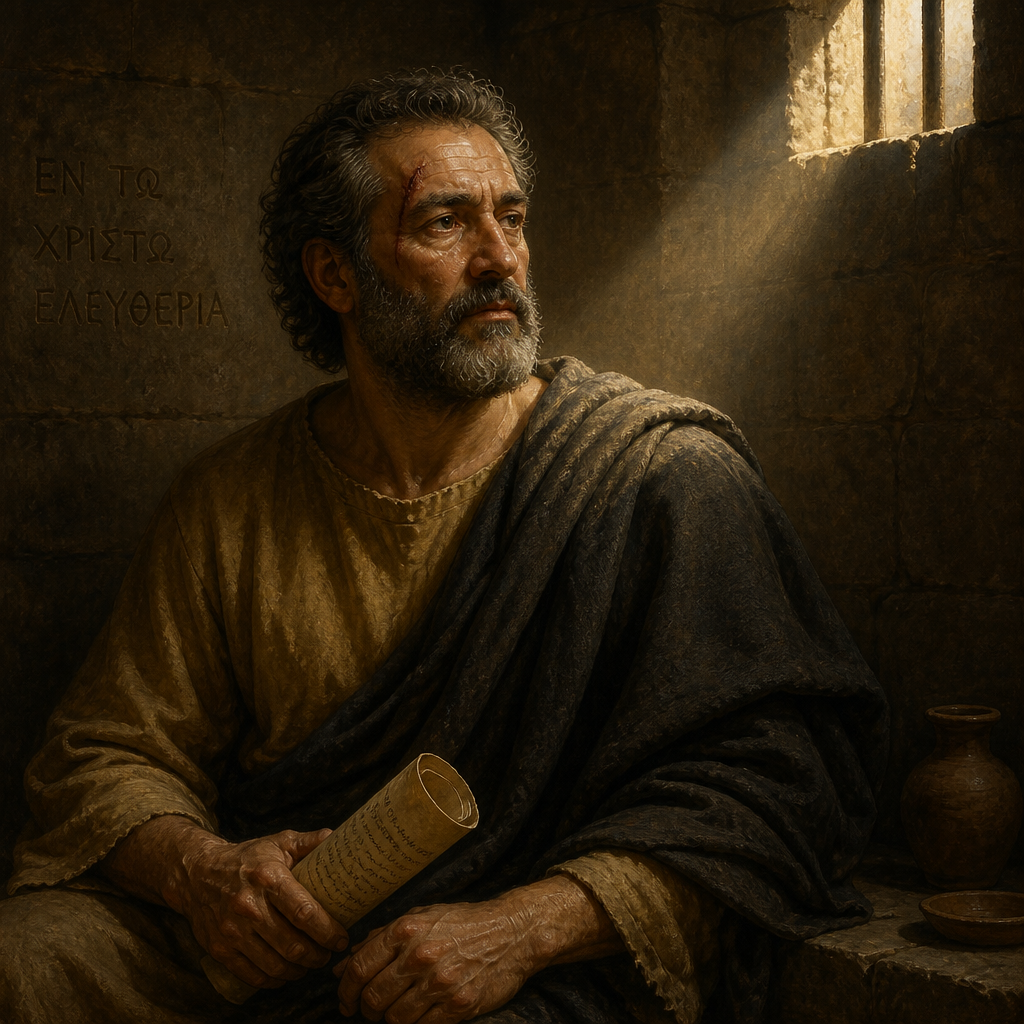
Aristarchus
Victim of the riot he incited

Alexander
Jewish figure who attempted to speak during the riot