The Town Clerk of Ephesus
The chief administrative official of Ephesus who peacefully quelled a violent riot against the Apostle Paul and protected the early Christian community from legal repercussions.
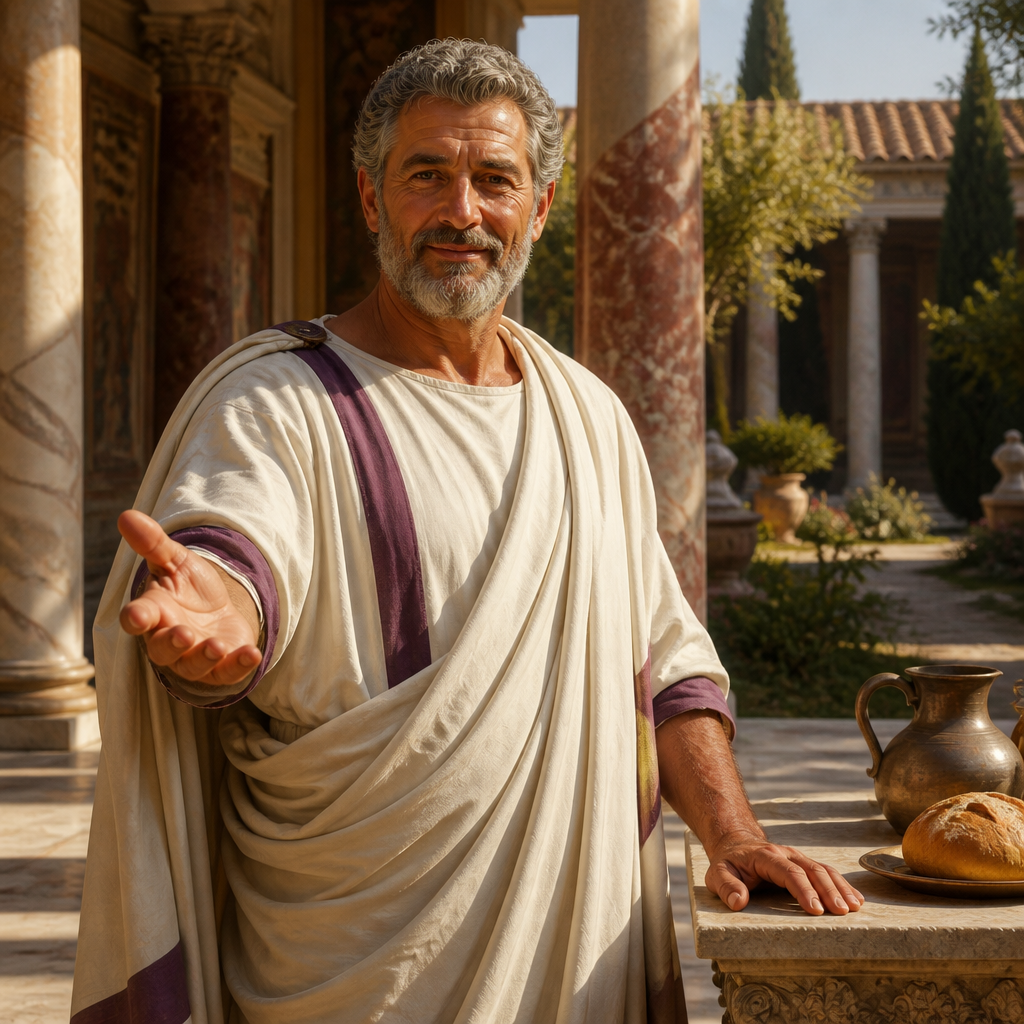
The Town Clerk of Ephesus, referred to in Greek as the 'grammateus,' was the highest-ranking local official in the city of Ephesus during the first century AD. While he remains unnamed in the New Testament, his role was critical in maintaining the order of the Roman province of Asia. He served as the primary liaison between the Ephesian municipal government and the Roman provincial administration, making him responsible for the legality of public assemblies.
He appears in the Book of Acts during a period of intense civil unrest. When the guild of silversmiths, led by Demetrius, instigated a massive riot in the Great Theater of Ephesus against the Apostle Paul’s ministry, the Town Clerk was the figure who successfully intervened. His sophisticated use of legal rhetoric and administrative authority prevented a potential massacre of the early Christians and shielded Paul’s companions, Gaius and Aristarchus, from mob violence.
Background and Context
To understand the Town Clerk, one must understand the prestige and volatile nature of Ephesus in the mid-first century. Ephesus was the seat of the Roman proconsul and housed the Temple of Artemis (Diana), one of the Seven Wonders of the Ancient World. The city’s economy and identity were inextricably linked to the cult of Artemis. The grammateus was not merely a 'clerk' in the modern sense of a secretary; he was the executive officer of the city assembly (ekklesia). He drafted decrees, managed the city's finances, and was held personally accountable by the Roman authorities for any breach of the 'Pax Romana' within the city gates.
The Ephesian Riot (Major Life Events)
The Town Clerk’s defining moment occurs in Acts 19:23–41. The Apostle Paul had been preaching in Ephesus for over two years, leading many to abandon the worship of idols. This shift caused a sharp decline in the sale of silver shrines of Artemis. Demetrius, a leading silversmith, incited a riot, filling the 25,000-seat theater with a shouting mob. For two hours, the crowd cried out, "Great is Artemis of the Ephesians!"
When the confusion reached its peak, the Town Clerk stepped forward. His speech was a masterpiece of ancient diplomacy and legal maneuvering. He began by affirming the city’s devotion to Artemis, thereby pacifying the religious fervor of the crowd. He then made a crucial legal observation: the men the mob had seized (Gaius and Aristarchus) were neither temple-robbers nor blasphemers of the goddess.
Crucially, he reminded the citizens of the Roman legal system. He noted that if Demetrius had a grievance, the courts were open and proconsuls were available. By invoking the threat of a charge of 'riot' (stasis) from the Roman government—a charge that could lead to the loss of Ephesus's status as a 'free city'—he successfully disbanded the assembly without further violence.
Relationship to Other Biblical Figures
While the Town Clerk is not presented as a convert to Christianity, his actions were providential for the Apostle Paul. Paul had intended to enter the theater to address the mob, but he was restrained by his disciples and friendly 'Asiarchs' (provincial officials). The Town Clerk essentially acted as a secular protector of Paul’s mission. His legal ruling that the Christians were not 'blasphemers' provided a significant precedent, allowing the church in Ephesus to continue growing under a degree of legal protection.
Spiritual Significance
In the narrative of Acts, the Town Clerk represents the 'common grace' of civil government. Luke, the author of Acts, often highlights how Roman law and fair-minded officials frequently served as a shield for the burgeoning church against localized religious persecution. The Clerk’s insistence on 'order' and 'legal process' over 'mob rule' reflects the biblical principle that 'God is not a God of confusion but of peace' (1 Corinthians 14:33).
His speech also serves as a historical testimony to the integrity of Paul’s ministry. Even a high-ranking pagan official testified that the Christians had not acted in a sacrilegious manner. For modern readers, the figure of the Town Clerk illustrates how God can use secular authorities and institutional structures to preserve His people and further the Gospel, even when those authorities do not personally share the faith.
Spiritual Significance
The Town Clerk of Ephesus is theologically significant as a demonstration of God's sovereignty over civil government. His intervention illustrates the 'apologetic' theme in the Book of Acts, showing that Christianity was not a subversive or criminal movement under Roman law. By legally vindicating Paul's companions, the Clerk established a historical record of the church as a peaceful entity, highlighting that the conflict arose from economic grievances of the idol-makers rather than law-breaking by the Christians.
Frequently Asked Questions
Was the Town Clerk of Ephesus a Christian?
There is no biblical or historical evidence that he converted. He acted as a neutral civil servant concerned with maintaining Roman order and preventing a riot.
What does the title 'Grammateus' mean in this context?
In a Greek city like Ephesus, it referred to the chief magistrate or administrative head of the city, responsible for public records and the legality of assemblies.
Why was the Town Clerk so afraid of the Roman government?
Ephesus enjoyed status as a 'free city.' If a riot occurred, Rome could interpret it as an insurrection, leading to the loss of self-governance or severe financial penalties.
What happened to Paul after the Town Clerk's speech?
After the uproar subsided, Paul encouraged the disciples and then departed for Macedonia, having been protected from the immediate threat.
Connected Figures
Apostle Paul
Missionary whose safety was secured by the Clerk's intervention

Demetrius
Opponent who incited the riot the Clerk quelled
Gaius
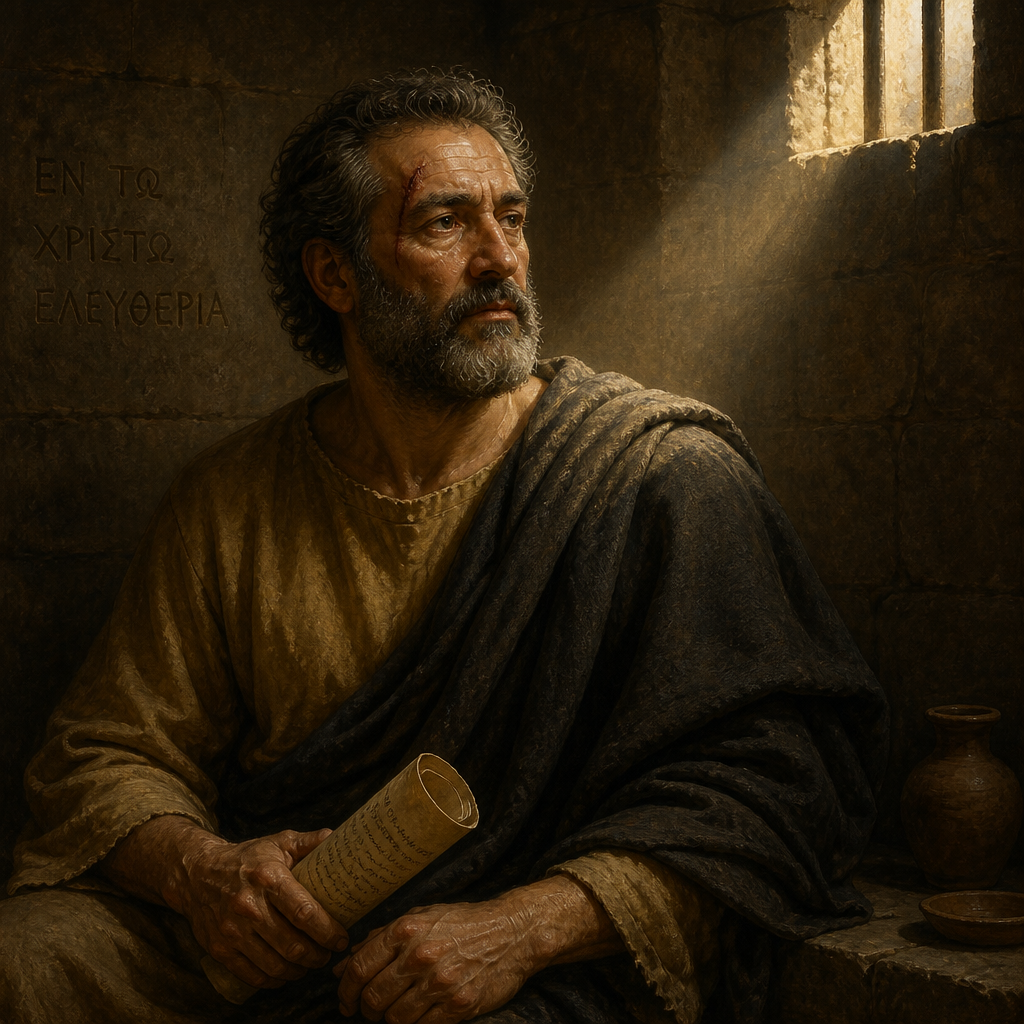
Paul's companion protected by the Clerk's ruling
Aristarchus
Paul's companion seized by the mob and released