The Church at Corinth
A diverse and influential New Testament Christian community established by the Apostle Paul in the cosmopolitan capital of Roman Achaia.
“To the church of God that is in Corinth, to those sanctified in Christ Jesus, called to be saints together with all those who in every place call upon the name of our Lord Jesus Christ, both their Lord and ours” — 1 Corinthians 1:2
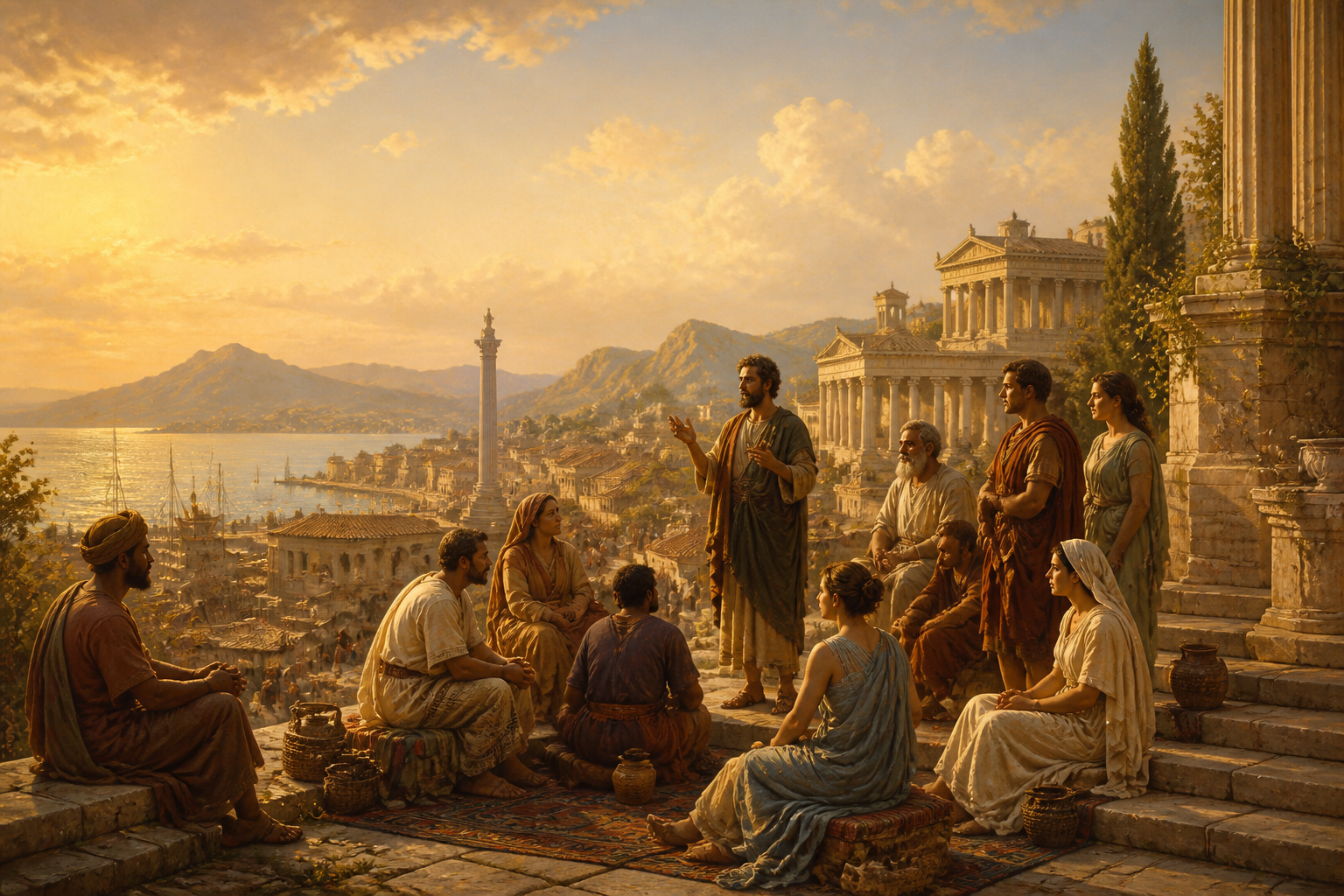
The church at Corinth was one of the most prominent and tumultuous Christian communities of the apostolic age. Located on the Isthmus of Corinth, the city was a strategic commercial hub that connected the Ionian and Aegean seas, serving as the administrative capital of the Roman province of Achaia. Established by the Apostle Paul during his second missionary journey around 50–52 AD, the congregation was characterized by its extreme diversity, drawing members from the Roman aristocracy, the Jewish diaspora, and the Greek working class. This social melting pot contributed to both the church's vibrancy and its internal conflicts, which are documented extensively in the New Testament epistles.
Historically, Corinth was known for its wealth, its hosting of the Isthmian Games, and its pluralistic religious landscape, including the famous Temple of Aphrodite. The Christian community there emerged in a culture of intellectual competition and moral permissiveness, which often filtered into the life of the church. Paul remained in the city for eighteen months, working as a tentmaker alongside Aquila and Priscilla, and teaching at the house of Titius Justus after encountering opposition in the local synagogue. His letters to the Corinthians address a wide array of pastoral issues, including factionalism, litigation, sexual ethics, spiritual gifts, and the physical resurrection of the dead.
As a primary case study in early ecclesiology, the church at Corinth illustrates the practical challenges of translating the Gospel into a Hellenistic urban setting. The individuals associated with this community—ranging from the synagogue leader Crispus to the city treasurer Erastus—demonstrate that the early Christian movement was not merely a religion of the marginalized, but one that penetrated the highest levels of Roman municipal administration. The legacy of the Corinthian church remains central to Christian theology, providing the primary biblical basis for the doctrine of 'the body of Christ' and the systematic regulation of communal worship.
The group
The Church at Corinth
Achaicus
Member of the Corinthian delegation who visited Paul in Ephesus
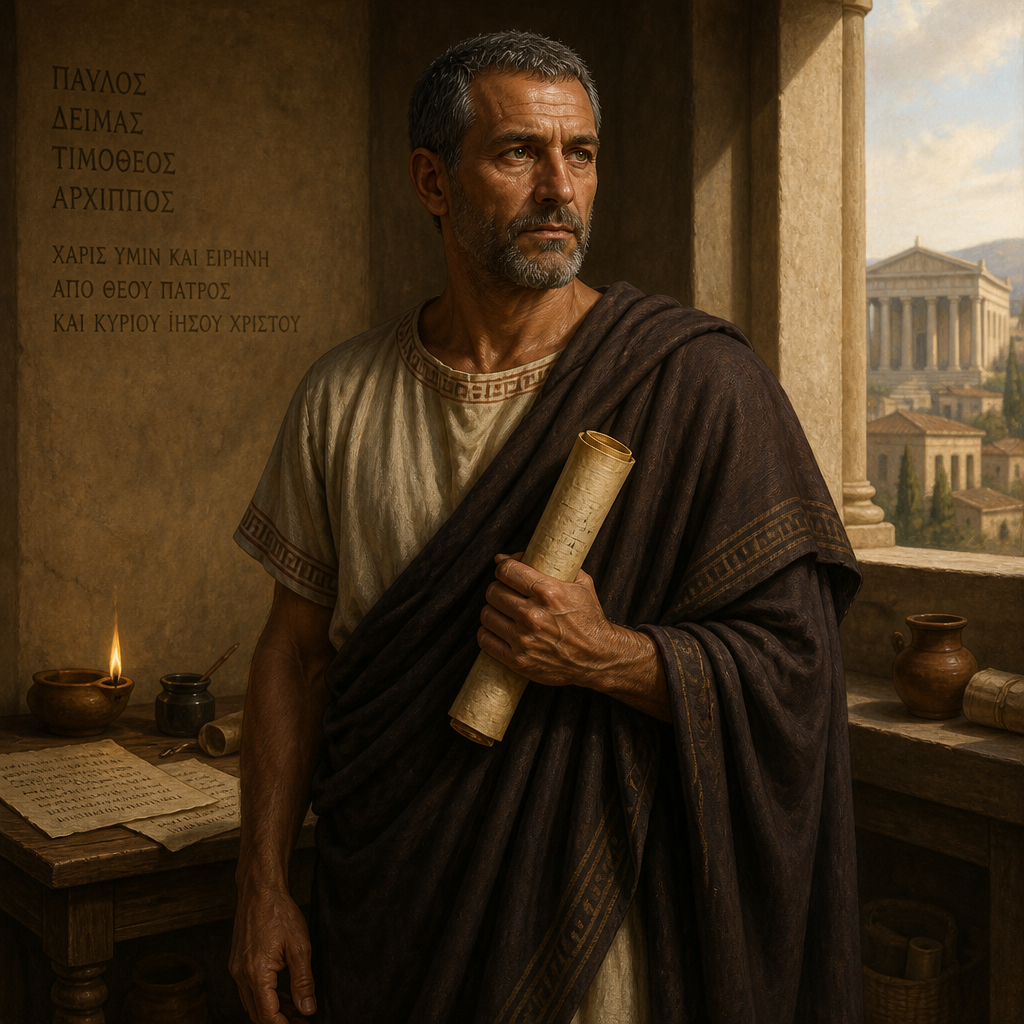
A 1st-century Christian leader from Corinth who, along with Stephanas and Fortunatus, represented the Corinthian church to the Apostle Paul in Ephesus.
Chloe
Christian woman whose household reported the divisions in the Corinthian church to the Apostle Paul
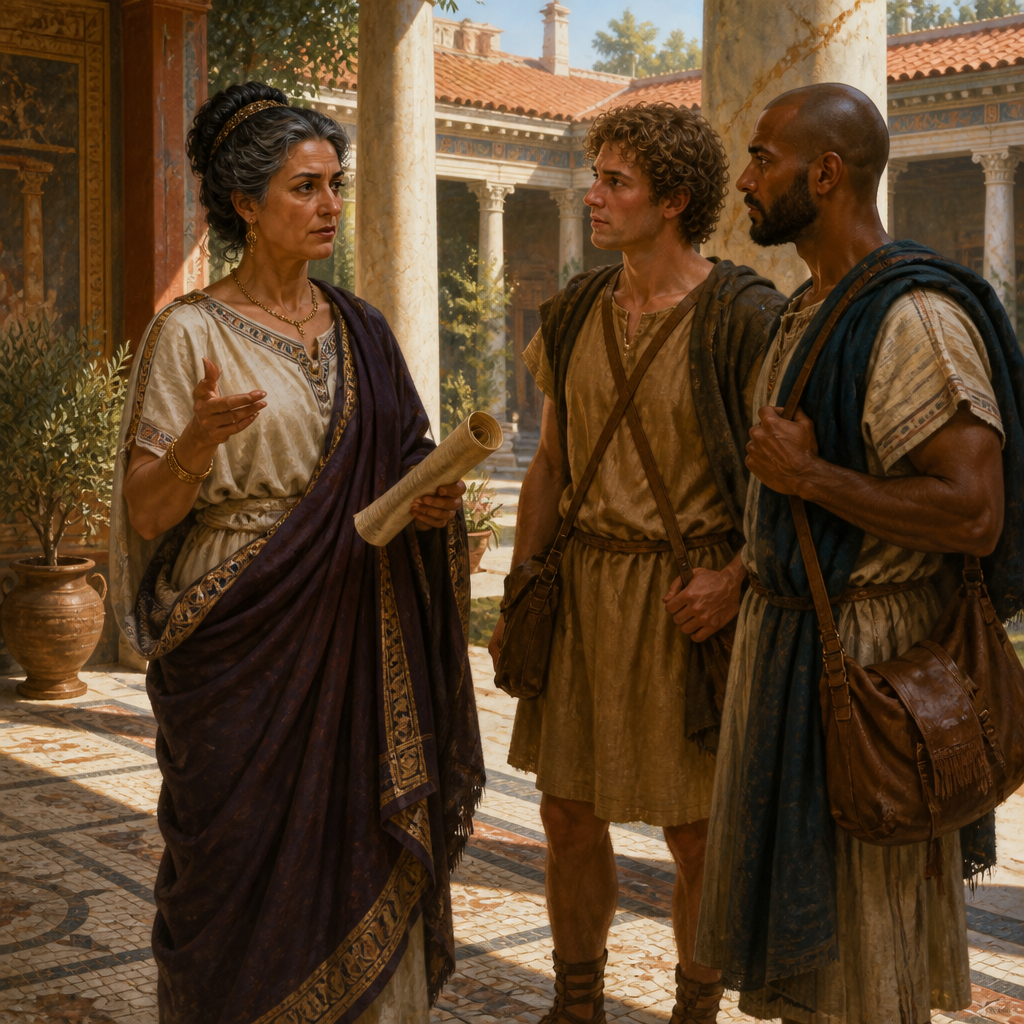
A prominent Christian woman in the 1st century AD whose household reported the internal divisions of the Corinthian church to the Apostle Paul.
Crispus
Synagogue ruler in Corinth who converted to Christianity
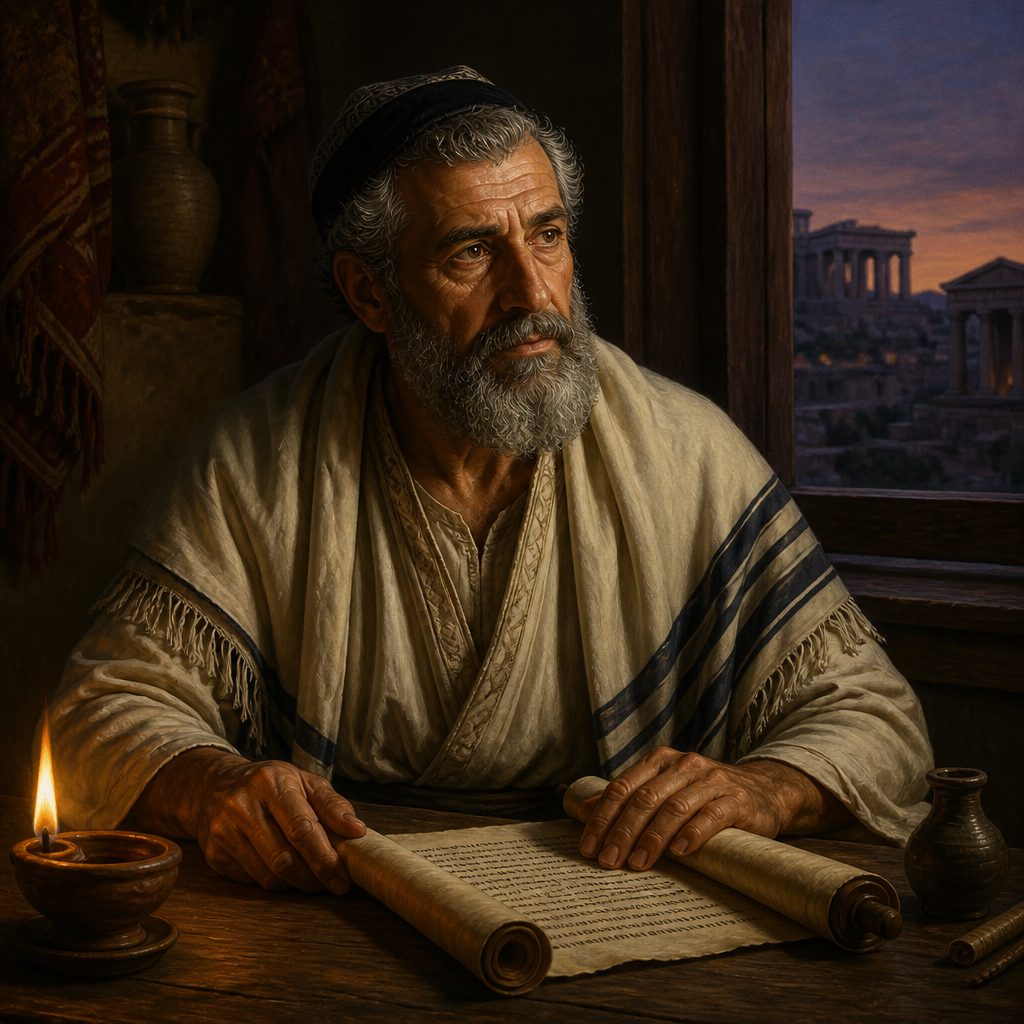
Crispus was a prominent Jewish leader in Corinth who, as the ruler of the synagogue, converted to Christianity under the ministry of the Apostle Paul.

Erastus
City treasurer of Corinth and ministry companion of the Apostle Paul
High-ranking civic official in Corinth and a Christian convert who served as a prominent supporter of the Apostle Paul's ministry.
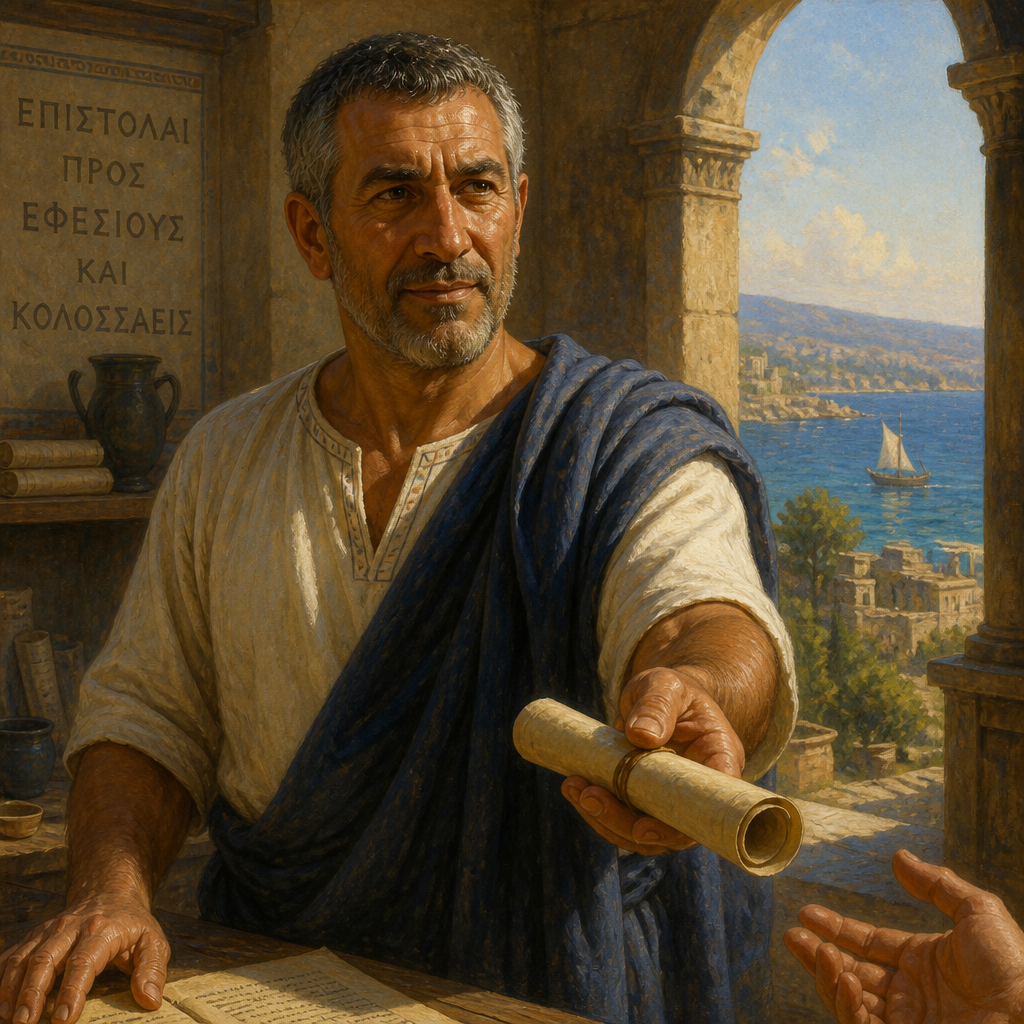
Fortunatus
Member of the Corinthian delegation who visited Paul at Ephesus
A member of the church at Corinth who accompanied Stephanas and Achaicus to visit the Apostle Paul in Ephesus, carrying news and support.
Gaius of Corinth
Hospitality to the Apostle Paul and the entire Corinthian church
A prominent early Christian in Corinth known for his hospitality to the Apostle Paul and the entire local church congregation.

The Man Who Had His Father's Wife
Man mentioned by Paul for an incestuous relationship with his stepmother
A member of the early Christian church in Corinth whose incestuous relationship with his stepmother prompted Paul's instruction on church discipline.
Quartus
Christian brother in Corinth who sent greetings to the Roman church in Paul's epistle
A Christian brother in the first-century Corinthian church who joined the Apostle Paul in sending greetings to the believers in Rome.
Sosthenes
Synagogue leader in Corinth who was beaten by a crowd and later became Paul's co-author
Sosthenes was a leader of the synagogue in Corinth who experienced a public beating and later became a trusted colleague and co-author of the Apostle Paul.
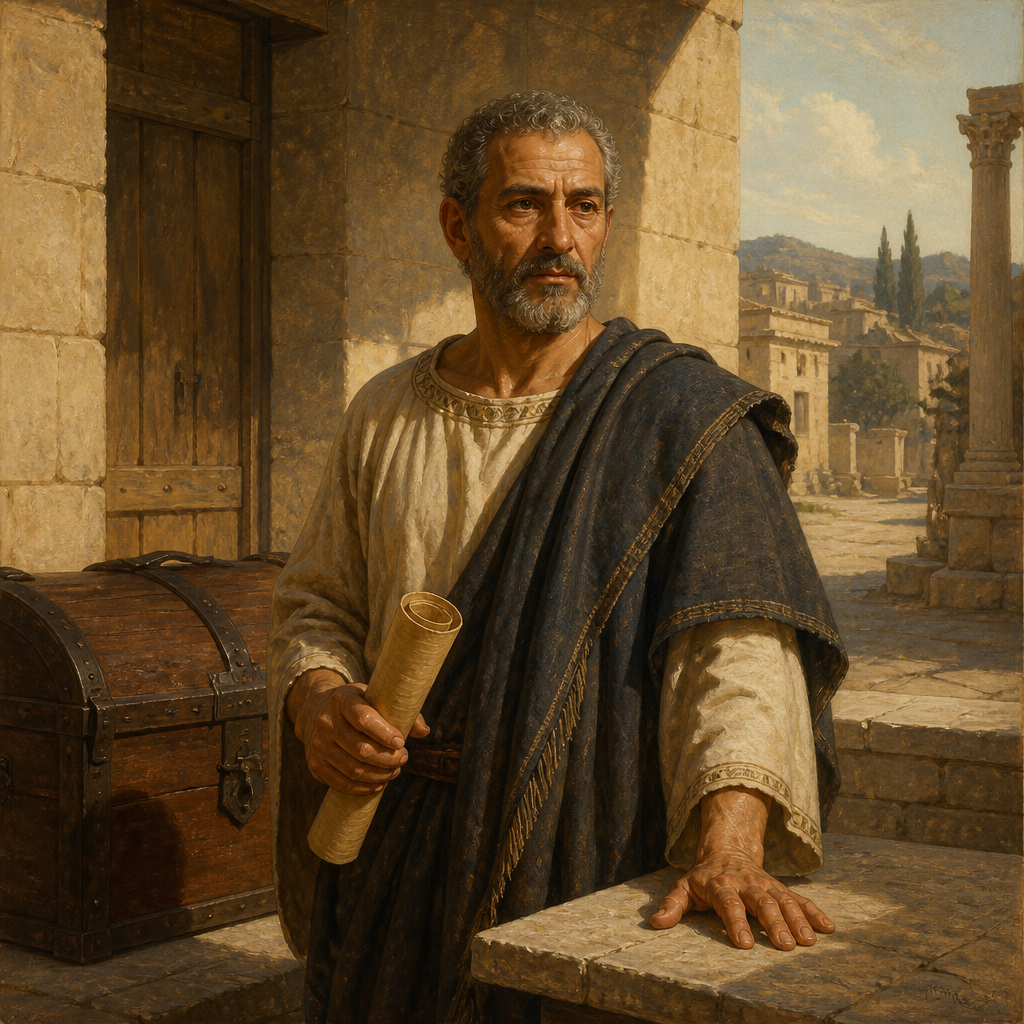
Stephanas
First convert in Achaia who ministered to the Apostle Paul and led the Corinthian church
A prominent Greek convert and the first believer in the province of Achaia who served as an ambassador for the Corinthian church to the Apostle Paul.
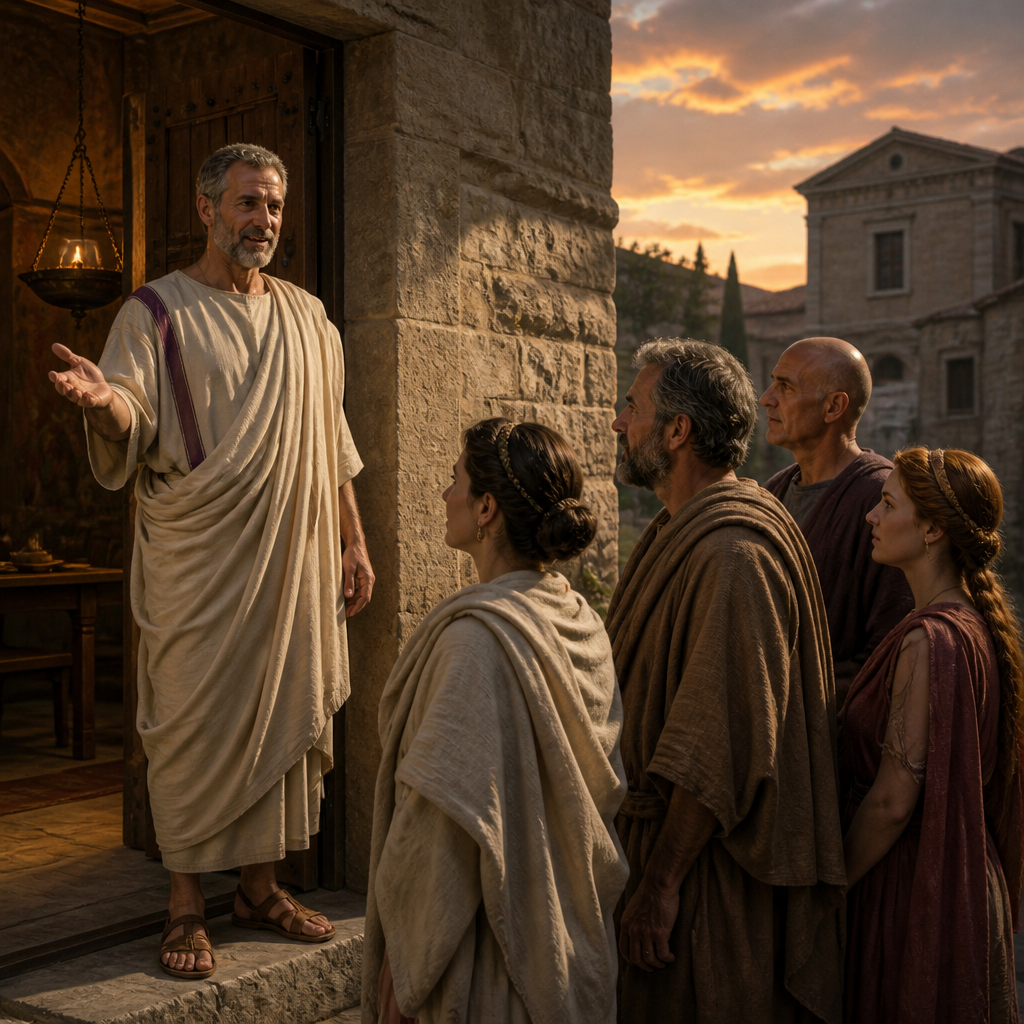
Titius Justus
Roman God-fearer who opened his home to the Apostle Paul in Corinth
A Roman God-fearer in Corinth who hosted the Apostle Paul and offered his house as a meeting place for the early church after Paul was rejected by the local synagogue.