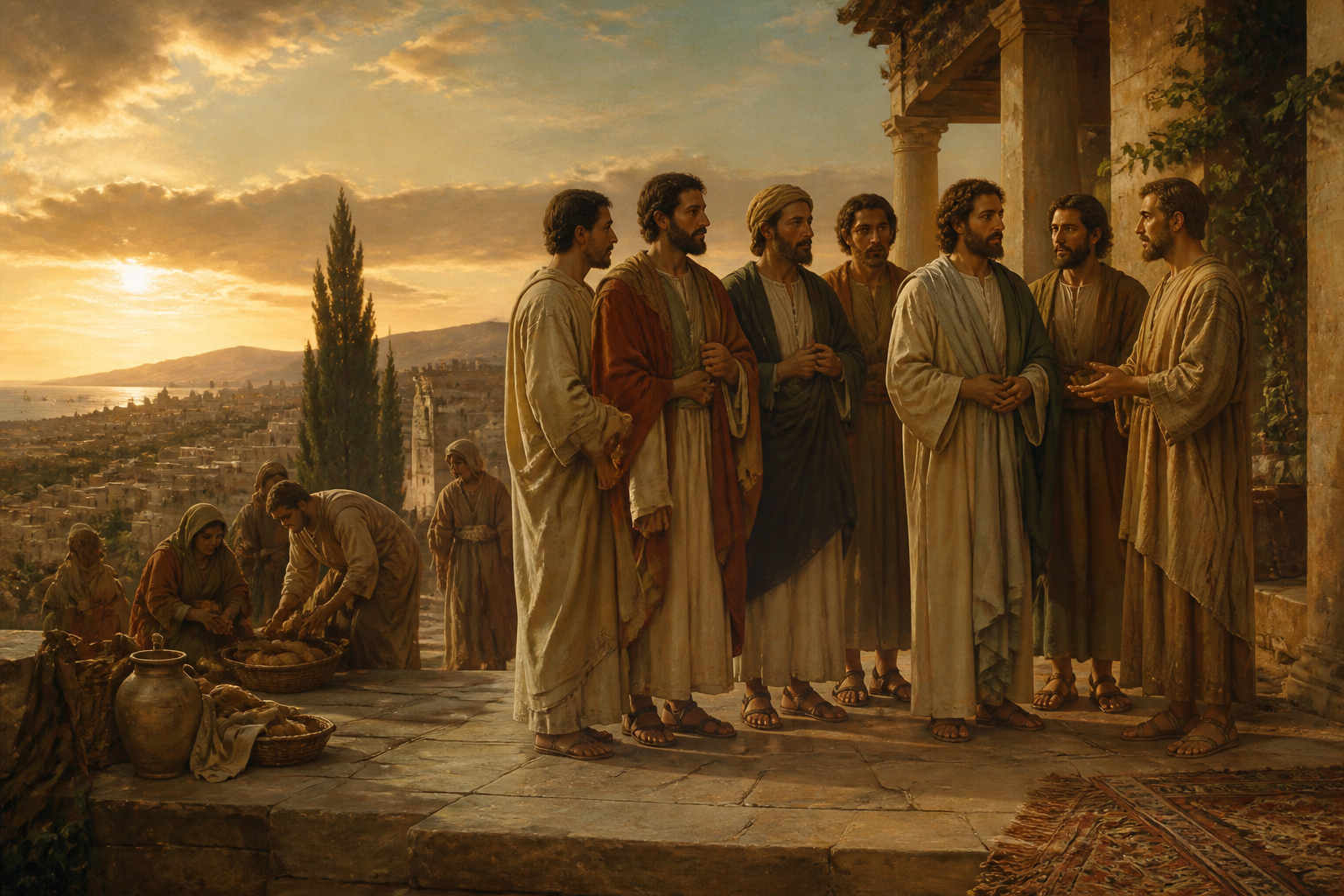
The Seven Chosen to Serve
A group of seven Greek-speaking men appointed by the Apostles to oversee the distribution of food and promote unity in the early church.
“Therefore, brothers, pick out from among you seven men of good repute, full of the Spirit and of wisdom, whom we will appoint to this duty. But we will devote ourselves to prayer and to the ministry of the word.” — Acts 6:3-4
The Seven Chosen to Serve, often referred to in church tradition as the Seven Deacons, represent the first recorded instance of structural specialization and delegated ministry within the nascent Christian community in Jerusalem. Following the Pentecost event, the church experienced rapid growth that led to administrative challenges. Specifically, the Greek-speaking Jewish converts (Hellenists) complained that their widows were being overlooked in the daily distribution of food in favor of the Hebrew-speaking widows. This ethnic and linguistic tension threatened the unity of the early movement, prompting the Twelve Apostles to intervene by creating a dedicated office for administrative service.
The Apostles requested that the congregation select seven men of good reputation, full of the Holy Spirit and wisdom, to oversee this practical ministry. This delegation allowed the Apostles to remain focused on prayer and the ministry of the word. The names of the seven chosen—Stephen, Philip, Prochorus, Nicanor, Timon, Parmenas, and Nicolaus—are all Greek, suggesting that the community intentionally selected representatives from the complaining Hellenistic party to ensure equity and restore trust within the fellowship. This act of democratic selection and the subsequent laying on of hands by the Apostles established a precedent for institutional roles within the church.
While their initial mandate was the 'serving of tables,' the narrative in the Book of Acts demonstrates that these men were far more than mere administrators. The two most prominent members, Stephen and Philip, emerged as powerful evangelists and wonder-workers, significantly influencing the spread of Christianity beyond Jerusalem. Stephen became the first Christian martyr, and Philip was instrumental in bringing the gospel to Samaria and an Ethiopian official. Thus, the Seven Chosen to Serve reflect a pivotal moment where the church transitioned from a local Hebrew-centric sect into an organized, multicultural body capable of organized expansion and internal conflict resolution.
The group
The Seven Chosen to Serve
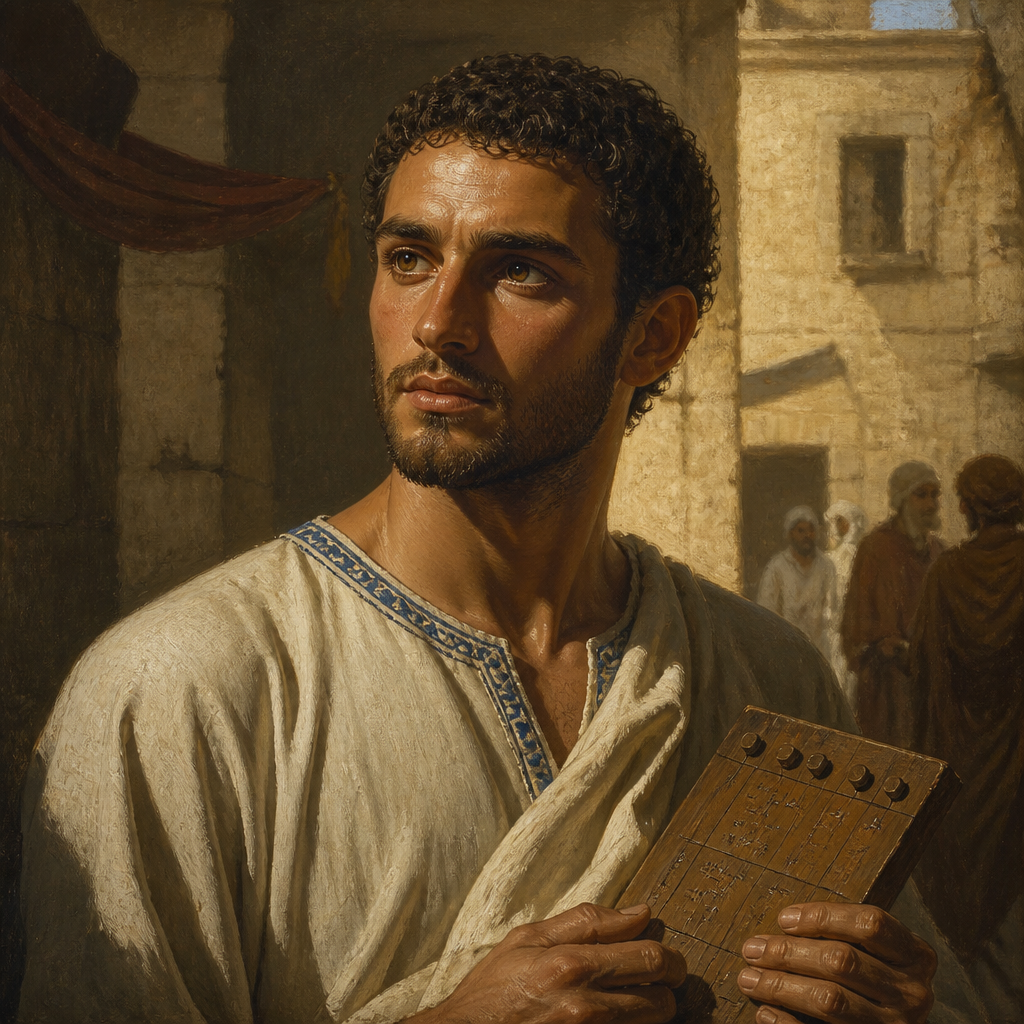
Nicanor
Member of the Seven Chosen to serve the Hellenistic widows in the early Church
Nicanor was one of the seven men chosen by the early Church in Jerusalem to oversee the distribution of food and ensure equity between Hebrew and Hellenistic widows.
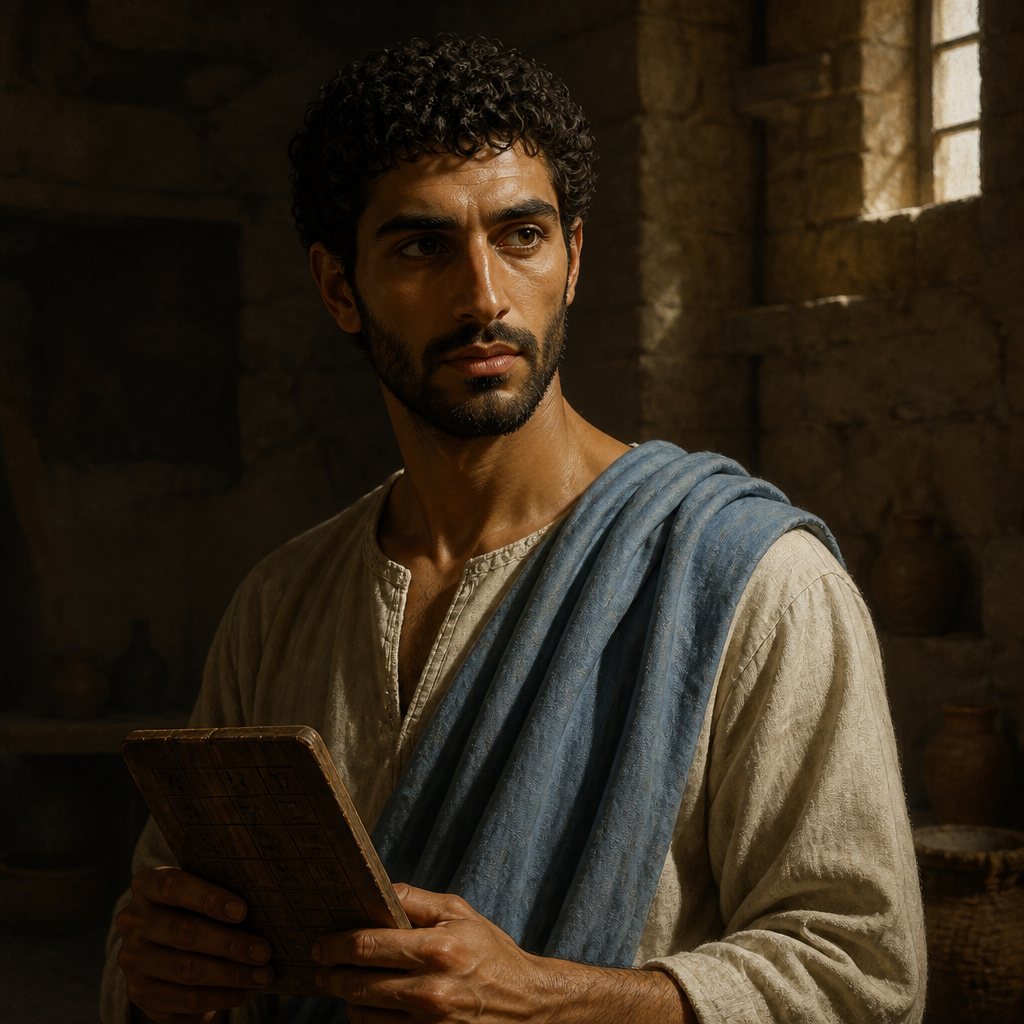
Nicolaus
Proselyte from Antioch chosen as one of the Seven to oversee the distribution of food
Nicolaus was a proselyte from Antioch and one of the seven men chosen by the early Church in Jerusalem to oversee the distribution of food and resources.
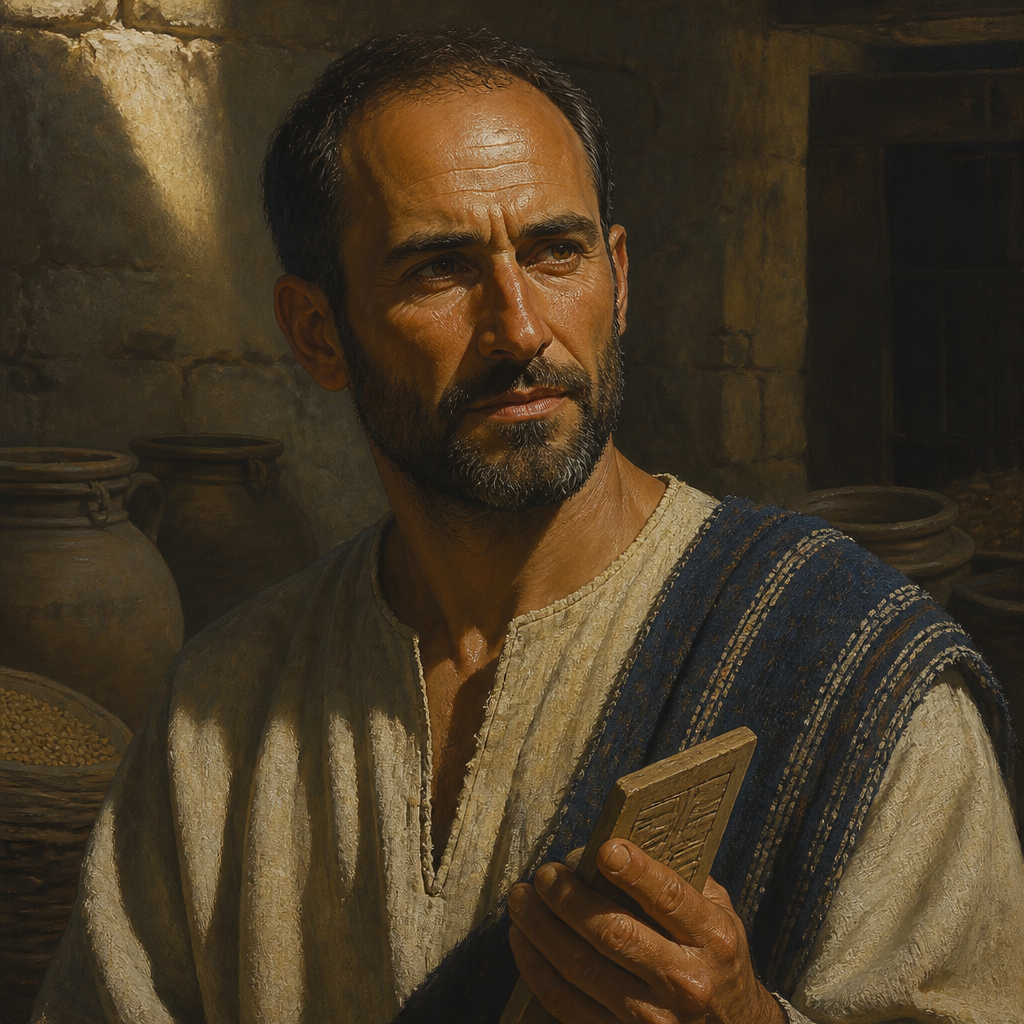
Parmenas
Member of the Seven chosen to serve the Hellenistic widows in Jerusalem
One of the seven men chosen by the early Church in Jerusalem to oversee the distribution of food and ensure the fair treatment of Hellenistic widows.
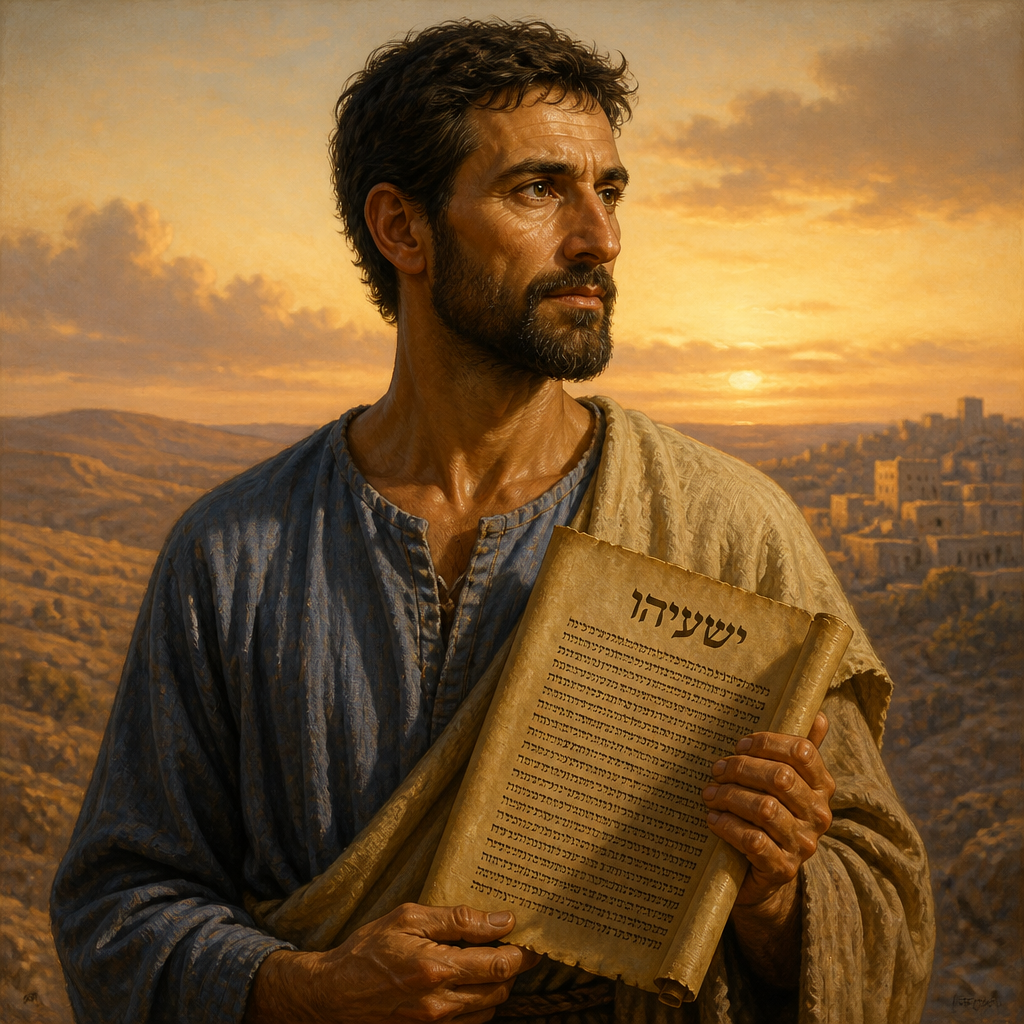
Philip the Evangelist
Evangelist who baptized the Ethiopian eunuch and preached in Samaria
A prominent leader among the seven chosen to serve the early church in Jerusalem and a pioneering missionary who first brought the gospel to Samaria and an Ethiopian official.
Prochorus
Member of the seven men chosen by the Apostles to serve the Hellenistic widows in the early Jerusalem church
One of the seven men chosen by the early Church in Jerusalem to oversee the distribution of food and ensure equity between Hellenistic and Hebrew believers.
Stephen
Member of the Seven and the first Christian martyr
The first Christian martyr and one of the seven deacons appointed to serve the early Church in Jerusalem.
Timon
Member of the Seven Chosen to Serve who managed the distribution of food to Hellenistic widows
Timon was one of the seven men chosen by the early Church in Jerusalem to oversee the daily distribution of food and ensure equitable care for Hellenistic widows.