Nicolaus
Nicolaus was a proselyte from Antioch and one of the seven men chosen by the early Church in Jerusalem to oversee the distribution of food and resources.
Nicolaus (also spelled Nicholas) was a significant figure in the earliest days of the Christian Church in Jerusalem. He is introduced in the Book of Acts as one of the seven men selected by the congregation to manage the daily distribution of food to widows, a role often seen as the precursor to the office of the deacon. His selection was a response to internal tensions within the nascent community, specifically between Hellenistic (Greek-speaking) Jews and Hebraic (Aramaic-speaking) Jews.
What distinguishes Nicolaus from his colleagues in this list is his background as a 'proselyte from Antioch.' This indicates that he was not born Jewish but had converted to Judaism before later embracing the Way of Christ. His inclusion among the Seven highlights the ethnic and cultural diversity of the early apostolic community and the Church's commitment to inclusive leadership and social justice during its first years of expansion.
Background and Family
Nicolaus is the only member of the Seven (often called the 'Seven Deacons') explicitly identified by his place of origin and his religious history. He was from Antioch, the capital of the Roman province of Syria and one of the most influential cities in the ancient world. At the time, Antioch was a melting pot of Greek, Roman, and Syrian cultures, known for its intellectual vibrancy and significant Jewish population.
Scripture describes Nicolaus as a "proselyte" (proselutos). In the context of the first century, this term referred to a Gentile who had undergone formal conversion to Judaism, which for a male included circumcision and the commitment to follow the Mosaic Law. This background suggests that Nicolaus was a man of deep spiritual seeking and conviction. Having already transitioned from Paganism to Judaism, his subsequent transition to Christianity represented a second major religious shift. While the Bible does not record his family lineage or his specific occupation, his status as a proselyte suggests he was well-educated and capable of navigating different cultural landscapes, a trait that would have been invaluable to the Jerusalem church.
Major Life Events
The most critical event recorded in Nicolaus’s life occurs in Acts 6. The early Church was experiencing a period of rapid growth following the events of Pentecost. However, this growth brought logistical challenges. The Greek-speaking Jewish believers (Hellenists) complained that their widows were being neglected in the daily distribution of food in favor of the Aramaic-speaking (Hebraic) members.
To resolve this dispute, the Twelve Apostles summoned the community and instructed them to choose seven men of good reputation, full of the Holy Spirit and wisdom, to oversee this "business." Nicolaus was among the seven chosen. The community presented these men to the apostles, who prayed and laid their hands on them, a ritual of commissioning that marked the beginning of their formal service.
"And the saying pleased the whole multitude. And they chose Stephen, a man full of faith and the Holy Spirit, and Philip, Prochorus, Nicanor, Timon, Parmenas, and Nicolaus, a proselyte from Antioch..." (Acts 6:5, NKJV)
This appointment was not merely about food logistics; it was a strategic move to preserve the unity of the Church by ensuring that the Hellenistic minority felt represented and cared for by leaders who understood their language and culture.
Relationship to Other Biblical Figures
Nicolaus worked in close proximity to the Twelve Apostles, including Peter and John, acting as an administrative extension of their ministry. By taking over the "serving of tables," Nicolaus and his six colleagues allowed the apostles to remain focused on prayer and the ministry of the word (Acts 6:4).
He is most frequently associated with Stephen and Philip. Stephen went on to become the first Christian martyr, and Philip became a prominent evangelist. While Nicolaus's later ministry is not detailed in the Lucan narrative, his association with such figures reinforces his standing as a man of high spiritual caliber. His connection to Antioch is also noteworthy because that city later became the primary hub for the mission to the Gentiles, where disciples were first called "Christians" (Acts 11:26). It is possible that Nicolaus played a role in the eventual establishment of the church in his home city.
Spiritual Significance
The inclusion of Nicolaus in the Seven is theologically significant for several reasons. First, he represents the bridge between Judaism and the Gentile world. As a proselyte, he lived in the tension between various identities, making him a perfect choice to resolve ethnic disputes within the church.
Second, his role underscores the biblical principle that service—diakonia—is a spiritual calling. Though his work involved administrative and physical tasks (managing food), the requirements for his office were strictly spiritual: character, the indwelling of the Spirit, and wisdom. This teaches that in the kingdom of God, there is no secular-sacred divide in service; caring for the poor is as much a spiritual act as preaching. Finally, Nicolaus stands as a testament to the early Church's radical inclusivity, elevating a former outsider (a proselyte) to a position of authority and trust at the very center of its operations.
Spiritual Significance
Nicolaus's significance lies in his role as a unifying figure during the Church's first internal crisis. By being a proselyte from Antioch, he embodied the transition of the Gospel from a purely Hebraic context toward a global, multi-ethnic audience. His appointment demonstrated the early Church's commitment to institutional integrity and social welfare as essential components of the Christian life.
Furthermore, Nicolaus serves as a historical marker for the development of church offices. His commissioning through the laying on of hands set a precedent for ecclesiastical ordination that continues in many Christian traditions today. His life proves that being an 'outsider' by birth was no barrier to attaining the highest levels of spiritual leadership in the body of Christ.
Frequently Asked Questions
Was Nicolaus one of the twelve apostles?
No, he was not one of the Twelve. He was one of 'the Seven' chosen by the congregation to assist the apostles by managing the distribution of resources.
What does the name Nicolaus mean?
The Greek name Nicolaus (Νικόλαος) means 'victory of the people' or 'conqueror of the people.'
Why is it important that he was a 'proselyte'?
It means he was a Gentile convert to Judaism. This shows that the early Christian leadership included people from diverse religious and cultural backgrounds, not just those born into the Jewish faith.
From which city did Nicolaus come?
He was from Antioch, a major city in the Roman province of Syria, which later became a central hub for the early Christian movement.
What happened to Nicolaus after the events of Acts 6?
The Bible does not provide further details on his life. While some later traditions attempt to link him to other groups, the biblical narrative concludes after his appointment to the Seven.
Connected Figures
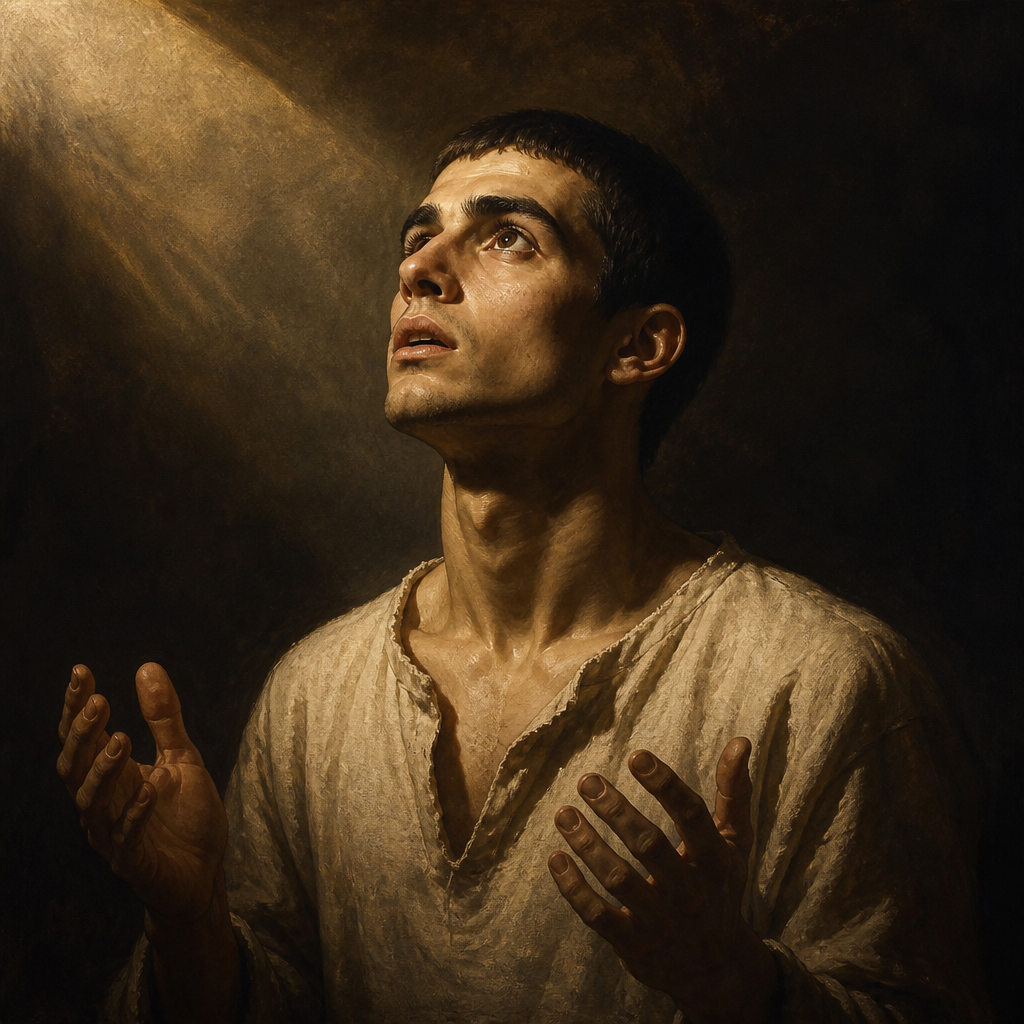
Stephen
Colleague among the Seven
Philip the Evangelist
Colleague among the Seven
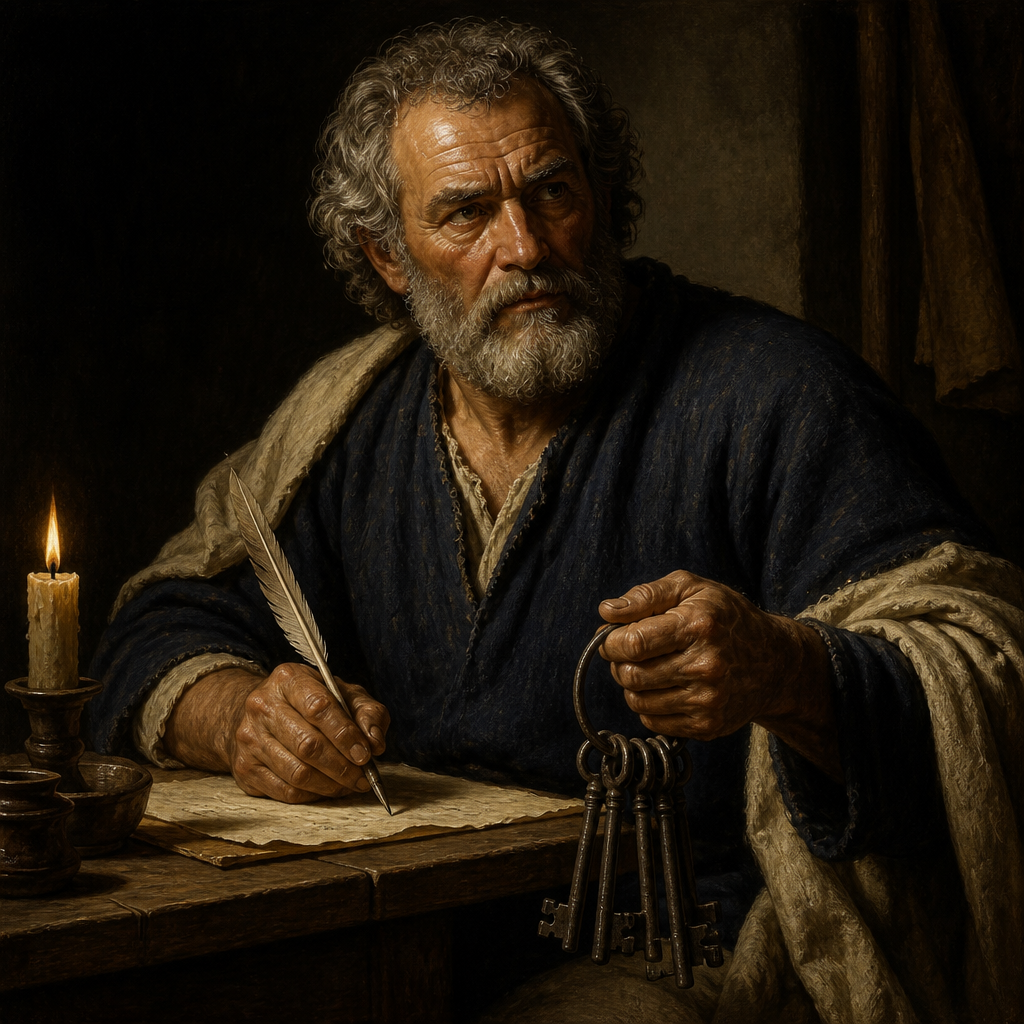
Peter
Apostle who commissioned him