Prochorus
One of the seven men chosen by the early Church in Jerusalem to oversee the distribution of food and ensure equity between Hellenistic and Hebrew believers.
Prochorus was a prominent member of the early Christian community in Jerusalem, recognized for his integrity and spiritual maturity. He is best known as one of the 'Seven' (often referred to as the first deacons) appointed by the Apostles to manage the daily administration of the church’s welfare system. His selection was a pivotal moment in the expansion of church structure, moving the community from a purely apostolic leadership to a shared administrative model.
While his name is Greek, suggesting a Hellenistic Jewish background, Prochorus functioned as a bridge between the various cultural factions within the nascent church. Though the biblical record of his specific actions is brief, his appointment signifies the importance of administrative gifts and the commitment of the early church to social justice and ethnic reconciliation.
Background and Family
The name Prochorus is of Greek origin, derived from the words pro (before) and choros (dance or choir), which can be interpreted as "leader of the choir" or "one who leads the dance." His presence in the selection of the Seven suggests he was part of the Hellenistic Jewish community—Jews who were born in the Diaspora (outside of Judea) and spoke Greek as their primary language rather than Aramaic. This cultural background was essential to his role, as he was chosen specifically to address grievances within the Greek-speaking segment of the Jerusalem church.
While the Bible does not explicitly name his parents or his specific city of origin, his inclusion in the list in Acts 6 indicates he was a man of significant social standing and spiritual reputation. To be considered for the role, candidates had to be "of good repute, full of the Spirit and of wisdom." This suggests a background of disciplined study and a life characterized by visible Christian virtue long before his formal appointment.
Major Life Events
The defining moment of Prochorus's biblical biography occurs in Acts 6:1–6. As the number of disciples in Jerusalem grew, a conflict arose: the Hellenistic widows were being neglected in the daily distribution of food in favor of the Hebrew widows. The Twelve Apostles, recognizing that their primary calling was to the ministry of the Word and prayer, tasked the congregation with electing seven men to oversee this "serving of tables."
"And the saying pleased the whole multitude: and they chose Stephen, a man full of faith and of the Holy Ghost, and Philip, and Prochorus, and Nicanor, and Timon, and Parmenas, and Nicolas a proselyte of Antioch: Whom they set before the apostles: and when they had prayed, they laid their hands on them." (Acts 6:5–6, KJV)
Prochorus was the third name mentioned in this list, following Stephen and Philip. This placement suggests a level of seniority or prominence among the Seven. By accepting this role, Prochorus became a pioneer of ecclesiastical administration. He helped design a system that integrated social welfare with spiritual mission, ensuring that the physical needs of the most vulnerable members—the widows—were met with dignity and fairness.
Relationship to Other Biblical Figures
Prochorus operated under the direct authority of the Twelve Apostles, including Peter and John. His primary peers were the other members of the Seven, most notably Stephen (the first martyr) and Philip the Evangelist. Because these men were often associated with the Hellenistic wing of the church, Prochorus likely worked closely with those who would eventually carry the Gospel beyond the borders of Jerusalem.
In church tradition (though distinct from the biblical narrative), Prochorus is often linked with the Apostle John. While the Book of Acts places him in Jerusalem, later historiography by figures such as Eusibeus suggests he may have eventually traveled to Asia Minor. Tradition holds that he served as John’s scribe, though the New Testament itself remains silent on his life following the dispersal of the Jerusalem church.
Spiritual Significance
Prochorus represents the biblical principle that all service within the church is hallowed, regardless of whether it is described as "spiritual" or "practical." His appointment validated the necessity of administrative oversight and the use of organizational wisdom to solve interpersonal conflicts within the Body of Christ.
Theologically, the inclusion of Prochorus and his colleagues demonstrates the Holy Spirit's work in breaking down ethnic barriers. By choosing men with Greek names to solve a problem affecting Greek widows, the early church showed a commitment to cultural sensitivity and representation. Prochorus stands as a model for those who serve behind the scenes, ensuring the equity and functionality of the church so that the Gospel can continue to spread unhindered.
Spiritual Significance
Prochorus is significant as an institutional pioneer in the early church. His selection marks the first recorded instance of the delegation of apostolic authority to a secondary tier of leadership, establishing the precedent for the office of the deacon. His presence in the biblical text serves to dignify the 'ministry of tables,' proving that administrative excellence is as vital to the health of the church as public preaching.
Furthermore, Prochorus embodies the transition of Christianity from a localized Jewish movement to an international faith. As one of the Seven Hellenists, his leadership helped stabilize the Jerusalem church during its first major internal crisis, preventing a schism between Greek-speaking and Hebrew-speaking believers and allowing the community to remain unified in the face of coming persecution.
Frequently Asked Questions
Was Prochorus one of the first deacons?
Yes, while the specific title 'deacon' is not used in Acts 6, theologians and church history traditionally identify Prochorus and his six companions as the first deacons because they were appointed to 'diakonein' (serve) tables.
What does the name Prochorus mean?
The name is Greek for 'leader of the dance' or 'choirmaster,' reflecting a background in the Greek-speaking Jewish diaspora.
Why was Prochorus chosen for this role?
He was chosen because he met the criteria set by the Apostles: he was well-respected (of good repute), full of the Holy Spirit, and full of wisdom.
Did Prochorus perform miracles like Stephen and Philip?
The Bible does not record Prochorus performing miracles or preaching, though he was chosen alongside Stephen and Philip, who did. His role focused on the administration of the church's welfare.
Where did Prochorus live?
The Bible places him in Jerusalem during the events of Acts 6, though his Greek name suggests he was likely a Hellenistic Jew, perhaps originally from a city outside of Judea.
Connected Figures
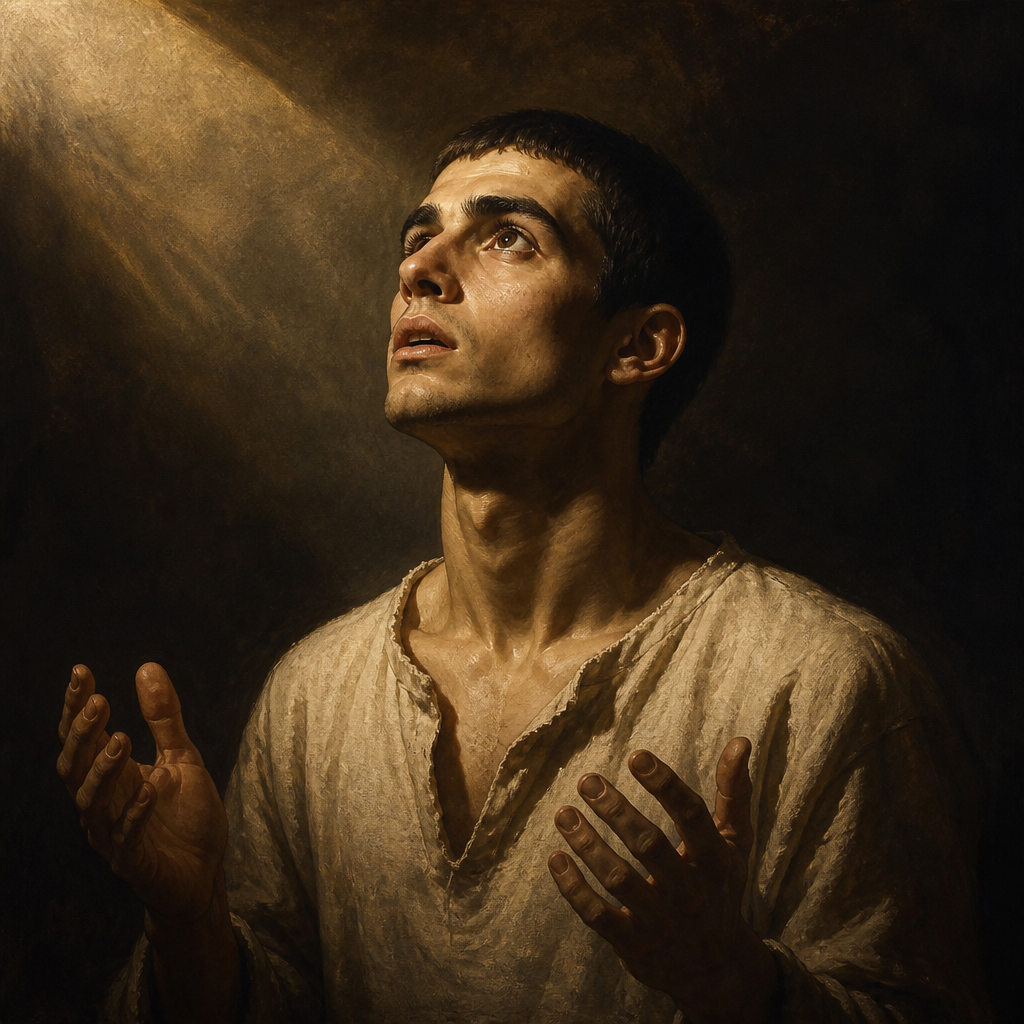
Stephen
Colleague among the Seven
Philip the Evangelist
Colleague among the Seven
Peter the Apostle
Spiritual leader who commissioned him
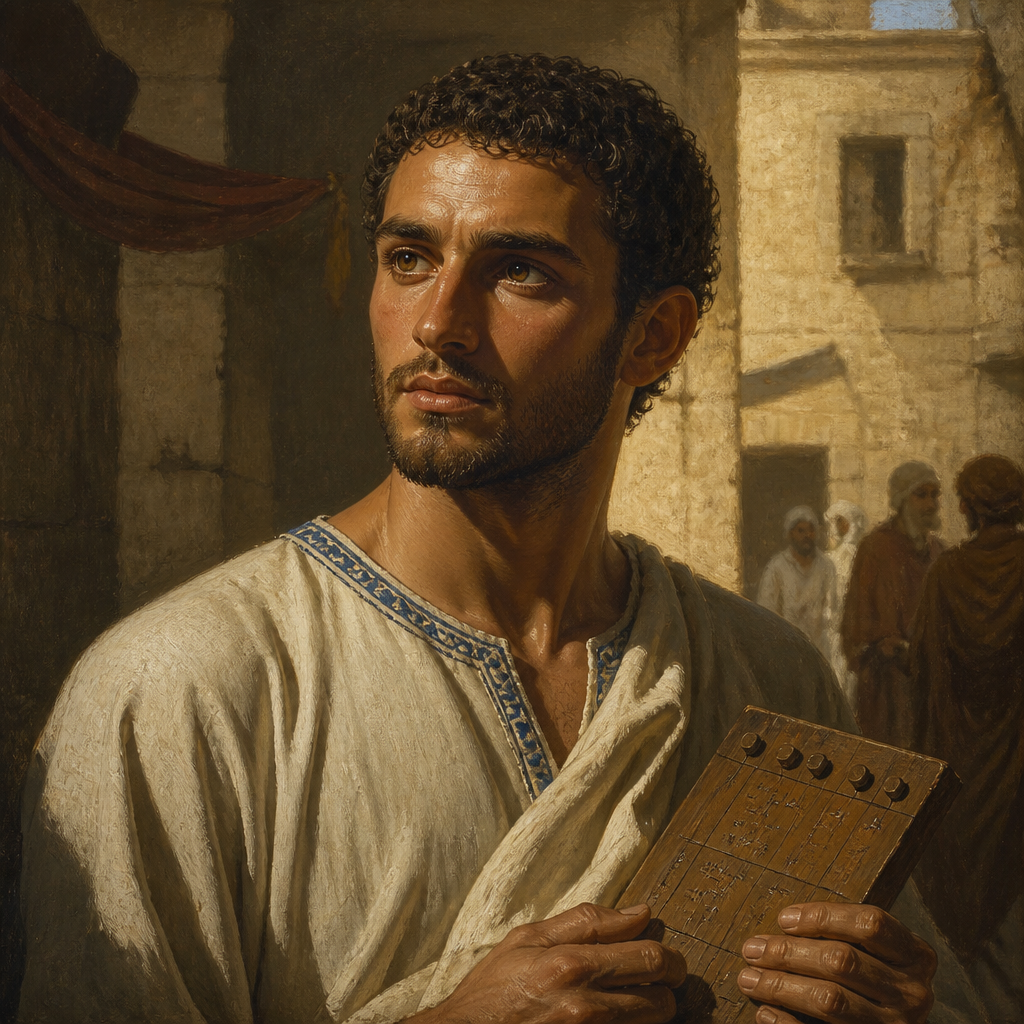
Nicanor
Colleague among the Seven