Nicanor
Nicanor was one of the seven men chosen by the early Church in Jerusalem to oversee the distribution of food and ensure equity between Hebrew and Hellenistic widows.
Nicanor was a prominent member of the early Christian community in Jerusalem, specifically recognized as one of the 'Seven' appointed to a role of service and administration. His name appears in the Book of Acts during a pivotal moment of organizational crisis within the nascent Church. As the community grew rapidly after Pentecost, internal tensions arose regarding the fair treatment of various ethnic subgroups, necessitating the creation of an official office to manage the daily distribution of resources.
While historical details regarding Nicanor's personal life are scarce, his inclusion in this select group indicates he was a man of high reputation, deeply spiritual, and possessed of practical wisdom. He belonged to the Hellenistic (Greek-speaking) wing of the Jewish-Christian community, a demographic that played a crucial role in the initial transition of the Gospel from a localized Jewish sect to a transcultural movement.
Background and Family
Nicanor’s background is rooted in the Hellenistic Jewish diaspora. His name, of Greek origin meaning 'conqueror' or 'victorious,' suggests that he likely grew up in a Greek-speaking household or region before settling in Jerusalem. This cultural background was essential for his eventual role in the Church. During the first century, Jerusalem was home to many Jews who had returned from across the Roman Empire; these 'Hellenists' often maintained their Greek language and customs, distinct from the Aramaic-speaking 'Hebrews.'
While the Bible does not record the names of his parents or the details of his family life, the requirements for his selection in Acts 6 suggest he was a man of established character. To be chosen as one of the Seven, Nicanor had to meet three specific criteria: he had to be 'of good repute,' 'full of the Spirit,' and 'full of wisdom.' These traits indicate that regardless of his professional or familial origins, he was a mature believer who had earned the deep trust of the entire Christian assembly.
Major Life Events
The primary life event recorded for Nicanor is his appointment to the first diaconate-like office in Church history. As recorded in Acts 6:1-6, the early Church faced its first major administrative conflict. The Hellenistic widows were reportedly being neglected in the daily distribution of food in favor of the Hebrew widows. This murmur of partiality threatened to divide the community and distract the Apostles from their primary mission of prayer and preaching.
'And the twelve summoned the full number of the disciples and said, "It is not right that we should give up preaching the word of God to serve tables. Therefore, brothers, pick out from among you seven men of good repute, full of the Spirit and of wisdom, whom we will appoint to this duty."' (Acts 6:2-3)
Nicanor was chosen by the 'full number of the disciples' and presented to the Apostles. The Apostles prayed and laid their hands upon him, a gesture of commissioning and the transmission of authority for his specific task. By taking on the 'service of tables,' Nicanor enabled the structural stability of the Jerusalem church, ensuring that social justice was maintained alongside spiritual teaching.
Relationship to Other Biblical Figures
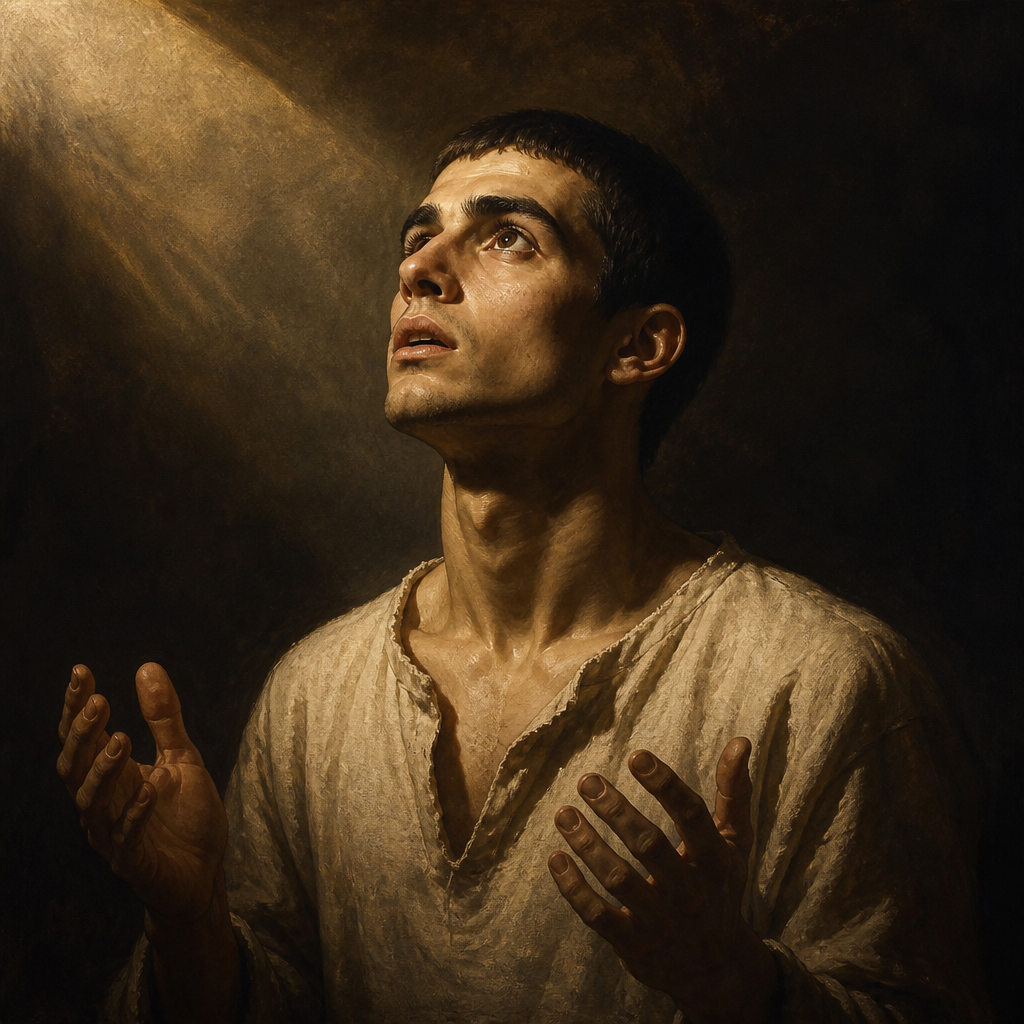
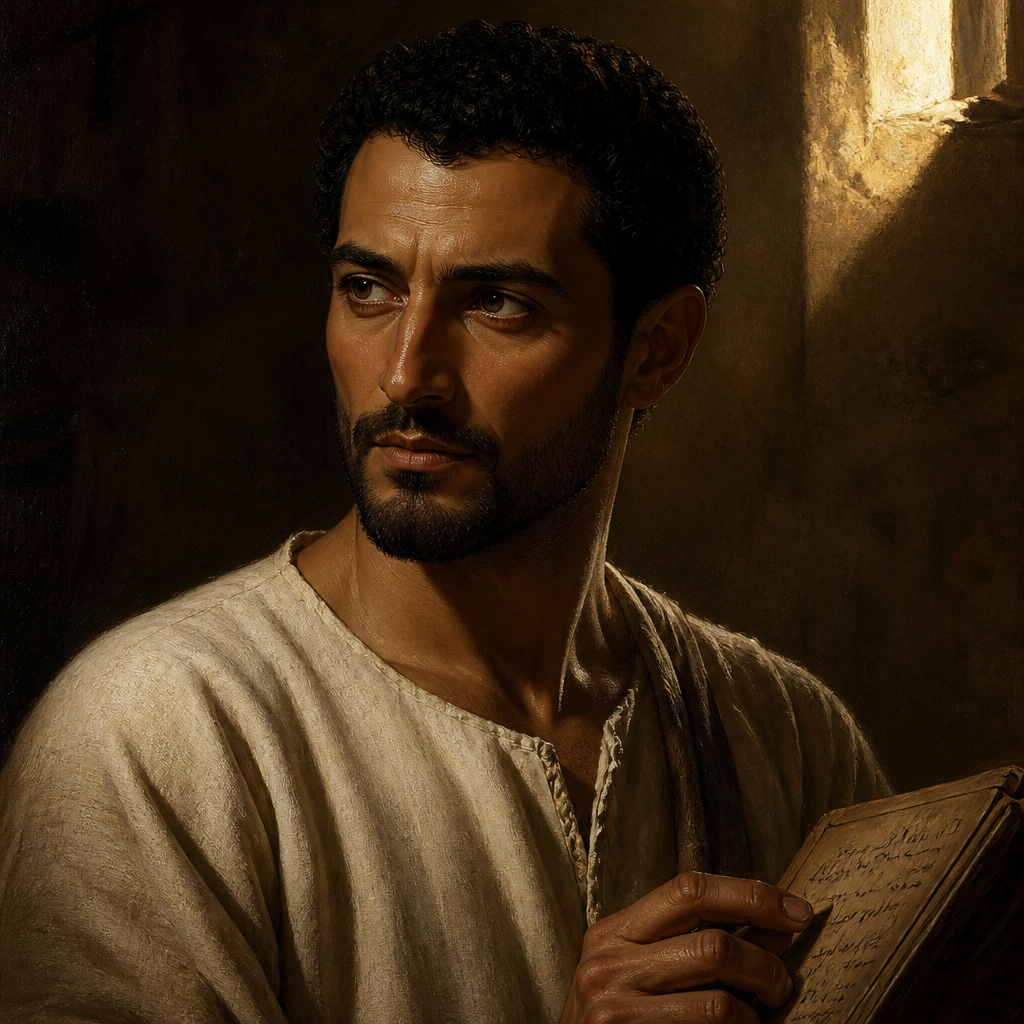
Nicanor is most closely associated with the other six men chosen alongside him. The group included Stephen, the first Christian martyr, and Philip the Evangelist, as well as Prochorus, Timon, Parmenas, and Nicolaus. This group is often collectively referred to by theologians as 'The Seven.'
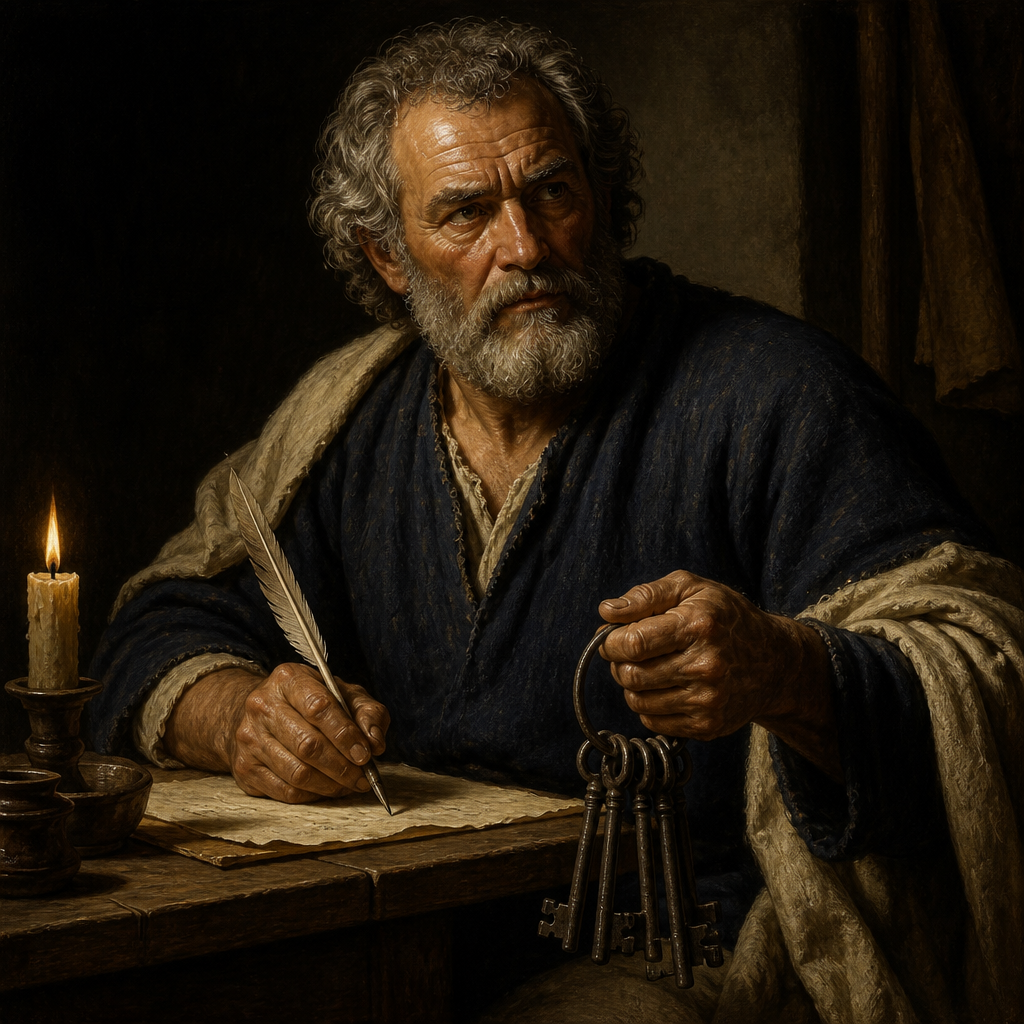
His relationship with the Twelve Apostles was one of subordinate cooperation. While the Apostles focused on the ministry of the Word, Nicanor and his colleagues acted as the operational arm of the leadership. By resolving the dispute between the Greek-speaking and Hebrew-speaking factions, Nicanor served as a bridge between the Apostles (who were predominantly Palestinian Jews) and the broader, more diverse congregation.
Spiritual Significance
The spiritual significance of Nicanor lies in the principle of 'Diakonia' (service). His appointment marks the biblical precedent for the office of the deacon. Nicanor represents the truth that administrative tasks in the Church are not merely 'secular' chores but are spiritual ministries that require the indwelling of the Holy Spirit.
Furthermore, Nicanor’s selection is a testament to the early Church’s commitment to ethnic and social reconciliation. By appointing men with Greek names like Nicanor to address a grievance involving Greek-speaking widows, the early Church demonstrated a proactive approach to diversity and fairness. Nicanor stands as a model for how administrative integrity and social concern are vital components of communal witness. While tradition outside of the biblical canon suggests he may have died as a martyr or served as a bishop in Cyprus, his primary biblical legacy remains his heart for service and his role in preserving the unity of the Spirit.
Spiritual Significance
Nicanor's significance is primarily found in the establishment of the office of service within the early Church. He represents the biblical mandate that social welfare and administrative organization are holy tasks, requiring men of spiritual depth rather than just technical skill. His role was vital in preventing a schism along ethnic lines, showcasing the Gospel's power to unify diverse groups under a shared commitment to equity.
Though he is not recorded as performing the signs and wonders attributed to Stephen or Philip, Nicanor’s inclusion in the list of the Seven underscores the importance of the 'quiet' servant. He illustrates that the health of the Church depends as much on those who manage the 'daily distribution' as it does on those who preach from the pulpit.
Frequently Asked Questions
Was Nicanor one of the first deacons?
Yes, although the specific title 'deacon' is not used in Acts 6, Nicanor is traditionally considered one of the first seven deacons because he was appointed to 'serve tables' (diakonein trapezais).
What does the name Nicanor mean?
The name Nicanor is Greek and means 'conqueror' or 'victorious one.'
Why was Nicanor chosen specifically?
He was chosen because the Hellenistic widows were being neglected, and as a man of Greek background with a reputation for wisdom and being filled with the Spirit, he was perfectly suited to mediate the conflict.
Does Nicanor appear in the New Testament outside of Acts 6?
No, Nicanor is only mentioned by name in the list of the seven chosen servants in Acts 6:5.
What happened to Nicanor after his appointment?
The Bible does not provide further details. Some extra-biblical traditions suggest he was martyred on the same day as Stephen, while others claim he eventually became a leader in the church at Cyprus.
Connected Figures
Stephen
Colleague among the Seven Chosen
Philip the Evangelist
Colleague among the Seven Chosen
Peter
Apostle who commissioned him
Prochorus
Colleague among the Seven Chosen