Levi, Son of Jacob
The third son of Jacob and Leah, a patriarch whose descendants were set apart as the priestly and ministerial class for the nation of Israel.
Levi was the third son born to the patriarch Jacob and his first wife, Leah. His name, derived from the Hebrew root meaning 'attached' or 'joined,' reflected Leah’s hope that the birth of a third son would finally secure her husband’s affection. While he was one of the twelve sons who formed the foundations of the tribes of Israel, Levi’s personal narrative in the book of Genesis is marked by significant controversy, specifically his violent temperament and role in the massacre at Shechem.
Despite a harsh deathbed prophecy from his father, Levi’s lineage underwent a radical transformation in the biblical narrative. His descendants, the Levites, were eventually chosen by God to serve as the guardians of the Tabernacle and the instructors of the Law. Consequently, Levi occupies a unique position in biblical history: he is a man whose personal legacy of violence was redeemed through his descendants' institutionalized service to the sanctuary, ensuring his name would be remembered through the Levitical priesthood rather than through a traditional landed inheritance.
Background and Family
Levi was born in Paddan-aram during Jacob's period of service to his uncle Laban. As the third son of Leah, he followed Reuben and Simeon in the birth order. According to Genesis 29:34, Leah chose his name based on a desire for marital connection: “Now at last my husband will become attached to me, because I have borne him three sons.”
Levi grew up in a large, complex household alongside his eleven brothers and his sister, Dinah. He was particularly close to his older brother Simeon, a pairing that would define his early adulthood. Levi eventually married and fathered three sons: Gershon, Kohath, and Merari (Genesis 46:11). These three sons became the eponymous ancestors of the three main divisions of the Levites. Through the line of Kohath, Levi became the great-grandfather of Moses, Aaron, and Miriam, thus anchoring the entire religious infrastructure of the Exodus period in his genealogical line.
Major Life Events
The Massacre at Shechem
The most defining and recorded event of Levi’s personal life occurred after the family returned to the land of Canaan. When their sister Dinah was defiled by Shechem, the son of Hamor the Hivite, Simeon and Levi orchestrated a deceptive and brutal retaliation. They convinced the men of Shechem to undergo circumcision as a condition for intermarriage. While the men were incapacitated by the procedure, Simeon and Levi entered the city and slaughtered every male, including Hamor and Shechem, and plundered the city (Genesis 34).
Their father, Jacob, was deeply distressed by this action, not necessarily on moral grounds initially, but out of fear that the surrounding Canaanite and Perizzite tribes would unite and destroy his small household. Levi and Simeon remained unrepentant, asking, “Should he have treated our sister like a prostitute?” (Genesis 34:31).
The Blessing of Jacob
At the end of Jacob’s life, when he gathered his sons to deliver his final testament, the shadow of the Shechem massacre remained. Instead of a traditional blessing, Levi and Simeon received a rebuke. Jacob declared, “Simeon and Levi are brothers; their weapons are instruments of violence... Cursed be their anger, for it is fierce, and their fury, for it is cruel! I will scatter them in Jacob and disperse them in Israel” (Genesis 49:5-7). This prophecy was fulfilled literally; unlike the other tribes, the tribe of Levi never received a continuous geographical territory, but was scattered among forty-eight cities throughout the land.
The Sojourn in Egypt
Levi was among the brothers who traveled to Egypt during the great famine. He is listed among those who went down with Jacob, accompanied by his three sons. According to Exodus 6:16, Levi lived to be 137 years old, one of the few specific lifespans recorded for the sons of Jacob, signifying his importance in the transition from the patriarchal period to the development of the nation in Egypt.
Relationship to Other Biblical Figures
Levi’s primary relationships were defined by his role as a brother and a father. His partnership with Simeon is highlighted as one of shared temperament and shared guilt. However, his most significant biblical relationship is to his descendants. He is the father of Jochebed and the grandfather of Kohath, which places him as the direct ancestor of Aaron, the first High Priest, and Moses, the lawgiver.
In the New Testament, the author of Hebrews uses Levi to argue for the superiority of the Melchizedekian priesthood over the Levitical one. The text notes that Levi, though not yet born, “paid the tenth” to Melchizedek through his ancestor Abraham, establishing a theological hierarchy between the two priestly orders (Hebrews 7:9-10).
Spiritual Significance
The spiritual legacy of Levi is one of election and transformation. While Levi himself was characterized by "weapons of violence," his tribe was later set apart for the service of the Lord. During the incident of the golden calf, it was the "sons of Levi" who responded to Moses' call for those on the Lord's side (Exodus 32:26). Their zeal, which had previously been used for personal vengeance, was now channeled into the defense of God’s holiness.
Consequently, the "curse" of being scattered became a vehicle for ministry. By having no land of their own and being dispersed among the tribes, the Levites were positioned to be the spiritual teachers and judicial officers for all Israel. Levi’s story serves as a biblical archetype for how God can repurpose a difficult lineage or a flawed character for his own sovereign purposes.
Spiritual Significance
Levi’s primary significance lies in his role as the progenitor of the tribe that bore his name, the Levites. Although he is personally depicted as a man of violent anger in Genesis, his tribe was later chosen by God to replace the firstborn of all Israel as the Lord’s special possession. This transition from a curse of dispersal to a blessing of service is a central theme in the Pentateuch, illustrating the sovereignty of God in choosing the 'weak' or 'rejected' to perform holy duties.
Theologically, Levi represents the institutionalized mediation between God and man under the Old Covenant. The 'covenant with Levi' (Malachi 2:4-5) emphasizes life and peace, contrasting with the patriarch's early history. In the New Testament, Levi serves as a representative figure for the entire Law-based sacrificial system, which the Book of Hebrews presents as a shadow of the greater, eternal priesthood of Jesus Christ.
Frequently Asked Questions
What does the name Levi mean?
The name Levi comes from the Hebrew root 'lāwāh,' meaning 'to join' or 'to attach.' His mother, Leah, named him this in the hope that his birth would cause her husband Jacob to become more attached to her.
Why did Jacob curse Levi on his deathbed?
Jacob did not curse Levi's person, but rather his anger and violence. This was a direct result of Levi's role in the massacre of the men of Shechem, an act Jacob felt brought trouble and shame upon the family.
Did the tribe of Levi receive an inheritance of land in Canaan?
No, the tribe of Levi did not receive a specific territory like the other tribes. Instead, they were given 48 cities scattered throughout the land, as the Lord Himself was their inheritance.
Who were Levi's famous descendants?
Levi's most famous descendants include Moses, the leader of the Exodus; Aaron, the first High Priest; and Miriam, the prophetess. All subsequent priests in Israel had to be descendants of Levi through the line of Aaron.
How long did Levi live?
According to Exodus 6:16, Levi lived to the age of 137 years.
Connected Figures
Jacob
Father
Leah
Mother
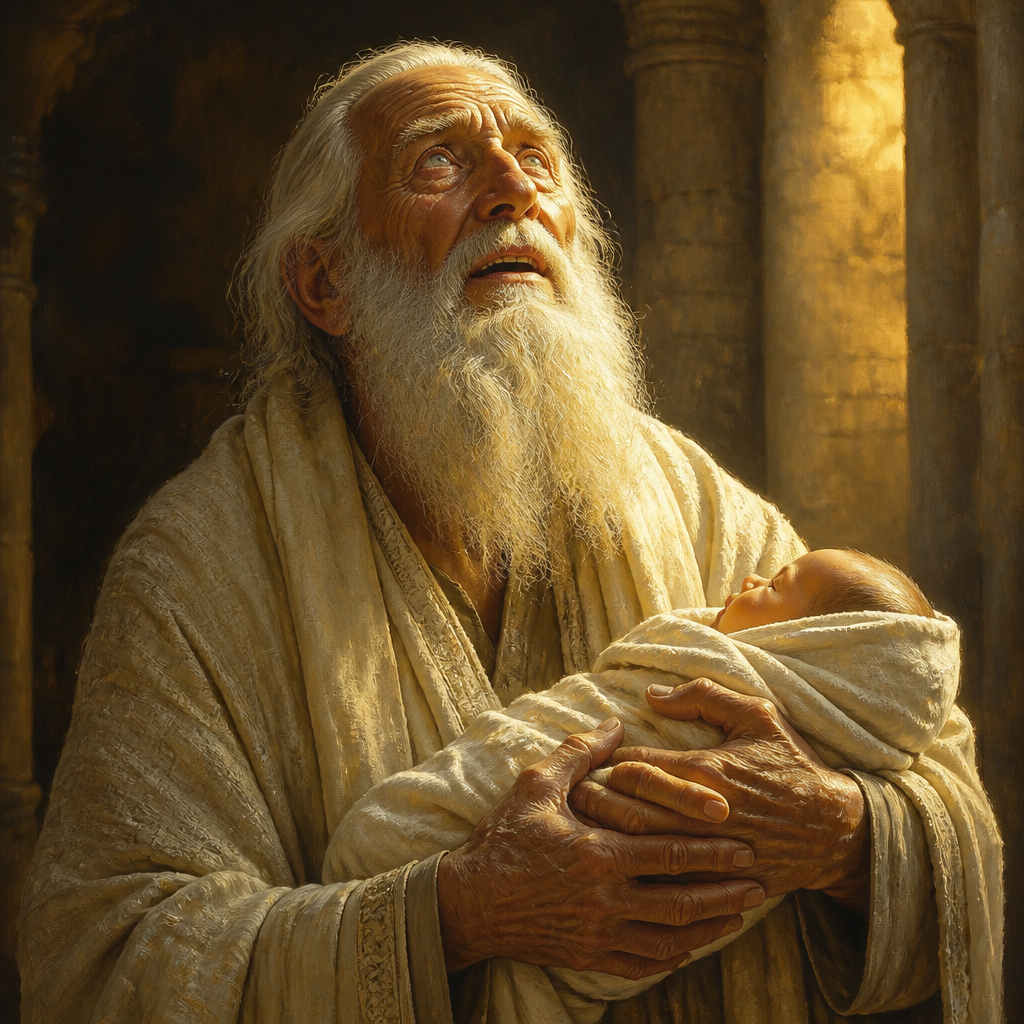
Simeon
Brother and accomplice
Kohath
Son
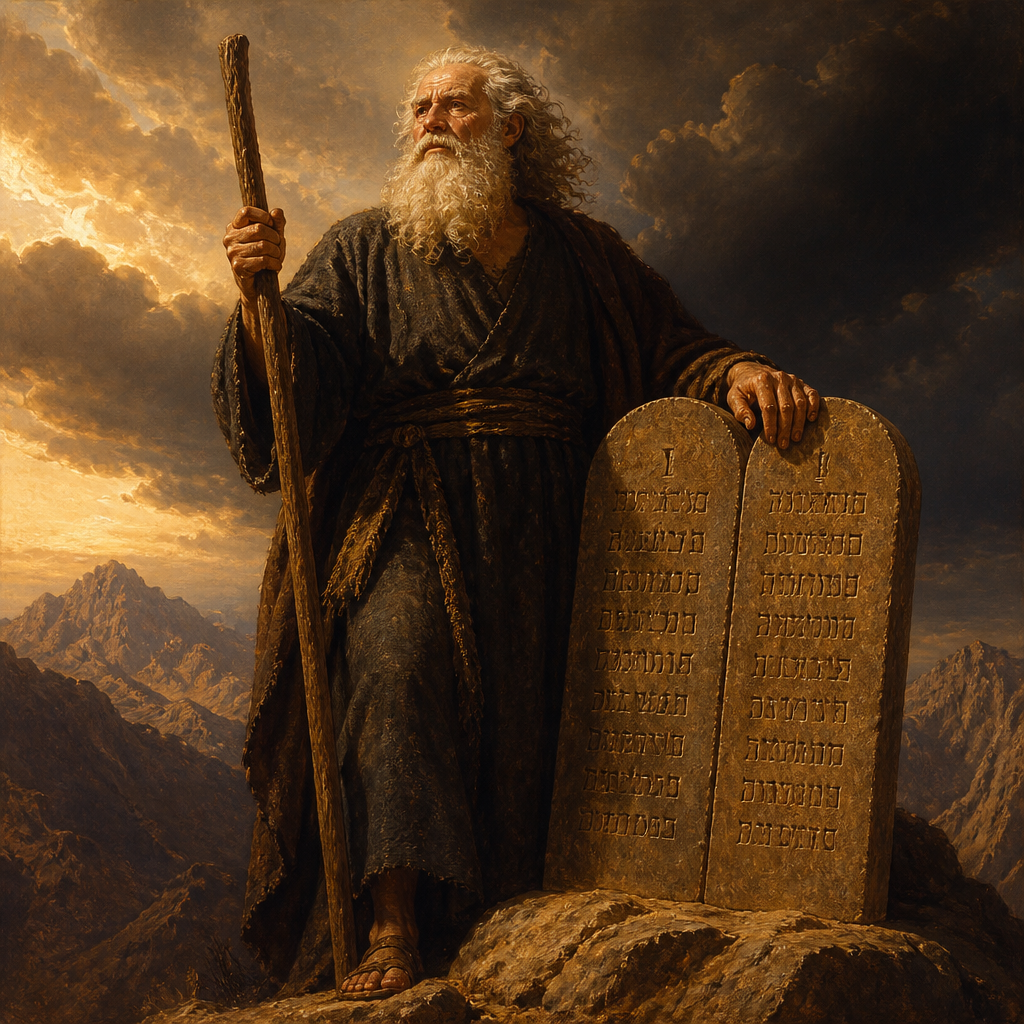
Moses
Great-grandson
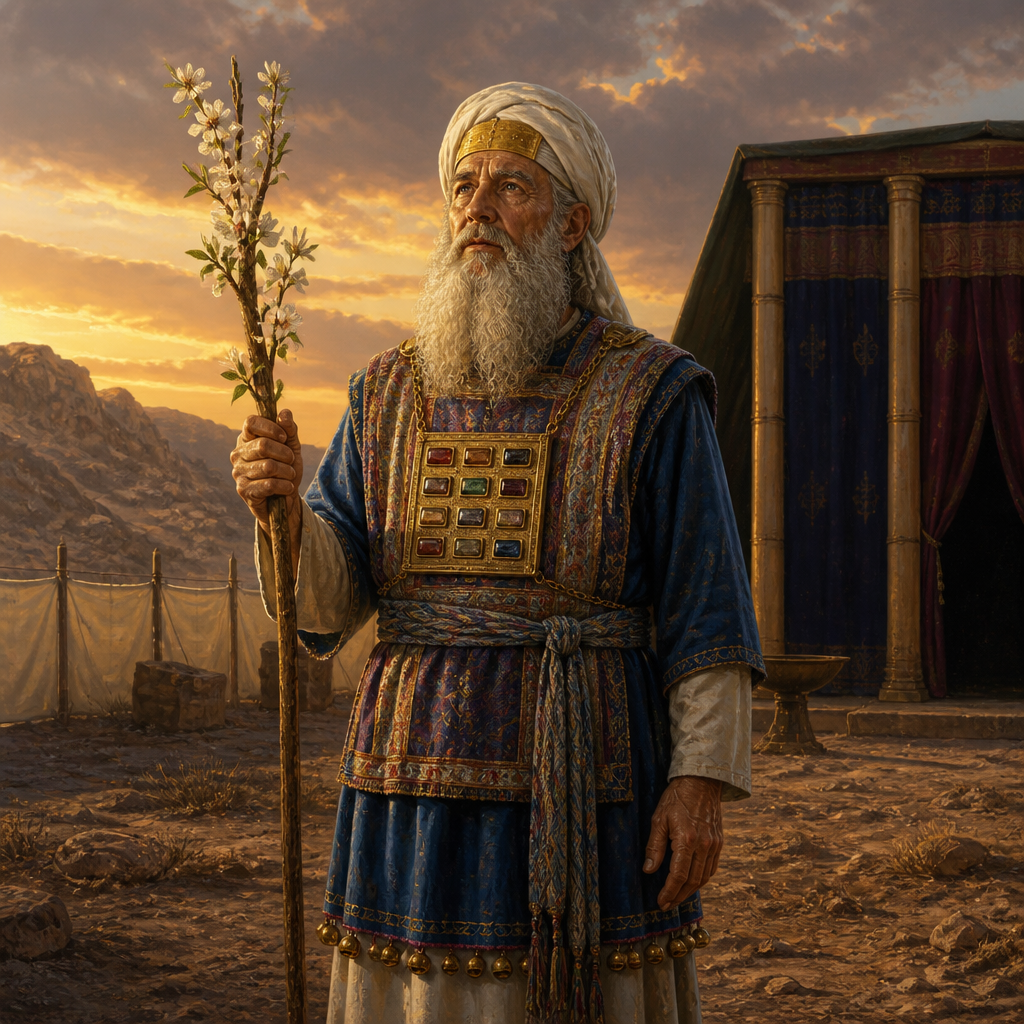
Aaron
Great-grandson
Categories
Mentions by Book
- Numbers62
- 2 Chronicles59
- 1 Chronicles47
- Nehemiah39
- Deuteronomy25
- Ezra23
- Joshua17
- Ezekiel10
- Judges10
- Exodus9
- Genesis6
- Hebrews3
- Jeremiah3
- Malachi3
- 1 Kings2
- Leviticus2
- 1 Samuel1
- 2 Samuel1
- Acts1
- Isaiah1
- John1
- Luke1
- Psalms1
- Revelation1
- Zechariah1
Family & Relationships
Child
Genesis 29:34
Child
Genesis 29:34
Child
Genesis 29:34
Child
Genesis 29:34
Sibling
Genesis 29:34
Sibling
Genesis 29:34
Sibling
Genesis 29:34
Sibling
Genesis 29:34
Sibling
Genesis 29:34
Sibling
Genesis 29:34
Sibling
Genesis 29:34
Sibling
Genesis 29:34
Sibling
Genesis 29:34
Sibling
Genesis 29:34
Sibling
Genesis 29:34
Sibling
Genesis 29:34
Sibling
Genesis 30:13
Sibling
Genesis 35:18
Sibling
Genesis 30:6
Sibling
Genesis 30:21
Sibling
Genesis 30:11
Parent
Genesis 25:26
Sibling
Genesis 30:18
Sibling
Genesis 30:24
Sibling
Genesis 29:35
Parent
Genesis 29:16
Sibling
Genesis 30:8
Sibling
Genesis 29:32
Sibling
Genesis 29:33
Sibling
Genesis 30:20