Samuel
A pivotal prophet, priest, and the final judge of Israel who presided over the transition from the loose confederation of tribes to the United Monarchy.
Samuel was a towering figure in Israel's history, serving as a bridge between the era of the Judges and the establishment of the United Monarchy. Born to Hannah after years of her infertility, he was dedicated to the service of the Lord at the tabernacle in Shiloh under the priest Eli. From a young age, Samuel was recognized as a prophet whose words never failed, signaling a new era where the word of the Lord, once rare, became central to the nation's guidance.
Throughout his long life, Samuel wore many hats: he was a circuit judge who traveled between Bethel, Gilgal, and Mizpah; a priest who offered sacrifices on behalf of the people; and a prophet who spoke directly to kings. His leadership was marked by a call to national repentance and the rejection of foreign idols. Most notably, he was the instrument through which God transitioned Israel to a kingship, anointing both Saul and David as the nation's first monarchs.
Background and Family
Samuel’s life began with a divine answer to prayer. His father, Elkanah, was a Levite (1 Chronicles 6:33) living in the hill country of Ephraim. His mother, Hannah, had long suffered from barrenness and vowed that if God gave her a son, she would dedicate him to the Lord for his entire life. Following his birth, which Hannah attributed to God hearing her petition—naming him Samuel, often interpreted as "heard of God"—she brought him to Shiloh as soon as he was weaned.
Samuel was raised in the sanctuary under the tutelage of Eli the priest. He grew up in a period of spiritual decay, characterized by the corruption of Eli’s own sons, Hophni and Phinehas. Despite this environment, the biblical record emphasizes that Samuel "continued to grow in stature and in favor with the Lord and with man" (1 Samuel 2:26). Later in life, Samuel resided in Ramah, where he was the father of two sons, Joel and Abijah. However, like Eli’s sons, Samuel’s children did not follow his righteous path, leading the elders of Israel to demand a king to replace his aging leadership.
Major Life Events
The Call of the Lord
Samuel’s formal entry into the prophetic office occurred during a night in the tabernacle. While still a boy, he heard a voice calling his name. Initially mistaking it for Eli, he eventually realized it was the Lord speaking. The message he received was a grim oracle of judgment against Eli's house. This event established Samuel’s reputation across all Israel, from Dan to Beersheba, as a prophet whose words were confirmed by the Lord.
The Defeat of the Philistines
Following the loss of the Ark of the Covenant and the death of Eli, Samuel assumed leadership of the nation. At Mizpah, he led a national assembly of repentance, urging Israel to put away foreign gods like the Ashtoreths. When the Philistines attacked during this assembly, Samuel offered a burnt sacrifice and cried out to God. A divine thunder threw the Philistines into confusion, leading to a decisive Israelite victory. To commemorate this help, Samuel set up a stone called "Ebenezer," meaning "Stone of Help."
The Transition to Monarchy
In his old age, Samuel faced a crisis of succession. The elders of Israel, citing the corruption of Samuel’s sons and the desire to be "like all the nations," requested a king. Samuel was deeply displeased, viewing the request as a rejection of God’s direct rule. After praying, the Lord instructed him to grant their request but to warn them of the burdens a monarch would impose. Samuel subsequently anointed Saul, the son of Kish, as the first king of Israel. Later, following Saul’s repeated disobedience regarding the Amalekites, Samuel famously declared that "obedience is better than sacrifice" and announced that God had rejected Saul’s kingship.
The Anointing of David
In the final major act of his public ministry, Samuel was sent by God to Bethlehem to find a successor to Saul. Despite his fear of Saul's retribution, he visited the house of Jesse and, guided by the Spirit, bypassed the eldest sons to anoint the youngest, David. This clandestine act ensured the continuity of the United Monarchy under a man after God's own heart. Samuel eventually retired to Ramah, where he led a group of prophets until his death.
Relationship to Other Biblical Figures
Samuel’s relationship with Saul was complex and tragic. Though he acted as a mentor and spiritual father to Saul, he was also the messenger of Saul’s doom. Their final meeting at Gilgal involved Samuel personally executing Agag, the king of the Amalekites, whom Saul had spared against God's command.
In contrast, Samuel’s relationship with David was one of protection and legitimacy. When David was fleeing Saul’s jealousy, he sought refuge with Samuel at Naioth in Ramah. Even after death, Samuel’s influence persisted; in a desperate and forbidden act, Saul sought a medium at Endor to conjure Samuel’s spirit, only for the prophet’s apparition to reiterate the prophecy of Saul’s imminent defeat and death.
Spiritual Significance
Samuel is categorized by the New Testament as the first of the great line of prophets (Acts 3:24) and is listed in the "Hall of Faith" (Hebrews 11:32). His significance lies in his unwavering intercession; Jeremiah 15:1 pairs him with Moses as a supreme intercessor for the nation. Historically, he is the architect of the Israelite state, establishing the "rights of kingship" and ensuring that the king remained subject to the word of God. Spiritually, his life serves as a model of the "servant who listens," beginning with his childhood response: "Speak, for Your servant is listening."
Spiritual Significance
Samuel serves as the definitive transition figure in Israelite history, moving the nation from the unstable period of the Judges into the organized era of the United Monarchy. He is the first to hold the office of prophet in its classical sense, acting as the divine conscience to the king. His role established the principle that even the monarch is subject to the Law of Moses and the prophetic word, a foundation for the Davidic covenant.
Theologically, Samuel is presented as a type of righteous leader who refuses to profit from his position. In his farewell address, he challenges the nation to testify against him if he has ever defrauded or oppressed anyone, a standard of integrity that stood in stark contrast to the kings who followed. His life demonstrates the power of intercessory prayer and the necessity of total obedience over outward religious ritual.
Frequently Asked Questions
Samuel was both. Although his primary identity was as a prophet (seer), he functioned as the last of the biblical Judges, settling disputes on a circuit. He also performed priestly duties, such as offering sacrifices and wearing a linen ephod, and he was from the tribe of Levi.
Samuel functioned in all three roles: prophet, priest, and judge. He is listed among the judges in Acts 13:20 and served in the tabernacle as a priest, while being widely recognized throughout Israel as a prophet of the Lord.
Why did Samuel reject Saul as king?
Samuel rejected Saul because Saul disobeyed God's direct commands. Specifically, Saul performed a priestly sacrifice he was not authorized to do, and he later failed to carry out the total destruction of the Amalekites, sparing their king and the best livestock for his own reasons.
Did Samuel really appear to the Medium of Endor?
The text in 1 Samuel 28 states that the woman saw Samuel and he spoke to Saul. While scholars debate the nature of the apparition, the biblical narrative treats it as a genuine message from Samuel confirming Saul's impending judgment.
What does the name 'Ebenezer' mean in Samuel's story?
Ebenezer means 'Stone of Help.' Samuel set up a monument with this name after God gave Israel victory over the Philistines at Mizpah, declaring, 'Thus far the Lord has helped us.'
Who were Samuel's children?
Samuel had two sons, Joel and Abijah. He appointed them as judges in Beersheba, but they were corrupt, taking bribes and perverting justice, which prompted the people to ask for a king.
Connected Figures
Hannah
Mother
Eli
Mentor and Priest
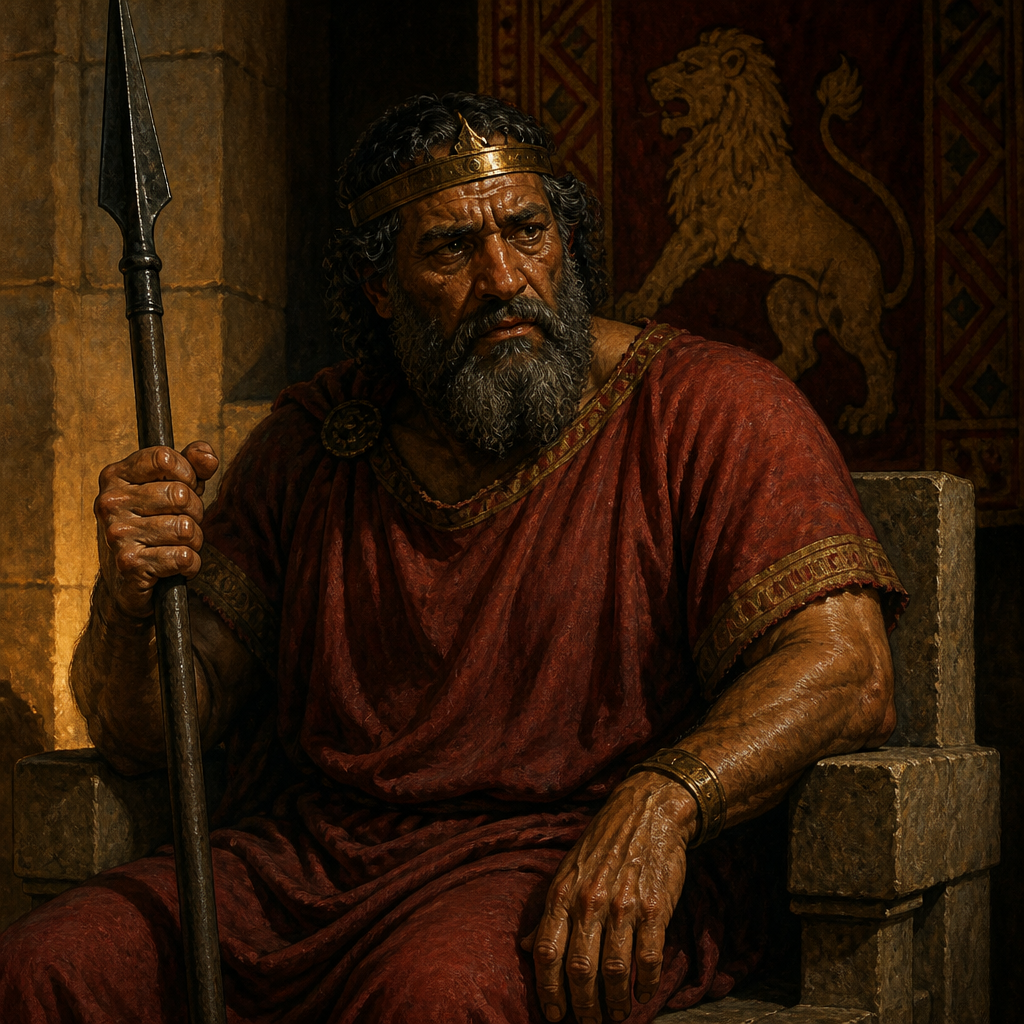
Saul
Anointed by him as First King
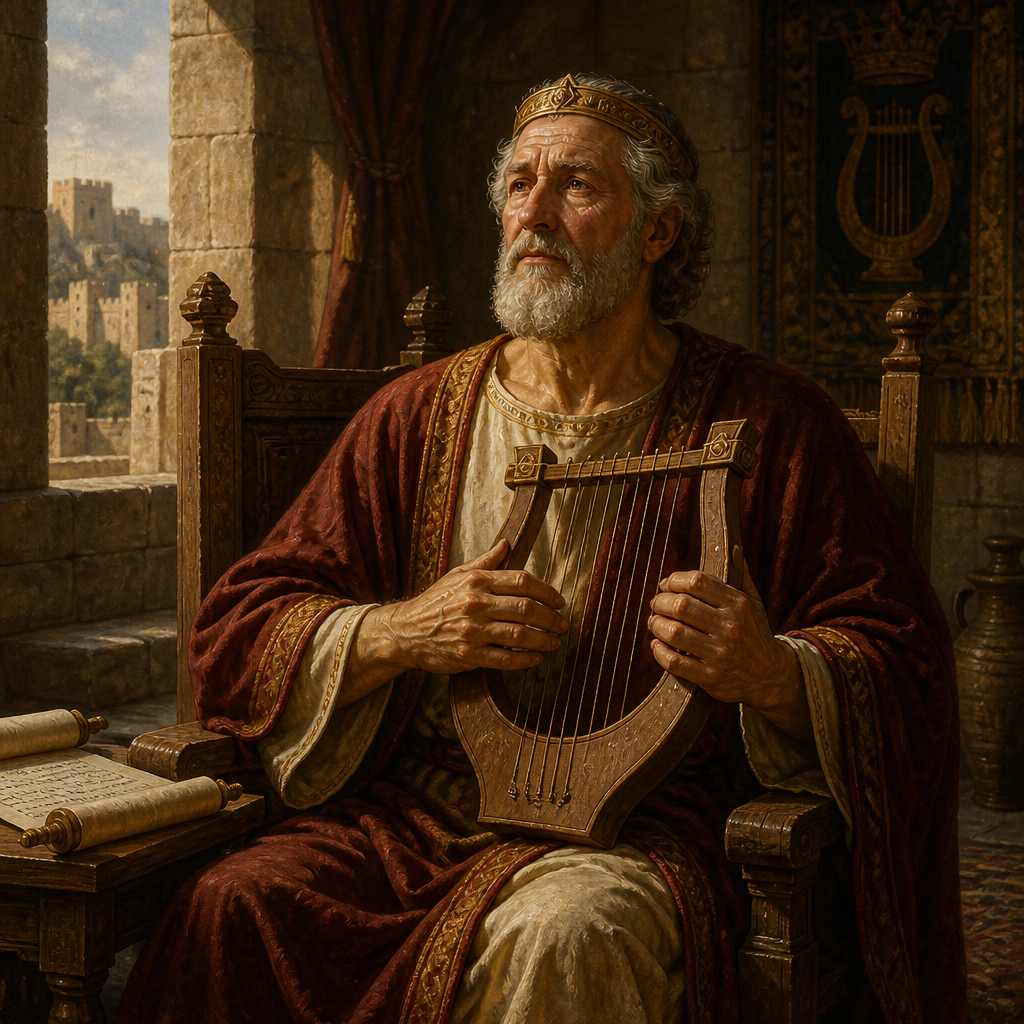
David
Anointed by him as Saul's successor
Elkanah
Father