
New Testament
- 334 peoplefirst introduced Matthew 1:1last introduced Revelation 13:11first introductions in 19 of 27 books
The New Testament begins with a genealogy. Matthew 1 counts forty-two generations from Abraham through David to Joseph, the husband of Mary; Luke 3 runs the line the other way, back past Abraham to Adam. The two genealogies set the terms for everything after them: this is a record about specific people, in a specific province, under datable rulers.
Five stages hold the story. The Gospels cover the life of Jesus, and the names arrive in clusters: Mary, Joseph, Elizabeth, Zechariah, Simeon and Anna around the birth in Luke 1–2; the twelve apostles listed in Matthew 10, Mark 3 and Luke 6; the women who travelled with him and supported the group out of their own means in Luke 8:1–3; and, at the end, Judas, Pilate, Barabbas and Joseph of Arimathea, who appear in all four accounts of the arrest, trial and burial.
Acts follows the pattern set out in Acts 1:8. In Jerusalem, Acts 1–7, the church begins with the replacement of Judas by Matthias, the seven chosen to serve in Acts 6, and the stoning of Stephen. In all Judea and Samaria, Acts 8–12, Philip, Simon the sorcerer, the Ethiopian official, Cornelius, Aeneas, Tabitha and Herod Agrippa I carry the record outward. From Acts 13 the mission reaches the ends of the earth: Paul and Barnabas are sent out from Antioch and sail from its port at Seleucia, and the named companions multiply until Romans 16 alone greets more than two dozen people by name, several of them women commended for their work.
The letters name people the way real letters do: in passing, to readers who already knew them. Timothy, Titus, Philemon, Onesimus, Priscilla, Aquila, Phoebe, Epaphroditus, Tychicus, Demas and dozens more appear in a greeting, a commendation or a warning and are never introduced, because the people the letters were written to needed no introduction. Alexander the coppersmith in 2 Timothy 4:14 and Diotrephes in 3 John 9 each get a sentence or two, and everything known about them has to be read from the words around the name.
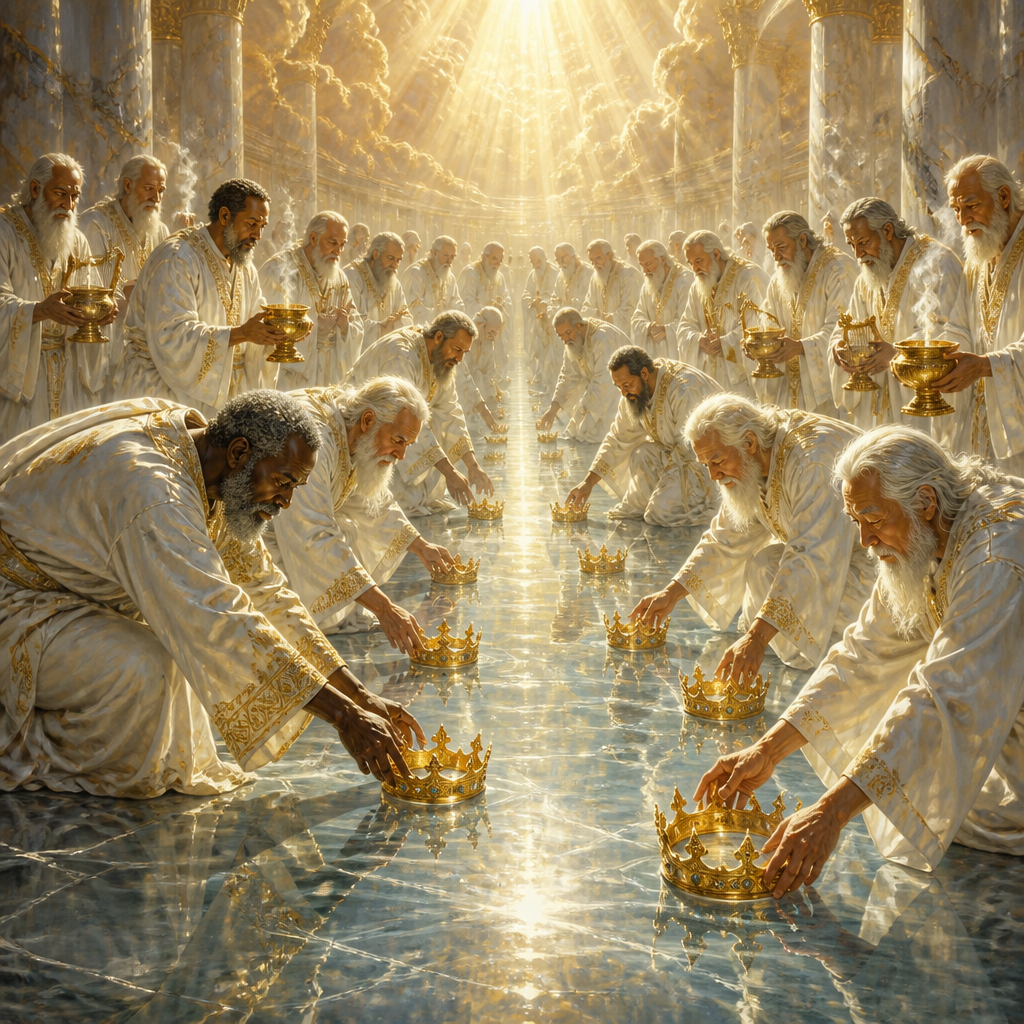
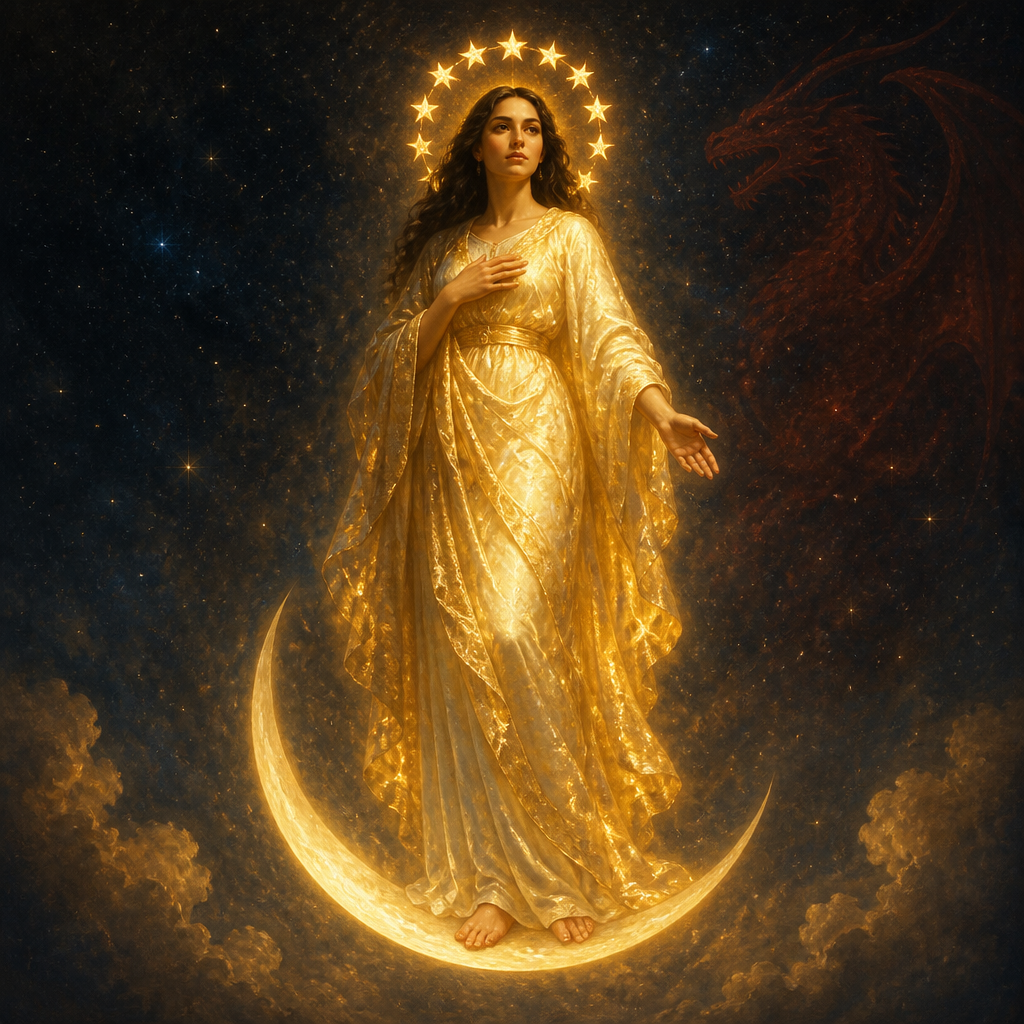
Revelation stands as its own era here rather than as a tail on the letters. Its figures — the twenty-four elders, the four riders, the two witnesses, Antipas of Pergamum, the woman called Jezebel at Thyatira, the Nicolaitans — belong to a book addressed to seven named churches (Revelation 1:11), and they are catalogued on their own terms: what John sees and who appears in it.
Rome is present throughout. Augustus, Tiberius and Claudius are named; Nero is never named, but he is the Caesar to whom Paul appealed. With the governors Pilate, Felix and Festus, and the Herodian family from Herod the Great to Agrippa II, they give the story its calendar; Luke 3:1–2 dates the ministry of John the Baptist by a roll-call of exactly such rulers. Their profiles are kept alongside the apostles because Scripture keeps them there.
As in the Hebrew Scriptures, names repeat: several men are called James, several Judas, and Marys, Simons and Johns share the same chapters.
5 eras, 334 people
The New Testament follows the pattern of Acts 1:8, with Revelation standing on its own.
The Gospels
Matthew–John
c. 6 BC – AD 30
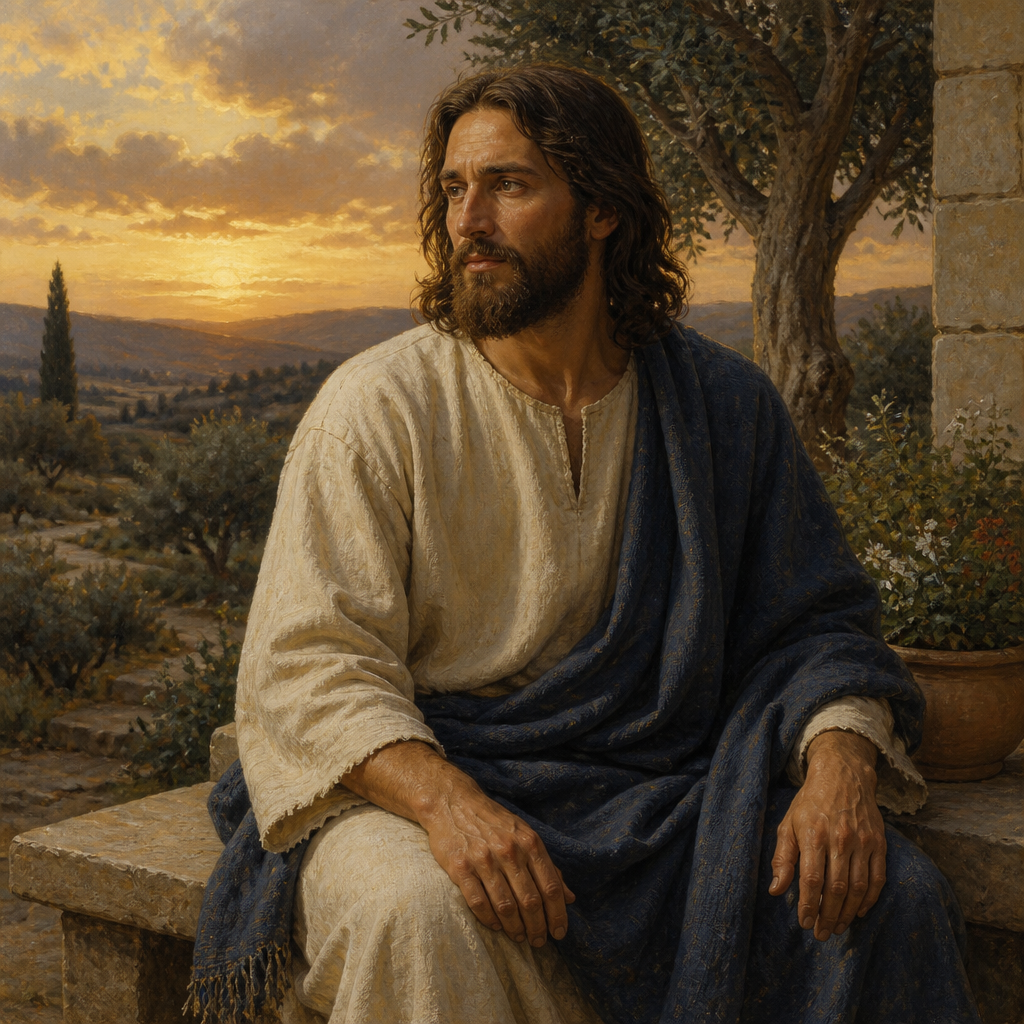
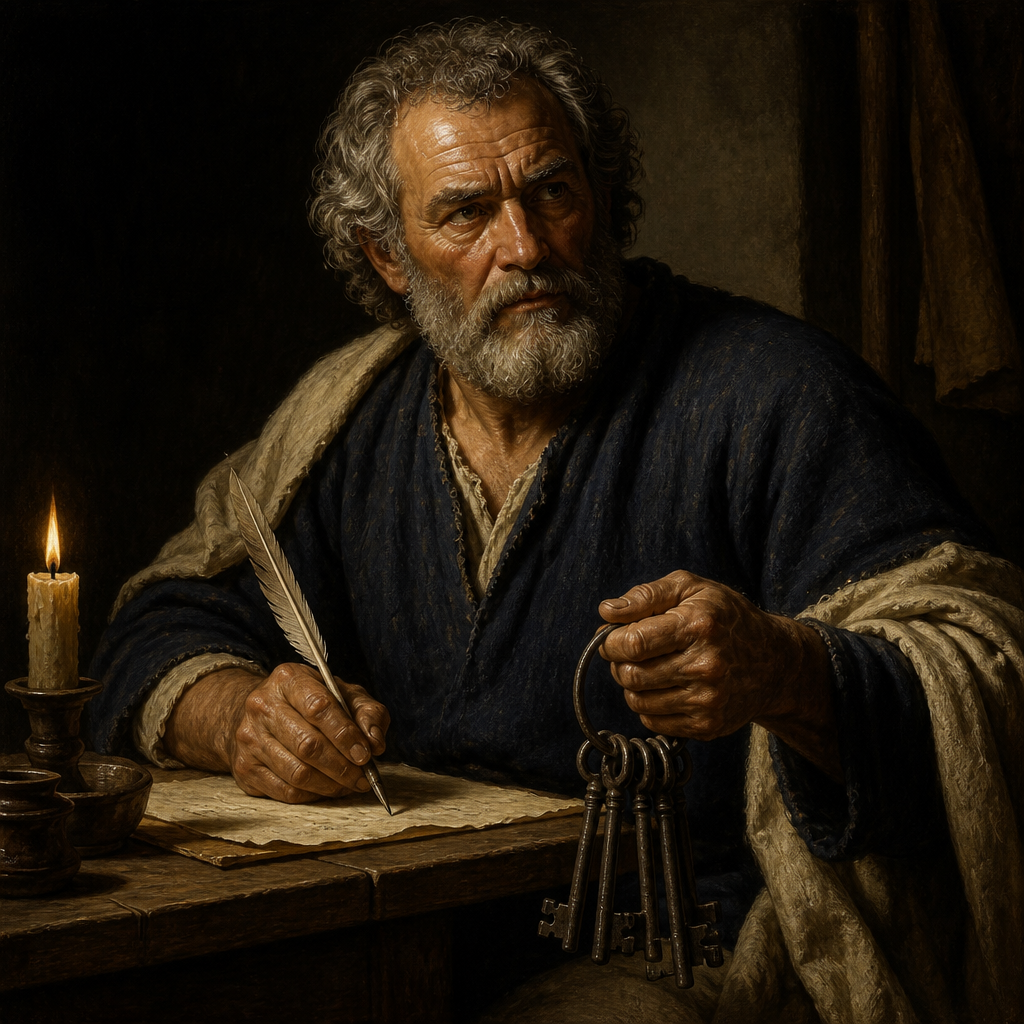
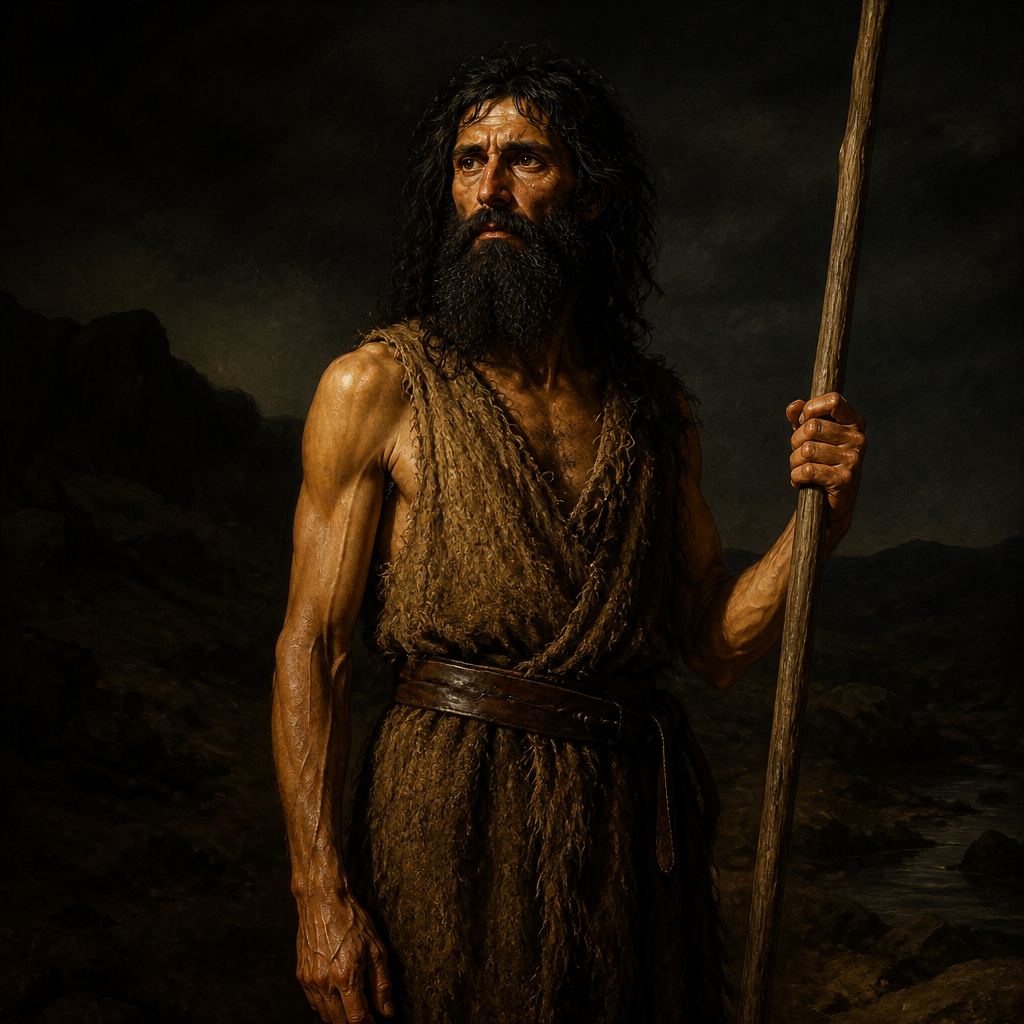
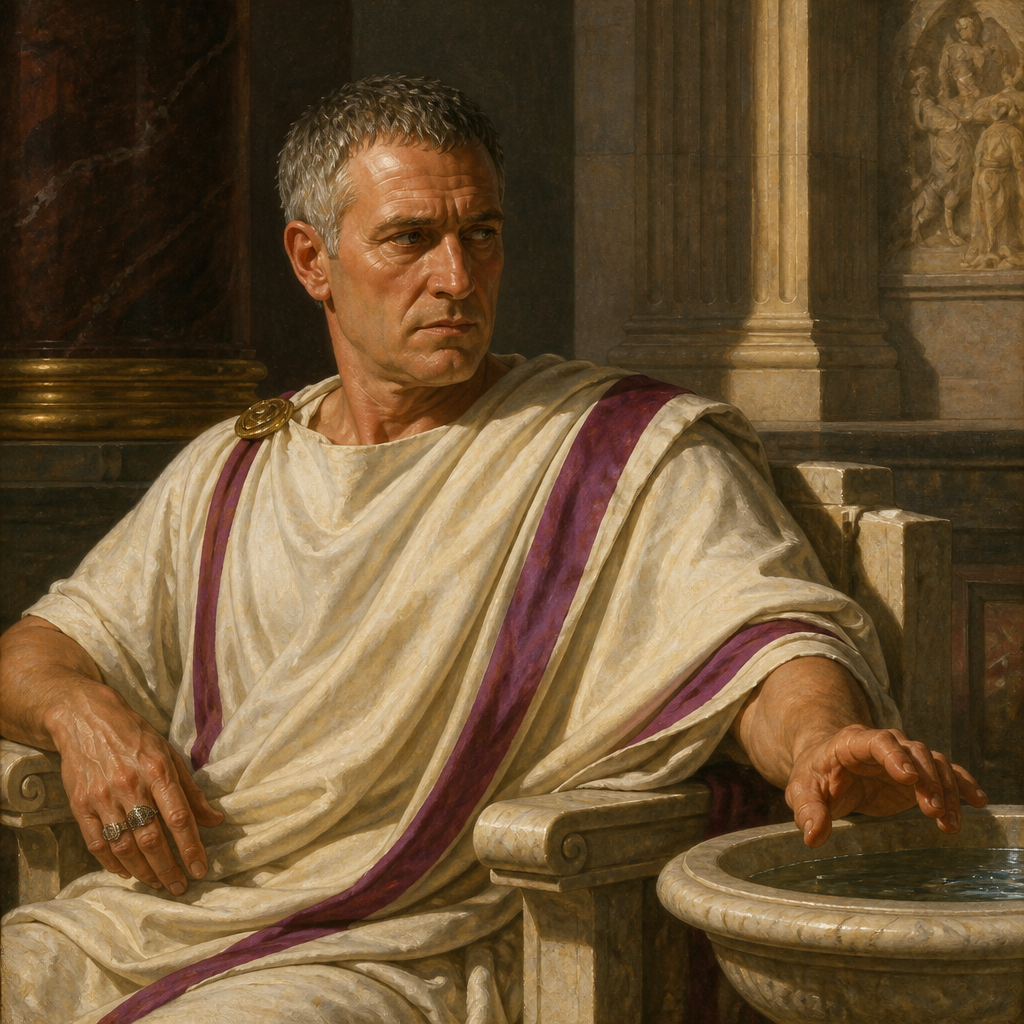
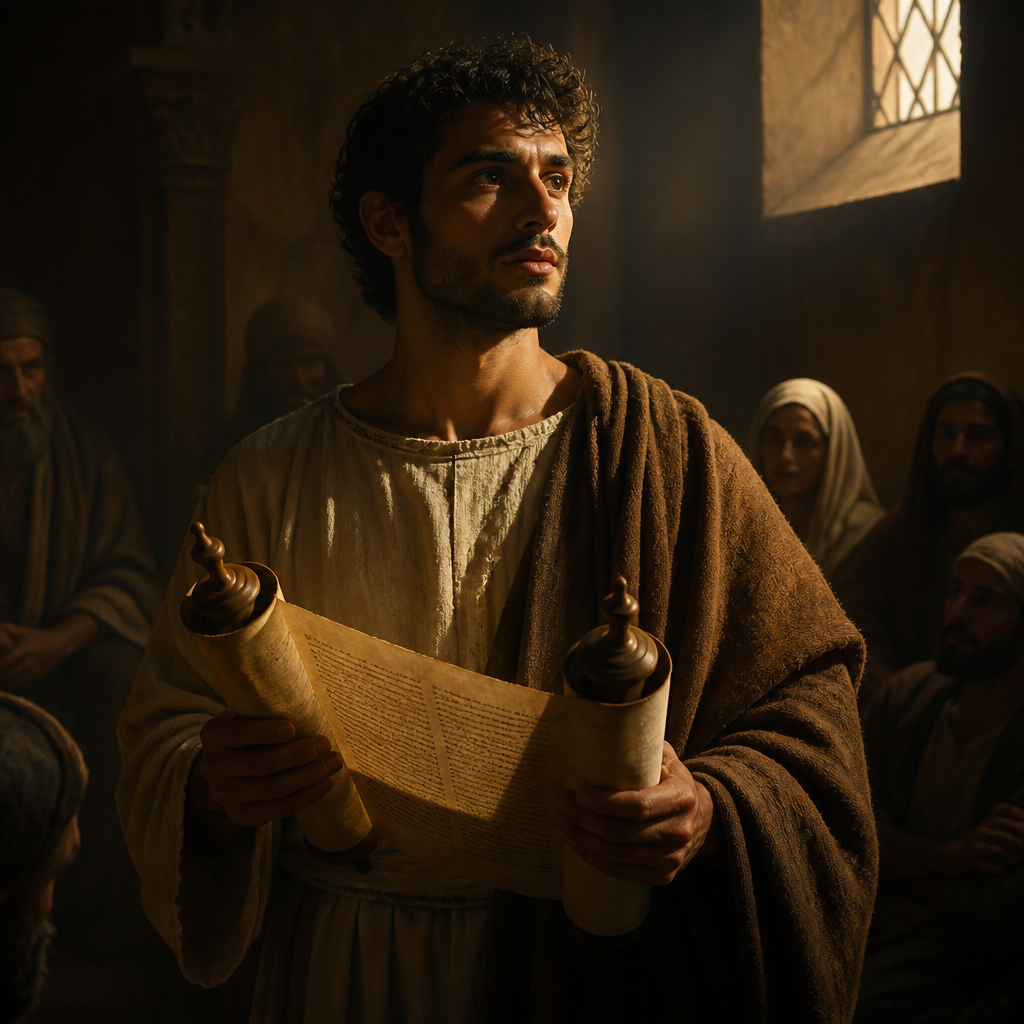
The life of Jesus and everyone in it: the nativity households of Luke 1–2, the twelve apostles, the women of Luke 8, the healed, and the court that tried him.
In Jerusalem
Acts 1–7
c. AD 30–35
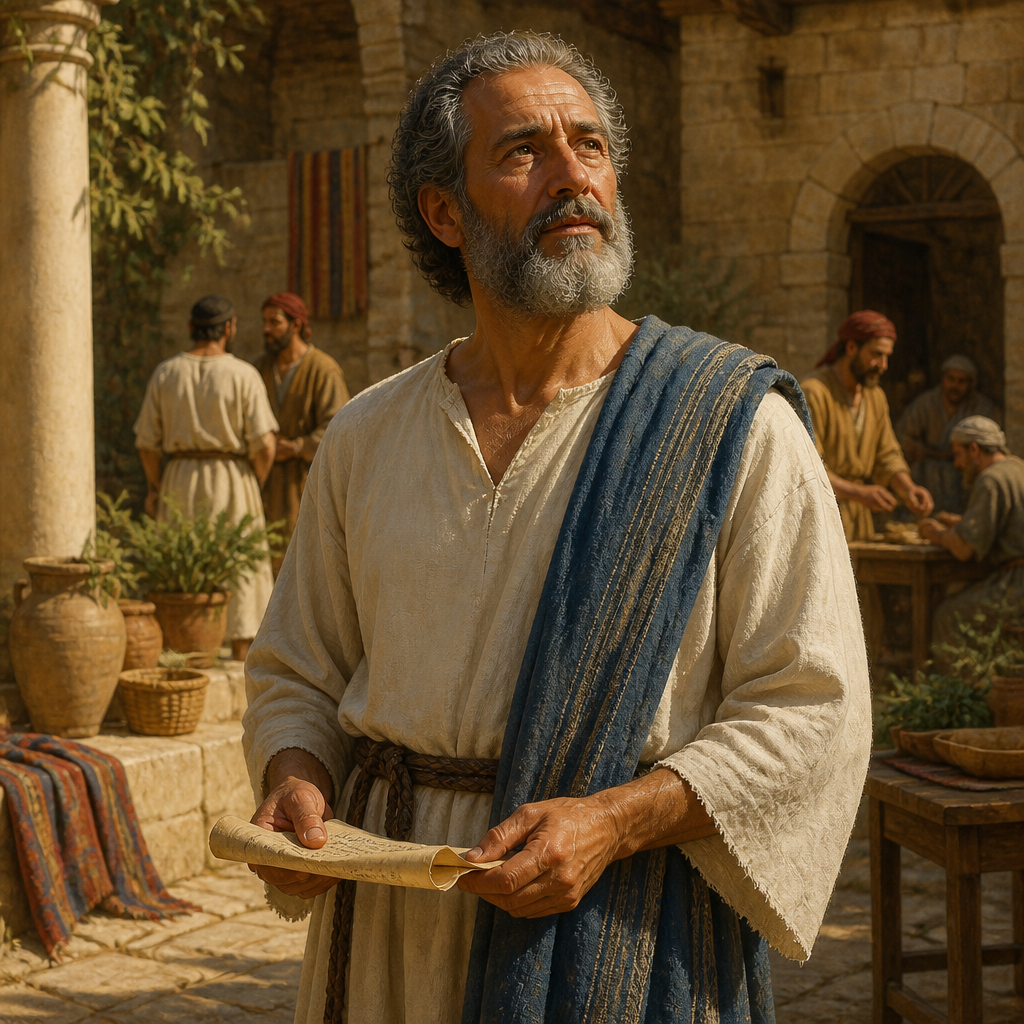
Acts 1–7. Matthias replaces Judas, three thousand are baptised at Pentecost, seven men are chosen to serve the tables, and Stephen is stoned outside the city.
In All Judea and Samaria
Acts 8–12
c. AD 35–44
Acts 8–12. Philip and the Ethiopian official, Simon of Samaria, Saul on the Damascus road, Cornelius at Caesarea, Tabitha raised at Joppa, Herod Agrippa struck down.
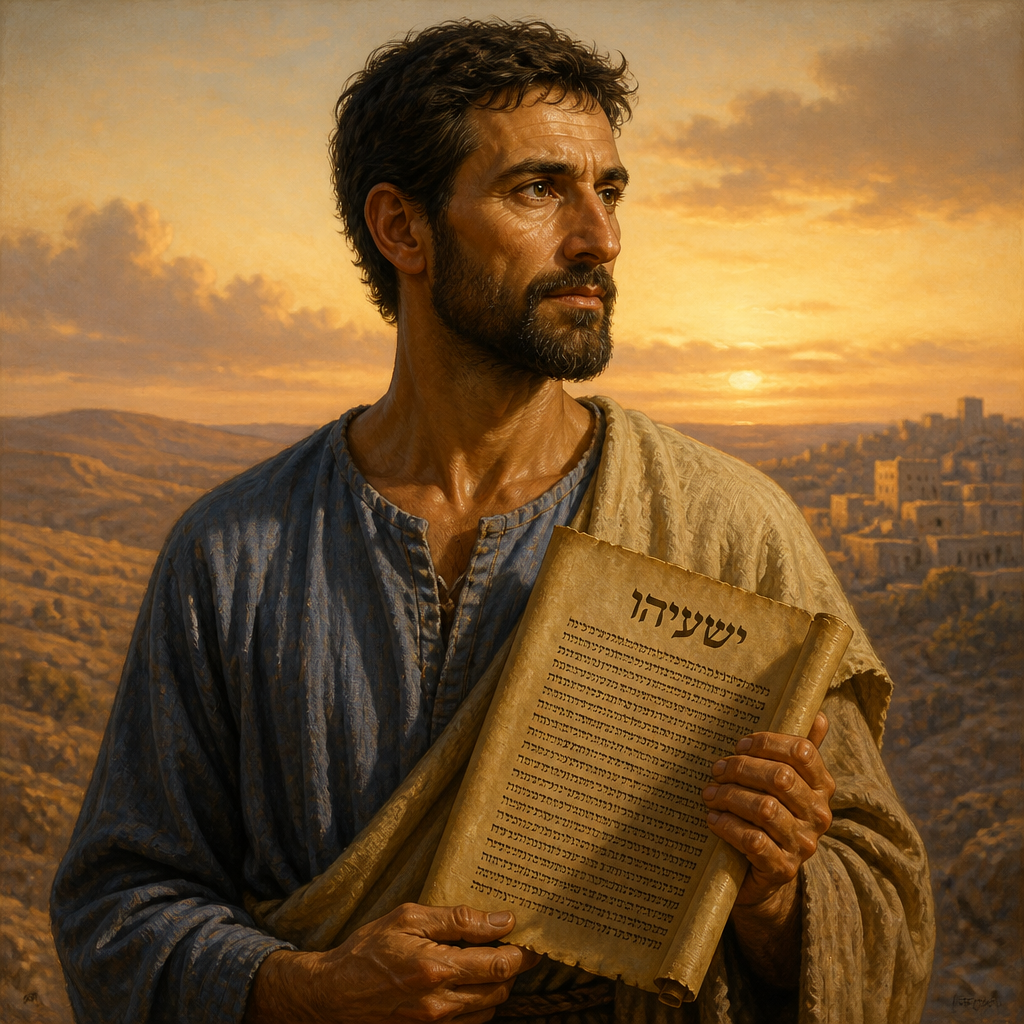
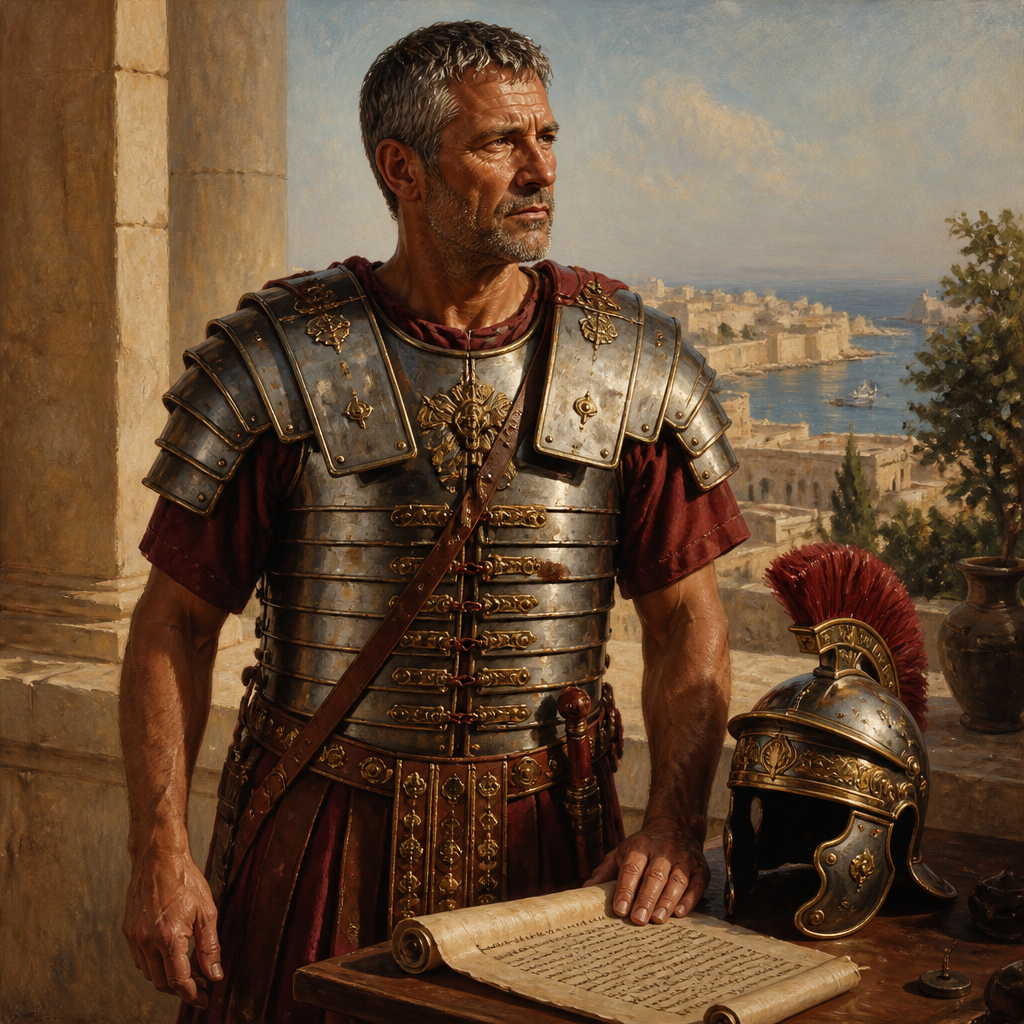
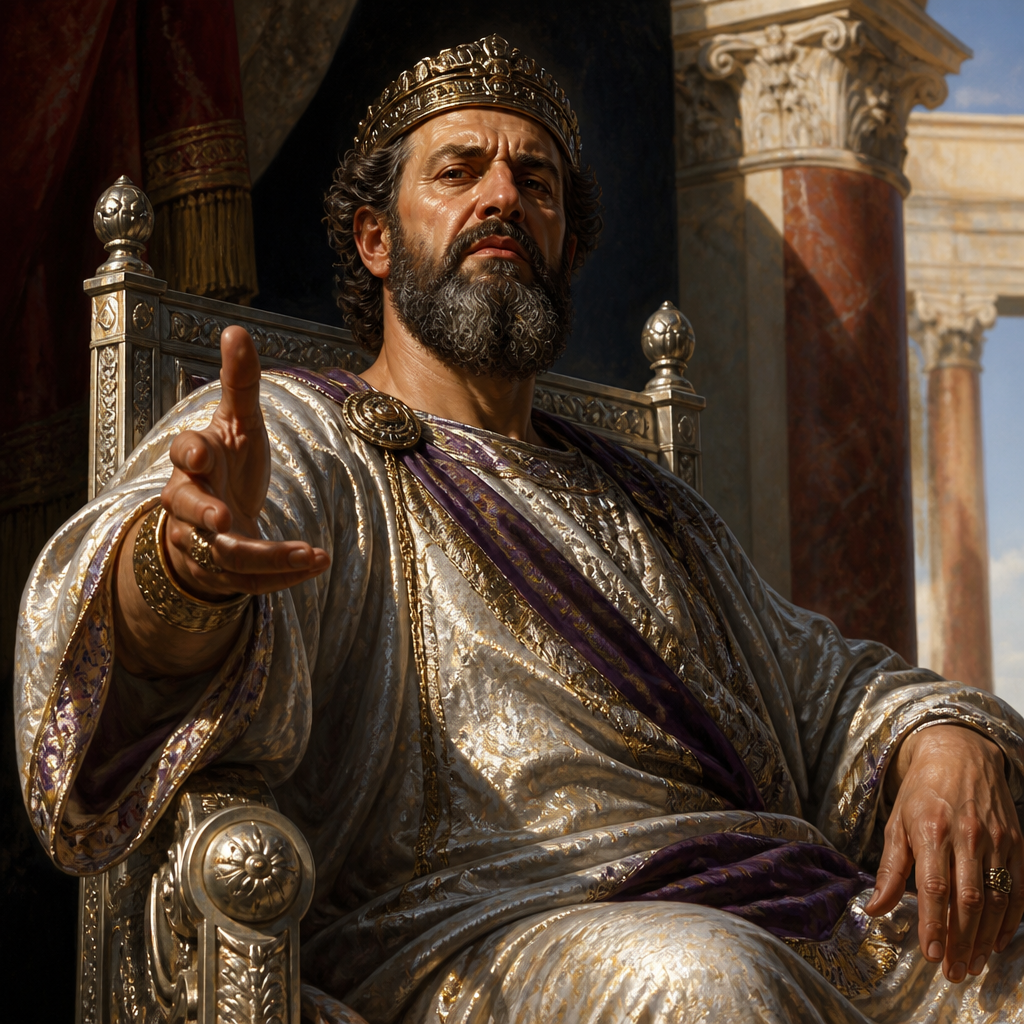
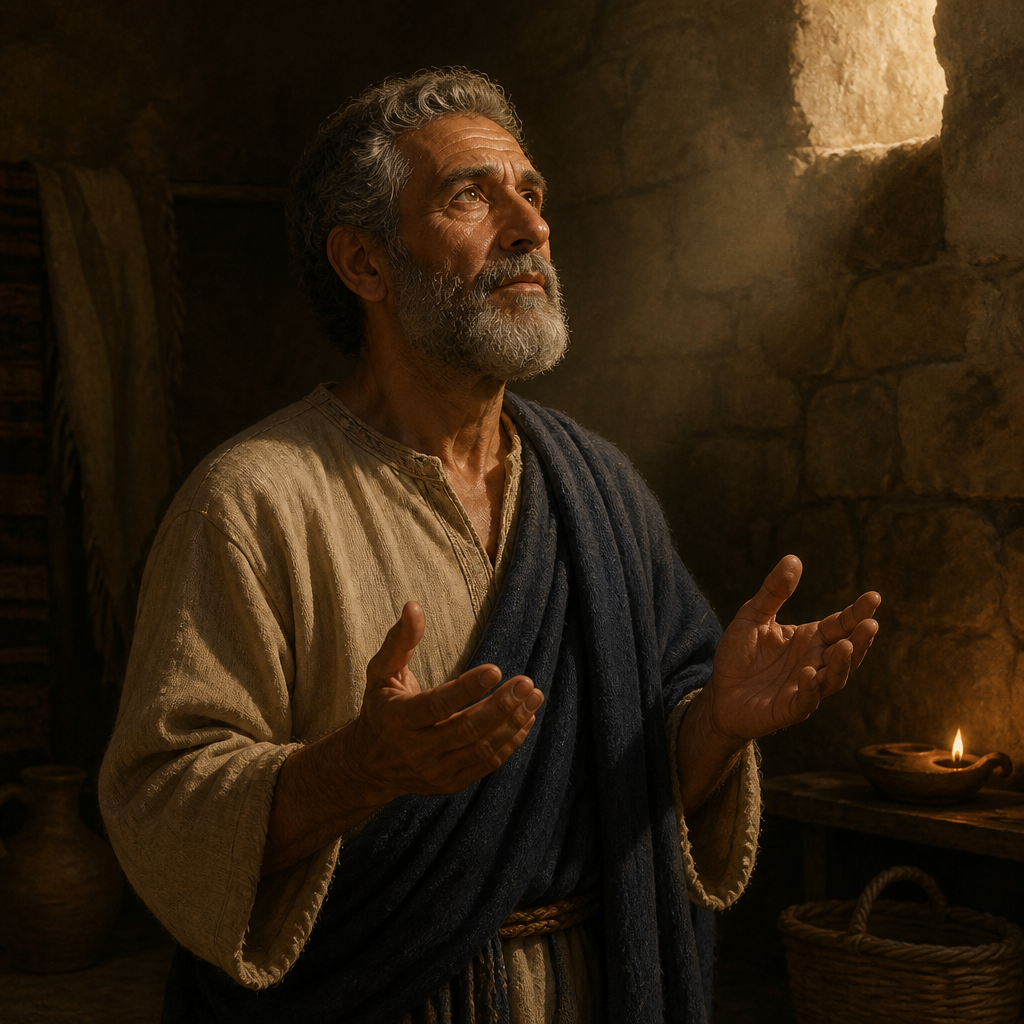
To the Ends of the Earth
Acts 13–Jude
c. AD 46–95
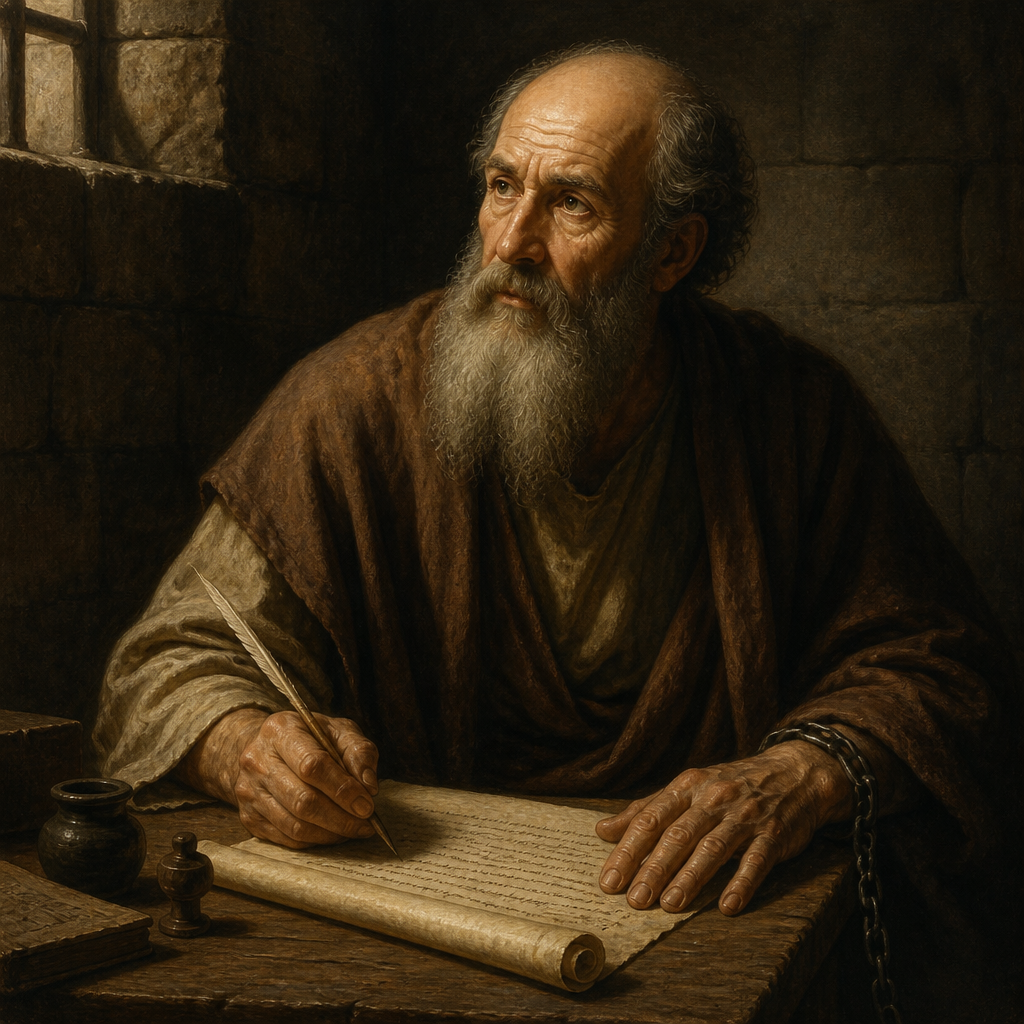
Acts 13–28 and the letters. Paul's journeys, the Jerusalem council, the shipwreck, and the co-workers named in the epistles — twenty-six of them in Romans 16 alone.
Revelation
Revelation 1–22
c. AD 95
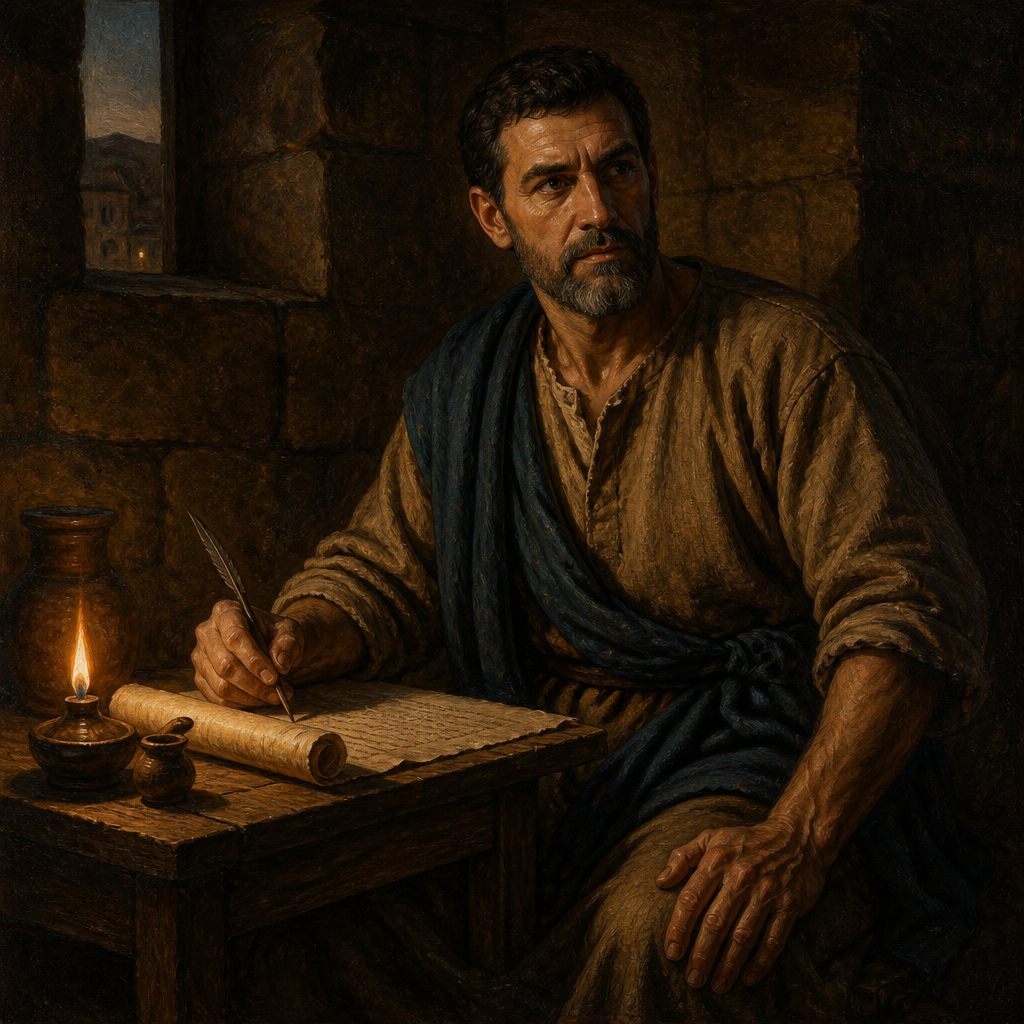
What John sees on Patmos, plus the named figures of the seven letters: Antipas, the woman called Jezebel at Thyatira, the Nicolaitans, the elders, the riders, the witnesses.
Lists, peoples and rulers
Lists and rosters
- The Nativity12
- Jesus' Earthly Family7
- The Twelve Apostles13
- Women Who Followed Jesus6
- Healed by Jesus22
- Raised from the Dead9
- Holy Week22
- Witnesses of the Resurrection18
- Pentecost and the First Church5
- The Seven Chosen to Serve7
- Paul's First Missionary Journey12
- Pagans Quoted by Paul3