
People of Ephesians
Every person who appears in the book of Ephesians, ordered by how often they are mentioned there.
The People of Ephesians appear within a letter written by Paul, who identifies himself as an apostle of Jesus by the will of God (Ephesians 1:1). The text addresses a group of believers whom Paul describes as being chosen in Jesus before the foundation of the world to be holy and blameless (Ephesians 1:4). Paul writes from a position of imprisonment, referring to himself as a prisoner for the sake of the Gentiles (Ephesians 3:1). He explains that his role is to preach the unsearchable riches of Jesus to those who were previously separated from the commonwealth of Israel (Ephesians 2:12).
The narrative of the letter focuses on the relationship between these specific figures and the broader community of faith. Paul describes Jesus as the one who broke down the dividing wall of hostility to create one new man out of two groups (Ephesians 2:14–15). He mentions Israel to provide historical context for the covenants of promise that the Gentiles were once strangers to (Ephesians 2:12). Toward the end of the letter, Paul introduces Tychicus, whom he calls a beloved brother and faithful minister in the Lord (Ephesians 6:21). The text states that Tychicus is sent specifically to make Paul’s circumstances known and to encourage the hearts of the readers (Ephesians 6:22).
This group of people illustrates the transition from a divided humanity to a unified body. Paul emphasizes that Jesus ascended on high and gave gifts to people, appointing some as apostles, prophets, evangelists, shepherds, and teachers (Ephesians 4:11). The letter concludes with a final mention of Tychicus as the messenger responsible for delivering the communication (Ephesians 6:21). By naming these individuals, the text anchors its theological arguments about unity and spiritual warfare in the lived experiences of Paul and his associates. The interaction between Paul, Tychicus, and the followers of Jesus serves to demonstrate the practical application of the letter's teachings on grace and communal identity.
Everyone in this list
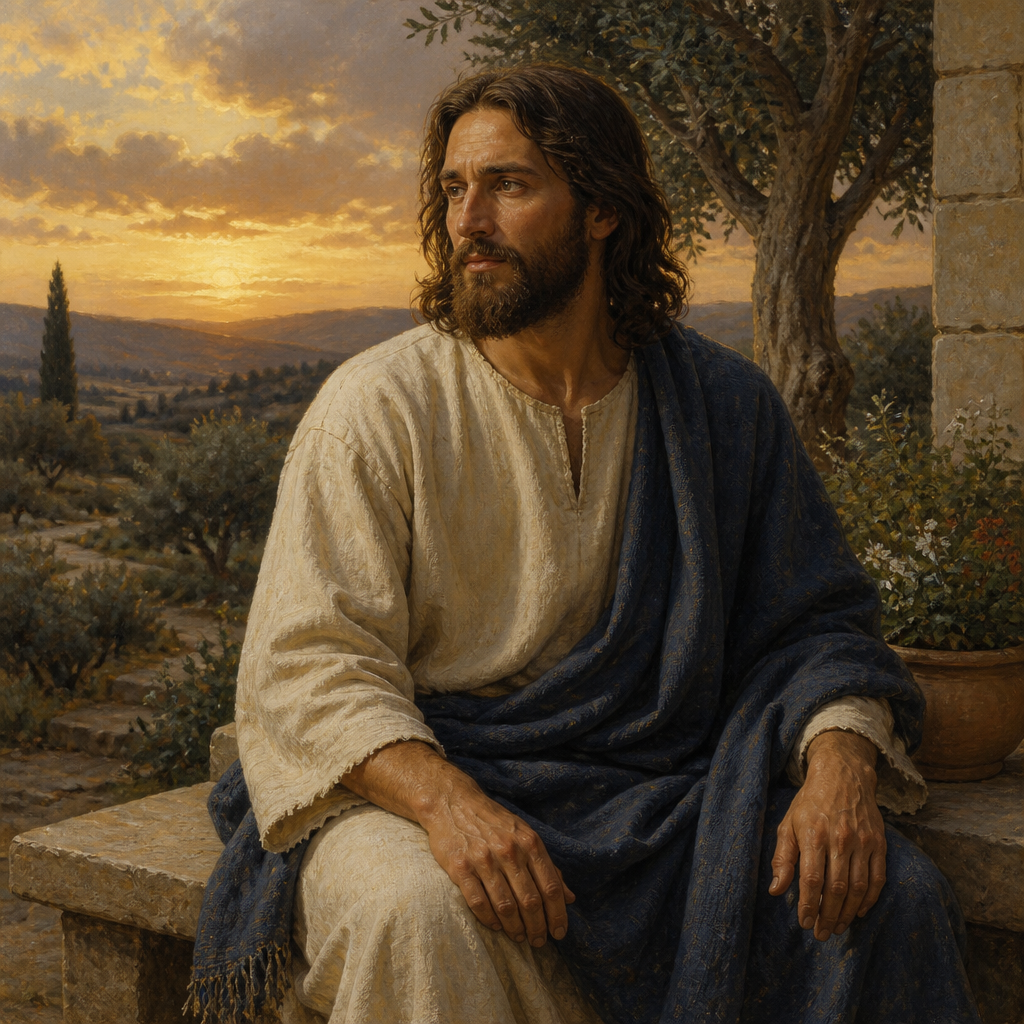
Jesus
Messiah and central figure of the New Testament whose life, death, and resurrection form the basis of the Christian faith

The Holy Spirit
The third person of the Trinity — hovering over the waters at creation, empowering judges, prophets and kings, poured out at Pentecost, indwelling believers
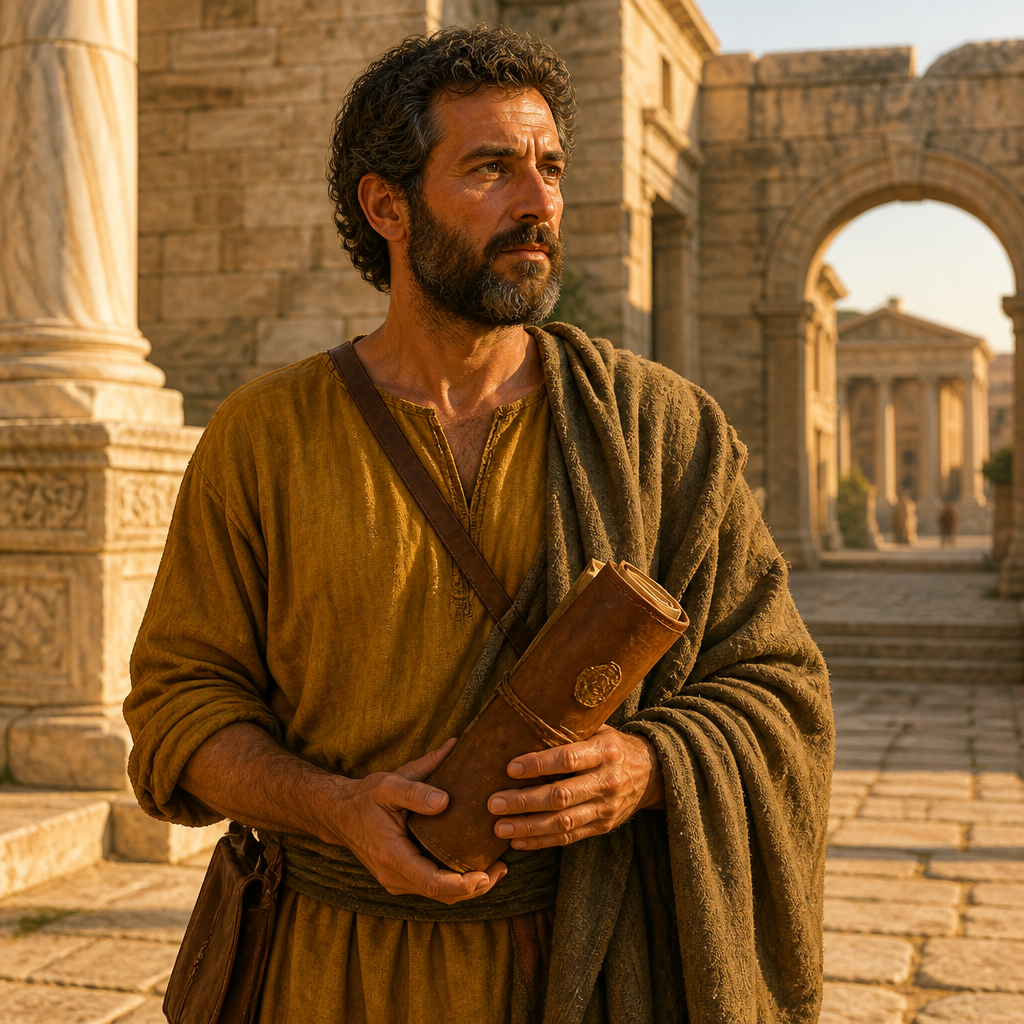
Tychicus
Minister from Asia who delivered Paul's letters to the Ephesians and Colossians

God the Father
The first person of the Trinity — creator, the one Jesus addressed as Father, the one who sends the Son and the Spirit